Attractions and Places To See around Ruivães - Top 20
Best attractions and places to see around Ruivães, a parish located on the left bank of the Rabagão River at the foot of the Serra da Cabreira mountains, offer a blend of natural beauty and historical landmarks. This region retains a rich heritage, featuring diverse landscapes from national park areas to ancient bridges and traditional villages. Visitors can explore a variety of sites, including natural waterfalls, historical bridges, and traditional architecture. The area provides opportunities for connecting with nature through hikes and walks.
Best attractions and places to see around Ruivães
- The most popular attractions is Blue Pool, a natural monument known for its clear waters and natural swimming pools. It offers a varied hike with rocky passages and invites visitors for a refreshing dip.
- Another must-see spot is Tahiti Waterfall, an impressive waterfall with several swimming pools. These can be reached with some climbing, and sturdy shoes are recommended.
- Visitors also love Ponte da Misarela and Waterfall, an ancient medieval bridge spanning the Rio Rabagão, featuring a waterfall. This bridge is classified as a Public Interest Property and holds historical significance.
- Ruivães is known for its natural waterfalls, historical bridges, and traditional architecture. The area offers a variety of sites, from ancient Roman roads and hillforts to numerous historic chapels and well-preserved traditional houses.
- The attractions around Ruivães are appreciated by the komoot community, with over 120 upvotes and more than 40 photos shared by visitors.
Last updated: July 2, 2026
Blue Pool
Highlight • Natural Monument
If the parking spaces are occupied you can follow the hiking trail over the small bridge. In the following bend there is another parking lot.
Tip by

Fecha de Barjas Waterfall (Tahiti)
Highlight • Waterfall
The descent on the bridge side coming from Ermida only goes to the top of the waterfall, where there are also bathing pools.
On the way down on the other side of the bridge you walk a little longer, but all the way down where you can really swim.
Have fun!
Translated by Google •
Tip by

Sign up now to discover places like this
Get recommendations on the best single tracks, peaks, & plenty of other exciting outdoor places.
Sign up for free
Tahiti Waterfall
Highlight • Waterfall
Translated by Google •
Tip by

Ponte da Misarela and Waterfall
Highlight • Bridge
Translated by Google •
Tip by

Cela Cavalos Waterfall
Highlight • Waterfall
Translated by Google •
Tip by
Sign up for free to discover even more attractions around Ruivães.
Sign up for free
Already have an account?
Start today with a free account
Your next adventure awaits.
Login or Signup
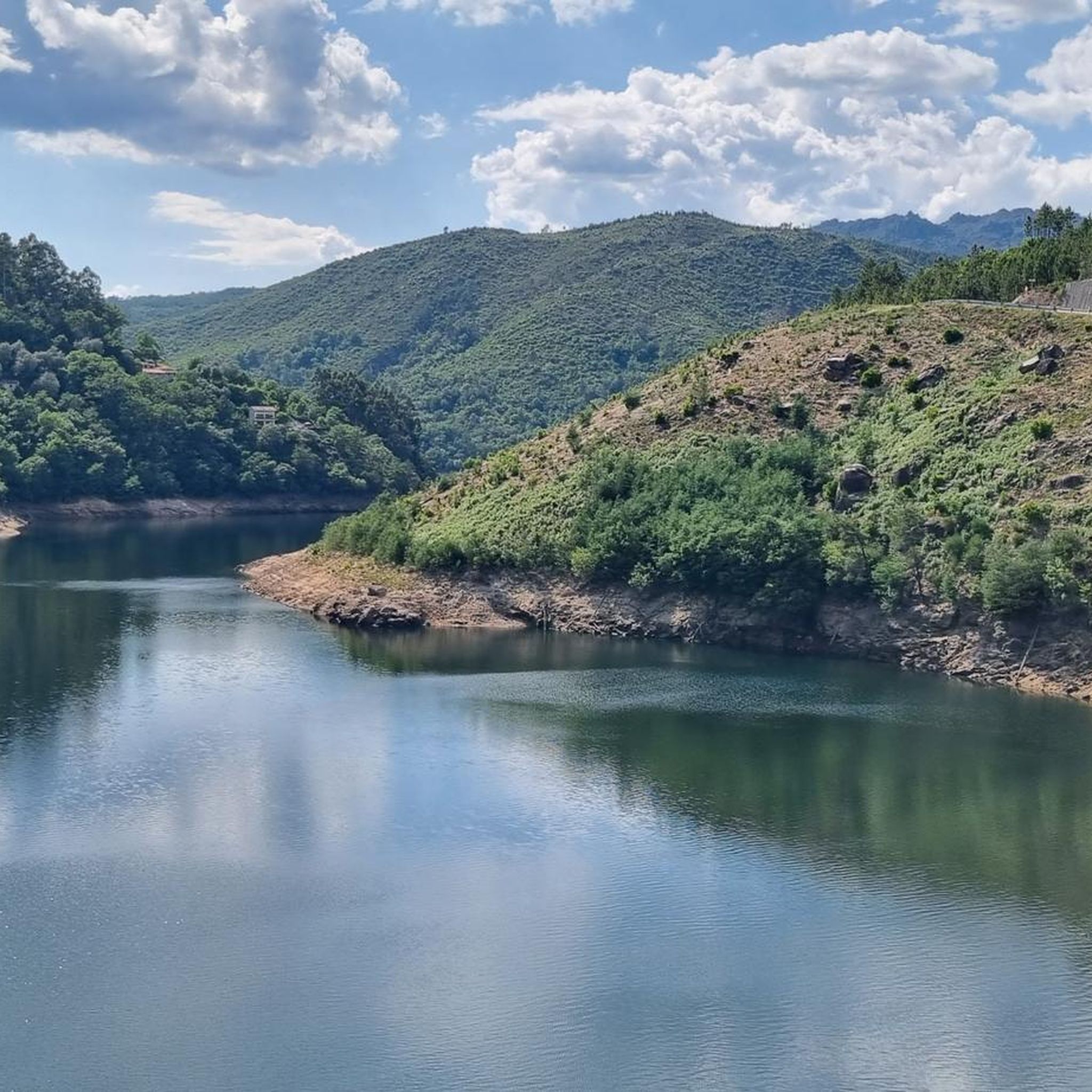
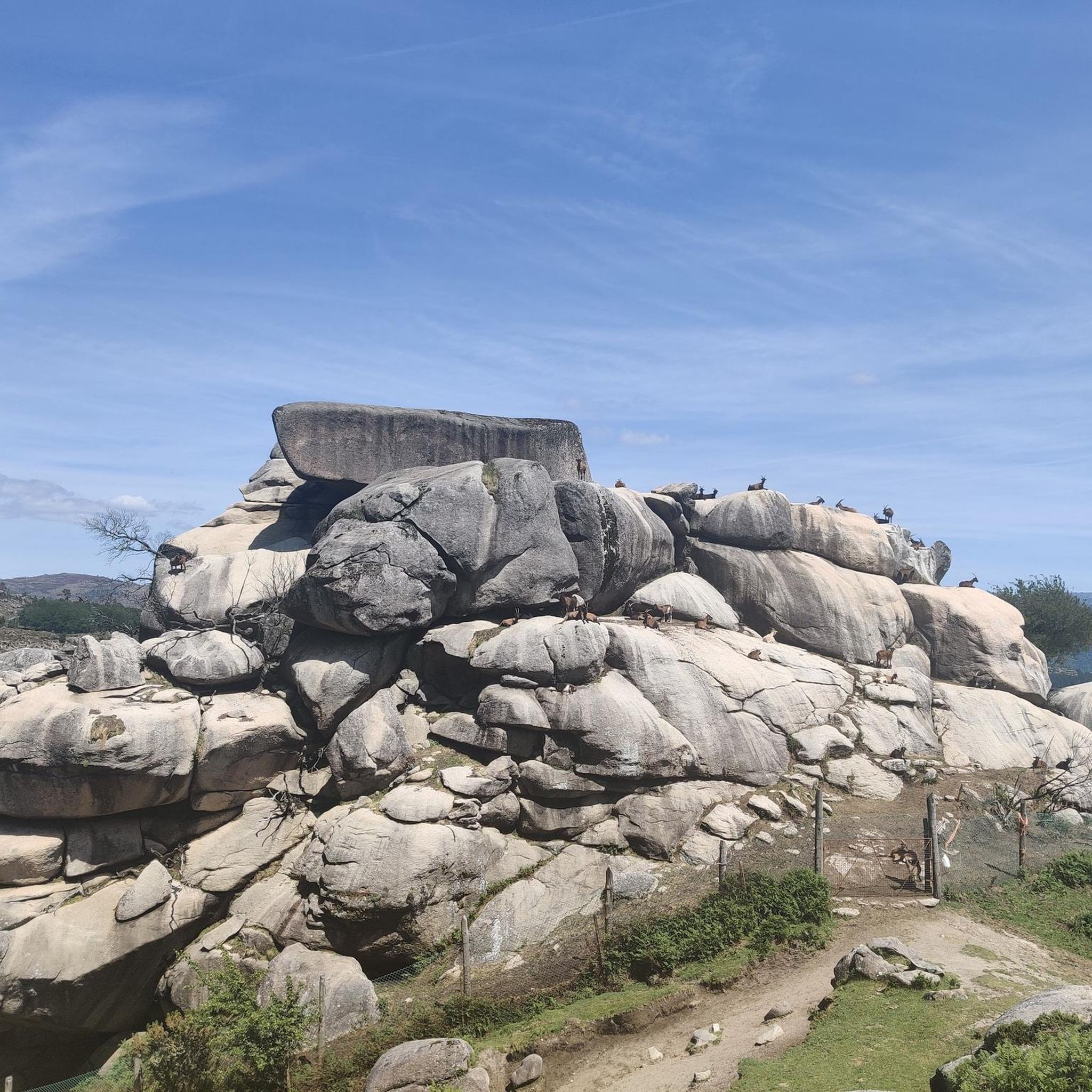
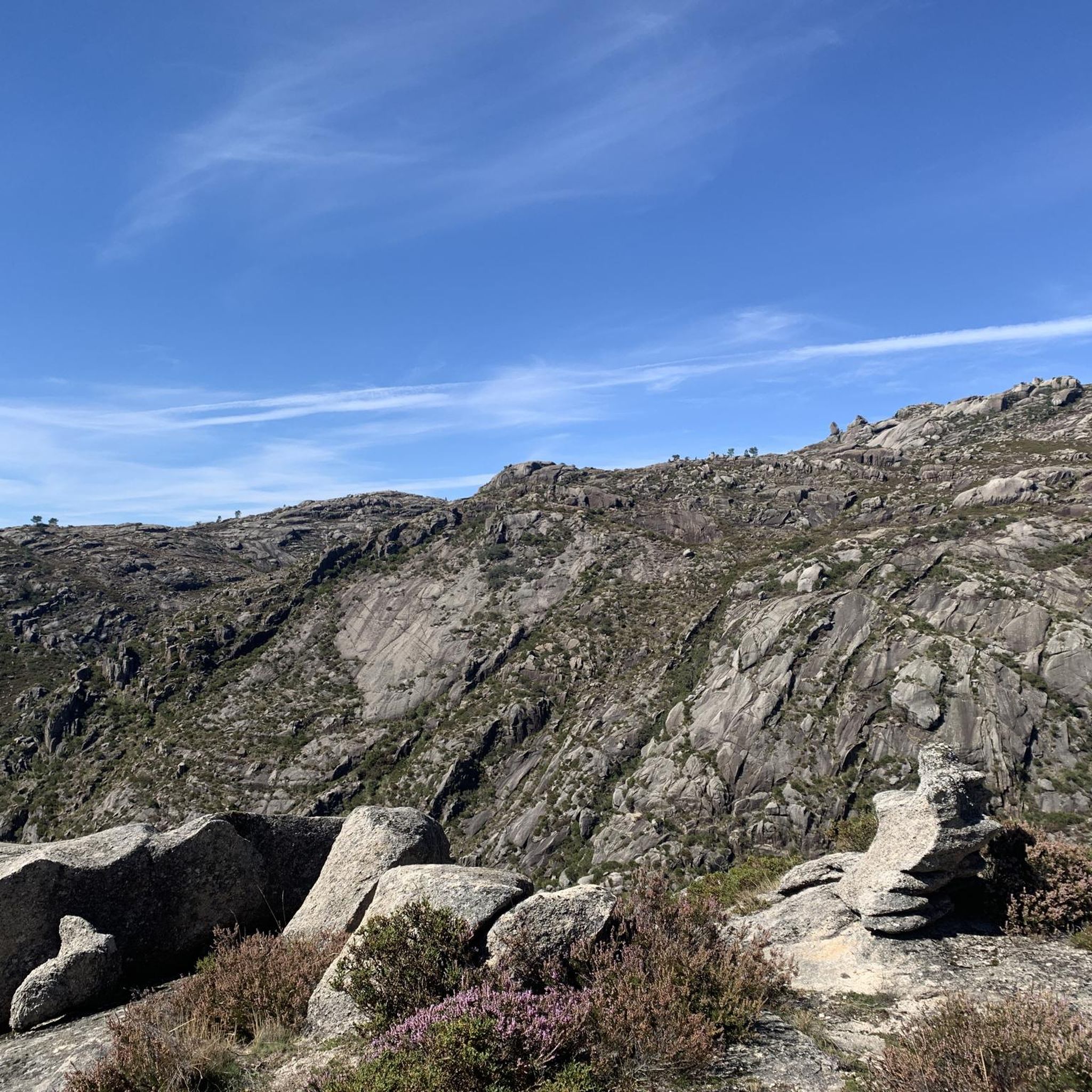
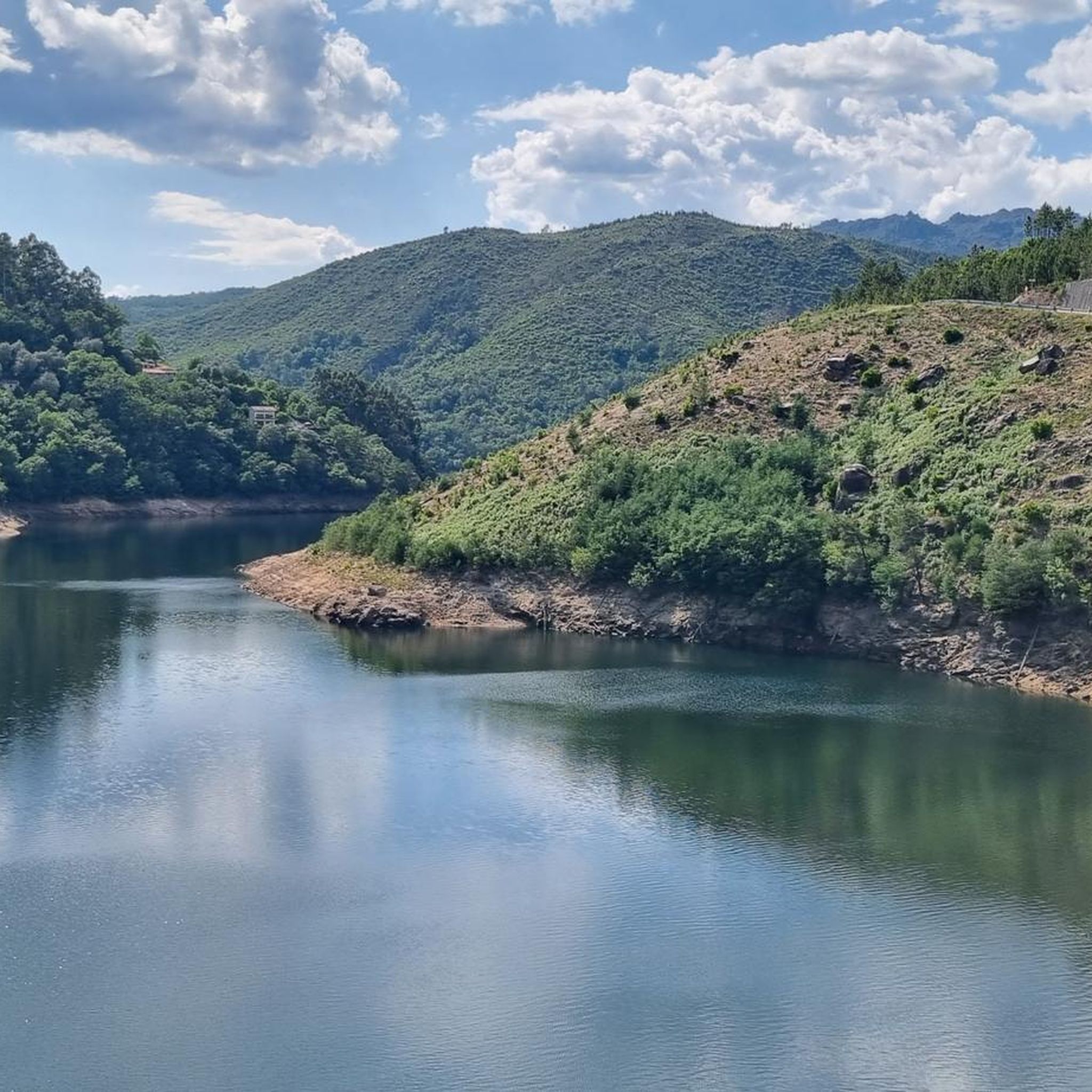
Tips from the Community

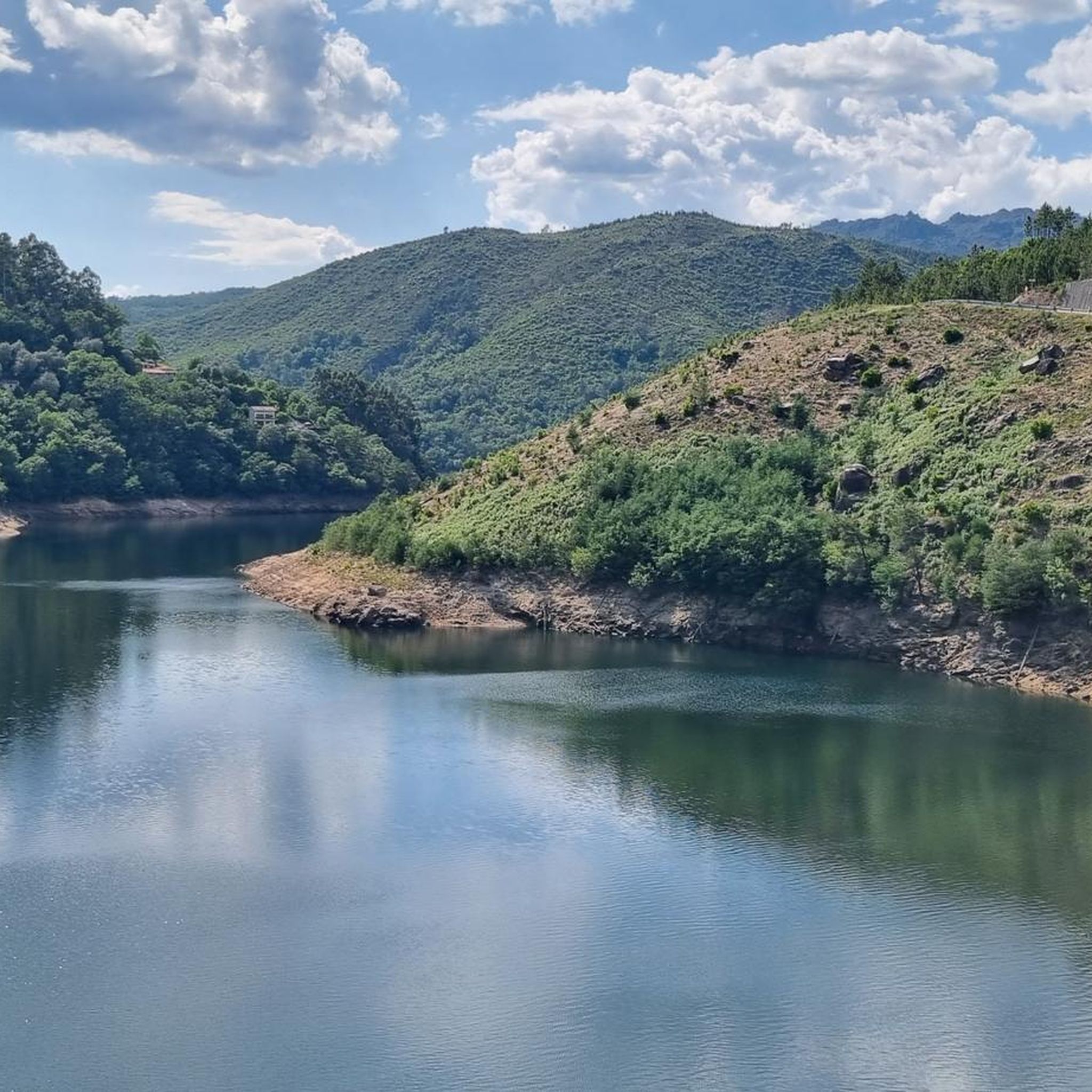
Cela Cavalos Waterfall, or Cela de Cavalos, is a paradisiacal waterfall located in the municipality of Montalegre, in the Peneda-Gerês National Park. With crystal-clear waters, it's a perfect spot for summer swimming, hiking, and nature contemplation. The main access point is from the village of Cela.
0
0

Warning: This is an extremely dangerous location, with a significant risk of falling. Due to erosion, the rocks are extremely smooth, making them slippery even in dry weather.
0
0
The Misarela Bridge, also known as the Devil's Bridge or the Bridge of Hell (we'll explain why below), is one of the most interesting monuments in the North of Portugal. Whether because of the legends, its historical importance or the beautiful landscape in which it is located. The Misarela Bridge is a trestle bridge over a slightly pointed arch, 13 metres high. This was originally a medieval bridge, which was rebuilt in the early 19th century (before the French Invasions) and which gave rise to two famous popular legends and ancient rituals. It has been a property of public interest since 1957 and in this article we will explore all of this, as well as the best ways to get there.
1
0


One of the most beautiful waterfalls in the National Park, the Cela Cavalos Waterfall is fed by the crystal clear waters of the Cavadas and Cela Cavalos streams and, in addition to the striking waterfall that forms a large natural pool, it also has a beautiful lagoon of emerald green water hidden at the top of the waterfall.
3
3
The Cela Cavalos waterfall is fed by the crystal clear waters of the Cavadas and Cela Cavalos streams and, in addition to the striking waterfall that forms an irresistible natural pool, it also has a delightful lagoon with emerald green water hidden above the waterfall. The landscape is disarmingly beautiful! To get there, you have to walk and sometimes climb - about 3 km on the way there and 1.5 km on the way back. You are rewarded with absolute peace and an incomparable panorama, to which the ruins of the two old mills contribute.
4
3

Beautiful old arched bridge with waterfall. Accessible by a short hike.
3
1
Frequently Asked Questions
What natural features can I explore around Ruivães?
Ruivães is rich in natural beauty, offering access to the Peneda-Gerês National Park. You can discover stunning waterfalls like Pincães Waterfall, Fecha de Barjas Waterfall (Tahiti), and Cela Cavalos Waterfall. The Blue Pool is a popular natural monument with clear waters, perfect for a refreshing dip.
Are there historical sites to visit in Ruivães?
Yes, Ruivães boasts several historical landmarks. Key sites include the ancient Ponte da Misarela, a Roman bridge with significant historical importance, and the Pelourinho (Pillory) in Ruivães, dating back to the 16th century. You can also find remnants of the Roman Road (Via Romana XVII) and the medieval Ponte de Rês.
Where can I find waterfalls near Ruivães?
The region around Ruivães is famous for its picturesque waterfalls. Notable ones include Fecha de Barjas Waterfall (Tahiti), known for its natural bathing pools, Pincães Waterfall, and Cela Cavalos Waterfall, which features an irresistible natural pool and a delightful lagoon. The Ponte da Misarela also features a scenic waterfall.
Are there opportunities for swimming in natural pools?
Absolutely! The area offers several natural swimming spots. The Blue Pool (Poço Azul) is a highly recommended natural monument with clear, inviting waters. Fecha de Barjas Waterfall (Tahiti) and Cela Cavalos Waterfall also feature natural bathing pools where you can cool off.
What kind of outdoor activities are available near Ruivães?
Ruivães is an excellent base for outdoor enthusiasts. You can explore numerous hiking trails, including those leading to waterfalls and natural pools. Cycling is also popular, with routes like the 'Ponte de Eixões – Caniçada Reservoir loop' for touring bicycles or challenging road cycling routes such as the 'View of the National Park – Venda Nova Dam loop'. For runners, there are trails like the 'Sete Lagoas (Seven Lagoons) loop'. You can find more details on these activities in the Cycling around Ruivães, Running Trails around Ruivães, and Road Cycling Routes around Ruivães guides.
What historical bridges can I visit in the area?
The region is home to several historically significant bridges. The most prominent is Ponte da Misarela, an ancient Roman bridge spanning the Rabagão River, classified as a Public Interest Property. Another notable medieval bridge is Ponte de Rês, over the Saltadouro River, connecting Ruivães to Salamonde, believed to date from the 13th-14th centuries.
Are there any traditional villages or architectural sites to see?
Yes, Ruivães offers a glimpse into traditional Portuguese culture. You can explore rural clusters like Santa Leocádia and Botica, which feature houses with characteristic popular architecture. Several well-preserved traditional houses, such as Casa do Corvo, Casa dos Pardieiros, and Casa do Barroca, showcase the region's architectural heritage. Additionally, numerous historic chapels, including Capela de Nossa Senhora da Conceição and Capela da Sr.ª dos Remédios, reflect local religious architecture.
What is the best time of year to visit Ruivães for outdoor activities?
For outdoor activities like hiking and swimming in natural pools, the warmer months, particularly late spring to early autumn (May to September), are generally ideal. The water in the natural pools, though refreshing, is more enjoyable during this period. However, the region's natural beauty, especially the waterfalls, can be impressive even in cooler, wetter seasons.
Are there family-friendly attractions around Ruivães?
While specific 'family-friendly' categories aren't listed for all attractions, many natural sites like the Blue Pool and the various waterfalls offer enjoyable experiences for families who enjoy nature and light hiking. The Área de Lazer de Poço das Traves is a recreational area with clear-water rivers and grassy spaces, suitable for family picnics and relaxation.
What do visitors particularly enjoy about the attractions in Ruivães?
Visitors frequently praise the stunning natural beauty and the refreshing experience of the natural swimming pools. The Blue Pool is highlighted for its clear, cold water and relaxed atmosphere. The waterfalls, such as Fecha de Barjas Waterfall (Tahiti) and Pincães Waterfall, are appreciated for their scenic paths and rewarding views. The historical significance and beauty of sites like Ponte da Misarela also receive high acclaim.
Can I find ancient Roman remnants in the Ruivães region?
Yes, the region preserves sections of the ancient Roman military road, Via Romana XVII, which historically connected Bracara Augusta (Braga) to Asturica Augusta (Astorga). Two Roman milestones have been discovered in Botica, serving as tangible evidence of this significant historical route.
Are there any hidden gems or less-known spots worth discovering?
Beyond the well-known waterfalls, the region offers charming, less-traveled spots. The rural clusters of Santa Leocádia and Botica, with their characteristic popular architecture and traditional houses like Casa do Corvo or Casa dos Pardieiros, offer a quieter cultural experience. The ancient Ponte de Rês is another beautiful, historically rich site that might be less frequented than the famous Ponte da Misarela.
What is the significance of the Pelourinho in Ruivães?
The Pelourinho (Pillory) in Ruivães is a significant historical monument, likely dating back to the 16th century. It is classified as a Public Interest Property and serves as a symbol of Ruivães' past status as a municipal seat, representing its former administrative and judicial autonomy.
Where can I find more information about the historical classification of sites like Ponte da Misarela?
For detailed information regarding the historical classification and architectural specifics of monuments like the Ponte da Misarela, you can consult official heritage databases. For example, the Portuguese Directorate-General for Cultural Heritage provides information on classified properties. You can often find details on sites like monumentos.gov.pt.
Most popular attractions around Ruivães

Get inspired with the komoot mobile app


Explore more
Still not found the Highlight you’re looking for? See guides of the top attractions in other regions:
