The best road cycling routes around Ruivães
4.6
(34)
2,067
riders
110
rides
Road cycling routes around Ruivães are characterized by diverse landscapes at the foot of the Serra da Cabreira mountains, with the Rabagão River flowing through the region. The terrain offers varied challenges, from river valleys to more elevated sections, providing a mix of gradients for cyclists. This area is known for its natural features and historical points of interest, making it suitable for exploring by road bike.
Best road cycling routes around Ruivães
- The most popular road cycling route is…
Last updated: November 1, 2026
5.0
(1)
77
riders
74.0km
03:30
860m
860m
Moderate road ride. Good fitness required. Mostly well-paved surfaces and easy to ride.
38
riders
59.4km
02:49
620m
620m
Moderate road ride. Good fitness required. Some segments of this route may be unpaved and difficult to ride.

5.0
(1)
28
riders
Moderate road ride. Good fitness required. Mostly well-paved surfaces and easy to ride.
22
riders
93.8km
04:33
1,100m
1,100m
Hard road ride. Very good fitness required. Some segments of this route may be unpaved and difficult to ride.
21
riders
71.1km
03:36
1,010m
1,010m
Hard road ride. Very good fitness required. Mostly well-paved surfaces and easy to ride.
Get access to more routes and recommendations from other explorers.
Already have an account?
Our route recommendations are based on thousands of hikes, rides, and runs completed by other people on komoot.
Start today with a free account
Your next adventure awaits.



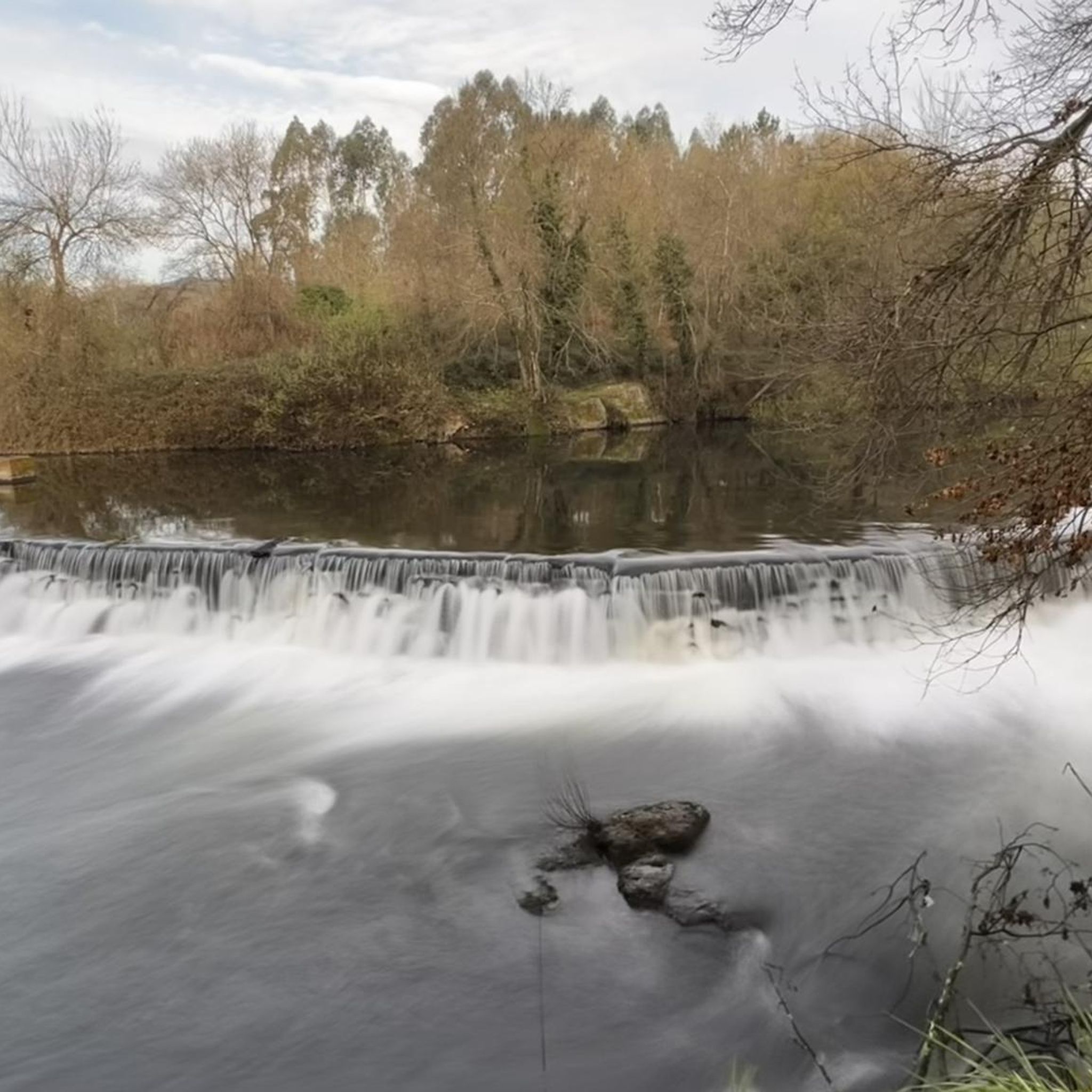
Tips from the Community

Excellent trail, very good for cycling, quite long. In the heat, there are several shady spots for resting.
0
0

There is a gigantic organ in the cathedral.
5
2
The Cathedral of Braga, the oldest archdiocese in Portugal
3
0

The Cathedral of Braga (Portuguese: Sé de Braga) is one of the most important monuments in the city of Braga in the north of Portugal. As the seat of the Archbishop of Braga, it is the oldest cathedral in Portugal and is one of the most important buildings in the country due to its history and artistic significance[1]. It offers a rich mix of architectural and artistic styles.
1
0

The Cathedral of Braga (Portuguese: Sé de Braga) is one of the most important monuments in the city of Braga in the north of Portugal. As the seat of the Archbishop of Braga, it is the oldest cathedral in Portugal and is one of the most important buildings in the country due to its history and artistic significance[1]. It offers a rich mix of architectural and artistic styles.
3
1
The Hospital and Church of St. Mark, as we admire them today, date from the 18th century and were designed by Carlos Amarante. The square where the buildings are located is also named after this architect. The vertical emphasis of the Baroque church, with its two towers, contrasts sharply with the horizontality of the adjacent hospital, which adjoins it symmetrically and gives the entire complex a harmonious overall impression. On the exterior, the life-size figures of the apostles are particularly striking, setting the rhythm of the upper balustrade. Halfway up the facade, we see the image of St. Mark in a niche. A church and hospice had previously existed on the same site, built by Dom Diogo de Sousa in the 16th century. The hospice primarily served the poor, pilgrims, and travelers who stayed overnight in the city of Braga.
5
2

The hospital and church of St. Mark, as we admire them today, date from the 18th century and were built according to a design by Carlos Amarante. The square where the buildings are located is also named after this architect. The vertical emphasis of the Baroque church, with its two towers, stands out clearly from the horizontality of the adjacent hospital, which is symmetrically adjacent and gives the entire complex a harmonious overall impression. Source: https://www.visitportugal.com/de/content/igreja-de-sao-marcos-braga
6
0
Frequently Asked Questions
How many road cycling routes are available in Ruivães?
Ruivães offers a wide selection of road cycling routes, with over 120 options to explore. These routes cater to various skill levels, ensuring there's something for every cyclist.
What are the typical difficulty levels for road cycling in Ruivães?
The road cycling routes in Ruivães present a diverse range of challenges. You'll find 15 easy routes, 74 moderate routes, and 32 more difficult options, allowing cyclists to choose based on their experience and fitness levels.
What kind of terrain can I expect on road cycling routes around Ruivães?
Road cycling around Ruivães features diverse landscapes, from river valleys along the Rabagão River to more elevated sections at the foot of the Serra da Cabreira mountains. You can expect varied gradients, offering a mix of climbs and descents.
Are there any circular road cycling routes in Ruivães?
Yes, many road cycling routes in Ruivães are designed as loops, offering convenient circular journeys. For example, the Famalicão Cycle Path loop from Vermoim is a popular moderate option, and the Poça de São João loop from Caniços also provides a scenic circular experience.
What natural features can I see while road cycling in Ruivães?
The region is rich in natural beauty. Cyclists can encounter stunning waterfalls and natural pools, such as the Fecha de Barjas Waterfall (Tahiti) and Cela Cavalos Waterfall. The Blue Pool (Poço Azul) is another highly recommended natural monument known for its clear waters. The area's proximity to national park areas also means diverse landscapes, from mountainous terrain to river valleys.
Are there historical landmarks or points of interest along the road cycling routes?
Absolutely. Ruivães is dotted with historical bridges, including the ancient Roman Ponte da Misarela over the Rabagão River, and the medieval Ponte de Rês. You can also explore traditional villages like Santa Leocádia and Botica, showcasing characteristic Portuguese architecture. Other notable attractions include the Monastery of Saint Benedict, Santo Tirso and Arnoso Monastery.
What do other road cyclists say about the routes in Ruivães?
The road cycling routes in Ruivães are highly regarded by the komoot community, holding an average rating of 4.5 stars from over 30 reviews. Cyclists often praise the varied terrain, scenic views, and the tranquility of less-traveled roads that define the region's cycling experience.
Are there any challenging climbs for advanced road cyclists in Ruivães?
Yes, Ruivães offers routes with significant elevation gains for those seeking a challenge. For instance, the Church of Saint Mark (Braga) – Braga Cathedral (Sé de Braga) loop from Caniços is a difficult route with over 1000 meters of elevation gain, providing a demanding ride through varied landscapes.
What is the best time of year for road cycling in Ruivães?
The region is generally pleasant for cycling for much of the year. Spring and autumn offer milder temperatures and beautiful scenery, ideal for longer rides. Summer can be warm, but early mornings or late afternoons are still excellent for exploring. Winter rides are possible, though some higher elevation sections might be cooler.
Are there options for family-friendly road cycling in Ruivães?
While many routes involve varied terrain, there are easier options suitable for families or those preferring a more relaxed pace. With 15 easy routes available, you can find paths that offer scenic views without overly challenging climbs, allowing for enjoyable family outings.
Can I find places to eat or stay near the road cycling routes in Ruivães?
Yes, the region has traditional villages and towns where you can find local cafes, restaurants, and accommodation options. Exploring rural clusters like Santa Leocádia and Botica can lead you to charming spots to refuel and rest after your ride.
Is public transport available to reach the road cycling routes in Ruivães?
While Ruivães is best explored by car for direct access to trailheads, some public transport options might connect to nearby towns. However, for maximum flexibility with your bike, driving to the starting points of the routes is generally recommended.
Where can I park my car when starting a road cycling route in Ruivães?
Parking is typically available in the villages and towns that serve as starting points for many routes. For specific routes, it's advisable to check the route details on komoot for recommended parking areas near the trailhead.
Most popular routes around Ruivães
Most popular attractions around Ruivães

Get inspired with the komoot mobile app


Explore more
Browse the best Road cycling routes in other regions.
