The best road cycling routes around Vila Nova De Famalicão
4.6
(36)
2,272
riders
121
rides
Road cycling routes around Vila Nova De Famalicão traverse a diverse landscape in northern Portugal's Minho region. The area features verdant hills, river banks, and rolling fields, offering varied terrain for cyclists. Dedicated ecopistas, such as the Ecopista Linha da Póvoa, provide paved paths away from car traffic. The region's topography includes both gentle inclines and more challenging ascents, catering to different fitness levels.
Best road cycling routes around Vila Nova De Famalicão
- The most popular road cycling route is…
Last updated: August 26, 2026
5.0
(1)
30
riders
39.5km
02:00
570m
570m
Moderate road ride. Good fitness required. Some segments of this route may be unpaved and difficult to ride.
5.0
(1)
22
riders
18.2km
00:48
160m
160m
Easy road ride. Great for any fitness level. Mostly well-paved surfaces and easy to ride.

Sign up for free
18
riders
40.6km
01:53
440m
440m
Moderate road ride. Good fitness required. Mostly well-paved surfaces and easy to ride.
5.0
(1)
16
riders
40.7km
01:57
550m
550m
Moderate road ride. Good fitness required. Mostly well-paved surfaces and easy to ride.
21
riders
114km
05:29
1,350m
1,350m
Hard road ride. Very good fitness required. Mostly well-paved surfaces and easy to ride.
Get access to more routes and recommendations from other explorers.
Sign up for free
Already have an account?
Our route recommendations are based on thousands of hikes, rides, and runs completed by other people on komoot.
Start today with a free account
Your next adventure awaits.
Login or Signup


Tips from the Community


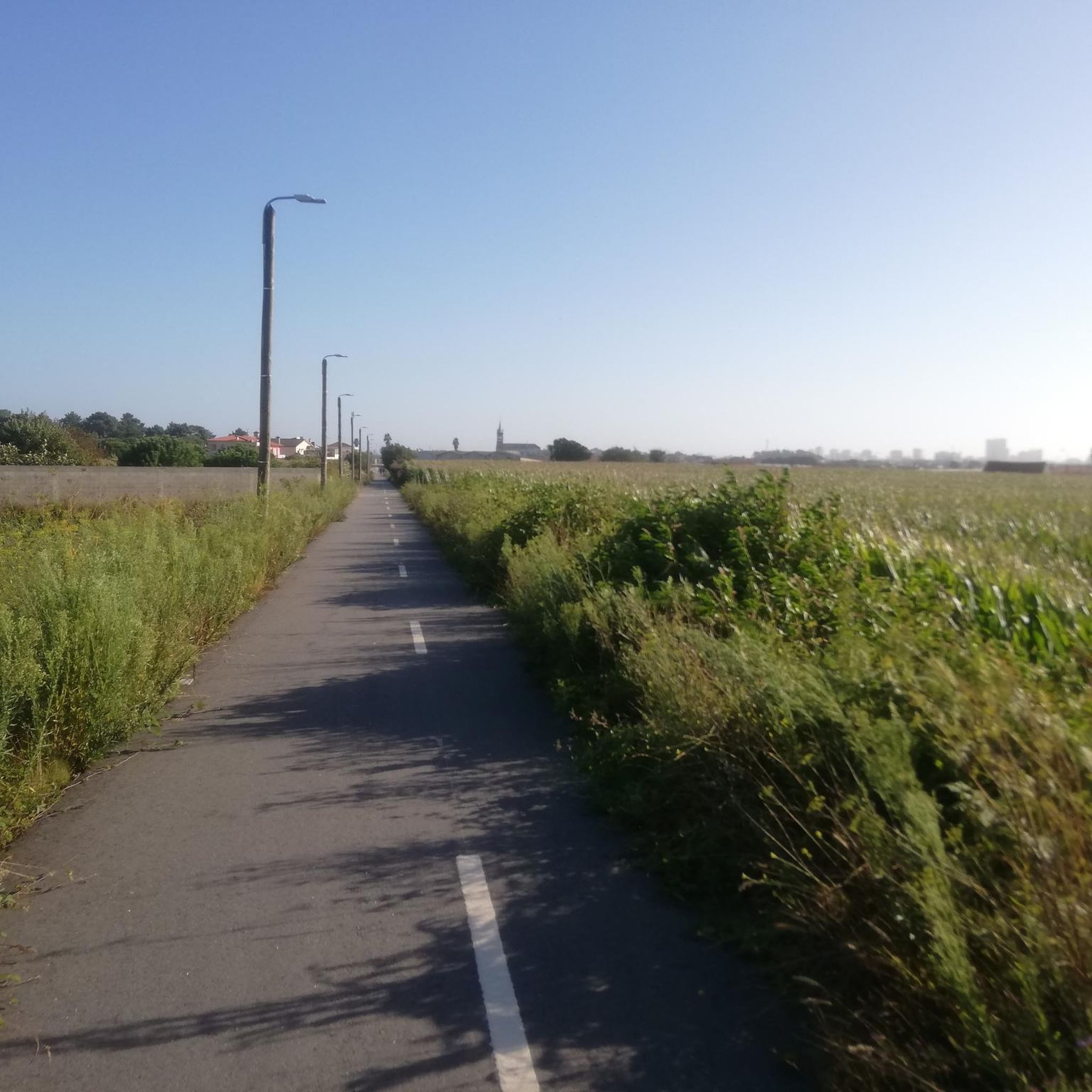
Highlights and Route Landscape: The route crosses rural areas, small population centers, agricultural fields, and forest areas, offering a calm and pleasant environment. Localities: The ecotrail passes through several localities, including Amorim, Terroso, Laundos, Rates, Balazar, Gondifelos, Louro, and Brufe. Intermodality: A great advantage is the direct connection to the Vila Nova de Famalicão train station and the Porto Metro station in Póvoa de Varzim, facilitating access to the beginning and end of the route. Interconnection: The cycle path connects to the Formiga Ecotrail, allowing the ride to be extended.
1
0
Route Characteristics Length: The route is approximately 28 to 30 kilometers in total, connecting the rural interior (Famalicão) to the Atlantic coast (Póvoa de Varzim). Difficulty: It is a flat route, without major slopes or sharp curves, making it an easy and accessible route for everyone, including families with children. Surface: The surface is a mixture of macadam and, in some sections, asphalt, suitable for walking, running and cycling. Accessibility: The ecotrail is wheelchair accessible and has approximately 12 rest areas along the route.
1
0
The Famalicão–Póvoa de Varzim cycle path is, in fact, the Famalicão branch line cycle path. This route was built using the canal of the old railway branch line that connected Vila Nova de Famalicão and Póvoa de Varzim, and which ceased train service in 1995.
1
0
Historical Context Origin of the name: The town of Ponte de Lima, the oldest in Portugal, derives its name from the bridge that crosses it. Way of St. James: The bridge is an important crossing point on the Portuguese Way of St. James. Legend: The legend of the Lima River, which runs under the bridge, tells that the Romans believed it to be the river of forgetfulness, which would have given rise to the myth that people who crossed it would forget their past lives.
2
0
The bridge that gives the Lima Bridge its name is actually a combination of two structures: a Roman section, built in the 1st century, and a medieval section, expanded in the 14th century. It crosses the Lima River and is one of the town's most emblematic monuments. Characteristics of the bridge Roman section: The remaining Roman section consists of five arches, and its construction is linked to the military road that connected the cities of Braga and Astorga. Medieval section: The medieval portion of the bridge is larger and was built to connect to the Roman section, extending the structure over the river. Material: The bridge is built of granite, using the Roman technique of "quadratum" and "vittatum" masonry.
2
0

Excellent trail, very good for cycling, quite long. In the heat, there are several shady spots for resting.
0
0

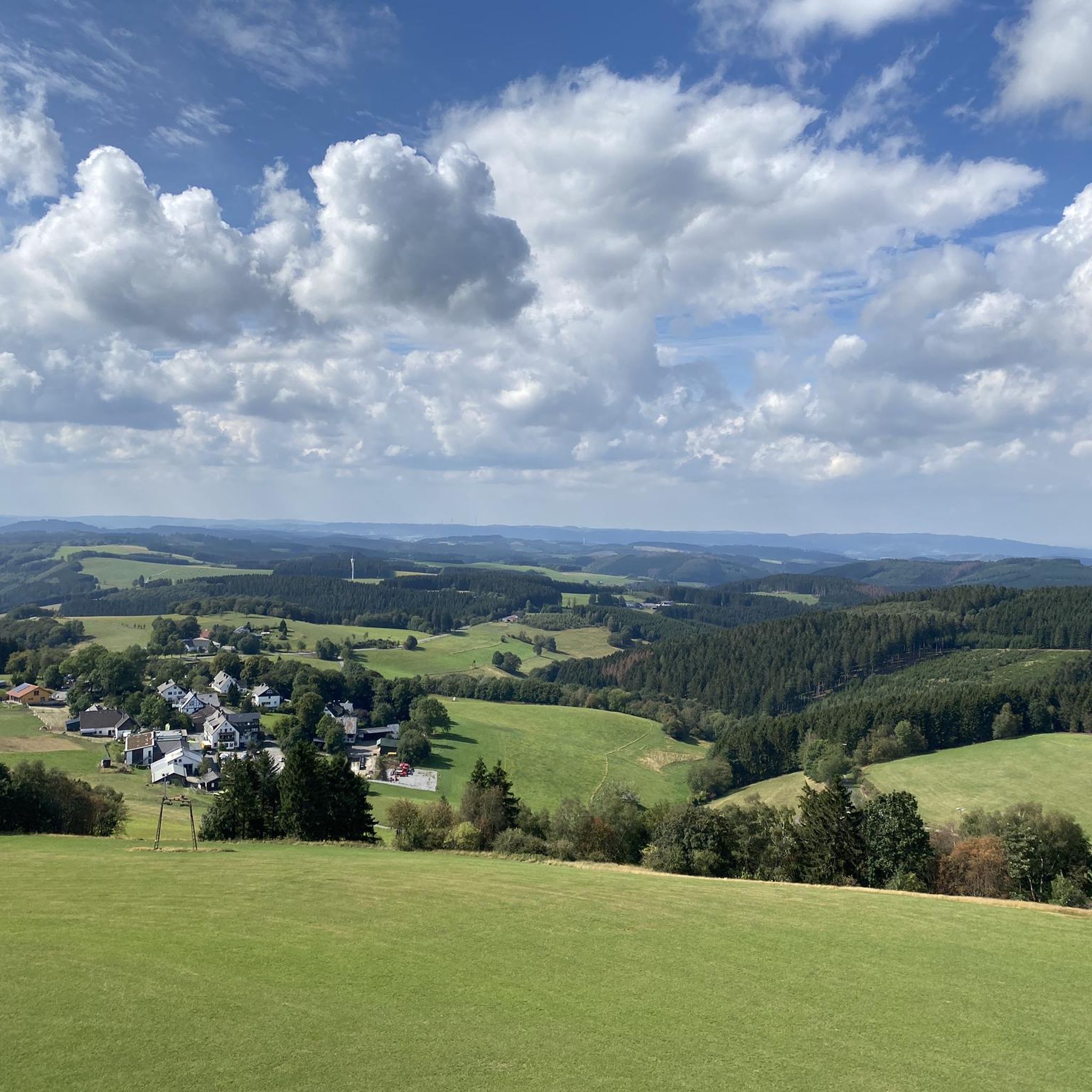
A city bathed by the Lima River, with walking trails in the area and good food.👍🥾🇵🇹
1
0
Frequently Asked Questions
How many road cycling routes are available in Vila Nova de Famalicão?
Vila Nova de Famalicão offers a wide selection of road cycling routes, with over 120 options available. These routes cater to various skill levels, from easy rides to more challenging ascents.
What is the best time of year for road cycling in Vila Nova de Famalicão?
The region is popular for cycling during June and November, but the diverse climate of the Minho region generally allows for enjoyable rides throughout much of the year. Always check local weather conditions before heading out.
What kind of terrain can I expect on road cycling routes around Vila Nova de Famalicão?
You'll find a varied landscape, including flat river banks, coastal cycle paths, and rolling hills, particularly in the picturesque Vinho Verde wine region. This mix provides diverse cycling experiences, from gentle rides to more demanding climbs.
Are there dedicated cycle paths or ecopistas for road cycling in the area?
Yes, the region features excellent ecopistas, such as the Ecopista Linha da Póvoa. This stunning path follows an old railway route, offering brand-new tarmac, minimal incline, and scenic views away from car traffic. It's ideal for smooth and enjoyable rides, winding alongside a river, through trees, fields, and charming walkways. You can explore sections like the Famalicão–Póvoa de Varzim Cycle Path or the Póvoa de Varzim–Vila Nova de Famalicão Cycle Path.
Are there options for less experienced road cyclists?
Absolutely. There are 17 easy road cycling routes around Vila Nova de Famalicão, perfect for beginners or those looking for a relaxed ride. These routes typically feature less elevation gain and shorter distances, allowing you to enjoy the scenery at a comfortable pace.
Are there challenging routes for experienced road cyclists?
For experienced cyclists seeking a challenge, Vila Nova de Famalicão offers 36 difficult routes. These often include significant elevation gains and longer distances, such as the demanding Paço dos Condes de Barcelos – Famalicão Cycle Path loop from Mouquim, which covers over 114 km with substantial climbing.
What do other cyclists say about road cycling in Vila Nova de Famalicão?
The road cycling routes in Vila Nova de Famalicão are highly rated by the komoot community, with an average score of 4.4 stars from over 20 reviews. Cyclists often praise the diverse landscapes, well-maintained paths, and the variety of routes available for all skill levels.
Can I find loop routes for road cycling in the region?
Yes, many of the road cycling routes in Vila Nova de Famalicão are designed as loops, allowing you to start and finish in the same location. An example is the Roadbike loop from Mouquim, offering a convenient way to explore the countryside.
Are there scenic viewpoints or landmarks along the road cycling routes?
The region is rich in scenic beauty and historical sites. You can cycle through verdant hills with stunning views, past vineyards in the Vinho Verde region, and near historical points like ancient 'Castros' such as Castro da Ermida. The routes also pass through charming countryside dotted with traditional Portuguese villages.
Are there any family-friendly road cycling routes in Vila Nova de Famalicão?
While road cycling generally requires some experience, the region's ecopistas, like sections of the Ecopista Linha da Póvoa, offer relatively flat and car-free environments that can be suitable for families with older children or those comfortable with longer distances on paved surfaces. For very young children, dedicated urban parks like Parque da Devesa might be more appropriate for short rides.
Are there routes that pass by historical or cultural points of interest?
Yes, several routes offer glimpses into the region's history. For instance, you can find loops that incorporate notable landmarks such as the Church of São Pedro de Rates, a Romanesque church with surviving 12th-century sculptures. The Igreja Matriz de Lamas – Church of St Peter, Lomar loop from Vila Nova de Famalicão is one such route that explores local surroundings with historical context.
What are some popular moderate road cycling routes in the area?
Vila Nova de Famalicão has 75 moderate road cycling routes. A popular choice is the Church of St Peter, Lomar loop from Famalicão, which offers a scenic journey through varied terrain, perfect for cyclists looking for a balanced challenge.
Most popular attractions around Vila Nova De Famalicão

Get inspired with the komoot mobile app


Explore more
Browse the best Road cycling routes in other regions.
