The best walks and hikes around Bragança (Sé)
4.2
(76)
276
hikers
14
hikes
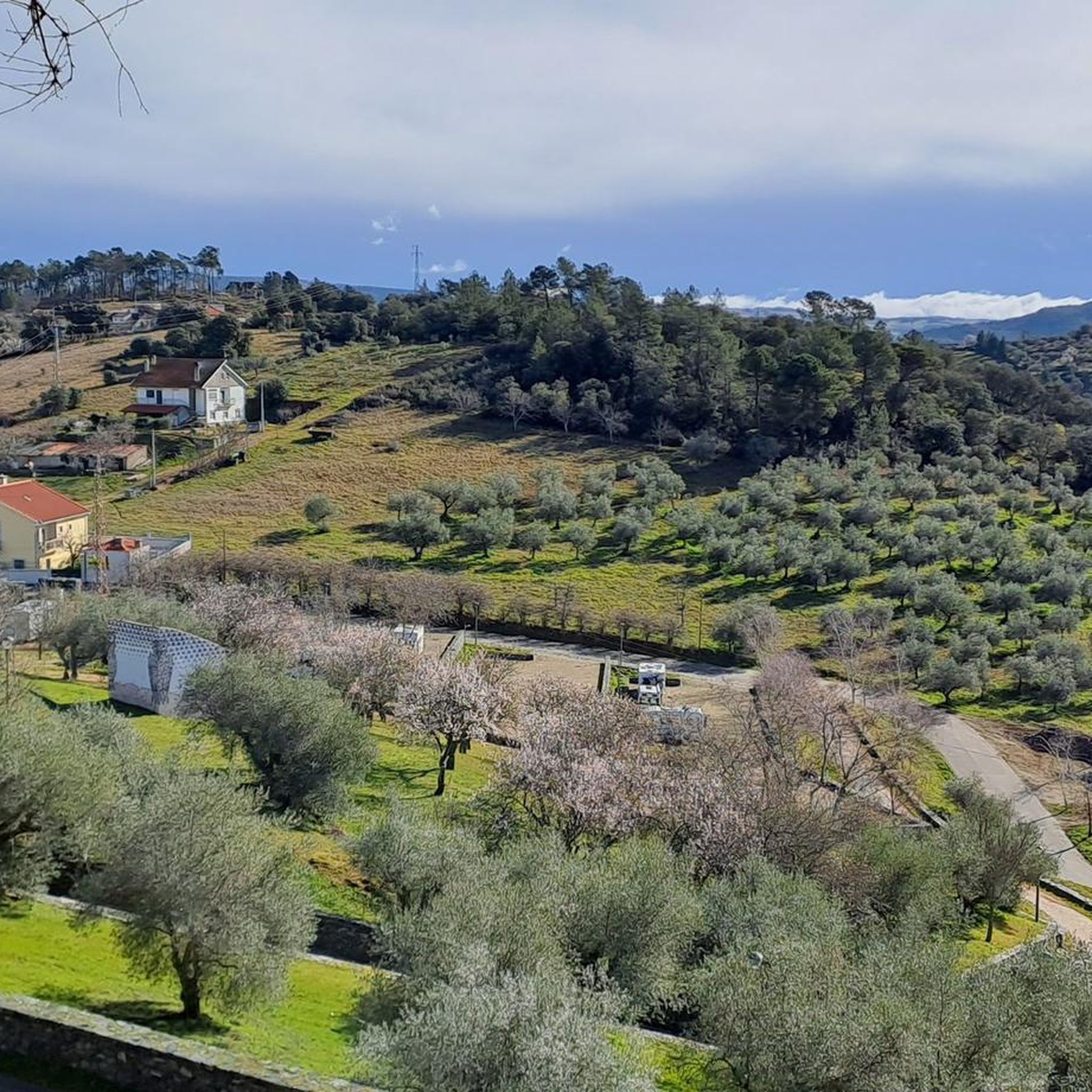
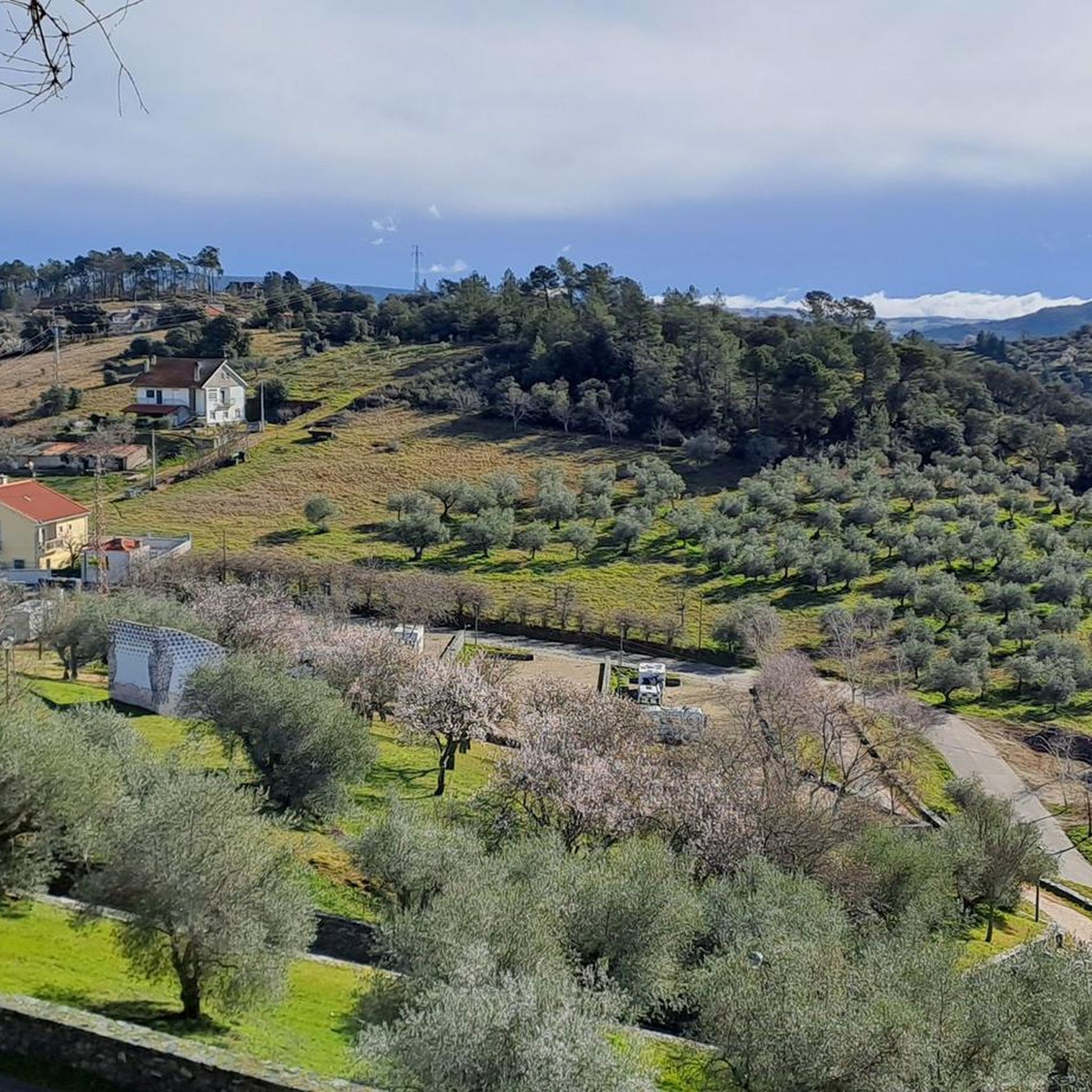
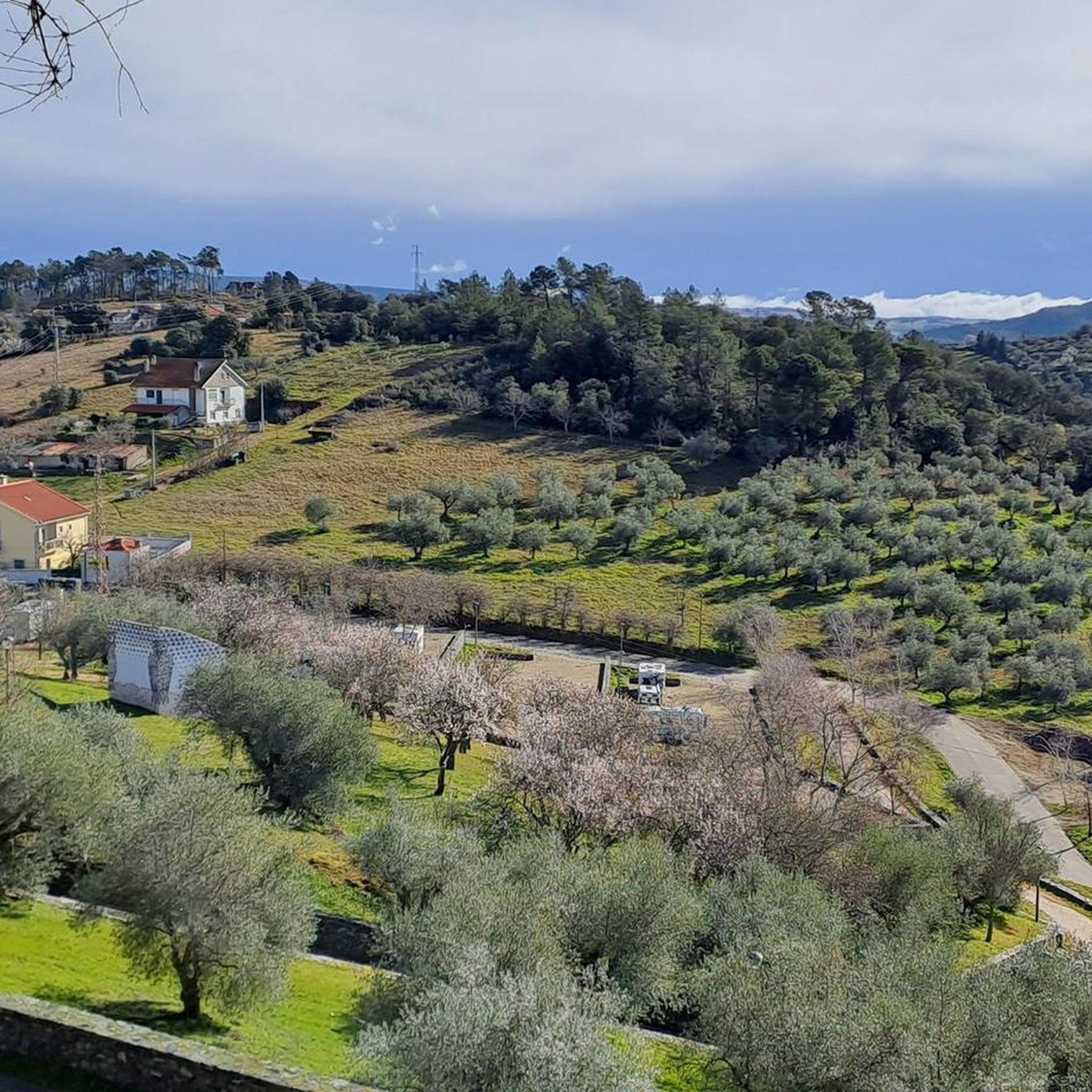
Hiking trails around Bragança (Sé) are primarily found within the Montesinho Natural Park, a vast protected area characterized by diverse ecosystems. The region features ancient oak forests, river valleys, and heather-clad hills, with geological formations of slate and granite. Elevated areas like the Serra da Coroa offer panoramic views, while crystal-clear streams and rivers flow through the valleys. The landscape also includes rounded rocky outcrops and erratic boulders, providing varied terrain for hikers.
Best hiking trails around Bragança (Sé)
- The…
Last updated: May 21, 2026
3.7
(24)
50
hikers
4.44km
01:16
110m
110m
Easy hike. Great for any fitness level. Easily-accessible paths. Suitable for all skill levels.
4.7
(7)
16
hikers
13.8km
03:51
260m
260m
Moderate hike. Good fitness required. Easily-accessible paths. Suitable for all skill levels.

Sign up for free
4.2
(6)
16
hikers
7.13km
02:02
170m
170m
Moderate hike. Good fitness required. Easily-accessible paths. Suitable for all skill levels.
4.0
(1)
9
hikers
Moderate hike. Good fitness required. Easily-accessible paths. Suitable for all skill levels.
3
hikers
10.8km
03:09
270m
270m
Hard hike. Good fitness required. Sure-footedness, sturdy shoes and alpine experience required.
Get access to more routes and recommendations from other explorers.
Sign up for free
Already have an account?
Our route recommendations are based on thousands of hikes, rides, and runs completed by other people on komoot.
Start today with a free account
Your next adventure awaits.
Login or Signup

Tips from the Community

The Fervença Urban Park Mill (Green Corridor) is a picture-postcard setting: Worth seeing for the scenery. The mill has been restored and is part of the "Green Corridor," a path with wooden walkways that follows the Fervença River. The combination of the old stone structure with nature and the flowing water creates a very photogenic and relaxing setting, even within the city. It's the highlight of an easy, flat walk, ideal for families or for disconnecting from the urban environment without having to leave Bragança. From here, you have unique angles to see the Castle high above.
1
0
The Church of St. John the Baptist, better known as the Old Cathedral of Bragança, is, for many visitors, the "true" religious soul of the city. While the New Cathedral is modern and functional, the Old Cathedral breathes history and art. It's worth visiting for 4 main reasons: 1. The Hidden Treasure Inside (The Golden "Wow") From the outside, the facade is relatively sober and simple. Those passing by in the square can't imagine the richness that lies inside. Gilded Woodcarving: As soon as you enter, you are struck by the brilliance of the Baroque altars. The main altar is impressive, but the side altars are also incredibly rich in 18th-century gilded woodcarving. The Sacristy Ceiling: This is a secret that many tourists miss. If you manage to peek into the sacristy, look at the ceiling: it has oil paintings encased in wood that tell the life of St. Ignatius of Loyola. It's an art gallery on the ceiling. 2. The Jesuit Heritage (Living History) This church was not originally a cathedral. It was part of a Jesuit College founded in the 16th century. This explains the structure and art focused on visual catechesis. It only became a "Sé" (Cathedral) in 1764, when the bishop moved from Miranda do Douro to Bragança, "borrowing" this Jesuit church to be his seat. 3. The Cloister of Peace Next to the main nave, there is a very beautiful and tranquil Renaissance cloister. It is a space of silence in the middle of the city, with stone arcades and an interior garden that invites a pause. It is one of the most photogenic cloisters in Bragança. 4. Strategic Location It is located in Praça da Sé, the heart of the lower part of the city. It is the ideal stopping point before or after climbing to the Castle. Right across the street is the city's Gothic pillory, allowing you to see two monuments in one place. Visiting tip: After seeing the Old Cathedral, take a look at the surrounding buildings in the Cathedral Square; many of them have cafes with terraces where you can sample local sweets (such as the "pitos" of Santa Luzia) with a view of the church.
2
0
The Domus Municipalis of Bragança is one of those unparalleled treasures. It's worth visiting not only because it's a national monument, but because it's a true relic: the only example of Romanesque civil architecture in the entire Iberian Peninsula. If you enjoy history or architecture, you'll quickly understand why this building is so special: 1. An Architectural Rarity (Unique Form) While most Romanesque buildings that have survived to this day are churches or monasteries, this is a civil (non-religious) building. Even more curious is its shape: an irregular pentagon. This is not something you see every day in medieval architecture. 2. The Mysterious Dual Function Upon entering, you'll realize that the building is "two in one". This clever engineering tells a story of the city's survival: The Lower Floor (The Cistern): The building's base is a huge vaulted cistern that collected rainwater and spring water. Since Bragança (and its Citadel) is located on a hill, water was a scarce and vital resource for resisting military sieges. The Upper Floor (The "Town Hall"): Above the cistern, there is a large room with windows all around (letting in plenty of light and air). It is believed that this was where the "good men" of the council met to discuss city affairs. Imagine a medieval town hall, outdoors but covered. 3. Details Not to Be Missed The Light and the Views: As it is an open space with a gallery of arched windows all around, the light enters in a very special way, creating a photogenic environment and allowing you to see the Citadel from various angles. The Modillions (Corners): If you look closely at the cornice (the top of the walls, both inside and out), you'll see small stone sculptures called modillions or corbels. They have curious shapes, ranging from human faces to animals and geometric figures, typical of medieval imagery. It's a quick visit (you can see it in 15-20 minutes), it's free (usually), and it's literally next to the Church of Santa Maria and the Castle. In other words, there's no reason not to go in!
0
0
It's interesting and unusual to find yourself in that place.
1
0
Bragança Castle, located in northeastern Portugal, is one of the most impressive and well-preserved medieval castles in the country. Keep: At 33 meters high, it is one of the most imposing in Portugal. Inside, it houses the Bragança Military Museum, where you can see a vast collection of light weaponry, from the 12th century to the First World War. From the top of the tower, there is a breathtaking view over the old city, the new part of Bragança, and the surrounding mountains (Montesinho, Sanábria). The Princess Tower is an old residential outbuilding (Alcáçova Tower) famous for a tragic love legend. In the citadel, you can stroll through the streets within the walls, where the medieval atmosphere remains almost intact.
3
0
The Church of Santa Maria, also known as the Church of Our Lady of Sardão, is considered the oldest church in Bragança and is a must-see for anyone visiting the Citadel. Located within the walls, it is in a privileged setting, right next to the famous Domus Municipalis and a few steps from the castle's Keep. Baroque Facade: The entrance stands out for its beautiful portal flanked by two Solomonic (twisted) columns decorated with vines and bunches of grapes, a detail much praised by visitors. Pay particular attention to: The Painted Ceiling: Upon entering, look up. The ceiling of the central nave features a perspective painting (trompe-l'œil) representing the Assumption of the Virgin, full of vibrant colors. It is, without a doubt, the "wow" element of the interior. High Altar: Dedicated to Saint Mary Magdalene, with a 17th-century image. Also note the Figueiredos Chapel, rich in gilded woodcarving.
0
0


Iberian Museum of Masks and Costumes Rua D. Fernão "O Bravo", 24/26 5300-025 Bragança tel. (351) 273 381 008 museu.iberico@cm-braganca.pt Open from Tuesday to Sunday 09:00 - 13:00 | 14:00 - 17:00 Closed on Mondays (except Carnival Monday) Closed annually on: 1 January, 1 May, Easter Sunday, 22 August and 25 December
4
0
Frequently Asked Questions
How many hiking trails are available around Bragança (Sé)?
There are over 10 hiking trails around Bragança (Sé), primarily located within the Montesinho Natural Park. These routes offer diverse experiences, from leisurely strolls to more challenging treks through varied landscapes.
Are there easy hiking options suitable for beginners or families?
Yes, Bragança (Sé) offers several easy hiking options. For instance, the Castanheiro Orchard – Gondesende loop from Gondesende is an easy 2.8-mile (4.4 km) trail that winds through rural landscapes and is suitable for a relaxed outing. The region's diverse terrain includes gentle paths through traditional villages and along river valleys.
What kind of landscapes can I expect to see while hiking in Bragança (Sé)?
Hikers in Bragança (Sé) will encounter a rich variety of landscapes within the Montesinho Natural Park. These include ancient oak forests, lush wet grass plains, river valleys with crystal-clear streams, and heather-clad hills. You'll also see unique geological features like slate and granite formations, rounded rocky outcrops, and erratic boulders, especially on trails like PR3 Porto Furado.
Are there any circular walks available in the Bragança (Sé) area?
Yes, many routes in the region are circular, allowing you to start and end in the same location. An example is the Gondesende Coat of Arms – Oleiros Village loop from Gondesende, a moderate 8.6-mile (13.8 km) path connecting traditional villages. Another is the Oleiros Village – Castanheiro Orchard loop from Gondesende, which is 4.4 miles (7.1 km) long.
What are some interesting historical sites or natural attractions to see along the trails?
The Bragança (Sé) area is rich in attractions. You can explore historical sites like the Bragança Castle and the Domus Municipalis de Bragança, which are featured on routes such as the Bragança Castle – Domus Municipalis de Bragança loop from Catedral de Bragança. Natural attractions include the European chestnut (Castanea sativa) and picturesque river settings with weirs and natural river beaches.
Is Bragança (Sé) a good destination for birdwatching or wildlife spotting?
Absolutely. The Montesinho Natural Park is an ideal habitat for diverse wildlife, including over 150 different bird species, making it excellent for birdwatching. You might also spot elusive Iberian wolves, wild boars, foxes, bucks, and deer. Trails along rivers like the Rio Maçãs/Rio Manzanas offer opportunities to see water fowl and otters.
What is the best time of year to go hiking in Bragança (Sé)?
The region offers pleasant hiking conditions for much of the year. Spring and autumn provide mild temperatures and vibrant natural colors. Summer benefits from invigorating breezes, especially in the higher elevations of the Montesinho and Serra da Coroa mountain ranges, making it comfortable for hiking. Winter can be colder but offers a unique, serene experience.
Are there any traditional villages to visit near the hiking routes?
Yes, the Montesinho Natural Park is dotted with 88 charming traditional villages, many retaining their original character with stone houses and slate roofs. Villages like Montesinho itself (at 1020m altitude) and Rio de Onor, known for its preserved schist houses, serve as excellent starting points for hikes and offer a glimpse into local culture.
What do other hikers say about the trails in Bragança (Sé)?
The hiking routes in Bragança (Sé) are highly rated by the komoot community, with an average score of 4.2 stars from over 70 reviews. Hikers often praise the diverse ecosystems, the peaceful river valleys, and the charm of the traditional villages encountered along the paths.
Are dogs allowed on the hiking trails in Bragança (Sé)?
Generally, dogs are welcome on hiking trails within the Montesinho Natural Park, provided they are kept on a leash to protect wildlife and ensure the comfort of other hikers. It's always a good idea to check specific trail regulations if available, but most natural park trails are dog-friendly.
Where can I find amenities like cafes or restaurants near the hiking routes?
Many of the hiking routes either pass through or start from traditional villages within and around the Montesinho Natural Park. These villages, such as Montesinho or Rio de Onor, often have small cafes, restaurants, or local shops where you can find refreshments and amenities before or after your hike.
Most popular attractions around Bragança (Sé)

Get inspired with the komoot mobile app


Explore more
Browse the best Hikes in other regions.
