The best walks and hikes around Castrelos
4.3
(141)
441
hikers
14
hikes
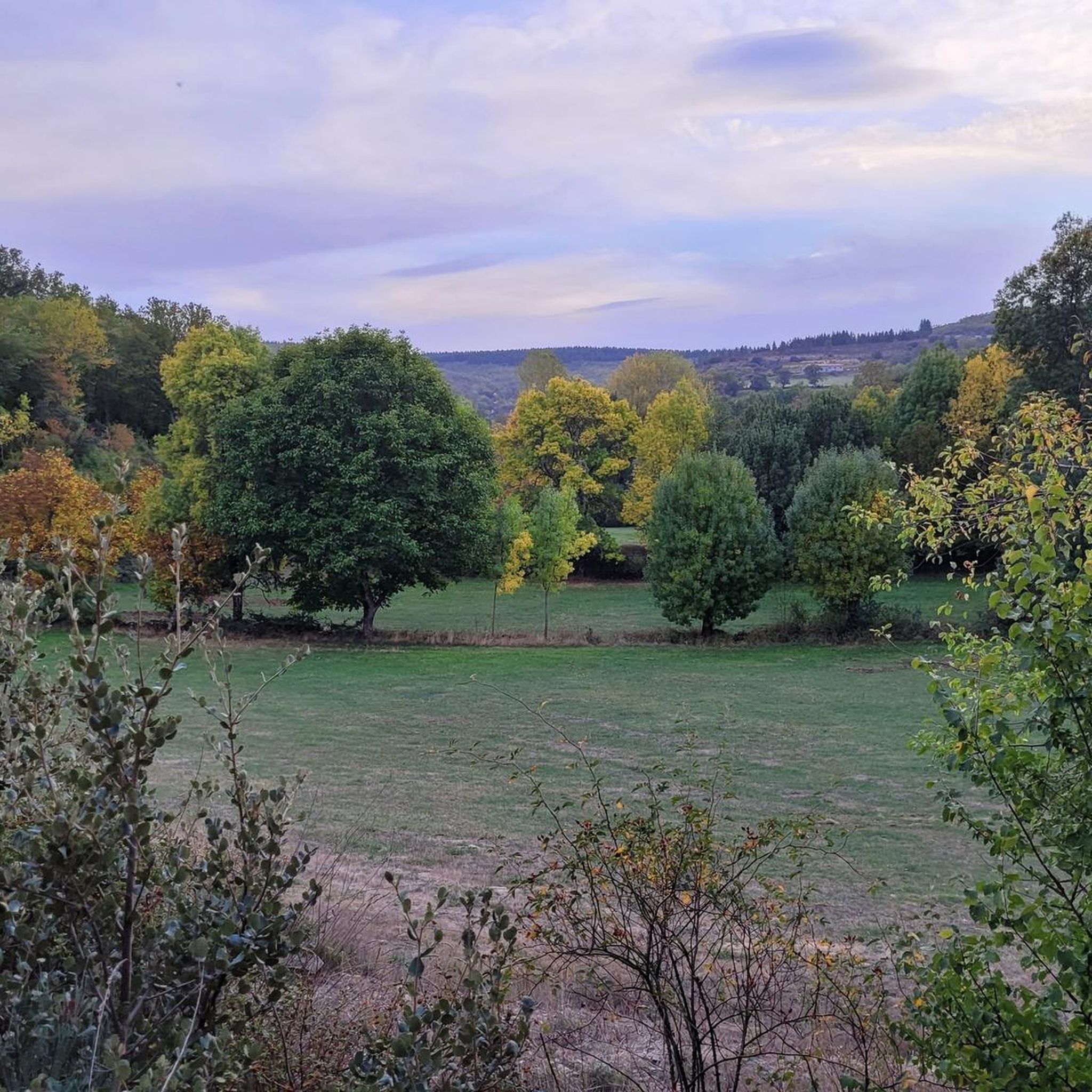
Hiking around Castrelos offers a variety of trails through a landscape characterized by rolling hills, forested areas, and water features. The region's terrain includes moderate elevation changes, making it suitable for various fitness levels. Many routes feature natural landmarks like ancient trees and dam areas, providing diverse scenery for hikers.
Best hiking trails around Castrelos
- The most popular hiking route is PR4 Ornal Trail, a 4.9 miles (7.9 km) trail that takes 2 hours 16 minutes to complete. This…
Last updated: June 20, 2026
4.2
(26)
111
hikers
7.89km
02:16
200m
190m
Moderate hike. Good fitness required. Easily-accessible paths. Suitable for all skill levels.
4.6
(30)
67
hikers
6.10km
01:41
100m
110m
Easy hike. Great for any fitness level. Easily-accessible paths. Suitable for all skill levels.

Sign up for free
4.7
(16)
57
hikers
8.30km
02:26
230m
230m
Moderate hike. Good fitness required. Easily-accessible paths. Suitable for all skill levels.
4.7
(16)
54
hikers
8.12km
02:23
230m
230m
Moderate hike. Good fitness required. Easily-accessible paths. Suitable for all skill levels.
3.7
(24)
50
hikers
4.44km
01:16
110m
110m
Easy hike. Great for any fitness level. Easily-accessible paths. Suitable for all skill levels.
Get access to more routes and recommendations from other explorers.
Sign up for free
Already have an account?
Our route recommendations are based on thousands of hikes, rides, and runs completed by other people on komoot.
Start today with a free account
Your next adventure awaits.
Login or Signup



Tips from the Community


The Vinhais Biological Park is a protected natural area and conservation center located in the municipality of Vinhais, in northern Portugal, within the Montesinho Natural Park. This park plays an important role in the conservation of local biodiversity and in the promotion of environmental education.
0
0

This is a beautiful reservoir, with calm waters where you can even spot big fish, although fishing is prohibited. On sunny days (which is almost always), the view of the lake is simply breathtaking. You can cycle along the entire western side of the lake.
0
0

Located in the heart of the Montesinho Natural Park, the Vinhais Biological Park invites you to discover the local landscape in all its forms, from fauna and flora to geology, culture and history. A space dedicated to conservation, biodiversity and ecotourism.
1
0
At this point, the trail invites you to embark on a little adventure: crossing the bed of a stream on the Baceiro River. When the rain lets up, the crossing is easy. And with a touch of excitement!
1
0
Along the Baceiro River, three community-run mills still stand, two in Vilarinho and one in Cova de Lua. This is one of them, a living relic of local ingenuity, which uses the power of water to grind grain and tell stories of a time when sharing and ingenuity went hand in hand.
2
0

Considered the “bread tree” in the regions north of the Tagus, the chestnut tree was the staple food before the arrival of the potato and the main source of carbohydrates in the north of the Iberian Peninsula. This deciduous tree can grow up to 30 to 35 metres in height and reach diameters of up to 12 metres, although the trunk becomes hollow as the tree ages. It is very long-lived and can live for over a thousand years. The European chestnut tree (Castanea sativa Miller) belongs to the Castanea genus and the Fagaceae family, the same family that includes cork oaks and oaks in general. The genus includes 12 to 13 species, five of which are of Asian origin and seven of which are North American. The common chestnut tree is the only one native to Europe. This is a tree that managed to survive the last glacial period (Würms glaciation) in some parts of central and Mediterranean Europe and is currently found all over the world, including North and South America and Australia. Several studies indicate that the natural distribution of the European chestnut tree corresponds to these refuge zones, where it remained during the glacial events. These areas later served as starting points for the colonization of other regions, before humanity dedicated itself to cultivating the species. One of these refuges is located in the Picos de Europa region and another between the south of Galicia and the north of Portugal, which is why the chestnut tree is considered an indigenous or native species of our country. The chestnut tree grows well in temperate climates and the ideal conditions for its development are found in places with average temperature and humidity, where rainfall reaches at least 600 mm per year – more than 100 mm in the summer. It is, however, sensitive to late frosts and very low temperatures. It prefers soils at least 50 cm deep, loose and rich in nutrients, slightly acidic (pH between 4.5 and 6.5) and not calcareous. Although it can grow in less suitable conditions, it develops and produces best in coastal or mountainous areas, at medium altitude, with hot and humid summers and mild winters.
2
0
Frequently Asked Questions
How many hiking trails are there in Castrelos?
Castrelos offers a diverse network of over 10 hiking trails. These routes vary in difficulty, with options for easy strolls, moderate treks, and a few more challenging paths, ensuring there's something for every hiker.
Are there easy hiking trails suitable for beginners in Castrelos?
Yes, Castrelos has several easy hiking trails perfect for beginners or those looking for a relaxed walk. The Prada Dam Trail is a great option, offering gentle terrain and scenic views of the water. Another easy choice is the Castanheiro Orchard – Gondesende loop from Gondesende.
What kind of scenery can I expect on Castrelos hiking trails?
Hiking in Castrelos takes you through a landscape of rolling hills, dense forested areas, and picturesque water features. Many trails feature natural landmarks such as ancient trees and dam areas, providing varied and engaging scenery throughout your hike.
Are there any circular walks in Castrelos?
Yes, Castrelos offers several circular routes. A popular choice is the Ancient Sweet Chestnut Trees loop from Praia Fluvial de Fresulfe, which guides you through historic chestnut groves. Another similar option is the Ancient Sweet Chestnut Trees loop from Dine.
What attractions or landmarks can I see near the hiking trails?
Around Castrelos, hikers can explore various points of interest. You might encounter the impressive Bragança Castle, the historic Domus Municipalis de Bragança, or the charming Old Mill. Nature lovers can also visit the Biological Park of Vinhais or enjoy views of the Albufeira de Prada.
Are the hiking trails in Castrelos suitable for families with children?
Many of Castrelos's trails are suitable for families, particularly the easy-rated routes. These paths often have less elevation gain and are shorter in duration, making them enjoyable for all ages. The Prada Dam Trail is a good example of a family-friendly option.
Can I bring my dog on the hiking trails in Castrelos?
Generally, dogs are welcome on many hiking trails in Castrelos. However, it's always recommended to keep your dog on a leash, especially in areas with wildlife or near agricultural land, and to check for specific local regulations or signage on individual routes.
What do other hikers say about the trails in Castrelos?
The hiking routes in Castrelos are highly regarded by the komoot community, holding an average rating of 4.2 out of 5 stars from over 100 reviews. Hikers frequently praise the region's varied terrain, the tranquility of the forest paths, and the well-maintained trails.
What is the best time of year to hike in Castrelos?
The best time to hike in Castrelos is typically during spring and autumn when the weather is mild and the natural scenery is at its most vibrant. Spring brings blooming flora, while autumn offers beautiful foliage. Summer can also be pleasant, especially in forested areas, but it's advisable to start early to avoid the midday heat.
Are there any hikes with good viewpoints in Castrelos?
Yes, several trails in Castrelos offer rewarding viewpoints. The region's rolling hills provide natural vantage points, and you can find specific spots like the View of the Hills in Montesinho Natural Park that offer expansive vistas of the surrounding landscape.
Is there parking available near the trailheads in Castrelos?
Parking availability varies by trailhead. Many popular starting points, especially those near villages or recreational areas like Praia Fluvial de Fresulfe, typically have designated parking spaces. It's advisable to check specific route details on komoot for parking information before you set out.
Are there any cafes or amenities near the hiking trails?
While some trails might pass through or near small villages where you can find local cafes or shops, many routes in Castrelos traverse natural, undeveloped areas. It's recommended to carry sufficient water and snacks, especially on longer hikes, and plan your stops for amenities in advance.
Most popular attractions around Castrelos

Get inspired with the komoot mobile app


Explore more
Browse the best Hikes in other regions.
