Attractions and Places To See around Carrazeda De Ansiães - Top 11
Best attractions and places to see around Carrazeda De Ansiães include historical landmarks, natural features, and cultural sites. This municipality is situated between the Douro River and the Tua Valley, offering diverse landscapes characterized by river valleys and the Carrazeda Plateau. Visitors can explore ancient castles, numerous viewpoints, and cultural centers that highlight the region's heritage and natural beauty. The area holds historical significance, with evidence of human occupation spanning millennia.
Best attractions and places to see around Carrazeda De…
Last updated: July 1, 2026
Olhos do Tua Viewpoint
Highlight • Viewpoint
Translated by Google •
Tip by

View of the Tua River Valley
Highlight (Segment) • Viewpoint
Translated by Google •
Tip by
Sign up now to discover places like this
Get recommendations on the best single tracks, peaks, & plenty of other exciting outdoor places.
Sign up for free
Calçada de São Lourenço Viewpoint
Highlight • Viewpoint
The road that gives it its name hides secrets from the past. Its origin and date are uncertain, …
Translated by Google •
Tip by
Largo do Pelourinho and Post Office, São Mamede de Ribatua
Highlight • Historical Site
Translated by Google •
Tip by

The Terraces of the Douro
Highlight (Segment) • Viewpoint
Translated by Google •
Tip by

Sign up for free to discover even more attractions around Carrazeda De Ansiães.
Sign up for free
Already have an account?
Start today with a free account
Your next adventure awaits.
Login or Signup
Popular around Carrazeda De Ansiães
Tips from the Community

Arrival by bus is possible, 7:45 a.m., 10:20 a.m. from Tua train station. This option returns you to the starting point. Caution: some steep descents.
1
0

The municipality's main agricultural products are liqueur and table wine, olive oil, and cork, with the famous Ribatua orange being particularly noteworthy. Also noteworthy are important cultural aspects of the performing arts, such as ancestral traditions that originally featured open-air plays in Largo do Pelourinho, and musical aspects with a bicentenary band (1799).
2
0

This viewpoint on the Tua was also built entirely of steel, so the shape we see in this viewpoint represents the keel of a boat, which provides an incredible panoramic view of the river.
3
0
This viewpoint is a tribute to Saint Lawrence and therefore the iron construction of the viewpoint reflects the silhouette of the Saint himself.
1
0

Between curves and trails, this place reveals much more than just stunning views over the Tua Valley — it is also the gateway to the Castanheiro–Ribalonga micro-reserve. Here, you will immerse yourself in an enchanted setting, where wild chestnut trees stand in serene woods that invite you to contemplate and enjoy the silence of nature.
2
0
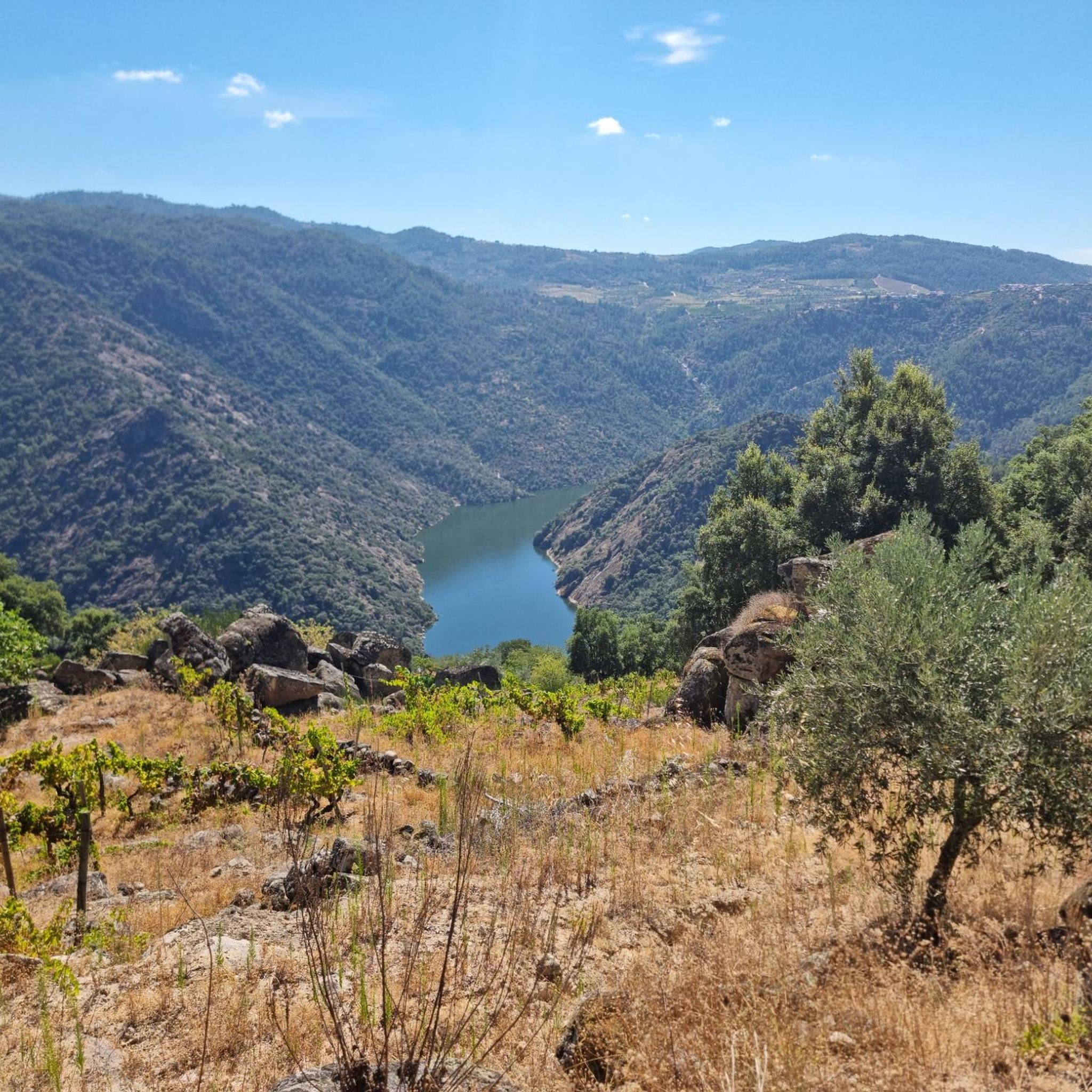
At one of the most striking points of the Senhor da Boa Morte Trail, a breathtaking view opens up before you: the deep valley and the Tua River winding down below. The vibrant green of the vegetation embraces the intense blue of the waters, creating a mesmerizing contrast and a landscape that seems hand-painted.
4
0
From this viewpoint, the Tua Valley reveals itself in all its grandeur. The road that gives it its name hides secrets from the past. Its origin and date are uncertain, but it is believed that it may have been an ancient Roman road. It would have connected the village of Pombal to the thermal baths of São Lourenço, winding through the landscape to the left bank of the Tua River. Today, all that remains is the stunning view and the echo of the stories that once took place here.
2
0
Frequently Asked Questions
What historical sites can I visit in Carrazeda de Ansiães?
The region is rich in history. You can explore the medieval Castle of Ansiães, which offers panoramic views and insights into its long history. The Historic Center of Carrazeda de Ansiães features the 18th-century Municipal Pillory and the Fonte das Sereias. Don't miss the Igreja Matriz de Carrazeda de Ansiães and the 17th-century Igreja de Santa Eufémia in Lavandeira.
Where can I learn more about the history of the Castle of Ansiães?
To delve deeper into the history of the castle and the former walled town of Ansiães, visit the CICA – Interpretive Center of the Castle of Ansiães. It houses archaeological finds from across the municipality, including one of the most complete collections of discoid steles from the medieval period.
Are there any ancient archaeological sites to explore?
Yes, you can visit the fascinating prehistoric site of Anta de Zedes, also known as Casa da Moura, which features faint traces of ochre paintings from the Neolithic era. Another dolmen, Anta de Vilarinho da Castanheira, is located near an old water mill.
What are the best viewpoints to experience the Douro and Tua Valleys?
Carrazeda de Ansiães is known for its spectacular viewpoints. Highly recommended are the Olhos do Tua Viewpoint, considered one of Portugal's most beautiful, and the View of the Tua River Valley. Other notable spots include Santuário e Miradouro da Senhora da Graça, Miradouro do Senhor da Boa Morte, and Miradouro da Rota do Douro, all offering breathtaking panoramas.
What do visitors enjoy most about the Olhos do Tua Viewpoint?
Visitors to the Olhos do Tua Viewpoint are captivated by the deep valley and the Tua River winding below. The vibrant green vegetation contrasting with the intense blue waters creates a mesmerizing, picturesque landscape. Many appreciate the unique steel structure of the viewpoint, designed to resemble a boat's keel, which enhances the panoramic experience.
What outdoor activities are available around Carrazeda de Ansiães?
The region offers various outdoor activities, especially for cycling enthusiasts. You can find numerous road cycling routes, including challenging ones like the 'Terrasses du Douro e miradouro do Ujo' or 'Castelo de Ansiães and views of Alto Douro'. For more details on routes, visit the Road Cycling Routes around Carrazeda De Ansiães guide.
Are there any unique local products or culinary experiences to try?
Carrazeda de Ansiães is celebrated for its traditional gastronomy, featuring dishes like roasted goat, artisanal sausages, and homemade bread. Be sure to try the local specialty, the 'Maçã de Montanha' (Mountain Apple). You can also visit Casa dos Cantoneiros "Foz-Tua Wine House" to sample and purchase regional wines and local products.
What cultural experiences does Carrazeda de Ansiães offer beyond historical monuments?
Beyond historical sites, you can visit the restored Moinho de Vento (Windmill) of Carrazeda de Ansiães for insights into its operation. The International Sculpture Park features twelve granite sculpture groups by renowned artists. Additionally, several local museums, such as the Rural Memory Museum and the Olive Oil Museum Centre, provide a deeper understanding of local traditions and heritage.
Are there family-friendly attractions in Carrazeda de Ansiães?
Families can enjoy exploring the Moinho de Vento (Windmill), which offers guided tours, and the International Sculpture Park. The various viewpoints, such as Olhos do Tua Viewpoint, provide accessible natural beauty. The Porta de Entrada & Centro Interpretativo do Vale do Tua is also a great starting point for understanding the region.
What is the best time of year to visit Carrazeda de Ansiães for outdoor activities?
The region's climate makes spring and autumn ideal for outdoor activities like cycling and exploring viewpoints, with pleasant temperatures and lush landscapes. Summer can be warm, perfect for enjoying the river views, while winter offers a quieter, often misty, charm, though some outdoor activities might be less comfortable.
Can I find hiking trails with historical significance?
Yes, the Calçada de São Lourenço is a trail believed to be an ancient Roman road. It winds along the hillside towards old thermal baths and a disused railway station, offering both natural beauty and a glimpse into the past.
What are some lesser-known places to visit in the region?
Consider visiting the village of Arnozelo, a small settlement in the Upper Douro wine-growing region, offering a glimpse into rural life and scenic beauty. The Ribeiro do Coito Molinological Complex and the Telha Museum Centre are also unique, specialized museums that offer a deeper dive into local crafts and history.
Most popular routes around Carrazeda De Ansiães
Most popular attractions around Carrazeda De Ansiães

Get inspired with the komoot mobile app


Explore more
Still not found the Highlight you’re looking for? See guides of the top attractions in other regions:
