Attractions and Places To See around Póvoa - Top 20
Best attractions and places to see around Póvoa include a blend of historical sites and scenic viewpoints. The region offers opportunities to explore ancient structures and enjoy panoramic vistas. Visitors can discover landmarks that reflect the area's heritage and natural beauty. This area provides a variety of experiences for those interested in history and landscapes.
Best attractions and places to see around Póvoa
- The most popular attractions is Yellow Rock Viewpoint, a viewpoint offering wide panoramic views. It provides…
Last updated: July 1, 2026
The ruin
Highlight • Castle
Translated by Google •
Tip by

The monastery
Highlight • Religious Site
Translated by Google •
Tip by

Sign up now to discover places like this
Get recommendations on the best single tracks, peaks, & plenty of other exciting outdoor places.
Sign up for free
Yellow Rock Viewpoint
Highlight • Viewpoint
It offers wide panoramic views of the Douro River surrounded …
Translated by Google •
Tip by
Castro de Vale da Águia Picnic Park
Highlight • Rest Area
Translated by Google •
Tip by
São João das Arribas Viewpoint
Highlight • Viewpoint
Translated by Google •
Tip by
Sign up for free to discover even more attractions around Póvoa.
Sign up for free
Already have an account?
Start today with a free account
Your next adventure awaits.
Login or Signup
Tips from the Community

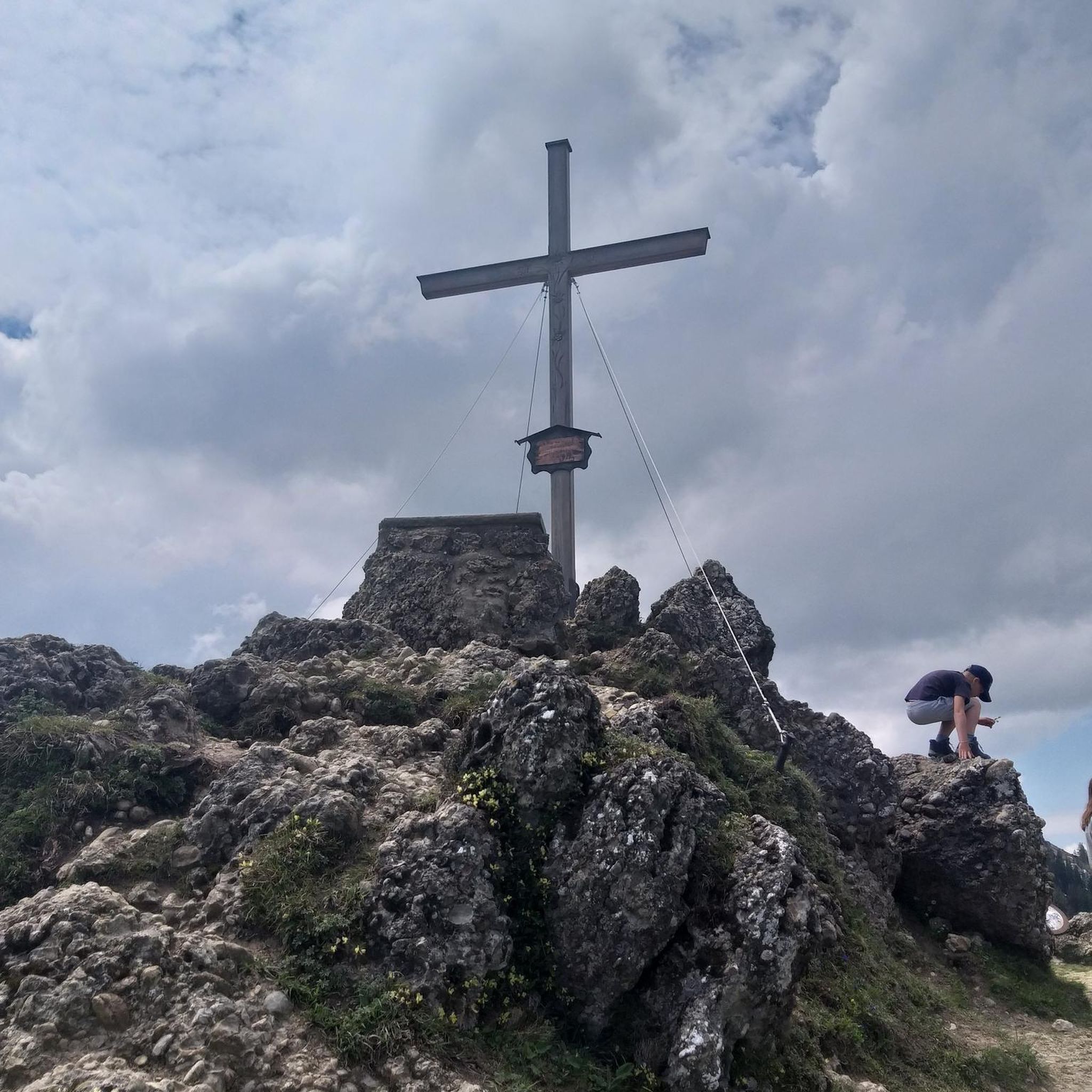
Mirador do Penedo Amarelo. It is located on Rua do Penedo Amarelo, in the urban area of Miranda do Douro. It offers wide panoramic views of the Douro River surrounded by green hills, the dam, the historic center and the co-cathedral of Miranda do Douro. It is one of the most outstanding urban viewpoints in the area.
3
0

The first bishops of Miranda had to live in the Castle. It was only in 1601 that construction began on the Episcopal Palace and the Seminary. When it was completed, more than a century later, its opulence was no less than that of the Cathedral, whose Renaissance style it imitated. The Palace was built around a central courtyard, surrounded by a cloister with lowered arcades, on monolithic columns. And, although badly damaged by successive fires during the 17th and 18th centuries, it was the definitive transfer of the seat of the Diocese to Bragança, in 1780, that caused it to fall into rapid ruin. The shadow of its monumentality can still be seen today in the cloister and on the portico of the Seminary. However, despite its state of ruin, its symbolic power remains because the bishops always continued to engrave their names on the respective memorial, at the entrance to the Renaissance portico of the first Episcopal Palace of the Diocese.
2
1
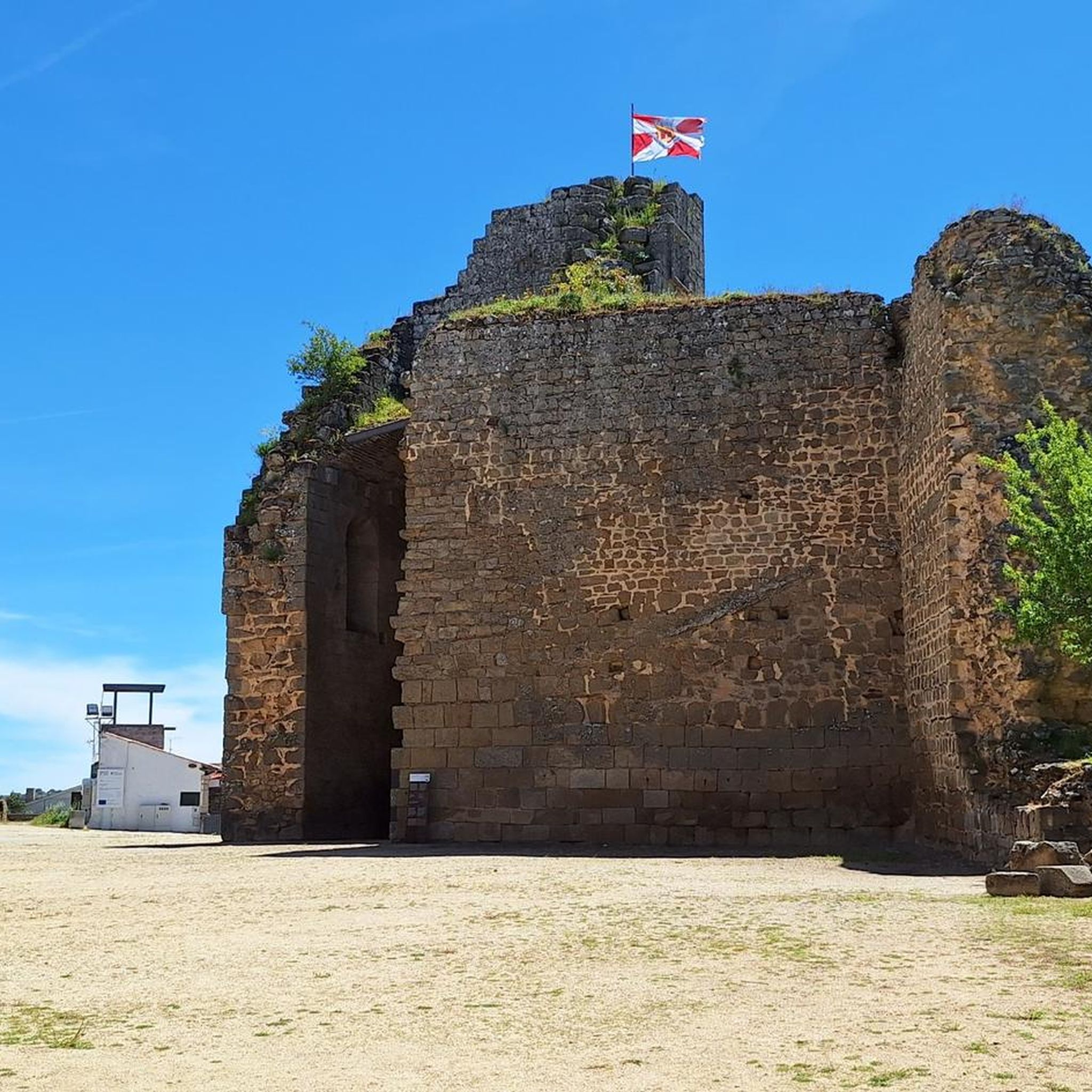
The castle of Miranda do Douro was built during a second period of settlement and ordering in Trás-os-Montes, which occurred during the reign of King Dinis. The first kings had provided this vast region with administrative units protected by Romanesque castles, called Terras, whose mission was to establish royal authority in an area of the kingdom that was notoriously peripheral. Over time, this power structure proved to be inadequate and King Afonso III initiated a different policy, the most visible of which was the founding of new urban towns. In the territory of Miranda do Douro, the new town was founded by King Dinis in 1286, thus culminating in the transfer of power from the old castle of Algoso, which had been the capital of the land until that date.
1
1

This beautiful viewpoint is located in the urban centre of Miranda do Douro, at the end of the street closest to the river, specifically on the street of the same name.
0
1
This viewpoint over the Duero and its cliffs is very close to the town of Aldeia Nova. From the centre of the town you have to descend about 2 km until you reach the hermitage and the viewpoint. If you arrive by car, you can leave it at the exit of the town and you will only have to walk 1 km to reach the viewpoint.
0
0
The Episcopal Palace, where the Bishop of Miranda do Douro resided, was once an imposing construction. Today, only the arches of the old cloister remain, which have been integrated into a garden area ideal for strolling and relaxing. The Co-Cathedral, also known as the Sé de Miranda do Douro, was built in the 16th century and served as a cathedral until 1780, when the episcopal seat was moved to Braganza. This building stands out for its Renaissance architecture and its impressive Baroque altarpiece. It also houses a locally beloved figure, the Menino Jesus da Cartolinha.
10
0
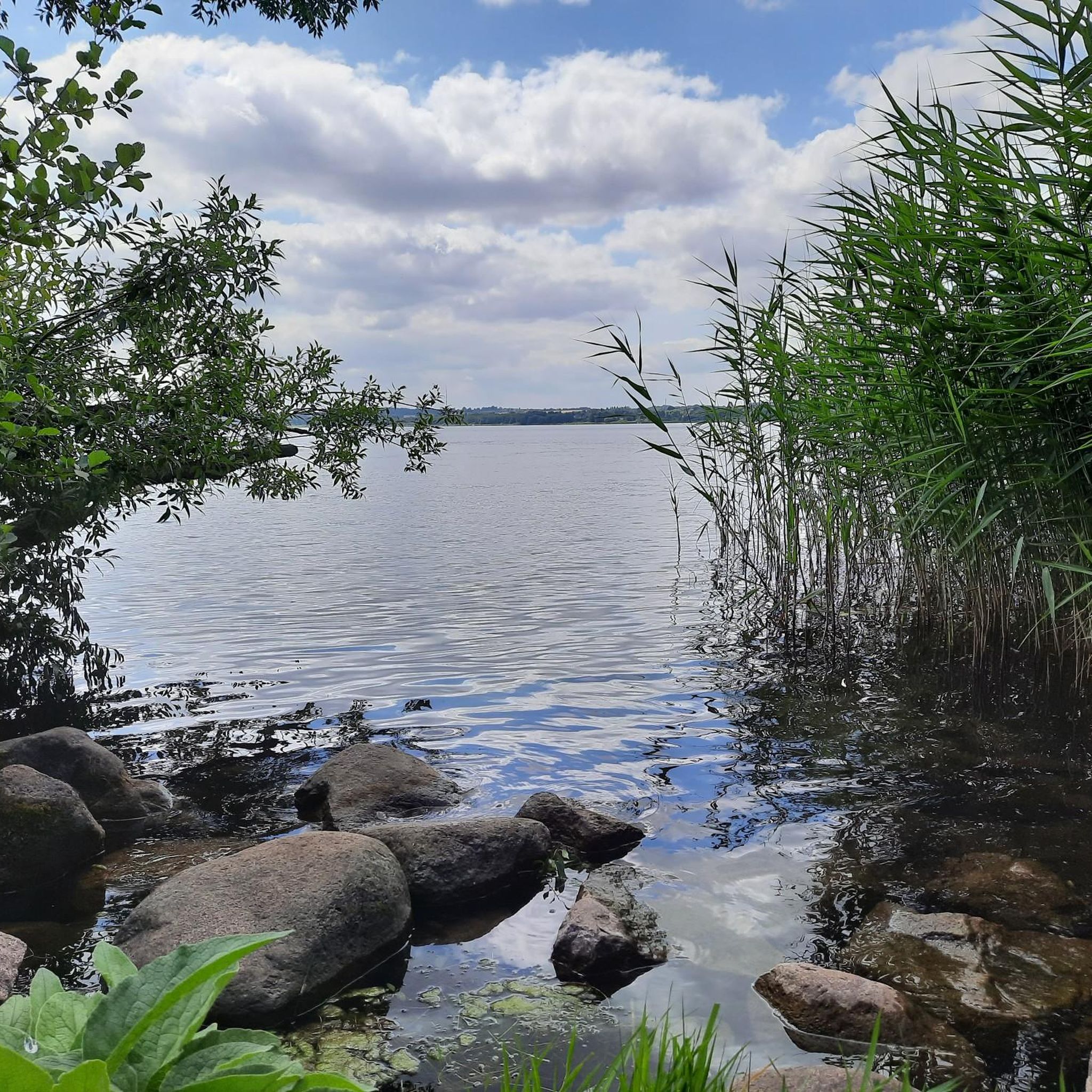
The Miradouro da Capela de São João das Arribas is located in the Douro International Natural Park, near the Aldeia Nova. This viewpoint offers stunning views of the Douro River and the rugged rock formations that surround it.
8
0
The Miradouro da Capela de São João das Arribas is located in the Douro International Natural Park, near the Aldeia Nova. This viewpoint offers stunning views of the Douro River and the rugged rock formations that surround it.
9
0
Frequently Asked Questions
What historical sites can I explore around Póvoa de Varzim?
Póvoa de Varzim offers a rich historical tapestry. You can visit the ancient The ruin, a castle built in 1287, or explore the impressive The monastery, an imposing construction with a rich history. Other notable sites include the Fortaleza de Nossa Senhora da Conceição, a 17th-century fortress, and the Ethnography and History Museum of Póvoa de Varzim, which showcases maritime history and Roman archaeological finds. Inland, the Romanesque Igreja de São Pedro de Rates and the ancient Bronze Age settlement of Cividade de Terroso provide further historical depth.
Where can I find the best panoramic views in the area?
For breathtaking vistas, head to Yellow Rock Viewpoint, which offers wide panoramic views of the Douro River, surrounding green hills, and the historic center. Another stunning spot is São João das Arribas Viewpoint, located in the Douro International Natural Park, providing views of the Douro River and its rugged rock formations. Additionally, Monte de São Félix, the highest point in Póvoa de Varzim, offers fabulous panoramic views of the coast.
Are there family-friendly attractions or activities in Póvoa de Varzim?
Yes, Póvoa de Varzim has several family-friendly options. The Castro de Vale da Águia Picnic Park is a lovely place with landscaped areas, benches, and a children's playground, perfect for a day outdoors. The extensive golden sandy beaches are ideal for sunbathing and swimming, and the Póvoa de Varzim City Park offers spacious urban green space with a lake and recreational zones for all ages.
What kind of outdoor activities can I do near these attractions?
The region around Póvoa de Varzim is excellent for outdoor enthusiasts. You can enjoy various cycling routes, including moderate and difficult options like the 'View of the Douro Canyon – Yellow Rock Viewpoint loop from Miranda do Douro'. For hiking, explore trails such as the 'São João das Arribas Trail (PR1 MDR)' or easier options like 'The monastery – The ruin loop from Miranda do Douro'. You can find more details on these activities in the Cycling around Póvoa and Hiking around Póvoa guides.
Are there easy hiking trails suitable for beginners or families?
Absolutely. For easy walks, consider routes like 'The monastery – The ruin loop from Miranda do Douro' (3.5 km) or 'The ruin – The monastery loop from Miranda do Douro' (5.6 km). Another accessible option is the 'Traditional Dovecote – São João das Arribas Viewpoint loop from Castro de São João das Arribas' (2.4 km). These trails are great for those looking for less strenuous outdoor experiences. More easy hikes can be found in the Easy hikes around Póvoa guide.
What are the main natural features to see in Póvoa de Varzim?
Póvoa de Varzim is known for its beautiful natural landscapes. The city boasts over 12 km of extensive golden sandy beaches, many with Blue Flag status. The Póvoa de Varzim City Park offers a spacious urban green area with a 2-hectare lake and diverse wildlife. Further afield, the Litoral Norte Natural Park provides opportunities for hiking and wildlife observation, and the Monte de São Félix offers stunning coastal views.
What cultural landmarks are prominent in the city center?
In the city center, you can explore the historic streets adorned with traditional Portuguese façades and azulejos. Praça do Almada is the civic heart, featuring the 19th-century Câmara Municipal (Town Hall) and a Manueline Pelourinho. The Igreja de Nossa Senhora das Dores stands out with its striking Baroque architecture. The Garrett Theatre, dating back to 1873, is a testament to the city's rich theatrical culture.
Where can I experience the local fishing heritage?
Póvoa de Varzim has deep ties to its fishing heritage. The Chapel of São Pedro, perched on a hill, offers panoramic ocean views and is central to local fishing festivities. The Ethnography and History Museum of Póvoa de Varzim has a strong maritime theme, displaying traditional vessels. Along Avenida dos Banhos, you'll find the Painéis de Azulejos, an open-air gallery depicting the town's fishing history and local legends.
What is the best time of year to visit Póvoa de Varzim for outdoor activities?
Póvoa de Varzim, being a coastal city in Northern Portugal, generally enjoys pleasant weather for outdoor activities from spring through early autumn (April to October). During these months, temperatures are mild to warm, and there's less rainfall, making it ideal for hiking, cycling, and enjoying the beaches. The summer months (July and August) are warmest and best for beach activities, while spring and autumn offer comfortable temperatures for exploring trails and historical sites.
Are there any unique or 'hidden gem' outdoor spots?
While not entirely hidden, the quieter, more rugged beaches north of the city center offer a different, more serene coastal experience compared to the central bustling beaches. The Monte de São Félix, beyond its views, also features windmills and a Monument to the Emigrant, providing a unique blend of nature and cultural tribute. Exploring the Coastal Trail also allows you to discover less frequented natural beauty.
What do visitors particularly enjoy about the attractions around Póvoa?
Visitors frequently appreciate the stunning panoramic views from spots like Yellow Rock Viewpoint and São João das Arribas Viewpoint, often noting the spectacular vistas of the Douro River and its dramatic rock formations. The historical significance of sites like The ruin and The monastery is also highly valued, with many commenting on their architectural beauty and strategic locations. The family-friendly amenities at places like Castro de Vale da Águia Picnic Park are also a highlight for those traveling with children.
Most popular routes around Póvoa
Most popular attractions around Póvoa

Get inspired with the komoot mobile app


Explore more
Still not found the Highlight you’re looking for? See guides of the top attractions in other regions:
