Attractions and Places To See around Vila Chã De Braciosa - Top 20
Best attractions and places to see around Vila Chã De Braciosa include a blend of historical, cultural, and natural sites within the Douro International Natural Park. This region, situated on the Mirandês Plateau, features traditional architecture and a preserved cultural heritage. Visitors can explore ancient settlements, religious buildings, and scenic viewpoints overlooking the Douro River canyon. The area offers opportunities to experience authentic Transmontane life and diverse landscapes.
Best attractions and places to see around Vila Chã De Braciosa
- The…
Last updated: May 20, 2026
The ruin
Highlight • Castle
Translated by Google •
Tip by

The monastery
Highlight • Religious Site
Translated by Google •
Tip by

Sign up now to discover places like this
Get recommendations on the best single tracks, peaks, & plenty of other exciting outdoor places.
Sign up for free
Hermitage of the Virgen del Castillo and Barrancas Viewpoint
Highlight • Religious Site
Translated by Google •
Tip by

Yellow Rock Viewpoint
Highlight • Viewpoint
It offers wide panoramic views of the Douro River surrounded …
Translated by Google •
Tip by
Mirador de las Barrancas
Highlight • Viewpoint
Translated by Google •
Tip by
Sign up for free to discover even more attractions around Vila Chã De Braciosa.
Sign up for free
Already have an account?
Start today with a free account
Your next adventure awaits.
Login or Signup
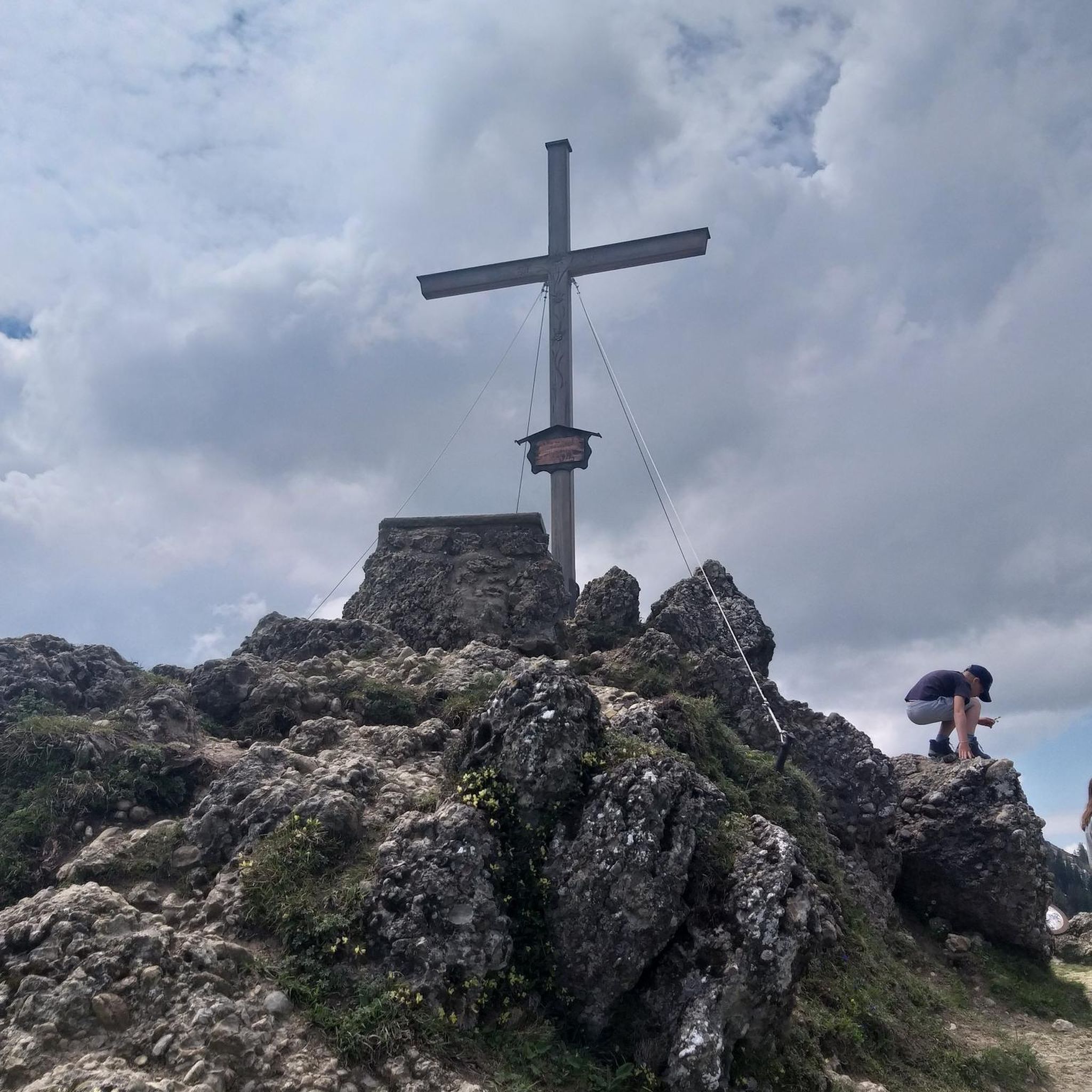
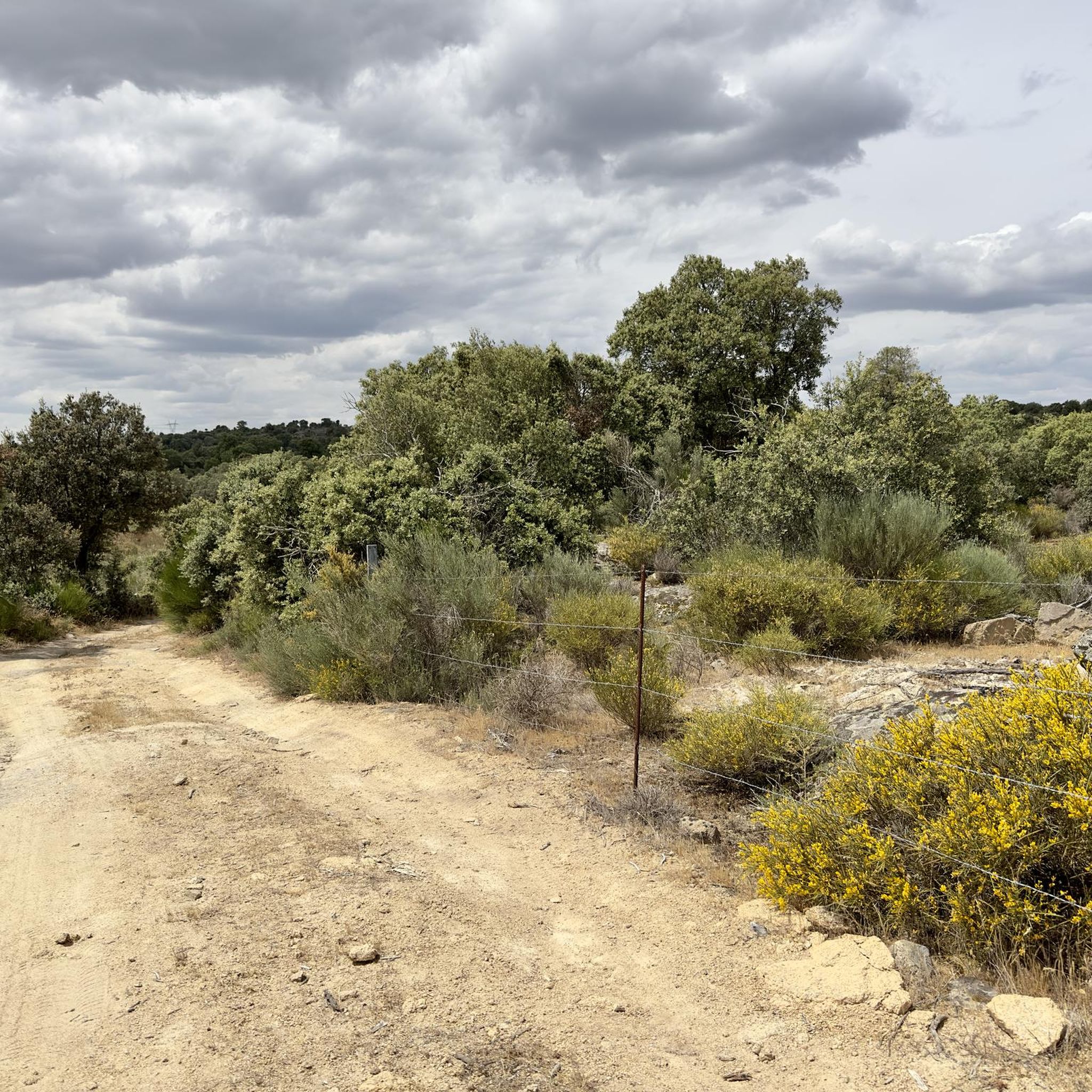
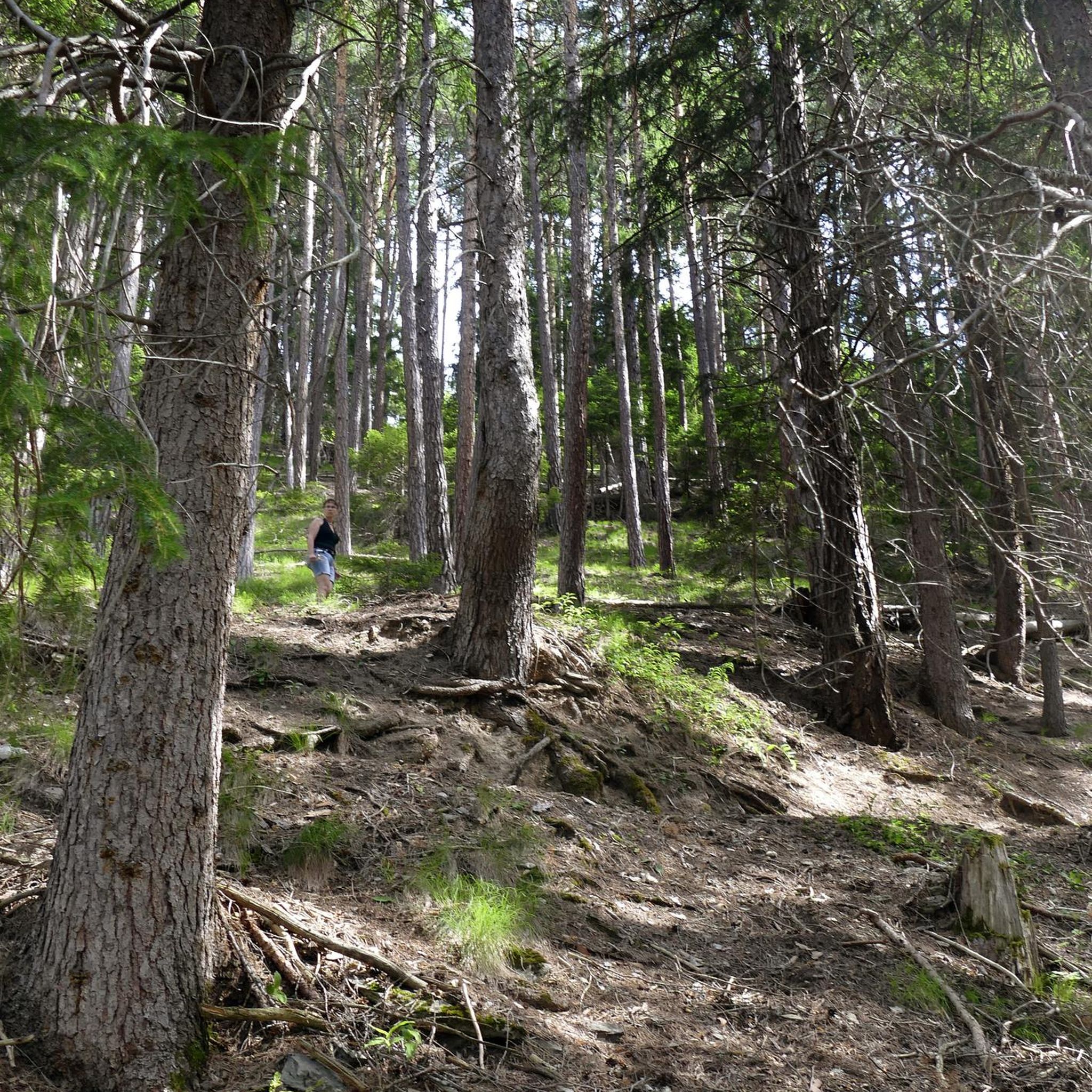
Tips from the Community

Mirador do Penedo Amarelo. It is located on Rua do Penedo Amarelo, in the urban area of Miranda do Douro. It offers wide panoramic views of the Douro River surrounded by green hills, the dam, the historic center and the co-cathedral of Miranda do Douro. It is one of the most outstanding urban viewpoints in the area.
2
0
The Hermitage of the Virgen del Castillo in Fariza, Zamora, is a place of great historical, spiritual, and scenic value, nestled in the heart of the Arribes del Duero Natural Park. It sits atop a hill, offering spectacular views of the Duero canyon, right on the natural border between Spain and Portugal. Nearby is the Mirador de la Virgen del Castillo, considered one of the most beautiful in the Arribes.
1
0
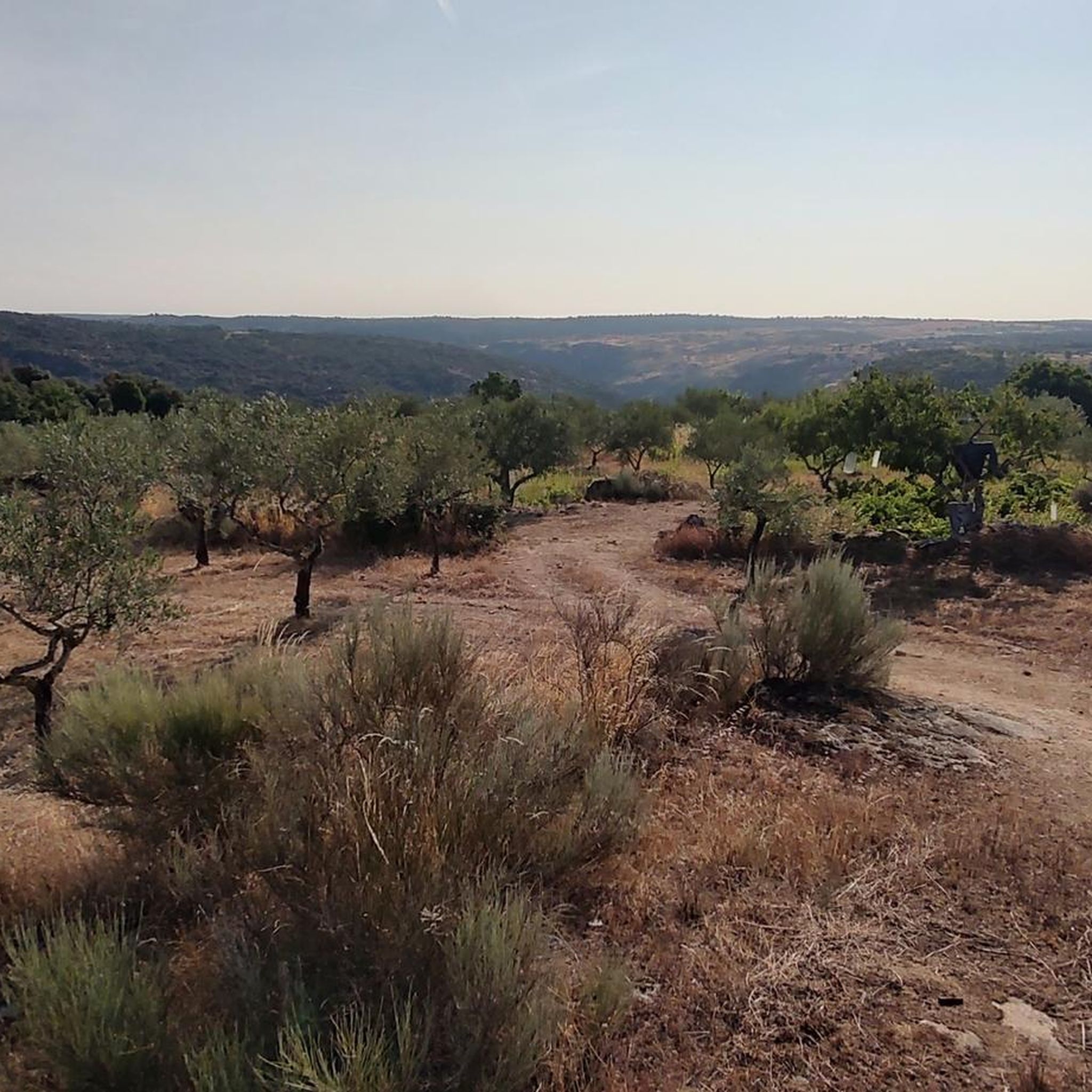
The Mirador de las Barrancas, located in Fariza, in the province of Zamora, is one of the most spectacular spots in the Arribes del Duero Natural Park. It offers stunning views of the Duero River canyon, which marks the natural border between Spain and Portugal. A granite landscape with unique rock formations and a microclimate that favors Mediterranean crops such as olive trees, vineyards, and almond trees. Spot birds of prey, such as the griffon vulture and the golden eagle, which are very common in the area.
1
0

The first bishops of Miranda had to live in the Castle. It was only in 1601 that construction began on the Episcopal Palace and the Seminary. When it was completed, more than a century later, its opulence was no less than that of the Cathedral, whose Renaissance style it imitated. The Palace was built around a central courtyard, surrounded by a cloister with lowered arcades, on monolithic columns. And, although badly damaged by successive fires during the 17th and 18th centuries, it was the definitive transfer of the seat of the Diocese to Bragança, in 1780, that caused it to fall into rapid ruin. The shadow of its monumentality can still be seen today in the cloister and on the portico of the Seminary. However, despite its state of ruin, its symbolic power remains because the bishops always continued to engrave their names on the respective memorial, at the entrance to the Renaissance portico of the first Episcopal Palace of the Diocese.
2
1
The castle of Miranda do Douro was built during a second period of settlement and ordering in Trás-os-Montes, which occurred during the reign of King Dinis. The first kings had provided this vast region with administrative units protected by Romanesque castles, called Terras, whose mission was to establish royal authority in an area of the kingdom that was notoriously peripheral. Over time, this power structure proved to be inadequate and King Afonso III initiated a different policy, the most visible of which was the founding of new urban towns. In the territory of Miranda do Douro, the new town was founded by King Dinis in 1286, thus culminating in the transfer of power from the old castle of Algoso, which had been the capital of the land until that date.
1
1

This beautiful viewpoint is located in the urban centre of Miranda do Douro, at the end of the street closest to the river, specifically on the street of the same name.
0
1
Beautiful views of the Duero and its Arribes.
0
0
The Episcopal Palace, where the Bishop of Miranda do Douro resided, was once an imposing construction. Today, only the arches of the old cloister remain, which have been integrated into a garden area ideal for strolling and relaxing. The Co-Cathedral, also known as the Sé de Miranda do Douro, was built in the 16th century and served as a cathedral until 1780, when the episcopal seat was moved to Braganza. This building stands out for its Renaissance architecture and its impressive Baroque altarpiece. It also houses a locally beloved figure, the Menino Jesus da Cartolinha.
10
0
Frequently Asked Questions
What historical sites can I explore around Vila Chã de Braciosa?
The region is rich in history. You can visit The ruin, a 13th-century castle in Miranda do Douro built as a military fortification with an octagonal plan. Another significant site is The monastery, which was once the Episcopal Palace and now features the arches of its old cloister. The Co-Cathedral, built in the 16th century, showcases Renaissance architecture. Additionally, the area has archaeological remains of ancient settlements and watchtowers, reflecting its long history.
Where can I find the best panoramic views of the Douro River?
For breathtaking views, head to the Yellow Rock Viewpoint in Miranda do Douro, offering wide panoramas of the Douro River, the dam, and the historic center. Another excellent spot is the Hermitage of the Virgen del Castillo and Barrancas Viewpoint, located on a fort perched above the deep course of the Duero River. The Mirador de las Barrancas also provides spectacular views of the Duero canyon, which forms the natural border between Spain and Portugal.
Are there family-friendly attractions in Vila Chã de Braciosa?
Yes, the Yellow Rock Viewpoint is considered family-friendly, offering accessible and stunning views. The natural beauty of the Douro International Natural Park provides ample opportunities for family walks and nature observation. Exploring the traditional architecture and cultural sites can also be an engaging experience for families.
What kind of outdoor activities can I do near Vila Chã de Braciosa?
The region, situated within the Douro International Natural Park, is ideal for various outdoor activities. You can find numerous routes for hiking, cycling, and mountain biking. For hiking, consider trails like the challenging São João das Arribas Trail (PR1 MDR) or easier options like the Ribera de los Molinos Trail. Cycling routes include loops around the Yellow Rock Viewpoint. You can explore more options on the dedicated guides for Hiking around Vila Chã De Braciosa, Cycling around Vila Chã De Braciosa, and MTB Trails around Vila Chã De Braciosa.
What natural features define the landscape around Vila Chã de Braciosa?
Vila Chã de Braciosa is entirely encompassed by the Douro International Natural Park, characterized by its rich biodiversity and scenic beauty. The parish is located on the Plateau of Mirandês, offering distinct geographical features. The dramatic canyons of the Douro River, visible from various viewpoints, are a prominent natural highlight, along with the diverse flora and fauna of the park.
What cultural aspects are unique to Vila Chã de Braciosa?
The area preserves a strong cultural heritage. You'll notice typical traditional architecture featuring granite constructions and 'curralada.' The Mirandese dialect, recognized as an official language in Portugal, is still spoken by some inhabitants. Local festivals, such as the Festa do Menino (Feast of the Child) with its bonfire and dancing, and the Festa da Santíssima Trindade, offer insights into traditional Transmontane life.
Are there any religious buildings of note in the area?
Yes, the parish features several significant religious buildings. The Main Church, originally Romanesque, has undergone modifications over time. The Chapel of Santa Cruz is another important religious site. In Miranda do Douro, The monastery, which includes the Co-Cathedral, is a notable 16th-century structure with Renaissance architecture and a Baroque altarpiece. Further afield, the Hermitage of the Virgen del Castillo is a beautiful sanctuary with historical and spiritual value.
What is the best time of year to visit Vila Chã de Braciosa for outdoor activities?
While specific seasonal data isn't provided, the Douro International Natural Park generally offers pleasant conditions for outdoor activities during spring and autumn, when temperatures are milder. Summer can be hot, making early mornings or late afternoons more suitable for hiking. Winter offers a different, often quieter, experience, though some trails might be affected by weather.
Can I spot wildlife in the Douro International Natural Park near Vila Chã de Braciosa?
Yes, the Douro International Natural Park is known for its rich biodiversity. From viewpoints like Mirador de las Barrancas, you have a good chance of spotting various bird species, including black storks, Egyptian vultures, griffon vultures, golden eagles, and peregrine falcons, which nest in the area's cliffs.
What are some popular hiking trails near Vila Chã de Braciosa?
Among the popular hiking trails, the São João das Arribas Trail (PR1 MDR) is a challenging option. For moderate hikes, consider the Mirador de la Peña del Cura and Mirador del Meandro del Duero circular route. If you prefer an easier walk, the Ribera de los Molinos Trail is a good choice. You can find more details and other routes in the Hiking around Vila Chã De Braciosa guide.
What do visitors particularly enjoy about the attractions around Vila Chã de Braciosa?
Visitors appreciate the stunning panoramic views, especially from spots like the Yellow Rock Viewpoint, which offers expansive vistas of the Douro River and surrounding landscapes. The historical significance of sites like The ruin (castle) and The monastery is also highly valued, providing a glimpse into the region's past. The overall blend of natural beauty and cultural heritage makes for a memorable experience.
Are there opportunities for cycling or mountain biking in the area?
Absolutely. The region offers a variety of routes for both cycling and mountain biking. You can find challenging cycling loops like the Fermoselle - Arribes del Duero Park Loop, or moderate ones such as the Yellow Rock Viewpoint – View of the Douro Canyon loop. For mountain biking, there are routes like the Yellow Rock Viewpoint – Castle and Alcazaba ruins loop. Explore more options in the Cycling around Vila Chã De Braciosa and MTB Trails around Vila Chã De Braciosa guides.
Most popular attractions around Vila Chã De Braciosa

Get inspired with the komoot mobile app


Explore more
Still not found the Highlight you’re looking for? See guides of the top attractions in other regions:
