The best road cycling routes around Lousa
5.0
(2)
93
riders
16
rides
Road cycling routes around Lousa are set within the Serra da Lousã mountains, characterized by lush forests of oak, chestnut, and pine. The region offers diverse landscapes with demanding climbs and descents, making it suitable for experienced road cyclists. River valleys and historic Schist Villages are integrated into the terrain, providing varied scenery. This area of Portugal features significant elevation gains, particularly on routes leading into the mountains.
Best road cycling routes around Lousa
- The most popular road cycling route…
Last updated: July 1, 2026
1
riders
25.6km
01:21
450m
450m
Moderate road ride. Good fitness required. Mostly well-paved surfaces and easy to ride.
14
riders
57.6km
02:58
910m
910m
Hard road ride. Very good fitness required. Mostly well-paved surfaces and easy to ride.

Sign up for free
5.0
(1)
13
riders
46.5km
02:25
830m
830m
Moderate road ride. Good fitness required. Mostly well-paved surfaces and easy to ride.
5.0
(1)
8
riders
92.9km
04:54
1,680m
1,690m
Hard road ride. Very good fitness required. Mostly well-paved surfaces and easy to ride.
5
riders
79.8km
04:06
1,310m
1,310m
Hard road ride. Very good fitness required. Some segments of this route may be unpaved and difficult to ride.
Get access to more routes and recommendations from other explorers.
Sign up for free
Already have an account?
Our route recommendations are based on thousands of hikes, rides, and runs completed by other people on komoot.
Start today with a free account
Your next adventure awaits.
Login or Signup
Popular around Lousa
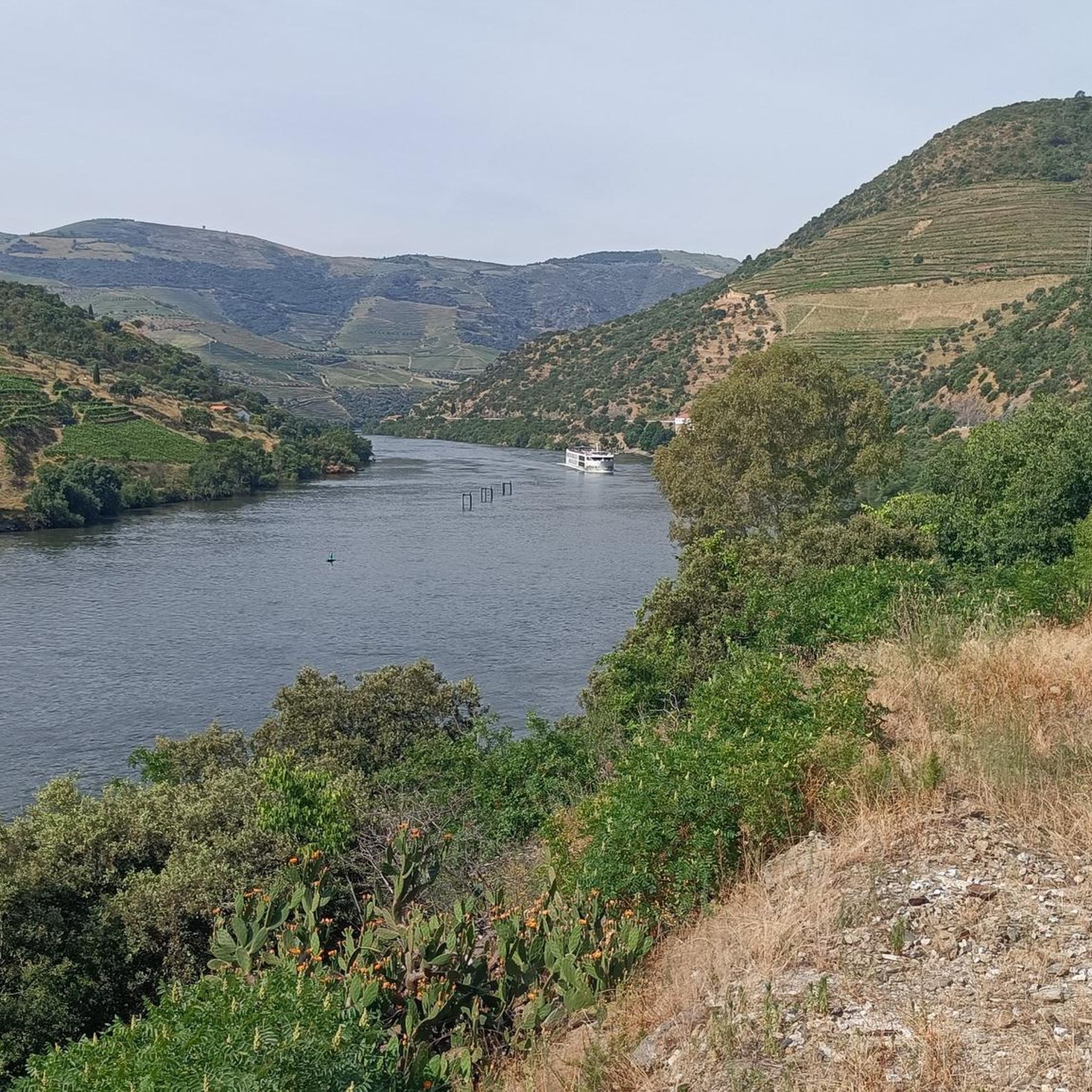
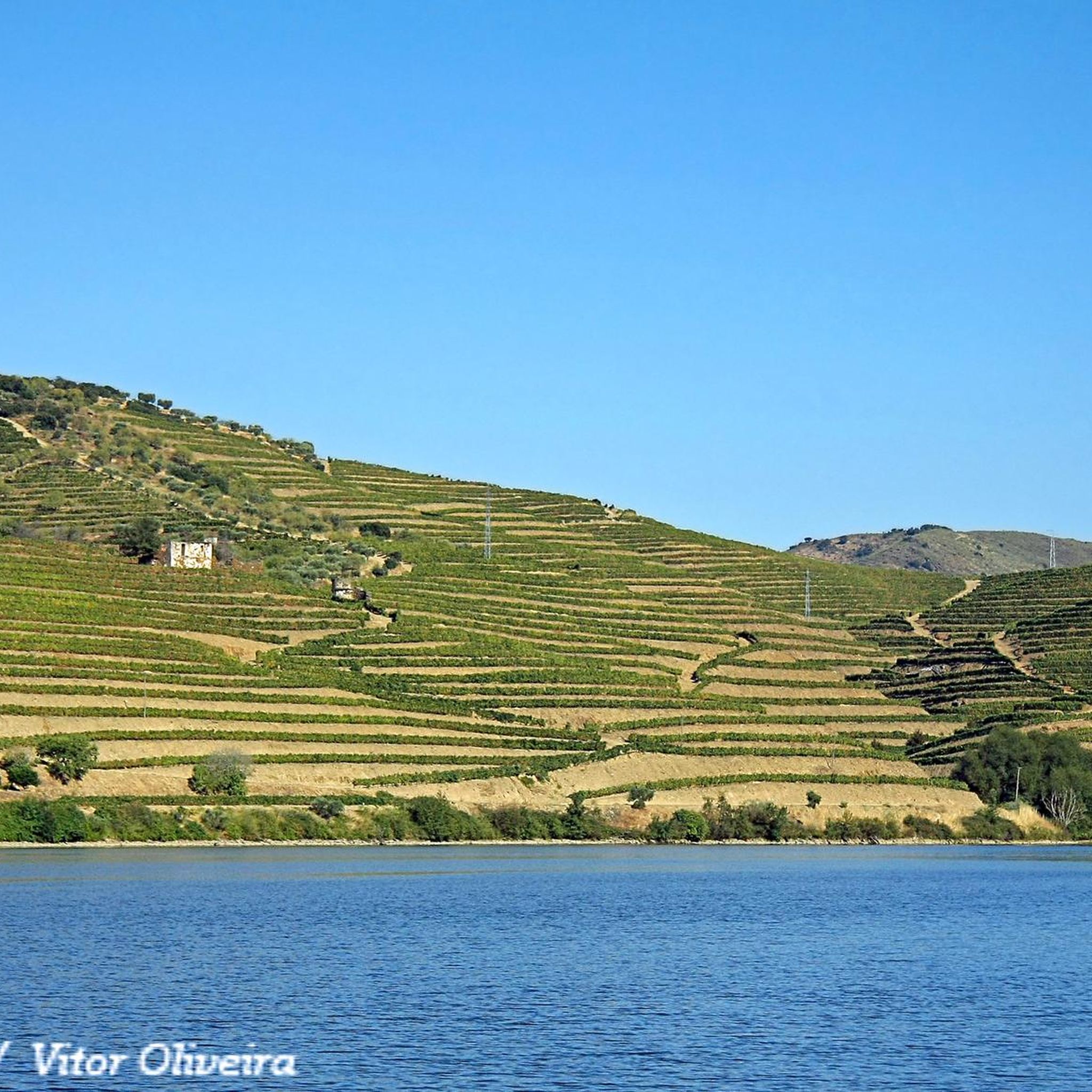

Tips from the Community

The Pocinho Road-Railway Bridge, also known as the Pocinho Bridge, is a road-rail infrastructure of the Linha do Sabor, which crosses the Douro River in the Municipality of Vila Nova de Foz Côa, in Portugal; it is closed to service, for both types of traffic. The construction of a bridge at this location, with two superimposed decks, was foreseen by the Plan of the Complementary Network North of Mondego, dated February 15, 1900.
0
0

Vila Nova de Foz Côa is a jewel of northern Portugal, located in the Guarda district of the Alto Douro region. It is known for its unique archaeological heritage, spectacular wine-growing landscapes, and its deep connection to history and nature.
3
0

Marialva is a jewel among Portugal's Historic Villages. High above, the castle watches over centuries of conquests and legends, while within the walls still echo the memory of kings, fairs, and battles. Strolling its cobblestone streets is like traveling back in time: from the keep to the Church of Santiago, every detail tells a story. Outside the walls, vineyards and flavors of Beira Alta complete the landscape: roast kid, sheep's cheese, and sweets that preserve the taste of tradition. Here, the village is experienced as much on foot as at the table.
3
0
With its source near Guarda, the Massueime Stream flows through valleys and municipalities until it empties its waters into the Côa River, which in turn flows into the Douro. At the edge of this bridge, a bench invites you to stop: sit, take a deep breath, and let yourself be lulled by the serenity of the current.
2
0
The trail here merges with the Great Côa and Historic Villages Route, leading you down a steep descent to the river. After crossing, the hillside challenges you with its demanding climb, but the reward lies in each new look: ever-changing perspectives of the Côa Valley. Both directions offer incredible views: remember to look back!
2
0
In the heart of the Côa Valley, Faia Brava is a wildlife sanctuary where griffon vultures, eagles, and black storks soar through the skies. Between imposing cliffs and the largest cork oak forest in the region, this 600-hectare protected area preserves rare habitats, ancient trails, and local traditions. Managed by the ATN, it invites you to discover nature through guided tours that reveal one of Guarda's most authentic and vibrant corners.
2
0
Castelo Rodrigo holds millennia of history, from Paleolithic and Roman remains to the Muslim presence in the castle. Conquered and reconquered between the 12th and 13th centuries, it became a town and municipality under King Alfonso IX of León and passed definitively to Portugal in 1297, when King Dinis rebuilt and repopulated the castle. Marked by wars, charters, and restorations, it welcomed pilgrims on their way to Santiago and remains today one of the twelve Historic Villages of Portugal.
3
0
Castelo Rodrigo is a village with a medieval soul, where time has left its deep marks: walls, stone streets and remains of an ancient community of New Christians. Surrounded by magnificent landscapes, from the Douro International Natural Park to the Côa Valley, passing through the Serra da Marofa and the Faia Brava Reserve, this village is an invitation to contemplation and to taste. Here, history is served at the table: Marofa lamb, octopus in migas or rice are flavors that count as much as the books.
2
0
Frequently Asked Questions
How many road cycling routes are available around Lousã?
Lousã offers a selection of 16 road cycling routes, catering to various skill levels. You'll find 4 moderate routes and 12 more challenging options, all set within the diverse landscapes of the Serra da Lousã mountains.
What kind of terrain can I expect on road cycling routes in Lousã?
Road cycling in Lousã is characterized by mountainous terrain with significant elevation gains, particularly on routes leading into the Serra da Lousã. You'll encounter lush forests of oak, chestnut, and pine, as well as scenic river valleys. Many routes also pass through historic Schist Villages, adding cultural interest to the natural beauty.
Are there any routes suitable for experienced road cyclists looking for a challenge?
Absolutely. Lousã is well-known for its demanding climbs and descents, making it ideal for experienced road cyclists. Routes like the Historic Village of Marialva loop from Vila Nova de Foz Coa (57.5 km with significant elevation) or the Castelo Rodrigo Village – End of N222 in Almendra loop from Pocinho (92.9 km with substantial ascents) offer the kind of challenge advanced riders seek.
What are some notable landmarks or scenic viewpoints along the road cycling routes?
Lousã's routes offer numerous points of interest. You can cycle through picturesque Aldeias do Xisto (Schist Villages) like Talasnal and Cerdeira, or pass by the historic Lousã Castle. The climb to Alto do Trevim, for instance, rewards cyclists with spectacular panoramic views of the Serra da Lousã. Additionally, the Sabor Greenway offers a pleasant cycling experience.
Are there any river beaches or waterfalls accessible from the cycling routes?
Yes, Lousã's landscape is dotted with beautiful water features. The Praia Fluvial da Senhora da Piedade is a natural river beach with waterfalls and crystal-clear pools, perfect for a refreshing stop. Other river beaches like Bogueira Riverside Beach along the Ceira River also provide scenic and relaxing spots, especially during warmer months.
What is the best time of year to go road cycling in Lousã?
The region is beautiful year-round, but spring and autumn are particularly recommended. In autumn, the oak, chestnut, and pine forests of the Serra da Lousã display vibrant colors, making for incredibly scenic rides. Summer can be warm, but river beaches offer refreshing breaks. Always check the local weather forecast before heading out.
Are there any loop routes available for road cyclists?
Yes, many of Lousã's road cycling routes are designed as loops, allowing you to start and finish in the same location. Examples include the Torre de Moncorvo and Sabor Greenway Loop and the Pocinho Station loop from Vila Nova de Foz Coa, which offer varied distances and difficulties.
What do other road cyclists enjoy most about road cycling in Lousã?
The komoot community highly rates road cycling in Lousã, with an average score of 5.0 stars from 2 reviews. Cyclists often praise the challenging climbs, the stunning natural beauty of the Serra da Lousã, and the unique experience of passing through the historic Schist Villages.
Are there options for public transport to access the cycling routes, especially with bikes?
While specific public transport options for bikes can vary, Lousã is a traditional Portuguese town. It's advisable to check local bus services or regional train lines for their bike carriage policies if you plan to use public transport to reach starting points. Many cyclists prefer to drive and park near their chosen route's beginning.
Where can I find parking for road cycling routes in Lousã?
Parking availability will depend on the specific starting point of your chosen route. In Lousã town and near popular Schist Villages, you can usually find designated parking areas. For routes starting in more remote areas, roadside parking might be an option, but always ensure it's safe and permissible.
Are there cafes or accommodation options for cyclists near the routes?
Yes, the Schist Villages, such as Talasnal and Cerdeira, often have local cafes, restaurants, and even guesthouses that cater to visitors, including cyclists. Lousã town itself offers a wider range of accommodation and dining options. These spots provide excellent opportunities for a break or an overnight stay.
Can I explore sections of the National Road 2 (EN2) by road bike in Lousã?
Yes, cyclists can indeed embark on journeys along sections of the National Road 2 (EN2) which traverses the interior of Portugal. This offers a unique opportunity to explore local traditions and crafts while enjoying a classic Portuguese road cycling experience.
Most popular routes around Lousa
Most popular attractions around Lousa

Get inspired with the komoot mobile app


Explore more
Browse the best Road cycling routes in other regions.
