Attractions and Places To See around Malpica Do Tejo - Top 11
Best attractions and places to see around Malpica Do Tejo include a blend of historical landmarks and natural beauty. This Portuguese village is situated near the Tagus River and is part of the International Tagus Natural Park, offering diverse landscapes. The region features ancient geological sediments and a rich cultural heritage, with traditional architecture and archaeological sites.
Best attractions and places to see around Malpica Do Tejo
- The most popular attractions is Gardens of the Episcopal Palace of Castelo Branco, a historical site that showcases magnificent Baroque style. These gardens were commissioned in the 18th century and are suitable for family outings.
- Another must-see spot is Castle of the Templars of Castelo Branco, a medieval fortress. This Templar castle was built between 1214 and 1230 and offers panoramic views from its remnants.
- Visitors also love São Gens Viewpoint, a panoramic viewpoint. Inaugurated in 1941, it provides views of the historic center of Castelo Branco, the São Águeda Reservoir, and the Serra da Gardunha.
- Malpica Do Tejo is known for its historical sites, natural features, and viewpoints. The area offers a variety of attractions to see and explore, from ancient geological formations to traditional architecture.
- The attractions around Malpica Do Tejo are appreciated by the komoot community, with 9 upvotes and 47 photos shared by visitors.
Last updated: July 1, 2026
Gardens of the Episcopal Palace of Castelo Branco
Highlight • Historical Site
These gardens are ideal for a romantic visit or a family outing.
Translated by Google •
Tip by

Castle of the Templars of Castelo Branco
Highlight • Castle
Castelo Branco Castle, also known as the Templar Castle, is a medieval fortress located in the town of Castelo Branco. It was built between 1214 and 1230 by the Order of the Temple.
Translated by Google •
Tip by
Sign up now to discover places like this
Get recommendations on the best single tracks, peaks, & plenty of other exciting outdoor places.
Sign up for free
São Gens Viewpoint
Highlight • Viewpoint
It is located on Rua da Piscina, near Castelo Branco Castle, just 100–120 meters from the Church of Santa Maria do Castelo.
Inaugurated in 1941, its structure was originally designed to conceal water tanks, and was later restored as part of the Polis program.
Surrounded by flower gardens, benches, and shaded areas, it encourages rest and contemplation.
Translated by Google •
Tip by
Cedillo Dam
Highlight • Structure
Translated by Google •
Tip by
Santiago de Alcántara
Highlight • Settlement
Translated by Google •
Tip by

Sign up for free to discover even more attractions around Malpica Do Tejo.
Sign up for free
Already have an account?
Start today with a free account
Your next adventure awaits.
Login or Signup

Tips from the Community

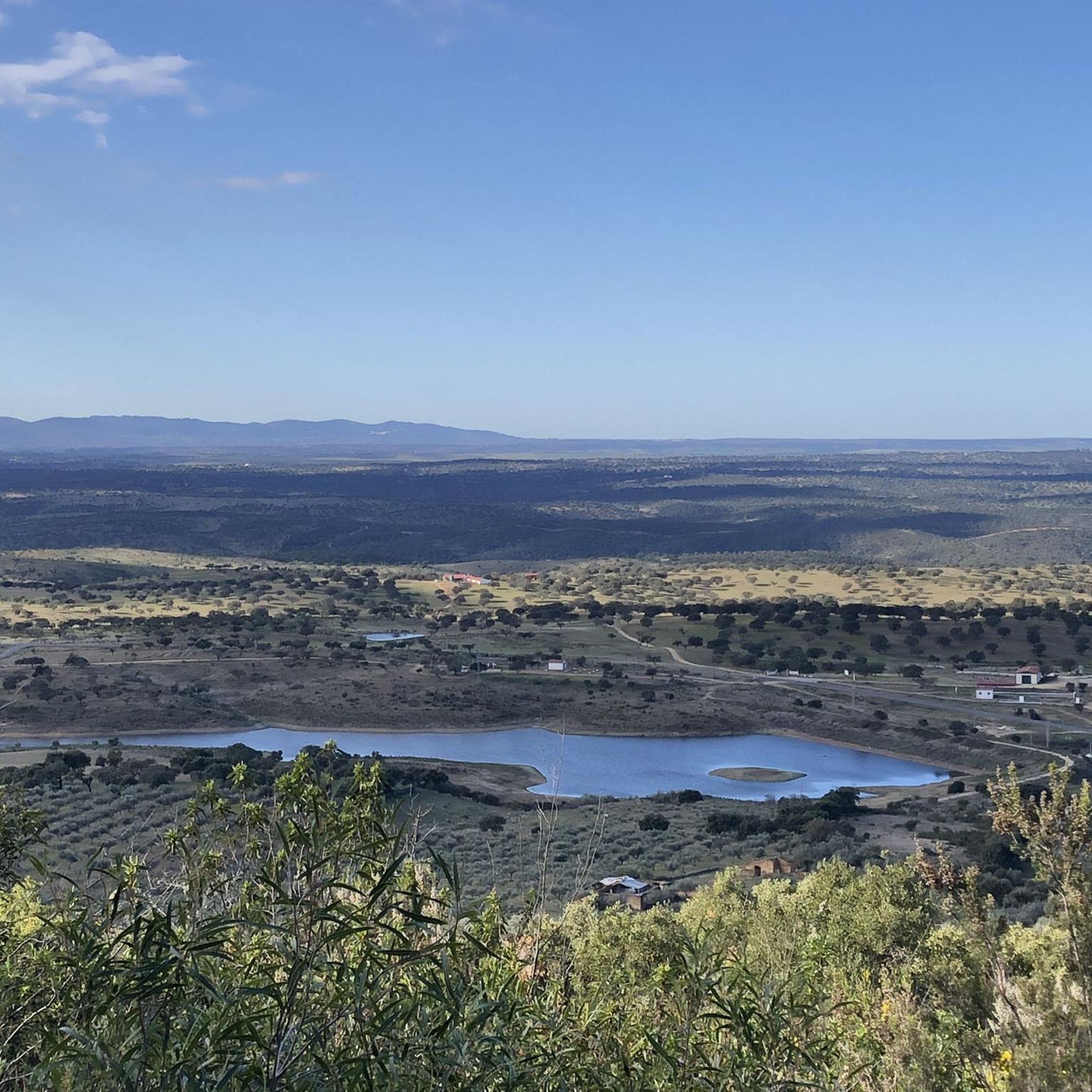
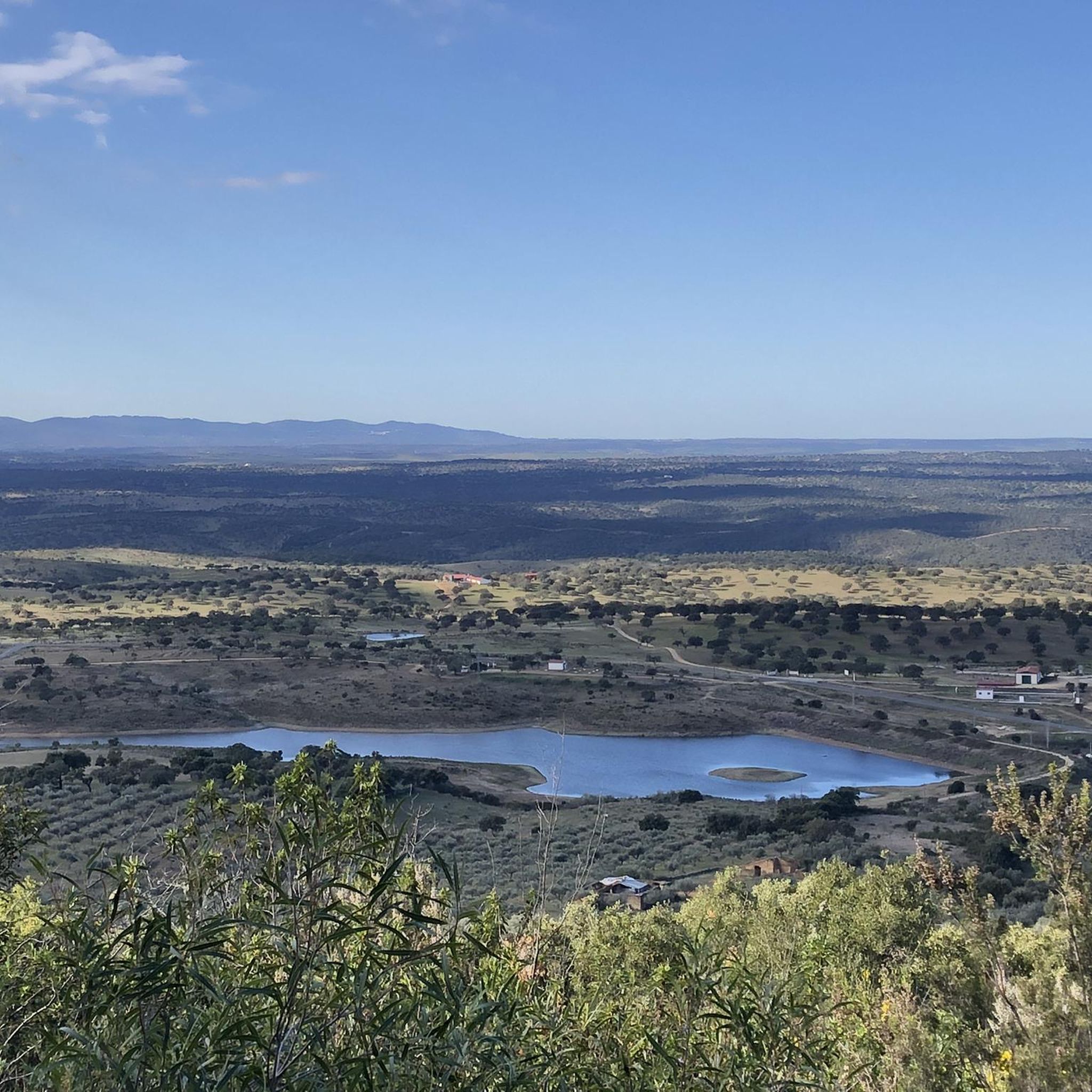
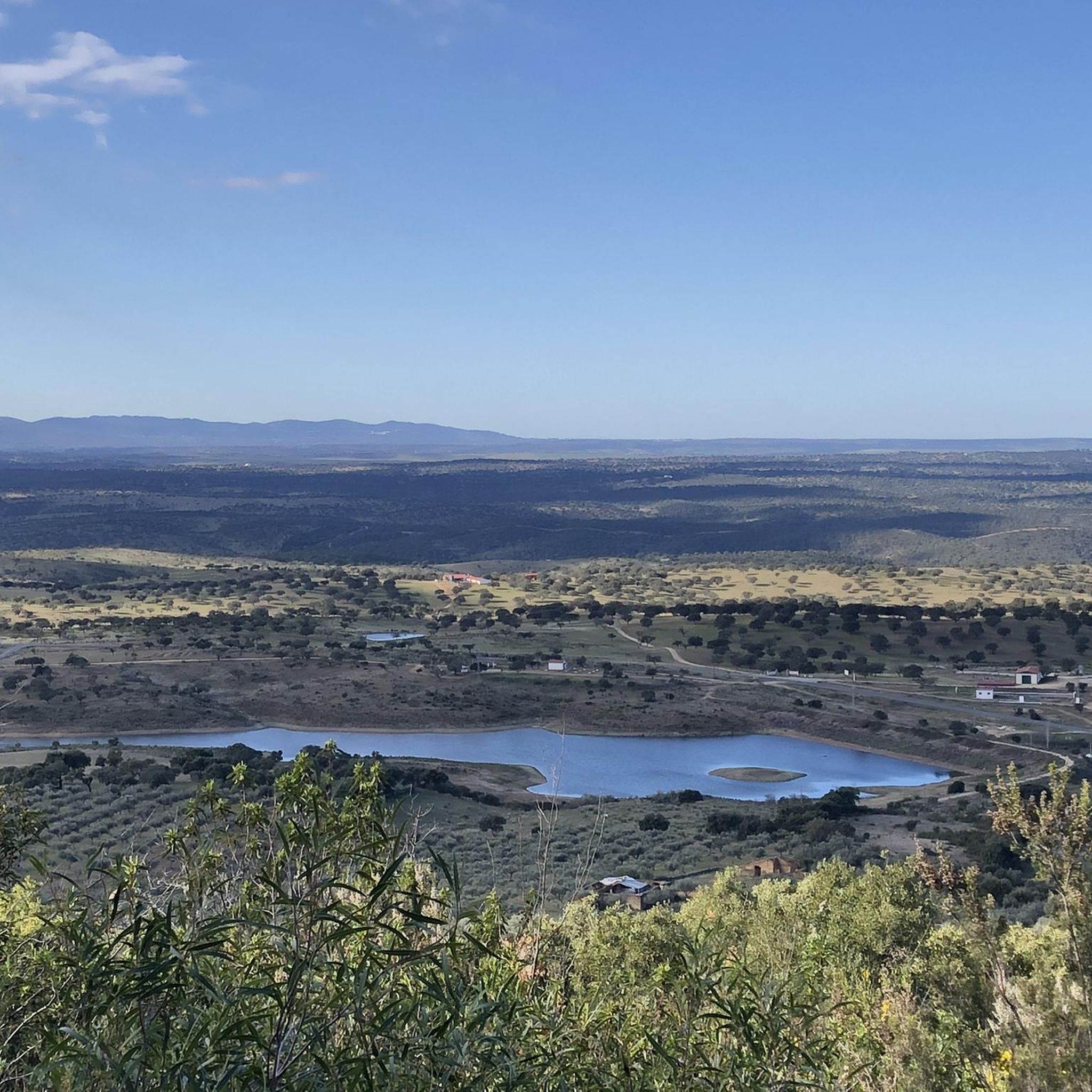
From the viewpoint you can see: The historic center of Castelo Branco, The São Águeda Reservoir (Marateca), The southern foothills of the Serra da Gardunha, The Serra da Estrela and Monte de São Martinho, On clear days, even the border with Spain (“a Raia”).
4
0
The Miradouro de São Gens, in Castelo Branco, Portugal, is a panoramic viewpoint that stands out for both its location and its history: It is located on Rua da Piscina, near Castelo Branco Castle, just 100–120 meters from the Church of Santa Maria do Castelo. Inaugurated in 1941, its structure was originally designed to conceal water tanks, and was later restored as part of the Polis program. Surrounded by flower gardens, benches, and shaded areas, it encourages rest and contemplation.
4
0
The Cedillo Dam is a hydroelectric facility located on the international stretch of the Tagus River, right on the border between Spain and Portugal, in the municipality of Cedillo (Cáceres). It is part of the Tagus International Natural Park, declared in 2000 (Portugal) and 2006 (Spain), which protects its ecological environment.
6
0

At the moment construction site at least one could visit part of the park
4
0
The Igreja de Santa Maria do Castelo is located within the perimeter of the castle in Tavira, Algarve, Portugal. This church was built in the 13th century on the remains of an Arab mosque. Castelo Branco Castle, also known as the Templar Castle, is a medieval fortress located in the town of Castelo Branco. It was built between 1214 and 1230 by the Order of the Temple.
12
0
The Episcopal Palace Gardens in Castelo Branco, Portugal, are a magnificent example of the Baroque style in the country. These gardens were commissioned by the Bishop of Guarda, D. João de Mendonça, in the 18th century. These gardens are ideal for a romantic visit or a family outing.
9
0

Only remnants remain, but a beautiful view from above and beautifully illuminated in the evening
4
0

The Cedillo dam marks the point where the Tagus River passes from Spanish to Portuguese territory. It is located within the term of the natural park of the International Tagus. The Tagus Nature Trail ends right at this point.
2
0
Frequently Asked Questions
What historical and cultural sites can I explore in and around Malpica do Tejo?
Malpica do Tejo is rich in history. You can discover the village's 16th-century church and traditional schist houses, as well as the historical Fonts Nova and Velha. Other notable sites include the Church of S. Domingos, the Chapel of S. Bento, and the Lime Kiln of Monte dos Cancelos. The region also features medieval tombs, Roman ceramics, and an Old Bridge over the Ponsul River, offering a glimpse into its ancient past.
Where can I experience the natural beauty of Malpica do Tejo?
The village is nestled within the stunning International Tagus Natural Park (Parque Natural do Tejo Internacional), making it a prime location for nature lovers. The Tagus River is a central feature, and the park boasts diverse flora like Prickly Juniper and Wild Olive, along with a variety of birds including kingfishers and black storks. The Malpica do Tejo river dock provides excellent views of the landscapes and unique schist rock formations.
Are there any viewpoints offering panoramic vistas near Malpica do Tejo?
Yes, while the prominent São Gens Viewpoint is a popular choice, you can also find scenic views from the Chapel of Nossa Senhora das Neves, located on Monte de S. Domingos. This spot, accompanied by a stone 'cruzeiro', offers picturesque surroundings and a tranquil atmosphere.
What kind of outdoor activities can I do near Malpica do Tejo?
The area around Malpica do Tejo is excellent for various outdoor activities. You can explore numerous cycling routes, including those for touring bikes, road bikes, and mountain bikes. For example, there are routes like the 'Bike loop from Castelo Branco' or 'Lake loop from Castelo Branco' for mountain biking. Find more details on specific routes in the Cycling around Malpica Do Tejo, Road Cycling Routes around Malpica Do Tejo, and MTB Trails around Malpica Do Tejo guides.
Are there any family-friendly attractions or activities in the area?
Beyond the well-known Gardens of the Episcopal Palace, families can enjoy exploring the natural landscapes of the International Tagus Natural Park. The historical fountains, Fonts Nova and Velha, offer interesting points of discovery within the village. Additionally, the local festivals provide cultural experiences suitable for all ages.
What is the best time of year to visit Malpica do Tejo?
Malpica do Tejo offers attractions year-round. For cultural events, consider visiting during the Feast of S. Domingos and Our Lady of the Snows in early August, the Annual Cherry Fair in June, or the Thematic Fair for Olives, Oils, and Regional Products in November. Spring and autumn generally offer pleasant weather for exploring the natural park and historical sites.
What local crafts and traditional foods can I find in Malpica do Tejo?
The village is known for its local crafts, particularly lace and cork products. When it comes to gastronomy, you can savor traditional dishes like 'Bucho,' spicy cheese, honey, cabbage soup with beans, and various sweets such as 'filhós,' 'bicas,' honey 'broas,' and 'borrachões.' These offer a true taste of the region's heritage.
Are there any archaeological sites or ancient remains to see?
Yes, the area is rich in archaeological finds. You can discover medieval tombs, Roman ceramics, a 1.9-meter anthropomorphic grave, and Bronze Age circular structures. Significant traces also include a Roman dam in Vale do Represão, Paleolithic remains of Melo, Neolithic stations at Ponte das Flores and Senhora das Neves, and the Dolmens of Vale das Favas 1 and 2.
What are the 'Caminho do Rei' or 'Caminhos de Sirga'?
These are historical paths, also known as the King's Path or Towpaths, which were traditionally used for pulling boats along the river. Exploring these paths offers a unique way to connect with the region's past and enjoy the riverside scenery.
Can I find trails suitable for walking or hiking near Malpica do Tejo?
Absolutely. The International Tagus Natural Park provides numerous opportunities for walking and hiking. While specific hiking routes are not detailed in the provided data, the presence of historical paths like the Caminho do Rei and various cycling routes suggests a network of trails suitable for exploring the natural landscapes on foot. You can find more information on routes in the Cycling around Malpica Do Tejo guide, which often share paths with walkers.
What is unique about the geology of Malpica do Tejo?
The region is notable for possessing some of Portugal's oldest geological sediments, dating back over 600 million years. These ancient formations primarily consist of schist and graywacke from the Beiras Group, including the distinct Malpica do Tejo Formation. This geological heritage contributes to the unique landscapes and rock formations visible throughout the area.

Get inspired with the komoot mobile app


Explore more
Still not found the Highlight you’re looking for? See guides of the top attractions in other regions:
