Attractions and Places To See around Covilhã (São Pedro) - Top 14
Attractions and places to see around Covilhã (São Pedro) are characterized by a blend of historical significance, cultural vibrancy, and natural beauty. Located at the foot of the Serra da Estrela mountain range, the region offers diverse landscapes from urban centers to high-altitude natural features. Covilhã (São Pedro) is known for its historical connection to the wool industry and serves as a gateway to Portugal's highest mountain range. This area provides opportunities to explore both cultural sites and natural monuments.
…Last updated: July 2, 2026
Cântaro Magro
Highlight • Natural Monument
Translated by Google •
Tip by

Stream Crossing in Vale da Candeira
Highlight • River
Translated by Google •
Tip by

Sign up now to discover places like this
Get recommendations on the best single tracks, peaks, & plenty of other exciting outdoor places.
Sign up for free
Stone shelter with fireplace in the Serra da Estrela
Highlight • Mountain Hut
Translated by Google •
Tip by

View of Covilhã from Curral do Vento
Highlight • Viewpoint
Translated by Google •
Tip by

Covão d'Ametade
Highlight • Forest
Translated by Google •
Tip by

Sign up for free to discover even more attractions around Covilhã (São Pedro).
Sign up for free
Already have an account?
Start today with a free account
Your next adventure awaits.
Login or Signup


Tips from the Community

Cântaro Magro is one of the "commonplaces" of the Serra da Estrela mountain range, whose summit rises to 1928 m altitude, deserving a visit at any time of year. Viewed from west to east, its silhouette resembles a pitcher. In summer, its rocky face is interrupted by small terraces of soil, where some of the rarest botanical jewels of the mountain range grow. In winter, it is covered in snow and ice which, as they melt, form ephemeral waterfalls. These recall the overflowing liquid from the pitchers carried on the heads of women when, in the past, they went to the fountains. #CISE #VisitSeia #ParqueNaturaldaSerradaEstrela
0
0

Cântaro Magro is one of the most iconic and spectacular rock formations in the Serra da Estrela, the highest mountain range in mainland Portugal. This imposing granite spire is the result of millions of years of glacial erosion and weathering. Its name, which means "Skinny Pitcher", perfectly describes its slender and elongated silhouette.
3
0

The little tower is easily accessible and is also good for taking a break in the shadow of the bit rocks
4
0

On the way to the summit, look on your right side. Cantaro Magro.
1
0

the cabin has a fireplace and even firewood, not sure if it's an overnight shelter or something private.
1
0

The stream flows through the middle of the valley and depending on the water level, your feet have to be cooled off
2
1
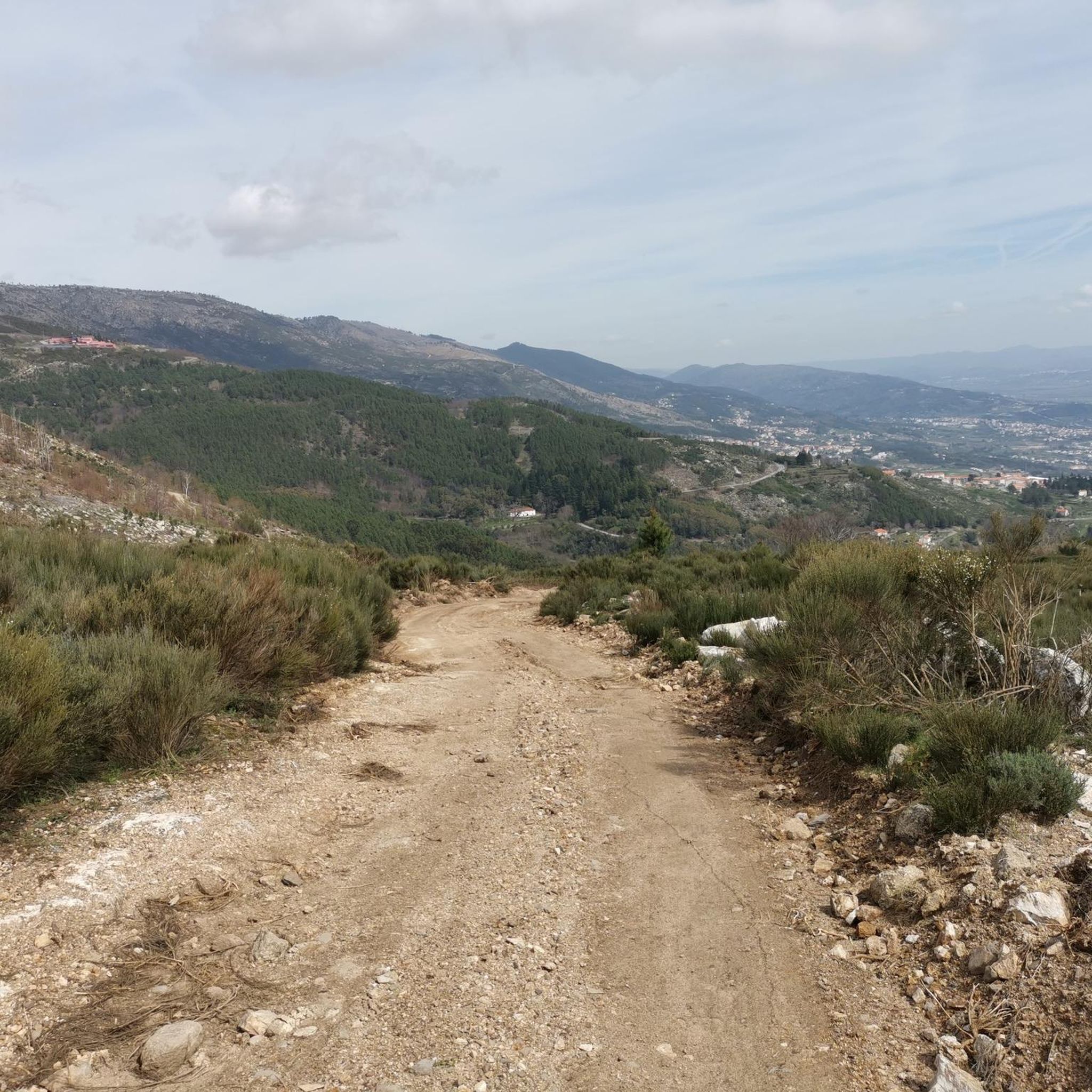
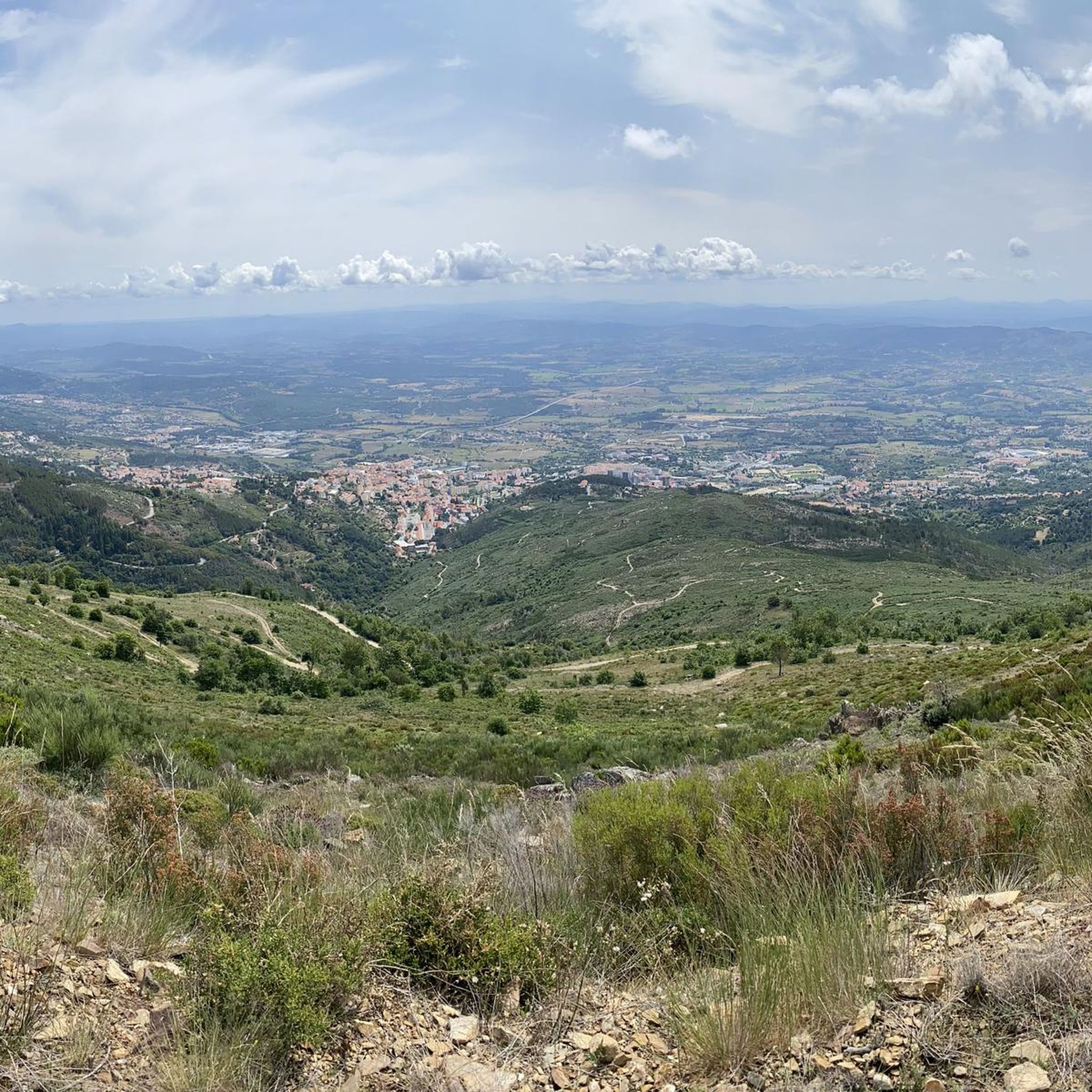
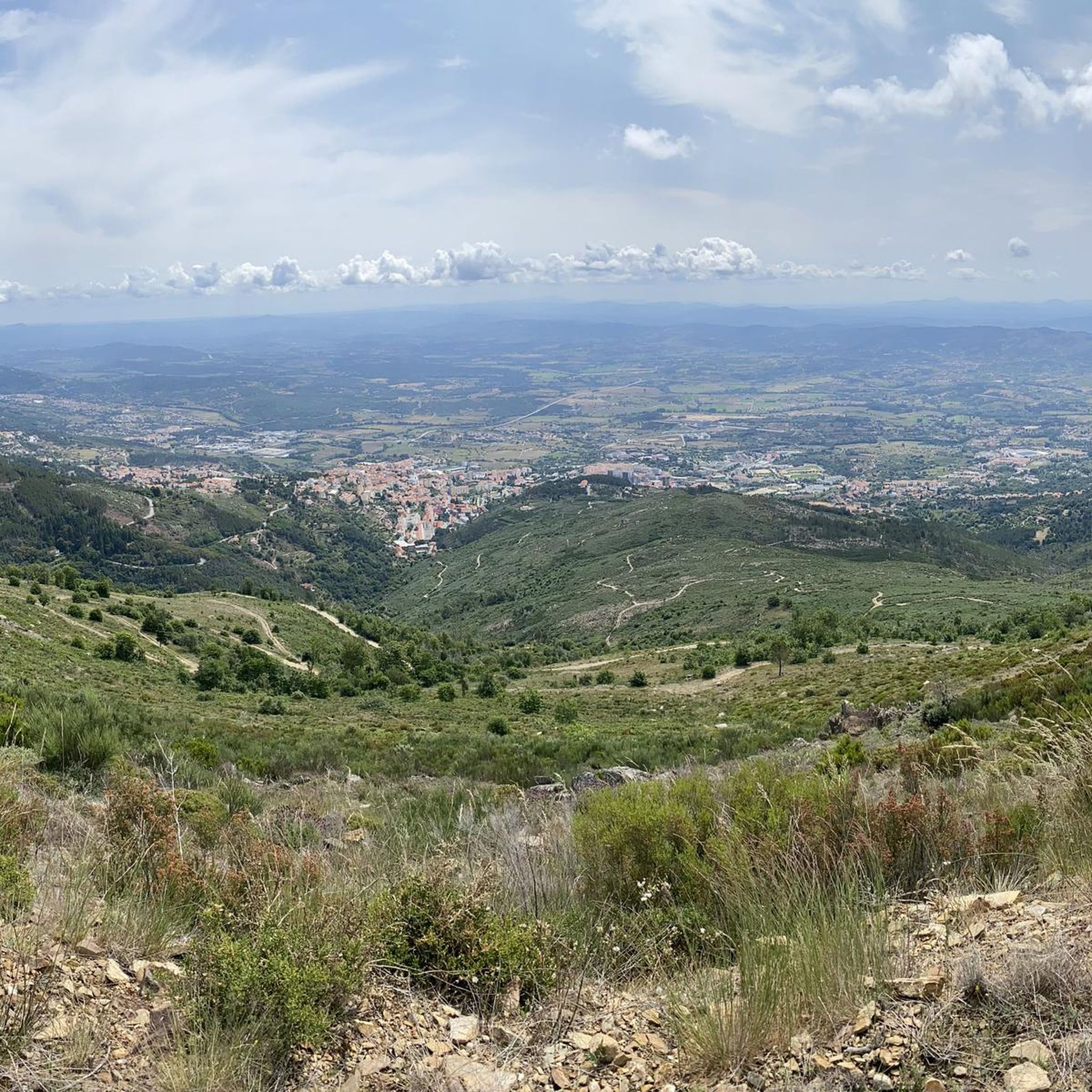
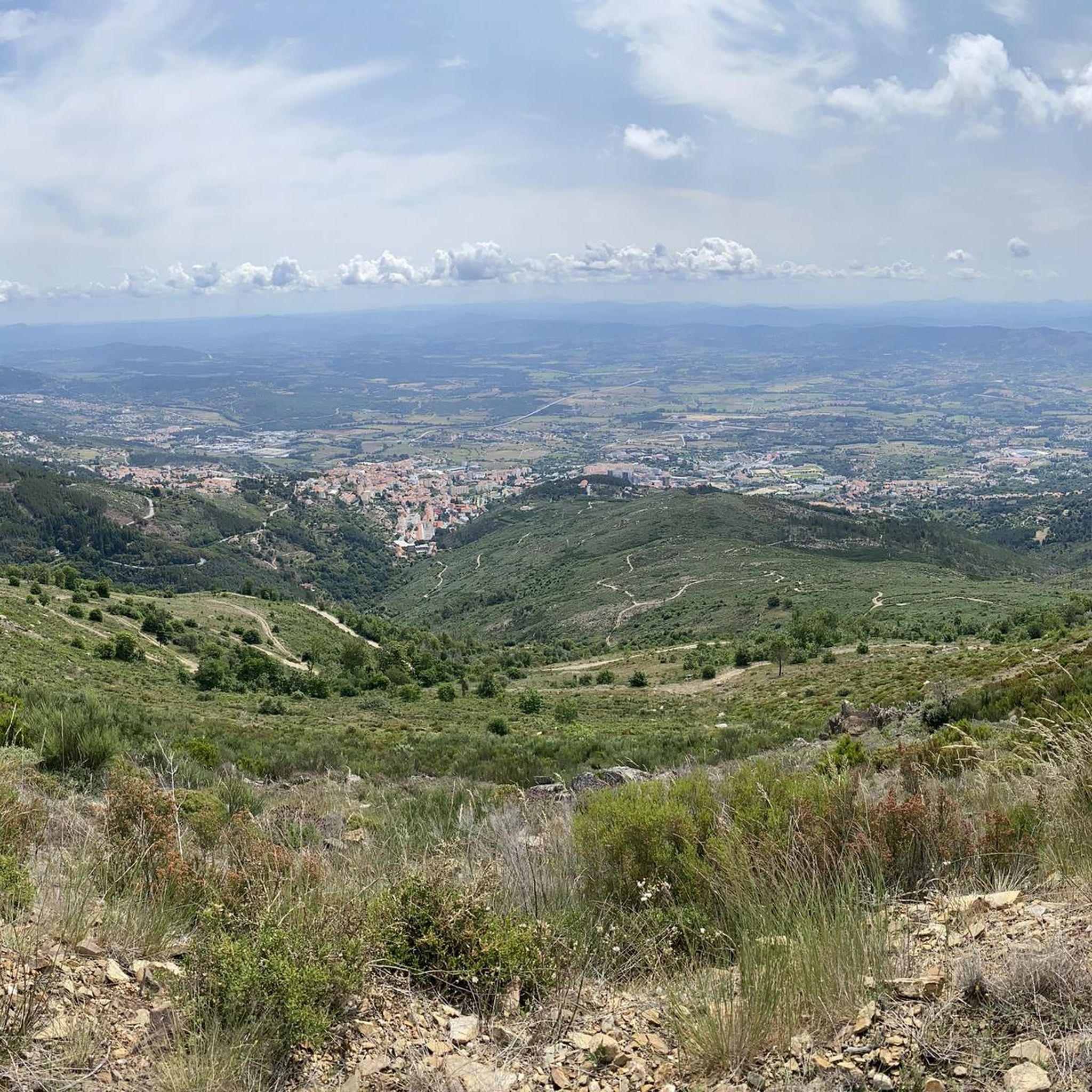
Great vantage point with a 360 degree view of the Serra da Estrela and the highest plateau with the Torre
5
0

The water is very cold, but crystal clear.
4
1
Frequently Asked Questions
What natural features can I explore near Covilhã (São Pedro)?
Covilhã (São Pedro) is a gateway to the stunning Serra da Estrela Natural Park. You can visit iconic natural monuments like Cântaro Magro, a unique granite spire. Other notable natural attractions include the dramatic Zêzere Glacial Valley, the serene Lagoa Comprida reservoir, and the peaceful Covão d'Ametade where the River Zêzere rises. For breathtaking views, consider the View of Covilhã from Curral do Vento or the Varanda dos Carqueijais belvedere.
Are there good hiking trails around Covilhã (São Pedro)?
Yes, the region offers a variety of hiking trails, especially within the Serra da Estrela Natural Park. You can find routes ranging from easy to moderate, such as the 'Forest Ranger's House loop from Covilhã' or the 'Poios Brancos Viewpoint loop from Penhas da Saúde'. For more options, explore the Hiking around Covilhã (São Pedro) guide.
Where can I experience snow activities near Covilhã (São Pedro)?
Covilhã is known as the 'town of snow' due to its proximity to the Serra da Estrela. During winter, you can head to Penhas da Saúde, a village and winter resort within the Natural Park, or visit Torre, the highest point in mainland Portugal, which is accessible by road and known for snow. These areas offer opportunities for snow sports and enjoying the winter landscape.
What historical and cultural sites can I visit in Covilhã (São Pedro)?
Covilhã boasts a rich history. You can explore the Wool Museum (Museu de Lanifícios) to learn about the city's textile heritage, wander through the ancient streets of the Jewish Quarter Route, or admire the architecture of the Church of Santa Maria Maior. The Covilhã Castle Tower also offers historical insights and panoramic views.
Are there any unique viewpoints to capture the landscape?
Absolutely. The View of Covilhã from Curral do Vento provides a 360-degree panorama of the Serra da Estrela. Another excellent spot is the Poios Brancos Viewpoint, offering expansive views of the natural surroundings. For city views, the Marquês d'Ávila & Bolama Viewpoint is a great choice.
Are there family-friendly attractions in Covilhã (São Pedro)?
Families can enjoy the Public Garden (Jardim Público), a central urban park with green areas, walkways, a lake bridge, and a children's playground. The Cheese Museum (Pêraboa - Covilhã) offers an engaging experience for all ages, detailing the history and gastronomy of Serra da Estrela cheese.
When is the best time to visit Covilhã (São Pedro) for outdoor activities?
The best time depends on your preferred activities. For hiking and exploring the natural landscapes of Serra da Estrela, spring (April-June) and autumn (September-October) offer pleasant temperatures and vibrant scenery. If you're interested in snow sports, winter (December-March) is ideal. Summer (July-August) can be warm but is also popular for mountain escapes.
What cycling routes are available near Covilhã (São Pedro)?
The region offers challenging cycling routes, often venturing into the Serra da Estrela. Examples include the 'Cântaro Magro – Serra da Estrela loop from Covilhã' or longer routes like the 'View of Serra da Estrela – View of Unhais da Serra loop from Covilhã'. You can find more detailed routes in the Cycling around Covilhã (São Pedro) guide.
Where can I find unique cultural experiences, like street art?
Covilhã is renowned for its vibrant Street Art Trail, with many murals throughout the city, often inspired by its wool industry heritage. The WOOL | Covilhã Urban Art Festival has significantly contributed to this artistic landscape, making it a unique cultural experience to explore on foot.
Are there any charming traditional villages nearby?
Yes, you can visit Sobral de São Miguel, a centuries-old village characterized by traditional schist houses and narrow streets. It offers a glimpse into rural life and the architectural heritage of the region.
What do visitors particularly enjoy about the natural attractions here?
Visitors frequently highlight the breathtaking panoramic views, especially from spots like Curral do Vento, which offers a 360-degree vista of the Serra da Estrela. The unique geological formations, such as Cântaro Magro, are also highly appreciated for their iconic beauty and the sense of awe they inspire.
Can I find places for wild swimming or relaxation in nature?
While specific wild swimming spots are not explicitly highlighted, the region offers natural water features. The serene Lagoa Comprida, an ancient glacial lake, is ideal for nature activities. Additionally, Unhais da Serra, a charming thermal village below Covilhã, is known for its hot springs and natural mountain pool, perfect for relaxation after hiking.
Most popular routes around Covilhã (São Pedro)
Most popular attractions around Covilhã (São Pedro)

Get inspired with the komoot mobile app


Explore more
Still not found the Highlight you’re looking for? See guides of the top attractions in other regions:
