The best walks and hikes around São Jorge Da Beira
4.7
(65)
285
hikers
7
hikes
Hiking around São Jorge Da Beira, Portugal, offers trails through the Serra do Açor mountain range, characterized by deep valleys and terraced hillsides. The region features a landscape composed of historic schist villages, river valleys, and areas rich in chestnut trees. Elevations vary, with some routes leading to panoramic viewpoints over the surrounding mountains.
Best hiking trails around São Jorge Da Beira
- The most popular hiking route is Foz d'Égua – Historical Village of Piódão loop from Foz d'Égua,…
Last updated: July 8, 2026
4.3
(3)
13
hikers
9.18km
03:00
410m
410m
Moderate hike. Good fitness required. Easily-accessible paths. Suitable for all skill levels.
4.3
(3)
13
hikers
9.60km
03:07
420m
410m
Moderate hike. Good fitness required. Easily-accessible paths. Suitable for all skill levels.

Sign up for free
5.0
(1)
1
hikers
5.67km
01:43
190m
190m
Easy hike. Great for any fitness level. Easily-accessible paths. Suitable for all skill levels.
3
hikers
Easy hike. Great for any fitness level. Easily-accessible paths. Suitable for all skill levels.
5.0
(1)
2
hikers
12.5km
03:41
340m
350m
Moderate hike. Good fitness required. Easily-accessible paths. Suitable for all skill levels.
Get access to more routes and recommendations from other explorers.
Sign up for free
Already have an account?
Our route recommendations are based on thousands of hikes, rides, and runs completed by other people on komoot.
Start today with a free account
Your next adventure awaits.
Login or Signup

Other adventures around São Jorge Da Beira

Tips from the Community

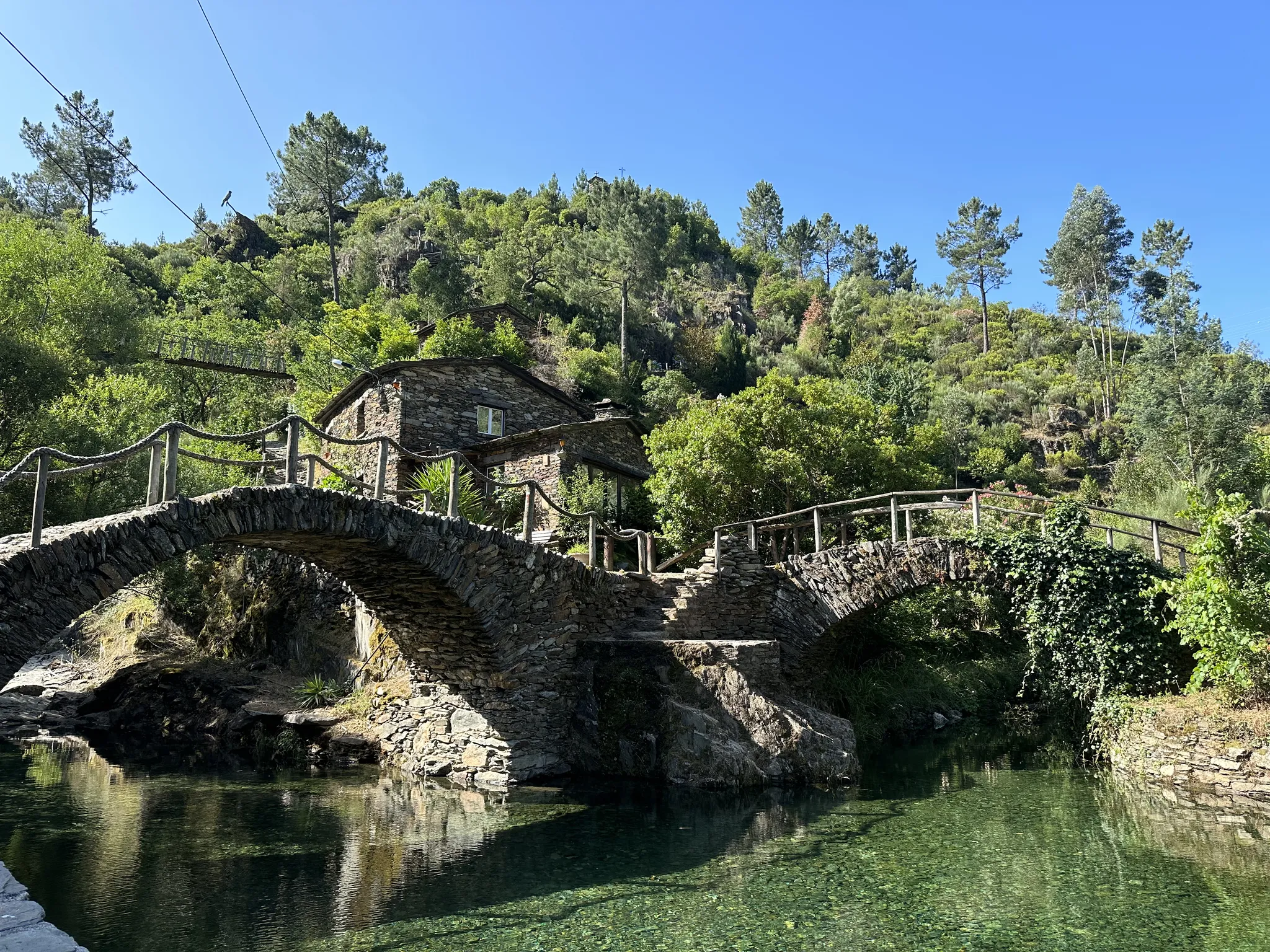
Both Piódão and Foz d'Égua are accessible by car. But it's worth hiking the trail that connects them. It takes about 45 minutes, downhill from Piódão to Foz d'Égua (remember that the return is a slight climb). It's worth crossing the restored suspension bridge in Foz d'Égua before returning to Piódão. The Foz d'Égua pool is a popular spot for a dip in its very cold waters. Dipping your feet in the icy water of the stream is always very pleasant after a hike, immersing yourself in nature. I did it and recommend it. 👍🥾
1
0
Piódão belongs to the network of Historic Villages of Portugal. The town (village) of Piódão, the urban center and the parish headquarters, has been classified as a Property of Public Interest since 1978.[3] Pedestrian trails of extraordinary beauty.👍🥾🦯
4
0

This area has been hit by a serious forest fire in recent weeks.
2
2

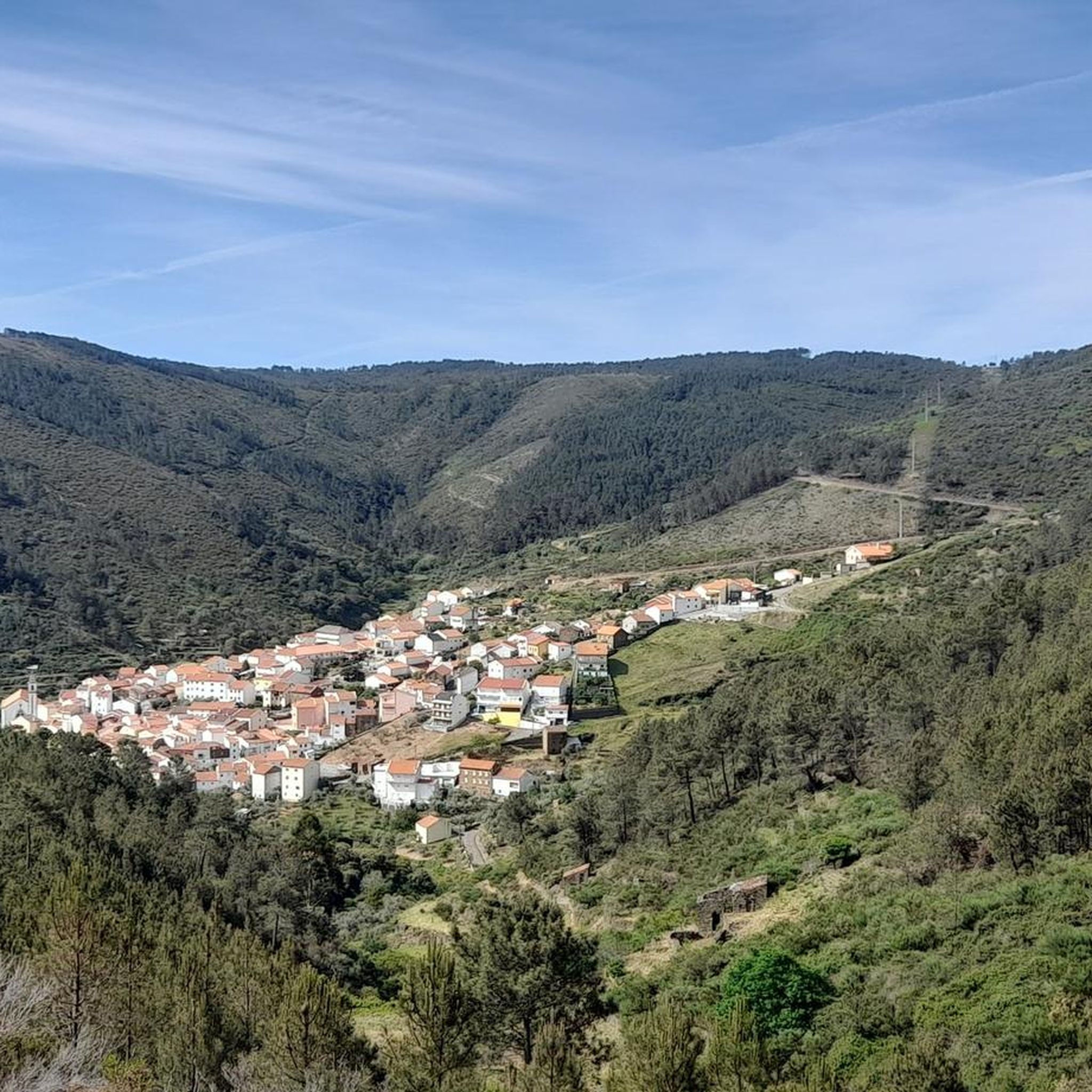
The hallmark of this mountain village with its narrow, winding streets is slate. This material, abundant in the region, is used in the construction of both the houses and the streets, giving rise to the town's characteristic color, interrupted only occasionally by the vibrant blue of the windows and doors of some houses.
5
1
The church stands out in the village due to its contrast with the traditional houses. The interior altar is carved from gilded wood, and the walls are tiled. The mother church, dedicated to the Immaculate Conception, stands out from the small, two-story houses. Completely whitewashed and with its unique cylindrical buttresses, it was built by the locals in the 19th century using their own financial resources.
5
0
Piódão is a particularly well-preserved, historic village worth a visit. If you're looking for peace and quiet and enjoy hiking, you've come to the right place. Although the historic village of Piódão doesn't hold any particular significance in Portugal's history, it has recently become an increasingly popular tourist attraction, perhaps due to its beautiful location in the Serra do Açor.
5
2
It's not really a parking lot; parking is free along the street, but on some days it's hard to find a spot.
2
1
Nestled in the Serra do Açor Mountains, just 300 meters from Piódão, the hotel is integrated into the landscape of this slate village. The INATEL Piódão features 27 fully equipped rooms, a bar, a restaurant, a meeting room, a heated pool, a games room, Wi-Fi, and private parking. It offers stunning views of the historic village.
1
1
Frequently Asked Questions
How many hiking trails are available in São Jorge Da Beira?
There are over 7 hiking routes documented in São Jorge Da Beira, offering a range of experiences from easy strolls to more challenging mountain paths through the Serra do Açor.
Are there easy hiking trails suitable for beginners in São Jorge Da Beira?
Yes, São Jorge Da Beira offers 2 easy hiking routes. One option is the Hiking loop from Casal da Lapa, which is 3.5 miles (5.7 km) long and typically takes about 1 hour 45 minutes. Another easy route is the Albufeira de Porto das Vacas – Miradouro da Malhada loop from Janeiro de Cima.
What kind of landscapes can I expect to see while hiking in São Jorge Da Beira?
Hikers in São Jorge Da Beira will encounter a diverse landscape featuring rugged mountain terrain, deep river valleys, and terraced hillsides. The region is known for its abundant chestnut trees and charming historic schist villages like Piódão and Chãs d'Égua, nestled within the Serra do Açor mountains.
Are there any circular hiking routes in São Jorge Da Beira?
Yes, many of the trails in São Jorge Da Beira are circular. Popular options include the Foz d'Égua – Historical Village of Piódão loop from Foz d'Égua and the Historical Village of Piódão – Foz d'Égua loop from Piódão, both connecting the picturesque river beach with the historic village. There's also the Hiking loop from Casal da Lapa.
What are some notable attractions or landmarks to see along the trails?
The region is rich in attractions. You can explore the remarkably preserved Historical Village of Piódão, known for its dark schist houses and blue windows. The enchanting river beach of Foz d'Égua, with its rustic bridges and natural pools, is another highlight. Nearby, the Chãs d'Égua Historical Village offers archaeological insights with ancient cave art.
What is the best time of year to go hiking in São Jorge Da Beira?
São Jorge Da Beira is appealing for hiking across multiple seasons. Spring and autumn offer pleasant temperatures and vibrant natural colors. Summer is ideal for enjoying the natural pools at Foz d'Égua, though trails can be hot. Winter hikes are possible, especially at lower elevations, but higher peaks like Pico da Cebola may require more preparation due to colder conditions.
What do other hikers enjoy most about the trails in São Jorge Da Beira?
The trails in São Jorge Da Beira are highly rated by the komoot community, with an average score of 4.7 stars from over 50 reviews. Hikers often praise the unique charm of the schist villages, the serene river landscapes, and the rugged beauty of the Serra do Açor mountains.
Are there any challenging routes for experienced hikers?
While the guide lists moderate routes, the Serra do Açor region, where São Jorge Da Beira is located, is known for its rugged terrain. The 10 km 'Percurso Pedestre Os Povos da Ribeira de Piodam' (PR2) connecting Piódão, Foz d'Égua, and Chãs d'Égua is considered challenging, taking 4 to 6 hours to complete. The ascent to Pico da Cebola (1418 meters) also offers a demanding experience with breathtaking panoramic views.
Can I find places to eat or drink near the hiking trails?
Many of the trails connect to or pass through historic villages like Piódão and Chãs d'Égua, where you can often find local establishments to eat or drink. These villages provide opportunities to experience regional cuisine and relax after your hike.
What is the significance of the schist villages in the region?
The schist villages, such as Piódão and Chãs d'Égua, are a defining feature of the region. They are remarkably well-preserved historic settlements where houses and streets are built entirely from dark schist and slate, blending seamlessly into the mountainous landscape. They offer a unique glimpse into traditional Portuguese architecture and culture.
Is there parking available at the trailheads?
While specific parking details for every trailhead are not provided, villages like Piódão and Foz d'Égua, which serve as common starting points for many routes, typically have designated areas for parking. It's advisable to check local signage upon arrival.
Most popular routes around São Jorge Da Beira
Most popular attractions around São Jorge Da Beira

Get inspired with the komoot mobile app


Explore more
Browse the best Hikes in other regions.
