The best road cycling routes around Arganil
4.8
(5)
112
riders
23
rides
Road cycling routes around Arganil traverse a diverse landscape characterized by forested slopes, mountainous terrain, and river valleys. The region, nestled in Portugal's Coimbra District, offers varied elevations and challenging climbs suitable for experienced cyclists, alongside more moderate paths. Rivers like the Alva and Ceira carve through the area, providing scenic backdrops for rides.
Best road cycling routes around Arganil
- The most popular road cycling route is Côja – Secarias River Beach loop from Arganil, a 30.5 miles (49.1…
Last updated: July 8, 2026
12
riders
49.2km
02:20
620m
620m
Moderate road ride. Good fitness required. Mostly well-paved surfaces and easy to ride.
11
riders
102km
04:56
1,280m
1,290m
Hard road ride. Very good fitness required. Mostly well-paved surfaces and easy to ride.

Sign up for free
9
riders
96.7km
05:27
2,070m
2,070m
Hard road ride. Very good fitness required. Some segments of this route may be unpaved and difficult to ride.
5.0
(2)
8
riders
53.7km
02:36
760m
760m
Moderate road ride. Good fitness required. Mostly well-paved surfaces and easy to ride.
10
riders
95.6km
05:27
1,900m
1,900m
Hard road ride. Very good fitness required. Mostly well-paved surfaces and easy to ride.
Get access to more routes and recommendations from other explorers.
Sign up for free
Already have an account?
Our route recommendations are based on thousands of hikes, rides, and runs completed by other people on komoot.
Start today with a free account
Your next adventure awaits.
Login or Signup

Tips from the Community

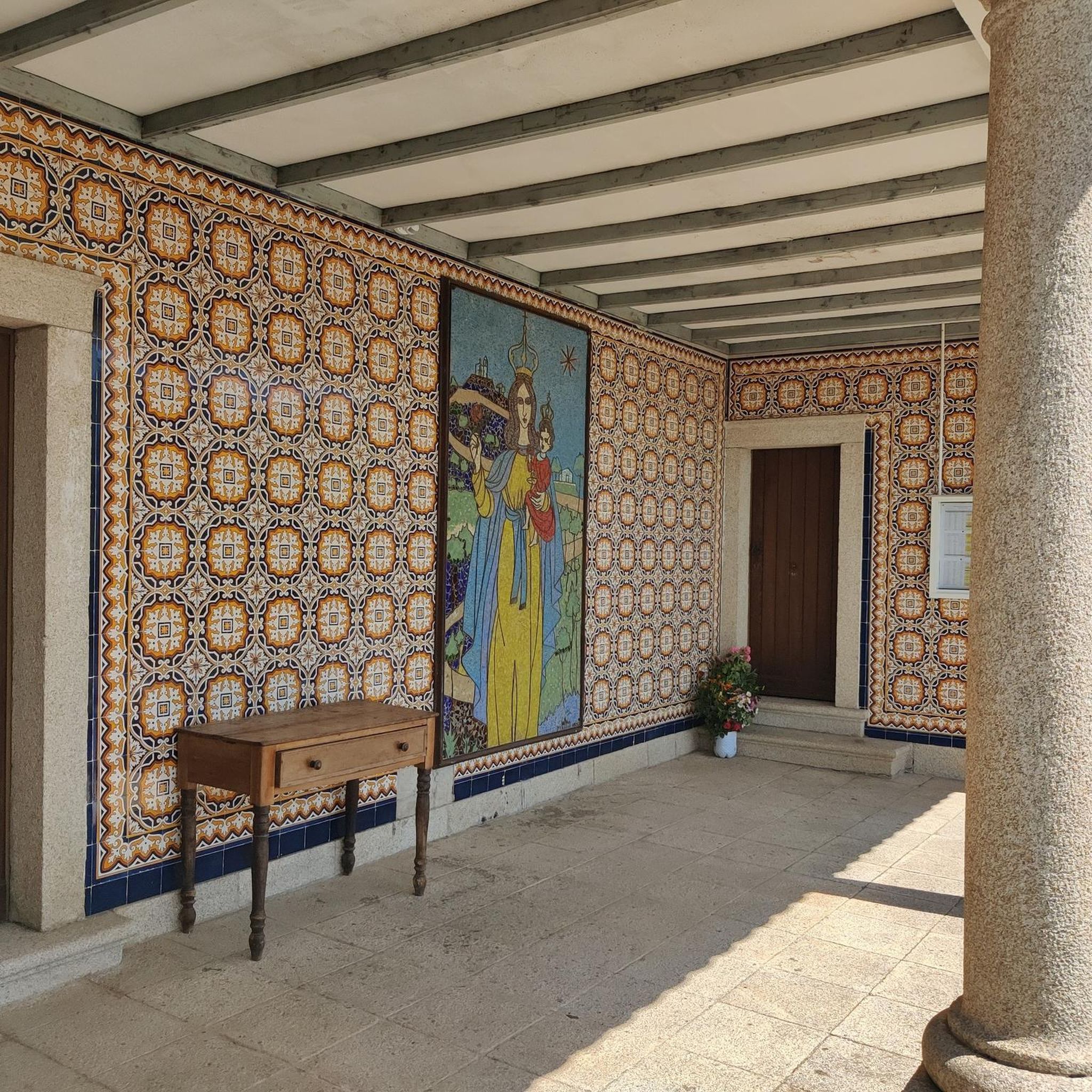
Both Piódão and Foz d'Égua are accessible by car. But it's worth hiking the trail that connects them. It takes about 45 minutes, downhill from Piódão to Foz d'Égua (remember that the return is a slight climb). It's worth crossing the restored suspension bridge in Foz d'Égua before returning to Piódão. The Foz d'Égua pool is a popular spot for a dip in its very cold waters. Dipping your feet in the icy water of the stream is always very pleasant after a hike, immersing yourself in nature. I did it and recommend it. 👍🥾
1
0
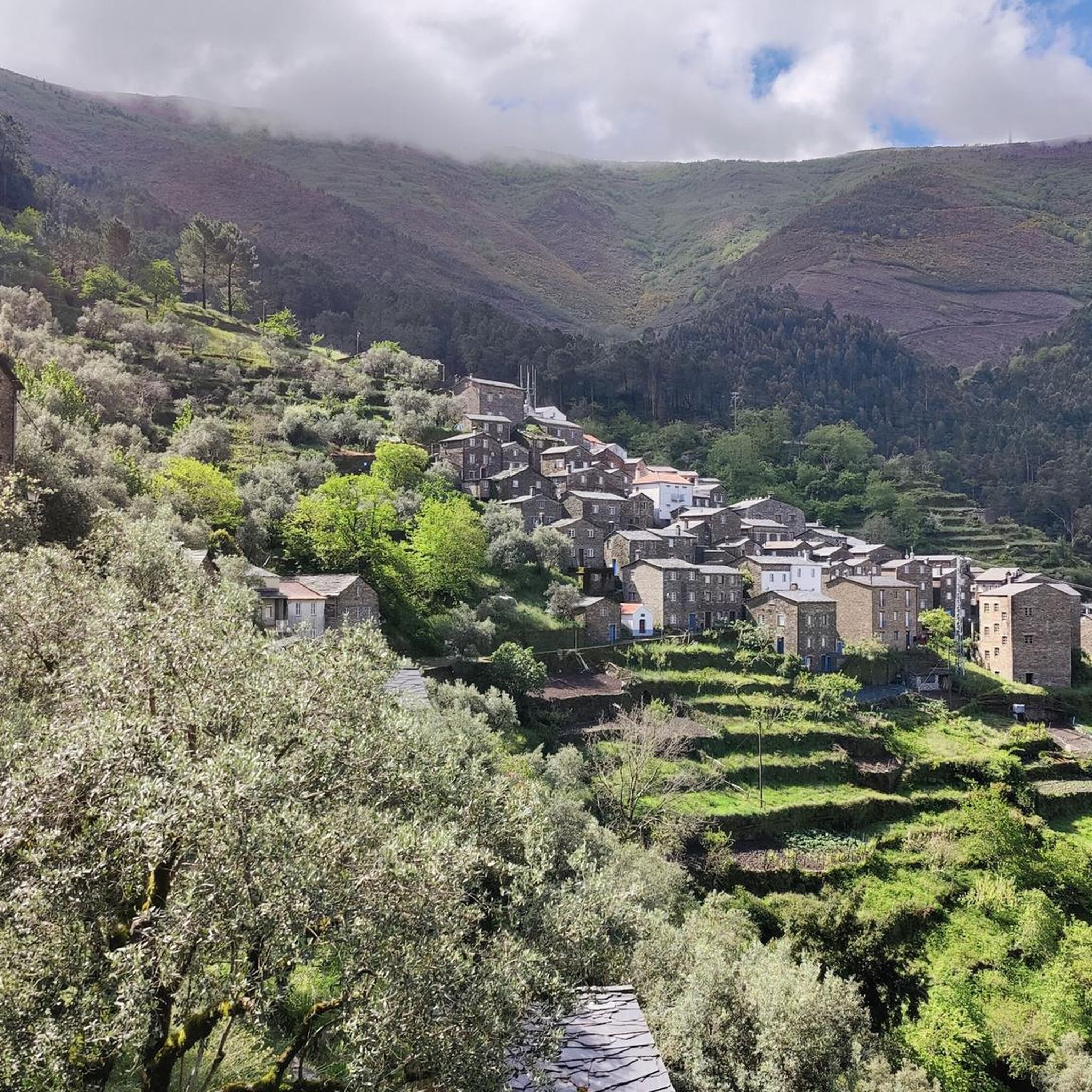
Piódão belongs to the network of Historic Villages of Portugal. The town (village) of Piódão, the urban center and the parish headquarters, has been classified as a Property of Public Interest since 1978.[3] Pedestrian trails of extraordinary beauty.👍🥾🦯
4
0

This area has been hit by a serious forest fire in recent weeks.
2
2

Piódão is a particularly well-preserved, historic village worth a visit. If you're looking for peace and quiet and enjoy hiking, you've come to the right place. Although the historic village of Piódão doesn't hold any particular significance in Portugal's history, it has recently become an increasingly popular tourist attraction, perhaps due to its beautiful location in the Serra do Açor.
5
2

Nestled along the banks of the Alva River, Côja is immersed in a green environment, surrounded by mountains and forests. The village is characterized by traditional architecture, a charming Roman bridge and a peaceful atmosphere.
1
0
Monte do Colcurinho is an imposing peak of about 1,242 meters in the Serra do Açor, Portugal. It offers spectacular views that extend from the Serra da Estrela to much of central Portugal. In addition to its natural beauty, it is an important religious site, with a sanctuary dedicated to Nossa Senhora das Necessidades, a destination for annual pilgrimages. It is a place that combines breathtaking nature and deep spirituality.
0
0

Nestled in the Açor mountains, near Piódão, the river beach of Foz d’Égua is an enchanted corner that comes alive in the summer. Where the Piódão and Chãs d’Égua streams meet, a natural pool is formed, surrounded by rustic bridges, old mills and shale everywhere.
3
0
Piódão, the charming schist village with blue doors, is still home to around 170 inhabitants. It is said that the blue doors came about by chance (it was the only colour available) and ended up becoming a tradition. In the centre, next to the square, there is a small, lively café and a restaurant serving regional dishes. The car park is at the entrance to the village (there are around 50 spaces) and there are public toilets right in the centre, everything ready for a peaceful visit to this living postcard of the mountains.
2
0
Frequently Asked Questions
How many road cycling routes are available around Arganil?
Arganil offers a diverse selection of over 20 road cycling routes. These routes cater to various skill levels, with options ranging from moderate to difficult, allowing cyclists to explore the region's varied terrain.
What kind of terrain can I expect on road cycling routes in Arganil?
Road cycling in Arganil features a diverse landscape of forested slopes, mountainous terrain, and scenic river valleys. You'll encounter varied elevations, including challenging climbs like those found on the Col de Santa Comba Pass and Pico da Cebola Pass, alongside more moderate paths that follow rivers like the Alva and Ceira.
Are there any easy road cycling routes for beginners in Arganil?
While many routes in Arganil are moderate to difficult, there is at least one easy road cycling route available. For those looking for a less strenuous ride, consider exploring options that stick to the river valleys, which often provide flatter sections.
What are some popular circular road cycling routes in Arganil?
Many of Arganil's road cycling routes are designed as loops, allowing you to start and finish in the same location. Popular options include the Côja – Secarias River Beach loop from Arganil, a moderate 49.1 km ride, or the more challenging Palheiros River Beach – Livraria do Mondego Viewpoint loop from Arganil, which covers 102.1 km.
What natural attractions can I see along the road cycling routes in Arganil?
Arganil's routes often pass by stunning natural features. You can encounter the impressive Fraga da Pena Waterfall in the Serra do Açor Protected Landscape, or ride alongside the Alva and Ceira rivers, which carve through valleys and offer picturesque views. The region is also known for its lush forests and mountainous backdrops.
Are there any historic villages or cultural landmarks accessible by road bike in Arganil?
Yes, several routes will take you through or near charming villages. For example, the difficult Historical Village of Piódão – Foz d'Égua loop from Arganil offers significant elevation gain and passes by the unique schist village of Piódão. Other settlements like Côja and Fajão are also part of the region's rich cultural landscape.
What is the best time of year for road cycling in Arganil?
Arganil's diverse landscapes are enjoyable throughout much of the year. Spring and autumn generally offer the most pleasant temperatures for road cycling, with lush scenery and comfortable conditions. Summer can be warm, especially in the valleys, but higher elevations provide cooler air. Winters are milder but can bring rain.
What do other road cyclists say about the routes in Arganil?
The road cycling routes in Arganil are highly rated by the komoot community, with an average score of 4.75 stars from a few reviews. Cyclists often praise the region's varied terrain, the beauty of the river valleys, and the challenge of its mountainous climbs, making it a rewarding destination for exploration.
Can I find long-distance road cycling routes in Arganil?
Absolutely. Arganil offers several long-distance routes for endurance cyclists. For instance, the Côja – Castelo de Avô loop from Carapinha is a difficult 95.1 km path with significant elevation gain, while the Palheiros River Beach – Livraria do Mondego Viewpoint loop from Arganil extends over 102 km, providing ample distance for a full day's ride.
Are there routes that pass by river beaches for a break?
Yes, Arganil is known for its river beaches, and some road cycling routes incorporate them. The moderate Côja – Secarias River Beach loop from Arganil is a great example, featuring scenic sections along river beaches where you can take a refreshing break. The region's river beaches along the Alva offer opportunities for swimming and picnicking.
What are the most challenging road cycling climbs in the Arganil region?
For experienced cyclists seeking a challenge, Arganil features notable passes like the Col de Santa Comba Pass, known for its steep gradients and hairpin turns, and Pico da Cebola Pass, which offers rewarding views after a demanding climb. Many of the difficult routes, such as the Côja – Castelo de Avô loop from Carapinha, include significant elevation gains.
Most popular routes around Arganil
Most popular attractions around Arganil

Get inspired with the komoot mobile app


Explore more
Browse the best Road cycling routes in other regions.
