Attractions and Places To See around São Gião - Top 20
Best attractions and places to see around São Gião include a blend of historical landmarks, natural features, and cultural sites. The village is situated in the Alva River valley, near the Serra da Estrela and Serra do Açor. Visitors can explore ancient structures, river beaches, and traditional architecture. This region offers diverse points of interest for those seeking to discover its heritage and landscapes.
Best attractions and places to see around São Gião
- The most popular attractions is Lapa dos Dinheiros River Beach, a beach nestled on the banks of the Caniça river. This area is in a mountainous landscape with crystal-clear water suitable for swimming.
- Another must-see spot is Historical Village of Piódão, a settlement known for its well-preserved slate houses and blue doors. This village is part of the network of Historic Villages of Portugal and offers pedestrian trails.
- Visitors also love Aqueduct of the Caniça Route, a man-made monument that is part of a regional hiking trail. This route involves varied terrain and offers scenic views.
- São Gião is known for its historical sites, natural monuments, and river beaches. The region offers a variety of attractions to see and explore, from ancient structures to natural swimming spots.
- The attractions around São Gião are appreciated by the komoot community, with more than 60 upvotes and 40 photos shared.
Last updated: July 1, 2026
Lapa dos Dinheiros River Beach
Highlight • Beach
The crystal-clear, inviting water is perfect for a refreshing dip. The beach, which has been awarded the title of accessible, has lifeguards and a bar, making the experience even more enjoyable.
Translated by Google •
Tip by

Historical Village of Piódão
Highlight • Settlement
The town (village) of Piódão, the urban center and the parish headquarters, has been classified as a Property of Public Interest since 1978.[3]
Pedestrian trails of extraordinary beauty.👍🥾🦯
Translated by Google •
Tip by

Sign up now to discover places like this
Get recommendations on the best single tracks, peaks, & plenty of other exciting outdoor places.
Sign up for free
Foz d'Égua
Highlight • Beach
The landscape is serene, but getting there is a bit of an adventure: a rough trail winds down to the water, crossing terraces and shale steps that make the arrival part of the experience.
Translated by Google •
Tip by
Cornos do Diabo
Highlight • Natural Monument
But the charm doesn't end there: around this unique formation, there are small crystal-clear lagoons and serene waterfalls, creating a true natural refuge that seems to have come straight out of a fantasy story.
Translated by Google •
Tip by
Aqueduct of the Caniça Route
Highlight (Segment) • Monument
Translated by Google •
Tip by

Sign up for free to discover even more attractions around São Gião.
Sign up for free
Already have an account?
Start today with a free account
Your next adventure awaits.
Login or Signup
Tips from the Community

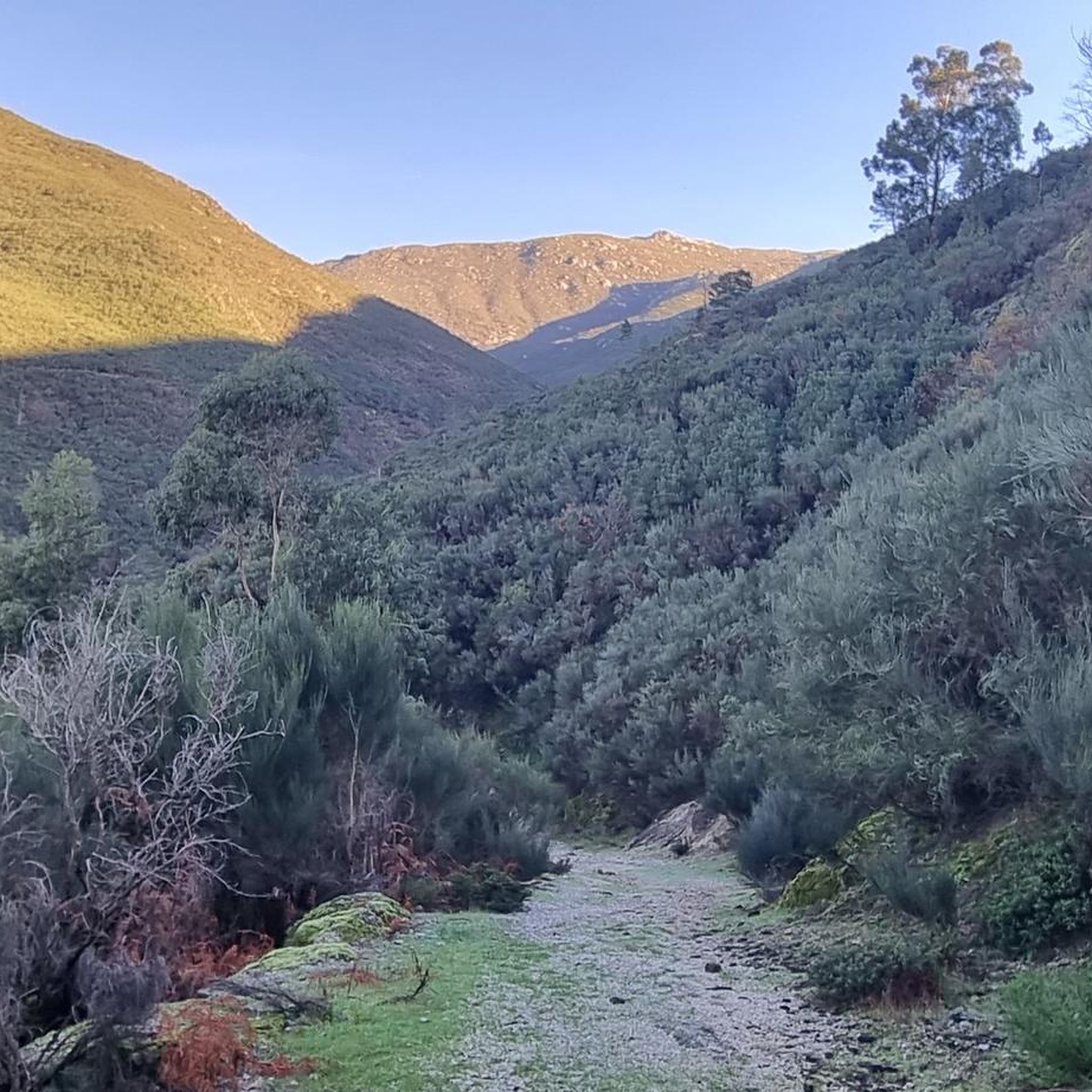
The Devil's Horns are a prominent granite rock formation with two horn-like points, located in the Serra da Estrela mountain range, near Lapa dos Dinheiros and Senhora do Desterro (not in Gerês, but in Seia, Portugal). They are the highlight of a famous circular hiking trail that follows a water channel and the Caniça stream, offering stunning landscapes, lagoons, and waterfalls. 👍🥾
0
0

The Lapa dos Dinheiros river beach is in perfect harmony with nature. Located in the parish of Lapa dos Dinheiros, on the Caniça River, a right-bank tributary of the Alva River, this bathing area is nestled in a mountainous landscape dominated by the Lapa Souto (south of Lapa) and imposing granite outcrops. With clear water, very appealing for swimming, the beach boasts the award for accessible beach and has lifeguards and a bar available to visitors. The rugged terrain of the valley causes the river to form a succession of small waterfalls nearby. The Lapa Souto, in addition to its valuable collection of centuries-old chestnut trees, is also home to a high level of biodiversity. From the bridge, a pedestrian path leads to the Moura Hole and a viewpoint over the Caniça Waterfalls. The Buraco da Moura is a natural cave system created by the sliding and accumulation of large granite blocks, which formed a complex system of rooms and galleries. How to get there? Once in Seia, follow the EN231 to S. Romão. From there, continue uphill for about 5 km, toward Loriga/Lapa, until you find the sign for Lapa dos Dinheiros on the left. Once inside the town, simply follow the beach signs. Coordinates: 40º 23′ 07.0″ N / 7º 41′ 50.1″ W
1
0
Both Piódão and Foz d'Égua are accessible by car. But it's worth hiking the trail that connects them. It takes about 45 minutes, downhill from Piódão to Foz d'Égua (remember that the return is a slight climb). It's worth crossing the restored suspension bridge in Foz d'Égua before returning to Piódão. The Foz d'Égua pool is a popular spot for a dip in its very cold waters. Dipping your feet in the icy water of the stream is always very pleasant after a hike, immersing yourself in nature. I did it and recommend it. 👍🥾
1
0
Piódão belongs to the network of Historic Villages of Portugal. The town (village) of Piódão, the urban center and the parish headquarters, has been classified as a Property of Public Interest since 1978.[3] Pedestrian trails of extraordinary beauty.👍🥾🦯
4
0

This area has been hit by a serious forest fire in recent weeks.
2
2

Piódão is a particularly well-preserved, historic village worth a visit. If you're looking for peace and quiet and enjoy hiking, you've come to the right place. Although the historic village of Piódão doesn't hold any particular significance in Portugal's history, it has recently become an increasingly popular tourist attraction, perhaps due to its beautiful location in the Serra do Açor.
5
2
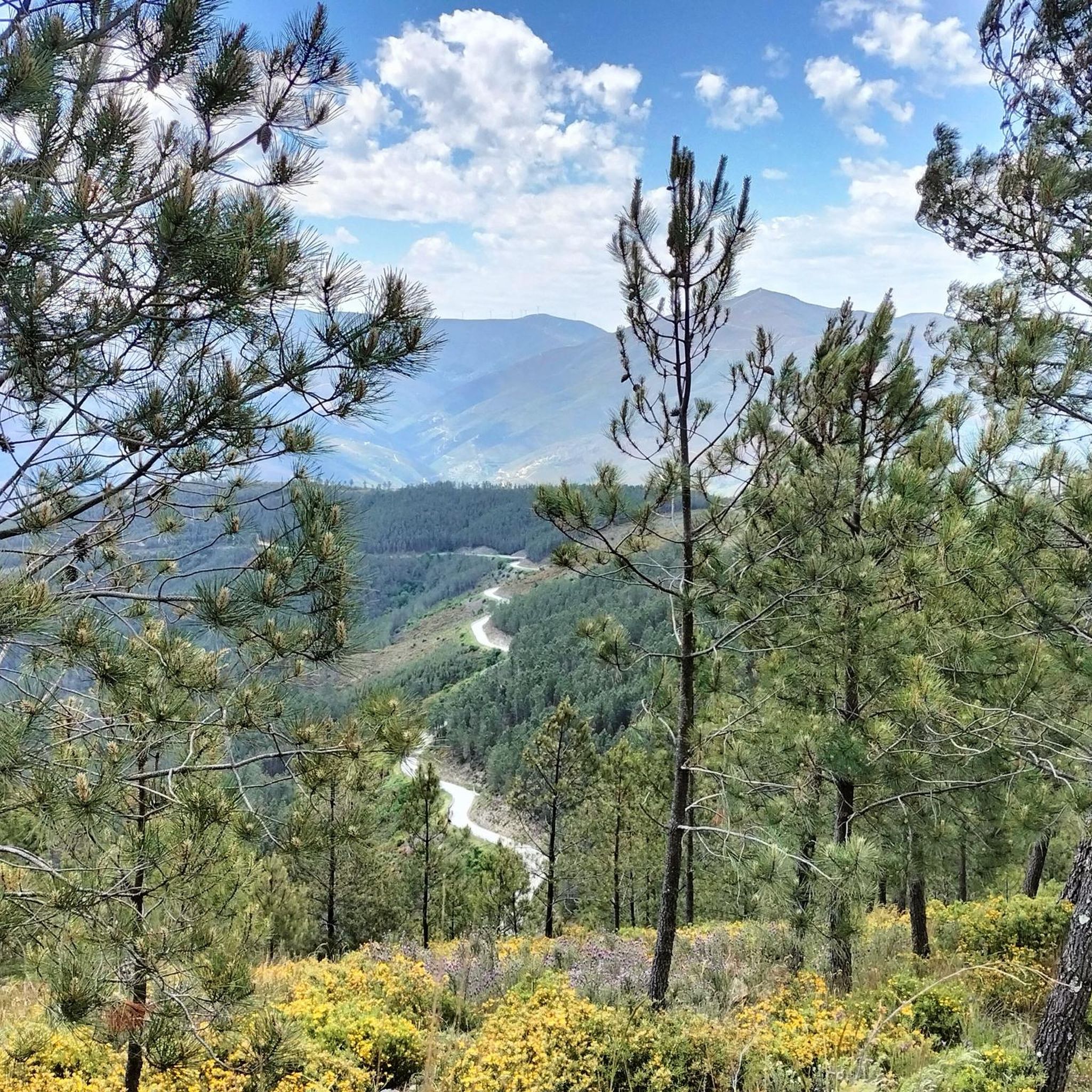
Caution: collapsed path (also aqueduct) 2.5 km from the start. Possible but dangerous passage.
3
0

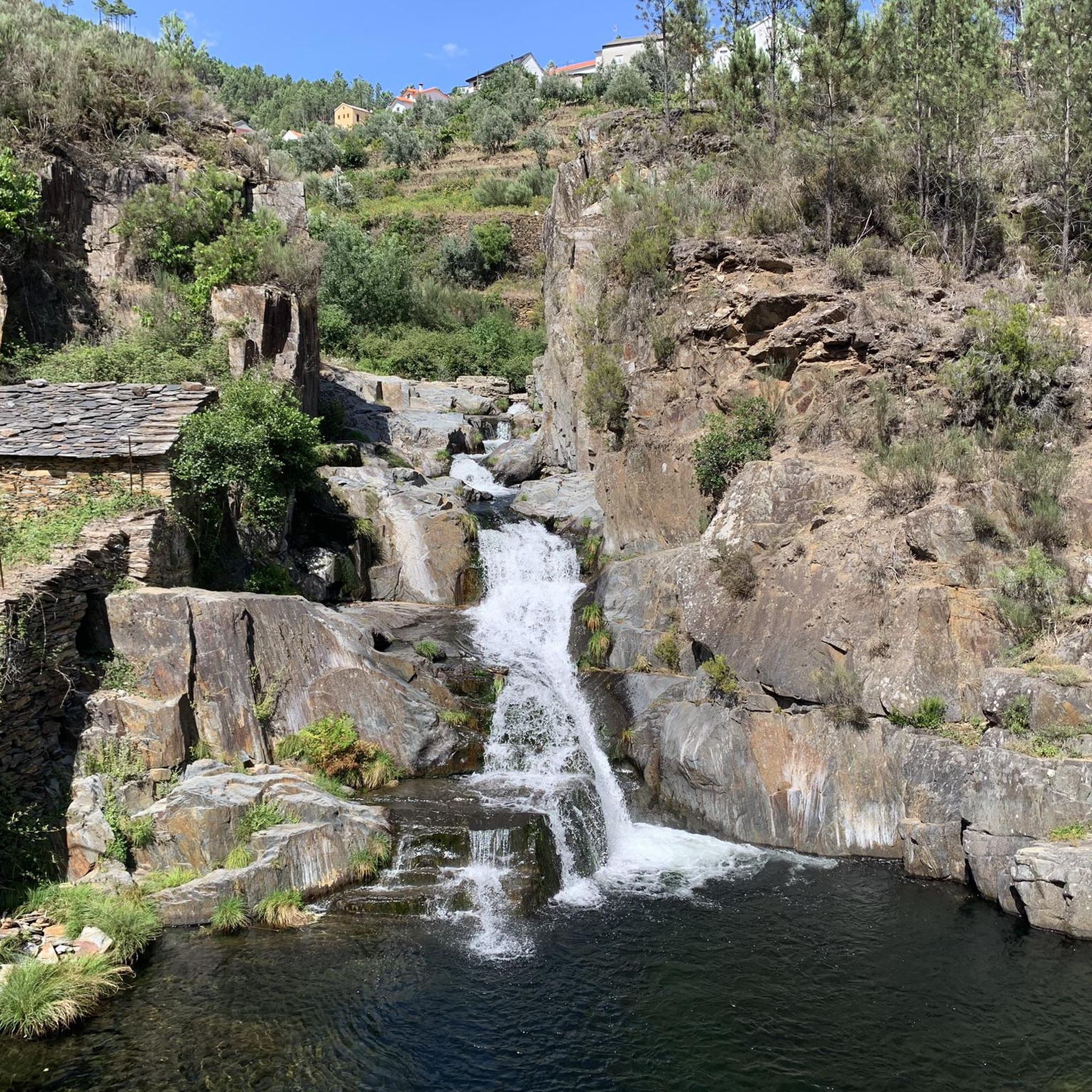
Nestled in the Açor mountains, near Piódão, the river beach of Foz d’Égua is an enchanted corner that comes alive in the summer. Where the Piódão and Chãs d’Égua streams meet, a natural pool is formed, surrounded by rustic bridges, old mills and shale everywhere.
3
0
Frequently Asked Questions
What historical landmarks can I explore in São Gião?
São Gião is rich in history. You can visit the monumental Mother Church of São Gião, also known as the 'Catedral das Beiras', built in 1795 in Baroque style with a ceiling adorned with 102 panels. The village also features several historic chapels, including the 19th-century Chapel of Senhor dos Aflitos, the 17th-century Chapel of Senhora da Criação, and the 16th-century Chapel of São Sebastião. Nearby, the ancient Roman Bridge of Sandomil is still in use today.
Are there any natural swimming spots or river beaches in the area?
Yes, the region offers several beautiful spots for swimming and relaxation. The Lapa dos Dinheiros River Beach is a tranquil haven on the Caniça River, known for its crystal-clear water and mountainous scenery. Another enchanting spot is Foz d'Égua, nestled in the Açor mountains, where the Piódão and Chãs d’Égua streams meet to form a natural pool.
What cultural sites are worth visiting around São Gião?
Beyond the historical buildings, you can experience the local culture by visiting the Historical Village of Piódão, famous for its well-preserved slate houses and distinctive blue doors. The village itself showcases traditional architecture with granite houses and vibrant flowers. Other cultural points of interest include the Casa Museu da Fundação Dona Maria Emília Vasconcelos Cabral and the Parque Arqueológico de São Bartolomeu.
Are there family-friendly activities or attractions in São Gião?
Absolutely. The Lapa dos Dinheiros River Beach is an excellent choice, offering accessible facilities, lifeguards, and a bar, making it perfect for families. The Historical Village of Piódão is also considered family-friendly, offering a unique cultural experience. Additionally, the Foz d'Égua river beach provides a serene natural setting suitable for all ages.
Where can I find unique natural formations or viewpoints?
The region boasts several impressive natural features. The Cornos do Diabo (Devil's Horns) are prominent granite rock formations with two horn-like points, surrounded by crystal-clear lagoons and waterfalls. You can also visit the massive granite boulder known as Penedo da Moura, which contains a natural cave. Many of the river beaches and historical villages also offer stunning viewpoints over the valleys and mountains.
What kind of hiking trails are available near São Gião?
The area around São Gião, situated near the Serra da Estrela and Serra do Açor, offers diverse hiking opportunities. You can explore trails like the Aqueduct of the Caniça Route, which is part of a regional hiking trail (PR10) with varied terrain and scenic views. This route requires good step resistance and involves some climbing. For more options, you can find various running trails in the region, including the 'Cornos do Diabo – Aqueduct of the Caniça Route loop from Lapa dos Dinheiros', which is a challenging 11.2 km trail. Discover more running trails at Running Trails around São Gião.
Are there any ancient monuments or archaeological sites nearby?
Yes, the region is home to significant ancient monuments. You can visit the Megalithic Monuments, specifically the Anta de Arcaínha and Anta do Pinheiro dos Abraços, which offer a glimpse into prehistoric times. The Parque Arqueológico de São Bartolomeu also provides insights into the region's past.
What cycling routes are available around São Gião?
For cycling enthusiasts, São Gião offers a variety of routes. You can embark on challenging road cycling tours like the 'Epic climb to Monte Colcurinho - Loop tour' (51.8 km) or the 'Covão do Ferro Lagoon – Serra da Estrela loop from São Gião' (81 km). For touring bicycles, options include the 'Palheiras de Fiais da Beira – Cinciana Eternity Dolmen loop from Oliveira do Hospital' (42.4 km). Explore more cycling routes at Cycling around São Gião and Road Cycling Routes around São Gião.
What is the São Gião Radio Telescope?
The São Gião Radio Telescope is a notable scientific landmark located between São Gião and Carvalha. It is the largest radio telescope in mainland Portugal, with a 9.3-meter diameter, and is used for astronomical measurements and educational purposes.
What is the best time of year to visit São Gião for outdoor activities?
São Gião's location near the Serra da Estrela and Serra do Açor means it experiences varied seasons. For outdoor activities like hiking and swimming at river beaches, the warmer months from late spring to early autumn (May to September) are generally ideal, offering pleasant temperatures and sunshine. However, the natural beauty of the region can be appreciated year-round, with each season offering a different landscape.
Are there any unique architectural features in São Gião village itself?
Yes, the village of São Gião is charming with its traditional architecture. You'll find granite houses, often adorned with balconies and terraces decorated with vibrant flowers, reflecting the local heritage and adding to the picturesque setting of the Alva River valley.
What are the 'Palheiros de Fiais da Beira'?
The Palheiros de Fiais da Beira are traditional granaries found in the vicinity of São Gião. These structures are an interesting cultural feature, offering a glimpse into the agricultural history and traditional building methods of the region.
Most popular routes around São Gião
Most popular attractions around São Gião

Get inspired with the komoot mobile app


Explore more
Still not found the Highlight you’re looking for? See guides of the top attractions in other regions:
