Attractions and Places To See around Seixo Da Beira - Top 6
Attractions and places to see around Seixo Da Beira include historical landmarks and ancient megalithic monuments, reflecting the region's rich past. This Portuguese parish, located within the municipality of Oliveira do Hospital, offers insights into its cultural heritage. The area is characterized by its historical sites and proximity to natural features like the Serra da Estrela Nature Park, providing a blend of cultural and outdoor exploration. Visitors can explore ancient dolmens and local churches, alongside trails that lead to viewpoints…
Last updated: July 1, 2026
Lapa da Orca Dolmen
Highlight • Historical Site
Translated by Google •
Tip by

Anta da Palheira
Highlight • Historical Site
cm-carregal.pt/pages/1027?poi_id=129
ORCA/ANTA from PALHEIRA is located in the megalithic nucleus of Fiais/Ameal. It is …
Translated by Google •
Tip by

Sign up now to discover places like this
Get recommendations on the best single tracks, peaks, & plenty of other exciting outdoor places.
Sign up for free
Side Road to Torre (Serra da Estrela)
Highlight (Segment) • Trail
Translated by Google •
Tip by

Orca do Outeiro do Rato
Highlight • Historical Site
Translated by Google •
Tip by
ORCA o DOLMEN di Santo Tisco
Highlight (Segment) • Historical Site
This dolmen has some …
Translated by Google •
Tip by
Sign up for free to discover even more attractions around Seixo Da Beira.
Sign up for free
Already have an account?
Start today with a free account
Your next adventure awaits.
Login or Signup
Tips from the Community

Coming from Cabana do Viriato, a detour by off-road gravel vehicle allows you to visit this prehistoric site. If you're passing through, it's worth a visit. This dolmen has some characteristics different from other dolmens in the region, making it unique. It is a nascent corridor dolmen, marked only by two vertical stones resting on the larger base, forming what is generally called a vestibular corridor. Its head is formed by two vertical stones, giving the chamber a sub-rectangular layout with nine vertical stones. The mound has an elliptical shape, measuring 13 m by 9.5 m, with 1 m of preserved height. Unfortunately, I didn't see this "red splash," perhaps representing the 🌞. A dolmen is: ANTA or DOLMEN or ORCA: Megalithic mound or funerary monument from the Neolithic period, intended for collective burials. It consists of a room and a long corridor of 6/7/8 meters. There are also doors without corridors.
0
0

Designated a National Monument since 1974, this structure retains the nine upright stones of its main chamber, which is three meters high, and the capstone (covering slab) practically intact. The access corridor to the chamber has 15 upright stones and preserves all the covering slabs, with the dolmen being inserted into a tumulus (or mound, which originally covered the entire stone structure of the monument) approximately 20 meters in diameter. Its construction is believed to have occurred during the Neolithic-Chalcolithic period (between the end of the Neolithic and the beginning of the Chalcolithic), corresponding to the end of the 4th millennium BC. The region where the Orca Dolmen is located shows traces of continuous human activity and occupation since the prehistoric period. It is situated in an area with orographic characteristics conducive to human settlement, being close to a watercourse (the Mondego River) and possessing vast hunting resources. We know that shepherding has been a source of livelihood and income for centuries for the populations of the region, situated on a livestock route between the highlands of the Serra da Estrela and the Mondego valley.
1
0
This Orca/Anta is part of a tour circuit: PREHISTORIC CIRCUIT OF FIAIS/AZENHA in Carregal do Sal. https://www.cm-carregal.pt/pages/1027?poi_id=129 ORCA/ANTA from PALHEIRA is located in the megalithic nucleus of Fiais/Ameal. It is a monument of considerable size, which can be placed, architecturally, within the large group of monuments of Beira. It has a polygonal chamber with nine pillars, with an elongated corridor. However, its peculiar characteristics make this monument the rarest and most representative example of the circuit, given that at a somewhat later and yet to be determined period, a considerable barn was built around its central structure, which is part of that farm. Thus, the dolmen remained incorporated within it and was used as a dwelling until the 1970s.
2
0
ORCA or ANTA or DOLMEN: Megalithic mound or funerary monument from the Neolithic period, intended for collective burials. It consists of a chamber and a long corridor of 6, 7, or 8 meters. There are also Ante without a corridor. The large, vertical stones are called esteios/foundation pillars, and the covering slab is called the dome or cap. The ORCA DO OUTEIRO DO RATO is one of the megalithic monuments located on the small plateau between the villages of Lapa do Lobo and Oliveira Conde, at an altitude of 323 meters, located on the edge of the main circuit road in a pine forest and near an area of irrigated land. According to studies, the funerary monument consists of a polygonal chamber and a long corridor, the chamber having undergone several excavations and mutilations over its existence. It's part of the Fias Telha prehistoric circuit: https://www.komoot.it/tour/2520207143?ref=avs&share_token=aiC2Rft7sttJ3tJDY2ueR34qa
1
0

It is one of the largest dolmens in Portugal and one of the best preserved.
3
0


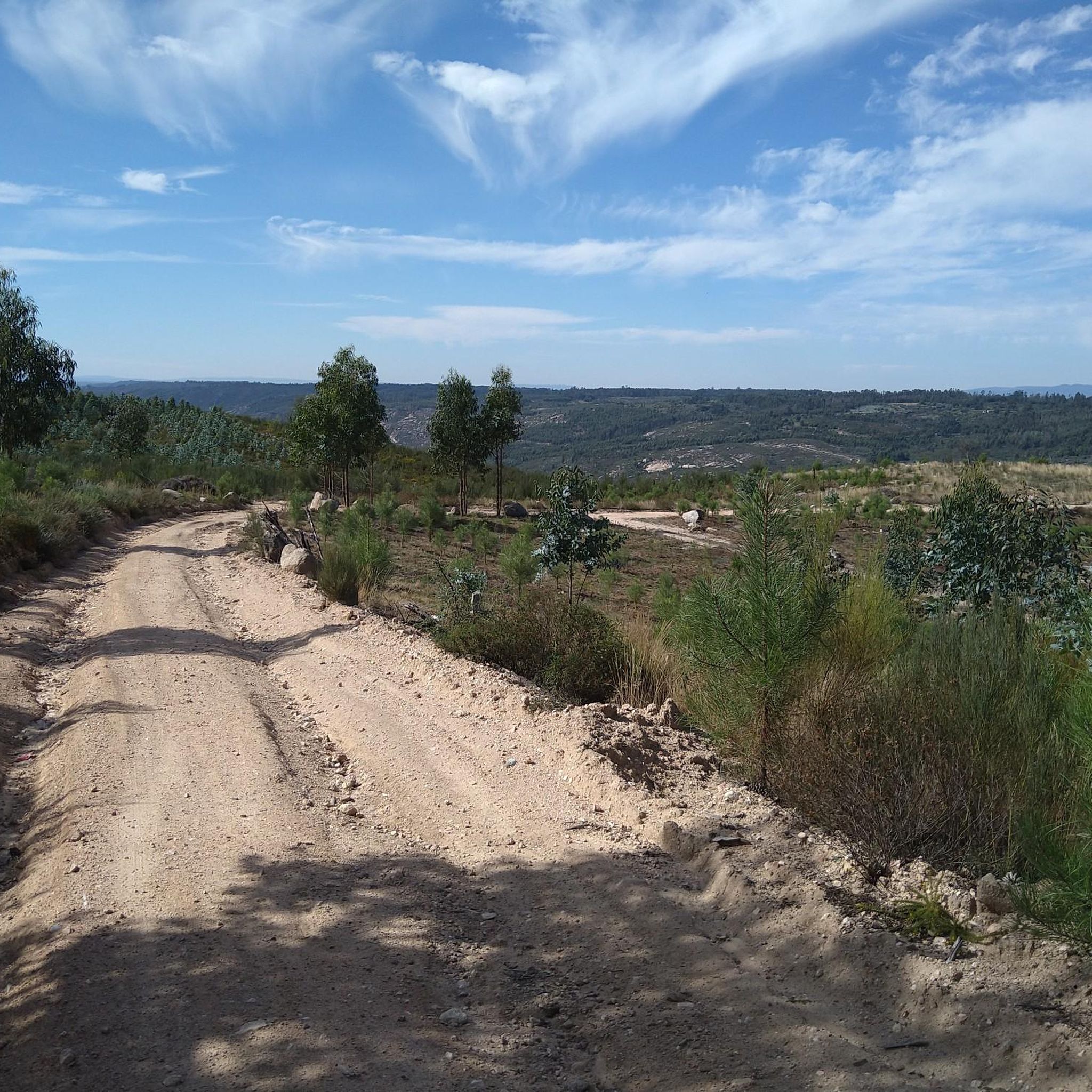
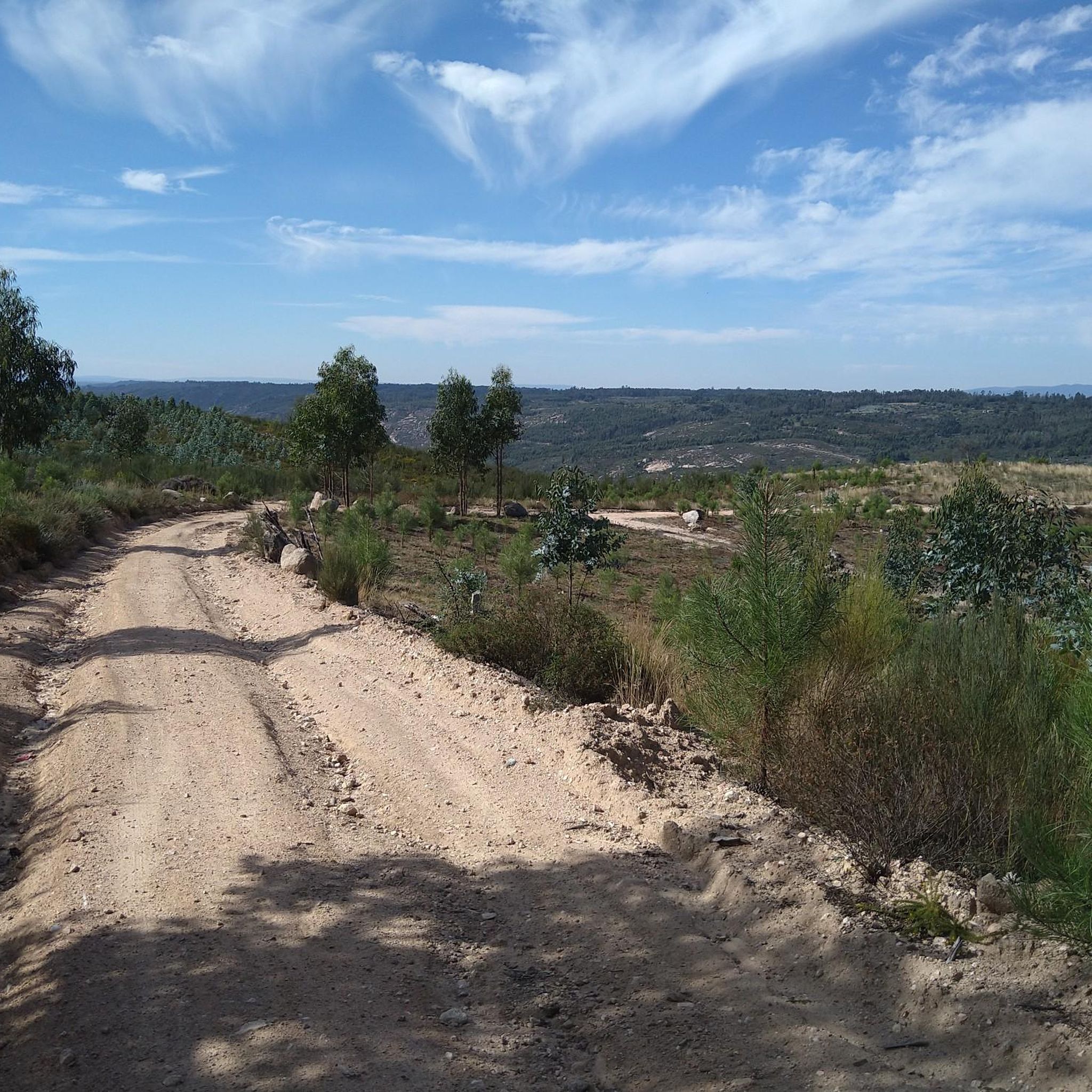
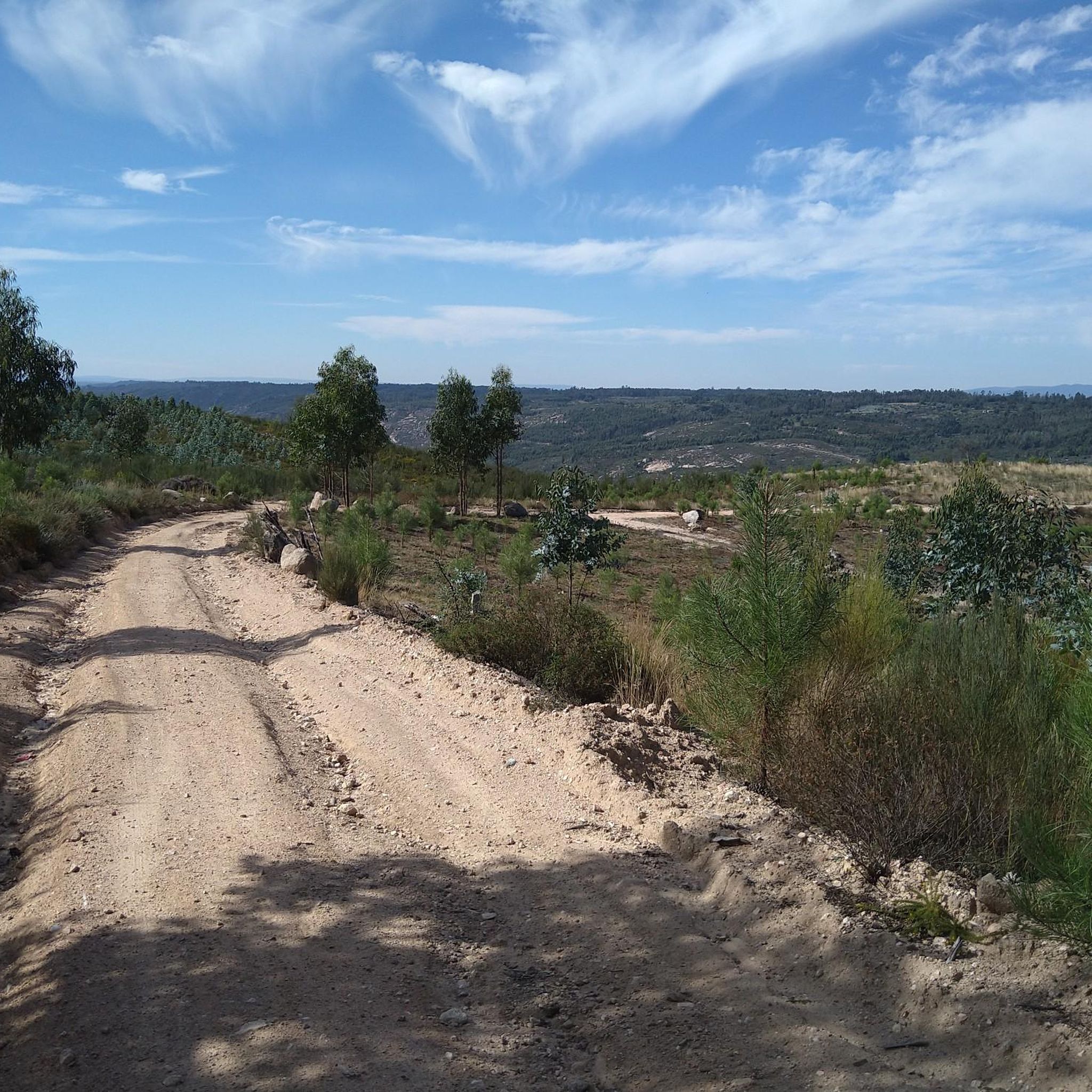
Virtually zero traffic. Absolutely quiet. Increase on average 8-9% after the ramp has been overcome by 14% in the starting area. The asphalt, however, is only for the increase.
2
1
Frequently Asked Questions
What historical sites can I explore in Seixo da Beira?
Seixo da Beira is rich in history. You can visit the Pelourinho de Seixo da Beira, a historical pillory that signifies the town's past autonomy, and the local Igreja Paroquial (Parish Church), a central cultural and architectural feature. The region is also home to several ancient megalithic monuments.
Can you tell me more about the ancient megalithic monuments in the area?
The region around Seixo da Beira features several significant megalithic monuments. The Lapa da Orca Dolmen is one of the largest and best-preserved dolmens in Portugal, retaining its nine upright stones and capstone. Another notable site is Anta da Palheira, a large monument with a polygonal chamber and corridor, uniquely used as a dwelling until the 1970s. You can also find the Orca do Outeiro do Rato, another megalithic mound from the Neolithic period.
What natural attractions are near Seixo da Beira?
While Seixo da Beira itself is known for its historical roots, several natural attractions are within a reasonable distance. The majestic Serra da Estrela Nature Park, about 22.7 kilometers away, offers stunning landscapes and hiking opportunities. Closer by, you can find Açude da Ribeira (6.7 km) in Oliveira do Hospital, a natural spot for recreation, and the River Beach Sandomil (12.5 km) for leisure by the water.
Are there any good viewpoints in the Seixo da Beira region?
Yes, for those seeking scenic views, the Side Road to Torre (Serra da Estrela) offers a quiet route with virtually zero traffic and an average incline of 8-9% after an initial ramp. This trail provides excellent opportunities for panoramic views, especially as you ascend towards the higher elevations of Serra da Estrela.
What outdoor activities can I do near these attractions?
The area around Seixo da Beira is excellent for various outdoor activities. You can find numerous routes for hiking, road cycling, and mountain biking. For hiking, consider trails like the 'Anta da Palheira – Lapa da Orca Dolmen loop'. Road cyclists might enjoy the 'Orca da Lapa do Lobo loop', while mountain bikers have options such as the 'Chapel of São Sebastião (Bião) loop'. You can explore more routes in the dedicated guides for Hiking, Road Cycling, and MTB Trails around Seixo da Beira.
Are there family-friendly attractions around Seixo da Beira?
Yes, the Lapa da Orca Dolmen is categorized as family-friendly, offering an engaging historical experience for all ages. Exploring these ancient megalithic sites can be an educational and interesting outing for families. Additionally, natural spots like Açude da Ribeira and River Beach Sandomil provide recreational opportunities suitable for families.
What is the best time of year to visit Seixo da Beira?
The region generally experiences pleasant weather for outdoor activities during spring and early autumn. These seasons offer milder temperatures, which are ideal for exploring historical sites and engaging in hiking or cycling without the intense heat of summer or the chill of winter. Summer can be warm, perfect for enjoying river beaches, while winter might be cooler, especially in higher elevations like Serra da Estrela.
Are there any restaurants or places to eat with a unique experience?
Yes, Paço dos Cunhas is a highly recommended restaurant located in a 15th-century palace. It offers a unique dining experience, combining tradition with modern techniques, and is attached to the Casa de Santar, a renowned wine producer. You can enjoy a meal in a perfectly preserved cellar and explore the surrounding vineyards.
What do visitors enjoy most about the attractions around Seixo da Beira?
Visitors particularly appreciate the rich historical significance of the area, especially the well-preserved megalithic monuments like the Lapa da Orca Dolmen and Anta da Palheira. The quiet and challenging trails, such as the Side Road to Torre, are also highly valued for their tranquility and scenic beauty, offering a blend of cultural and outdoor exploration.
Are there any dog-friendly trails or attractions in the area?
While specific dog-friendly designations for attractions are not always explicit, many outdoor trails and natural areas around Seixo da Beira are generally suitable for walks with dogs, provided they are kept on a leash and owners follow local regulations. The hiking routes available, such as those leading to the dolmens or within the broader natural landscapes, can be good options for walks with your canine companion.
What is the terrain like for hiking and cycling trails near Seixo da Beira?
The terrain varies, offering options for different skill levels. For instance, the Side Road to Torre (Serra da Estrela) is described as challenging, with an average increase of 8-9% after an initial 14% ramp. Hiking trails like the 'Anta da Palheira – Lapa da Orca Dolmen loop' are generally moderate. The region's proximity to Serra da Estrela means some routes can involve significant elevation changes and more demanding conditions, while others in the valleys are gentler.

Get inspired with the komoot mobile app


Explore more
Still not found the Highlight you’re looking for? See guides of the top attractions in other regions:
