Attractions and Places To See around Rabaçal - Top 20
Best attractions and places to see around Rabaçal, located in the Coimbra District of mainland Portugal, offer insights into ancient history and unique geological formations. This region is characterized by its historical sites, including significant Roman ruins, and natural monuments such as caves and canyons. Visitors can explore a diverse landscape that combines archaeological interest with distinctive natural beauty.
Best attractions and places to see around Rabaçal
- The most popular attractions is Conímbriga Roman Ruins, a historical site that…
Last updated: August 26, 2026
Conímbriga Roman Ruins
Highlight • Historical Site
Translated by Google •
Tip by

Roman Ruins of Conímbriga
Highlight • Historical Site

Sign up now to discover places like this
Get recommendations on the best single tracks, peaks, & plenty of other exciting outdoor places.
Sign up for free
Ponte da Cal
Highlight • Bridge
Translated by Google •
Tip by
Lapiás do Casmilo
Highlight • Natural Monument
Translated by Google •
Tip by
Pilgrim Rest Stop Jinago
Highlight • Rest Area
Translated by Google •
Tip by
Sign up for free to discover even more attractions around Rabaçal.
Sign up for free
Already have an account?
Start today with a free account
Your next adventure awaits.
Login or Signup


Tips from the Community

At the entrance to Ansião, the Ponte da Cal bridge crosses the serene Nabão River. Built in the 17th century, it formed part of the old road axis between Coimbra and Lisbon and reveals, beneath its two perfect arches, curious marks sculpted by time. Popular memory links it to the passage of Queen Saint Isabel, inspiration for the old bathing tanks next to the bridge (one for women, the other for men). Legend says that the waters became miraculous after the queen refreshed herself here, giving rise to the famous "holy baths". The small chapel was built to mark this devotion.
1
1
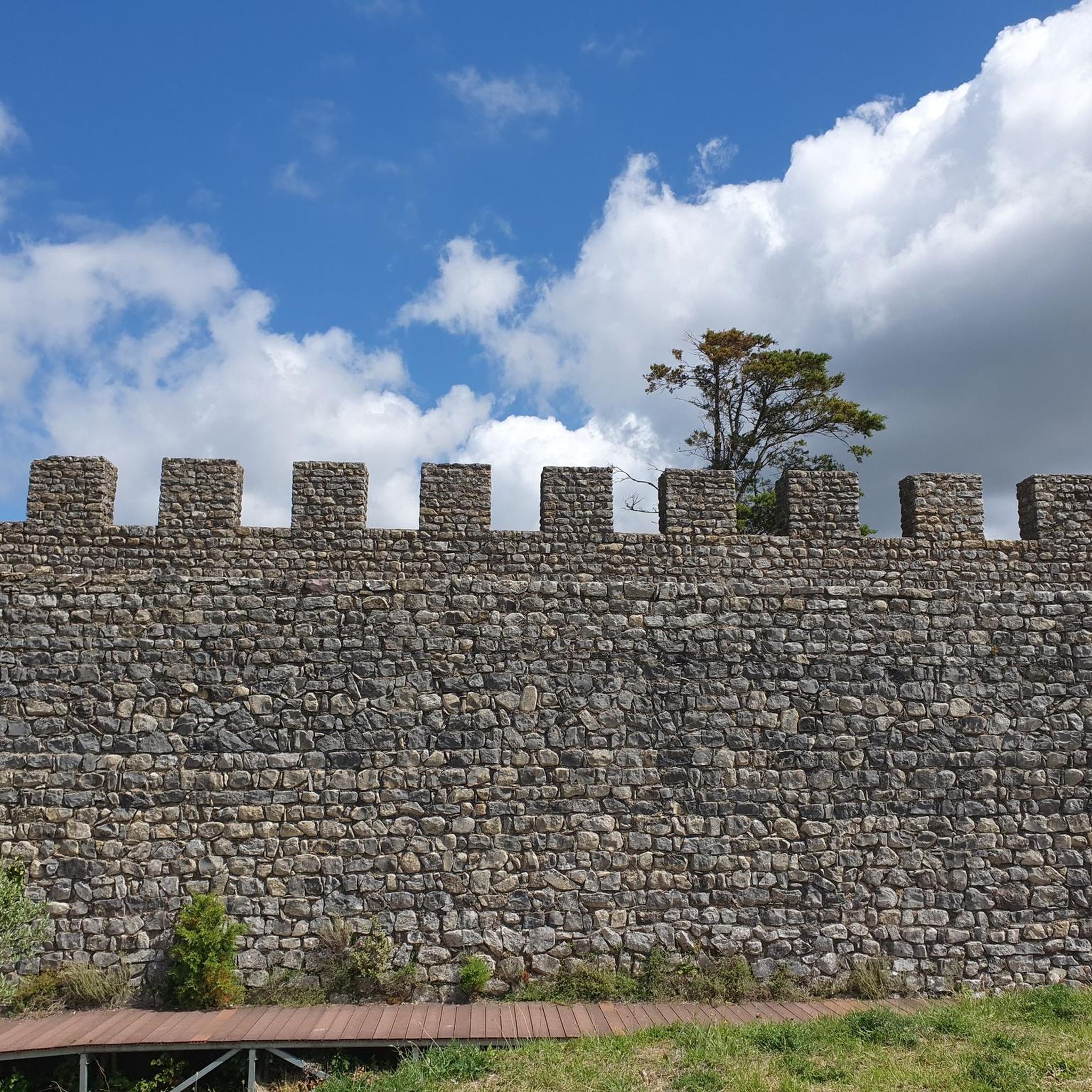
Conímbriga, an ancient city of Lusitania, is the most impressive Roman complex in Portugal, a place where history still breathes among its baths, forum, amphitheater, and uniquely delicate mosaics, such as those in the famous House of Fountains. Although only a small part has been excavated, the grandeur the city held throughout its almost six centuries under Roman rule is evident. The second wall, hastily erected with stone taken from entire buildings, reveals a time of threat and decline, a prelude to the abandonment that followed the Suebian invasions. Today, among fallen columns and pavements that still gleam in the sun, Conímbriga continues to intrigue and amaze, preserving in its ruins the stories that time has almost erased.
2
0

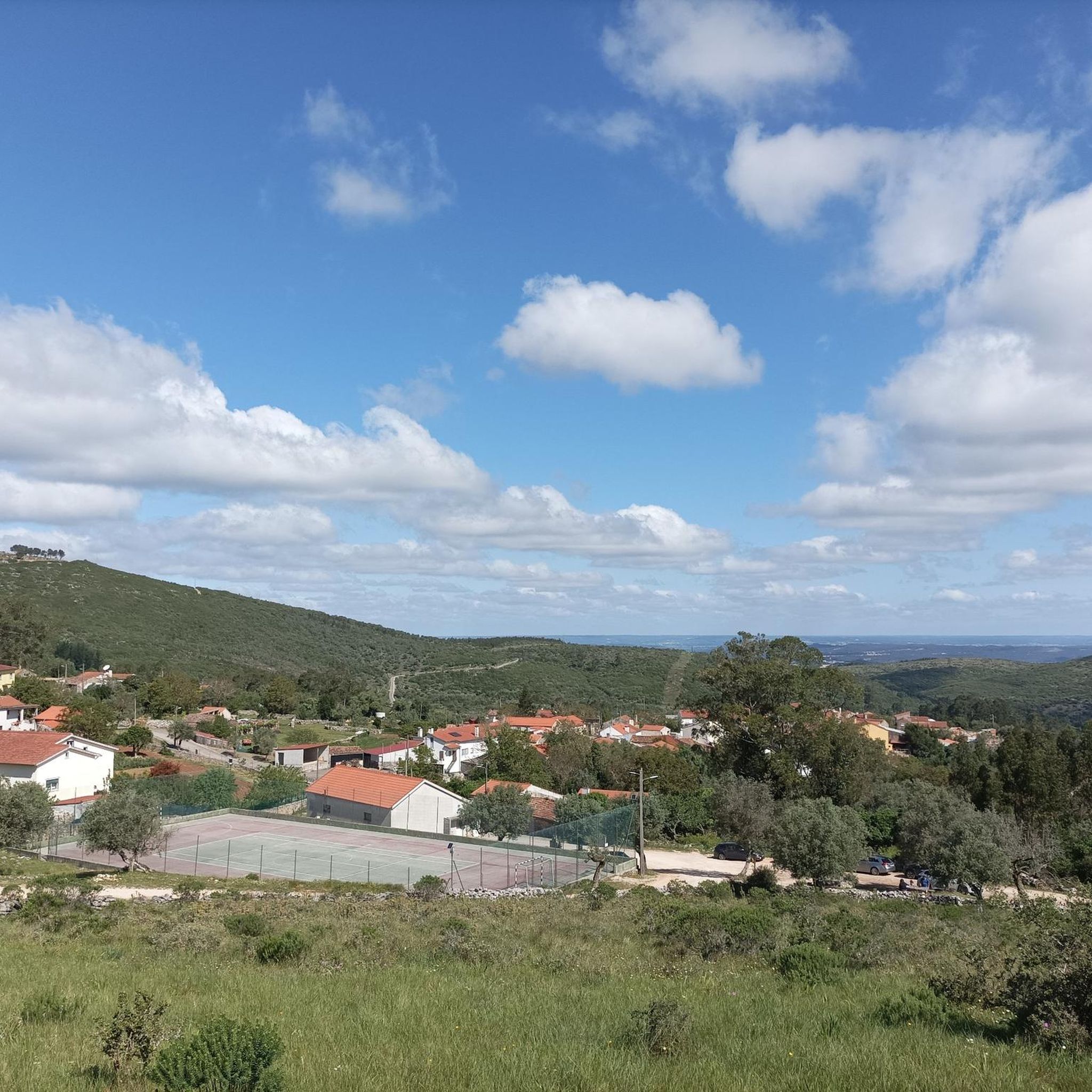
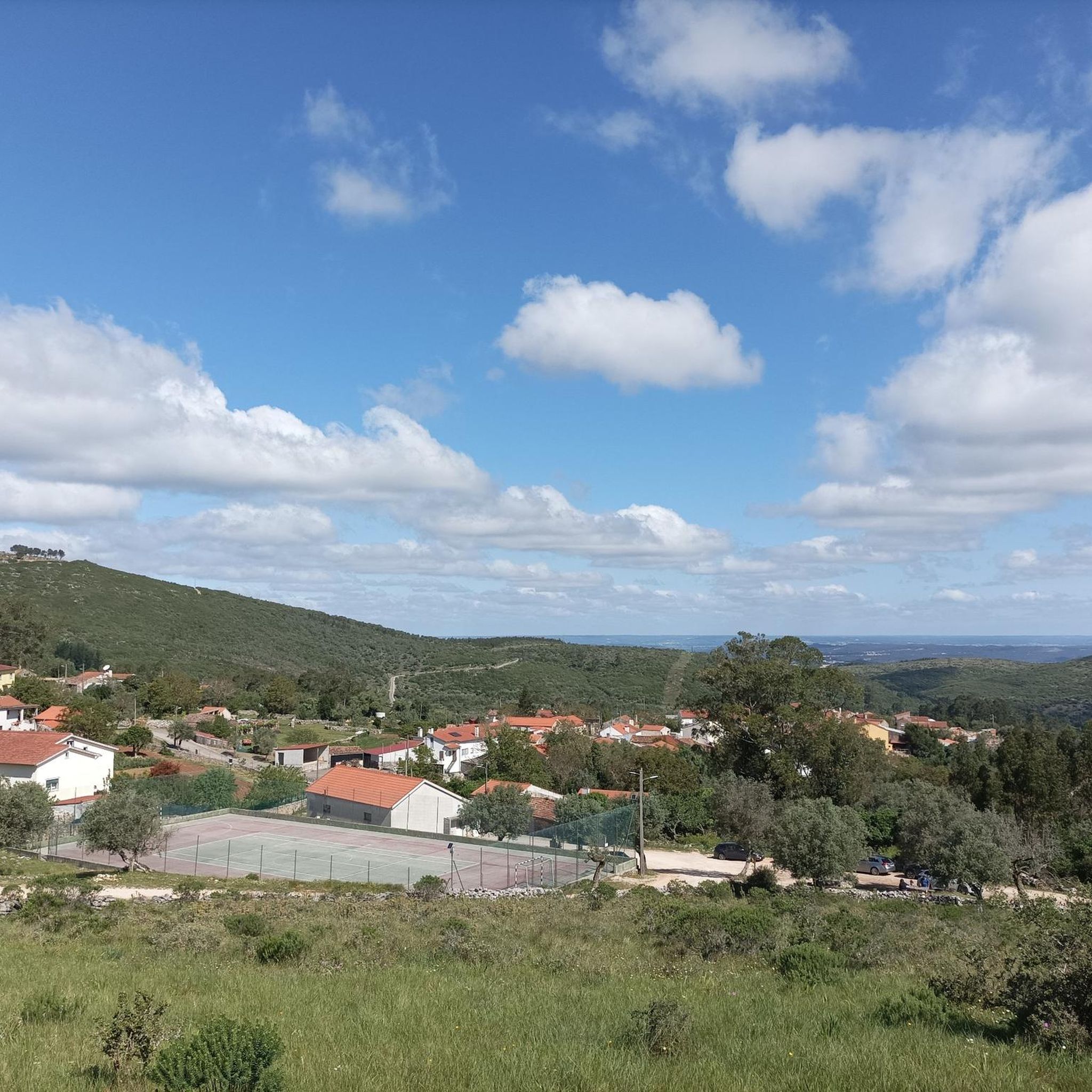
✨ Circular route with landscapes of rare natural beauty; 🏞️ Lapiaz, dolines and unique rock formations in Portugal; 🌿 Buracas do Casmilo and Bosque do Vale dos Covões were the highlights of the day; 📸 Ideal for photography, geological observation and contemplation; 🍂 A perfect trail for autumn, with the valley painted in golden tones.
1
0

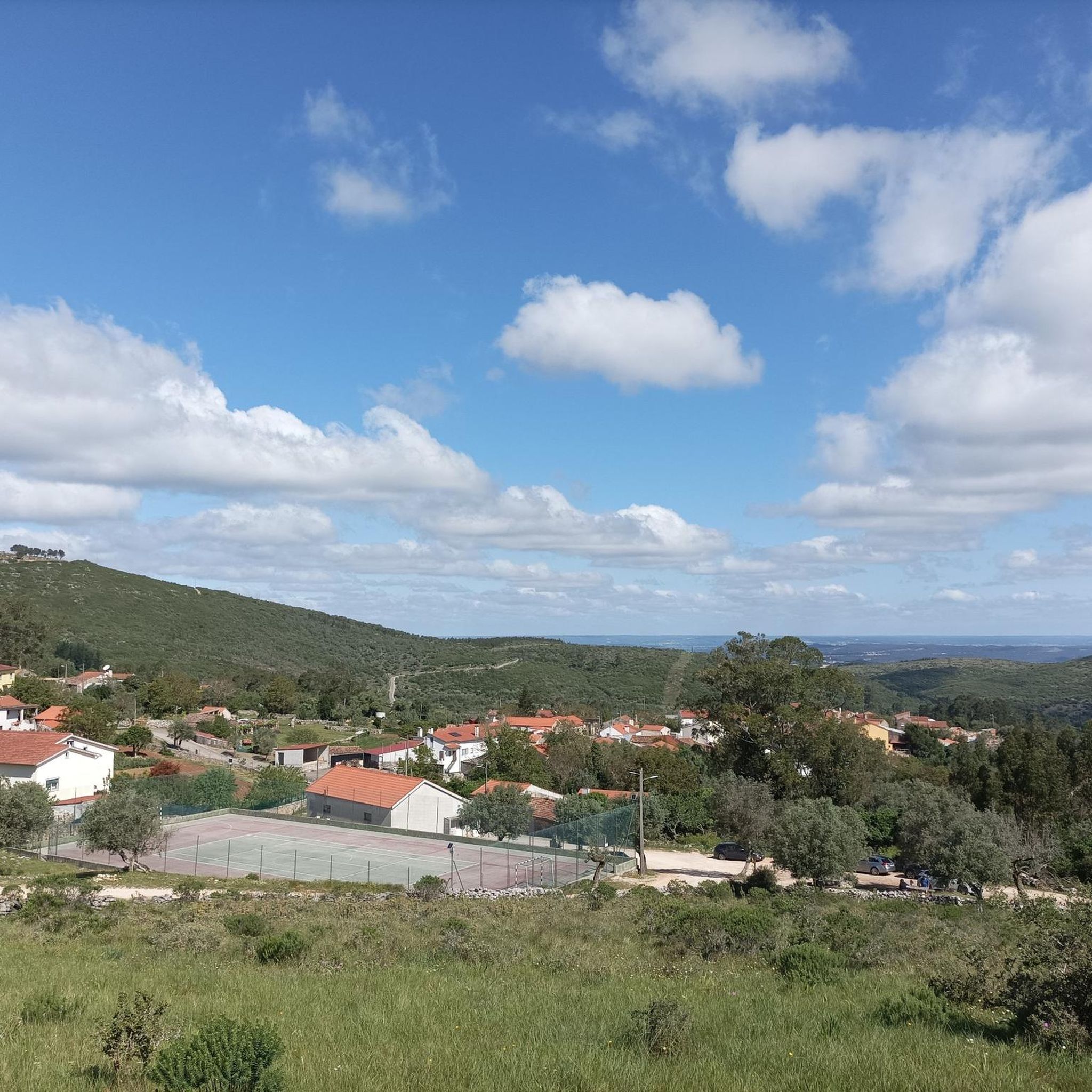
Here, you can rest and get your pilgrim's notebook stamped. Restore your physical and spiritual energy to continue your journey.👍
6
0
A place to rest and relax. You can even get your pilgrim's notebook stamped. 👍
6
0

A charming historic bridge located in the municipality of Ansião, in the district of Leiria, Portugal. Probably built in the 17th century, this arched structure consists of two full arches and a gently sloping trestle deck. Beneath one of the arches is a stone basin, which, according to local tradition, was used by Queen Saint Isabel to bathe during her visits to the region.
5
1
Frequently Asked Questions
What are the main attractions to explore around Rabaçal in the Coimbra District?
The Rabaçal area in the Coimbra District is rich in historical and natural sites. Key attractions include the impressive Conímbriga Roman Ruins, which showcase an ancient Roman city with baths, a forum, and delicate mosaics. For nature lovers, Buracas do Casmilo offers unique geological formations and caves, while Poios Canyon is a magnificent fluviokarstic canyon.
Are there any Roman historical sites near Rabaçal?
Yes, the most significant Roman historical site is the Conímbriga Roman Ruins. This ancient city features well-preserved baths, a forum, an amphitheater, and intricate mosaics, including those found in the famous House of Fountains. It's considered the most impressive Roman complex in Portugal.
What natural geological features can I visit around Rabaçal?
You can explore several unique natural geological features. Buracas do Casmilo is a fascinating cave system with rare natural beauty, featuring lapiaz, dolines, and distinctive rock formations. Additionally, Poios Canyon is one of Portugal's largest fluviokarstic canyons, offering monumental slopes sculpted by water.
What kind of outdoor activities can I do near these attractions?
The Rabaçal area offers various outdoor activities, particularly hiking and gravel biking. You can find numerous routes, including easy to moderate hikes around the Buracas do Casmilo area, and more challenging gravel biking trails that explore the wider region. For detailed routes, check out the Hiking around Rabaçal and Gravel biking around Rabaçal guides.
Are there family-friendly attractions in the Rabaçal area?
Yes, the Conímbriga Roman Ruins are considered family-friendly, offering an educational and engaging experience for all ages to explore ancient history. The natural sites like Buracas do Casmilo can also be enjoyed by families, especially for those interested in geology and light exploration.
When is the best time to visit the Mouros River Waterfall?
The Mouros River Waterfall is best visited between November and March. During other months, particularly from May onwards, the river may be dry, and there will be no waterfall to see. Plan your visit during the wetter season for the best experience.
Are there easy hiking trails available around Rabaçal?
Yes, there are several easy hiking trails. For instance, you can find easy loops like the 'Lapiás do Casmilo – Buracas do Casmilo loop from Furadouro' which is about 3.3 km. These trails are great for exploring the unique landscapes of the region. More options are available in the Easy hikes around Rabaçal guide.
What makes Buracas do Casmilo a unique place to visit?
Buracas do Casmilo is unique for its landscapes of rare natural beauty, featuring distinctive lapiaz, dolines, and rock formations not commonly found elsewhere in Portugal. It's an ideal spot for photography, geological observation, and quiet contemplation, especially beautiful in autumn when the valley turns golden.
What should I know before visiting the Conímbriga Roman Ruins?
The Conímbriga Roman Ruins offer a comprehensive look into Roman life with well-preserved structures and mosaics. It's advisable to allocate sufficient time to explore the baths, forum, amphitheater, and the famous House of Fountains. There is also a monographic museum on-site that exhibits artifacts found during excavations, which is highly recommended for a deeper understanding.
Can I find viewpoints with panoramic views in the Rabaçal area?
While the Rabaçal area is known for its historical and geological sites, Buracas do Casmilo offers a viewpoint within its natural monument, providing scenic perspectives of its unique rock formations and the surrounding landscape. The Poios Canyon also presents a breathtaking landscape with monumental slopes.
What kind of terrain can I expect on trails around Rabaçal?
Trails around Rabaçal, particularly those near Buracas do Casmilo, often feature varied terrain including paths through unique geological formations like lapiaz and dolines. Some routes, especially those around Poios Canyon, can involve rugged and steep sections, suitable for those looking for more challenging hikes or climbs. Always check the difficulty rating of a specific route before you go.

Get inspired with the komoot mobile app


Explore more
Still not found the Highlight you’re looking for? See guides of the top attractions in other regions:
