Attractions and Places To See around Degracias - Top 20
Attractions and places to see around Degracias are primarily found in the Coimbra District of Portugal, offering a blend of historical sites and natural landscapes. The region features significant Roman ruins, medieval castles, and unique geological formations. Visitors can explore ancient history and diverse natural environments.
Best attractions and places to see around Degracias
- The most popular attractions is Buracas do Casmilo, a cave that features landscapes of rare natural beauty with unique rock formations. It is ideal for…
Last updated: July 1, 2026
Conímbriga Roman Ruins
Highlight • Historical Site
Translated by Google •
Tip by

Roman Ruins of Conímbriga
Highlight • Historical Site

Sign up now to discover places like this
Get recommendations on the best single tracks, peaks, & plenty of other exciting outdoor places.
Sign up for free
Lapiás do Casmilo
Highlight • Natural Monument
Translated by Google •
Tip by
Pilgrim Rest Stop Jinago
Highlight • Rest Area
Translated by Google •
Tip by
Pombal Castle
Highlight • Castle
It stands atop a rocky outcrop beside the Arunca River, overlooking the city of Pombal.
Built between 1156 …
Translated by Google •
Tip by

Sign up for free to discover even more attractions around Degracias.
Sign up for free
Already have an account?
Start today with a free account
Your next adventure awaits.
Login or Signup



Tips from the Community

Conímbriga, an ancient city of Lusitania, is the most impressive Roman complex in Portugal, a place where history still breathes among its baths, forum, amphitheater, and uniquely delicate mosaics, such as those in the famous House of Fountains. Although only a small part has been excavated, the grandeur the city held throughout its almost six centuries under Roman rule is evident. The second wall, hastily erected with stone taken from entire buildings, reveals a time of threat and decline, a prelude to the abandonment that followed the Suebian invasions. Today, among fallen columns and pavements that still gleam in the sun, Conímbriga continues to intrigue and amaze, preserving in its ruins the stories that time has almost erased.
2
0
Pombal Castle dominates the landscape and the very history of the city. Built between 1156 and 1171 by the Knights Templar, it formed part of the old Mondego defensive ring, a series of fortresses that protected access to Coimbra after the Reconquista. Over the centuries it suffered attacks, including those from Napoleonic troops, and fell into ruin. Today, the castle has once again become a vibrant and accessible space, a privileged viewpoint and an essential landmark of Pombal's identity.
2
1

Pombal Castle, one of the most important Templar monuments in central Portugal: It stands atop a rocky outcrop beside the Arunca River, overlooking the city of Pombal. Built between 1156 and 1171 by Gualdim Pais, Grand Master of the Knights Templar, on the site of an ancient Roman fort and Arab fortress. It formed part of the Templar defensive line to protect Coimbra and launch offensives against the Muslims.
4
1

✨ Circular route with landscapes of rare natural beauty; 🏞️ Lapiaz, dolines and unique rock formations in Portugal; 🌿 Buracas do Casmilo and Bosque do Vale dos Covões were the highlights of the day; 📸 Ideal for photography, geological observation and contemplation; 🍂 A perfect trail for autumn, with the valley painted in golden tones.
1
0

Here, you can rest and get your pilgrim's notebook stamped. Restore your physical and spiritual energy to continue your journey.👍
6
0
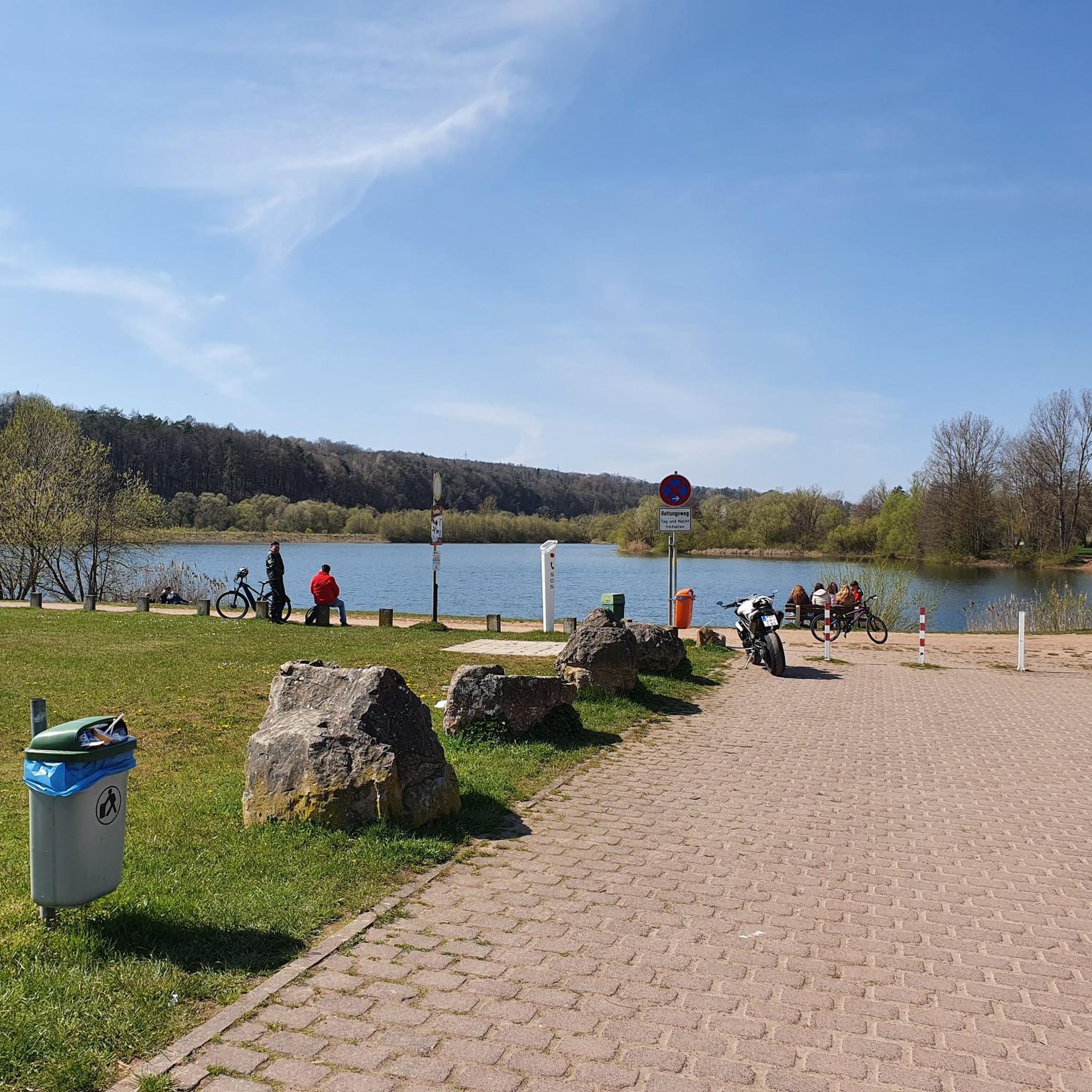
A place to rest and relax. You can even get your pilgrim's notebook stamped. 👍
6
0
Frequently Asked Questions
Where is Degracias located and what region does it belong to?
Degracias is associated with the region around Soure, Portugal, primarily within the Coimbra District. This area offers a rich blend of historical sites and natural landscapes.
What historical sites can I explore around Degracias?
The region is rich in history. You can visit the impressive Conímbriga Roman Ruins, an ancient city with baths, a forum, an amphitheater, and delicate mosaics. Other notable historical sites include the Castle of Penela, the Castle of Pombal, and the PO.RO.S - Portugal Roman Museum in Sicó.
Are there any natural wonders to visit near Degracias?
Absolutely. The area boasts unique natural features such as Buracas do Casmilo, known for its rare natural beauty and unique rock formations. Another must-see is Poios Canyon, a fluviokarstic canyon with monumental slopes sculpted by water.
What kind of outdoor activities are available near these attractions?
You can enjoy various outdoor activities. There are numerous hiking opportunities, including easy walks and more moderate trails. For cyclists, there are several road cycling routes available. You can find more details on specific routes in the hiking guide and road cycling guide for the area.
Are there family-friendly attractions in the Degracias area?
Yes, the Conímbriga Roman Ruins are considered family-friendly, offering an engaging historical experience. Another unique option is Portugal dos Pequenitos, a theme park with miniature versions of Portuguese monuments and traditional houses, which provides a fun cultural experience for all ages.
When is the best time to visit the natural attractions around Degracias?
For natural features like the Mouros River Waterfall, it's best to visit between November and March, as the river only has water during these months. For other natural sites like Buracas do Casmilo, autumn is particularly beautiful, with the valley painted in golden tones, ideal for photography and geological observation.
Can I find easy hiking trails near Degracias?
Yes, there are several easy hiking trails. For example, you can explore routes like the 'Lapiás do Casmilo – Buracas do Casmilo loop from Furadouro' or the 'Mouros River Waterfall loop from Conímbriga Roman Ruins'. More options are available in the easy hikes guide.
What do visitors enjoy the most about the attractions around Degracias?
Visitors particularly appreciate the rare natural beauty of sites like Buracas do Casmilo, noting its unique rock formations and suitability for photography. The historical depth of the Conímbriga Roman Ruins, with its impressive complex and delicate mosaics, also receives high praise.
Are there any cultural institutions or libraries worth visiting?
Yes, the Baroque Library, likely referring to the Joanina Library at the University of Coimbra, is a highly-rated site. It's a stunning example of Baroque architecture and a significant cultural institution in the broader region.
Are there any water-related attractions or parks nearby?
Yes, the Panoramico Aquaparque is mentioned as a recreational water park in the vicinity, offering a different kind of activity for visitors.
What are some lesser-known but interesting spots around Degracias?
Beyond the main highlights, the Poios Canyon is often considered a well-kept secret, preserved by its rugged geography and offering breathtaking landscapes. It's one of the largest fluviokarstic canyons in Portugal, ideal for those seeking unique geological observations and photography.

Get inspired with the komoot mobile app


Explore more
Still not found the Highlight you’re looking for? See guides of the top attractions in other regions:
