Attractions and Places To See around Alandroal (Nossa Senhora Da Conceição) - Top 20
Best attractions and places to see around Alandroal (Nossa Senhora Da Conceição) include a range of historical, cultural, and natural sites in the Alentejo region of Portugal. The area features ancient castles, significant religious sites, and natural landscapes shaped by rivers and dams. Visitors can explore historical landmarks and engage in various outdoor activities, making it a destination that combines historical depth with natural beauty.
Best attractions and places to see around Alandroal (Nossa Senhora Da Conceição)
- The most popular attractions is Serra d'Ossa Boardwalks, a trail that runs along the verdant valley of the Ribeira do Monte Virgem, between the village of Aldeia da Serra and the Church of Nossa Senhora do Monte da Virgem. This 1.5 km long (3 km round trip) walkway offers a different perspective of the Alentejo landscape with its schist cliffs.
- Another must-see spot is Praça da República de Vila Viçosa, a man-made monument. This square features orange trees, a marble palace, and a castle.
- Visitors also love Alandroal town centre, a settlement known for its historical and cultural heritage. It includes the Alandroal Castle, historic churches, and Roman remains, offering a tranquil setting to experience local traditions.
- Alandroal (Nossa Senhora Da Conceição) is known for its ancient castles, significant religious sites, and natural landscapes. The region offers a mix of historical landmarks, cultural experiences, and outdoor activities to see and explore.
- The attractions around Alandroal (Nossa Senhora Da Conceição) are appreciated by the komoot community, with 11 upvotes and 8 photos shared.
Last updated: May 20, 2026
Serra d'Ossa Boardwalks
Highlight (Segment) • Trail
Although the Serra d’Ossa Walkways only opened in April 2021, they are already one of the must-see places in the Alentejo for all nature lovers. After all, walking along them allows you to discover a very different side of this region in the south of Portugal, more associated with vast plains than with steep cliffs.
The Serra d’Ossa Walking Trail is only 1.5 km long (3 km round trip), which makes it a great walk to do with children. Not only because it is relatively short, but above all because it does not have significant differences in height, with the exception of the section of the staircase that precedes the Church of Nossa Senhora do Monte da Virgem.
( vagamundos.pt )
Translated by Google •
Tip by

Nossa Senhora do Monte da Virgem
Highlight • Religious Site
Tip by
Sign up now to discover places like this
Get recommendations on the best single tracks, peaks, & plenty of other exciting outdoor places.
Sign up for free
Praça da República de Vila Viçosa
Highlight • Monument
Translated by Google •
Tip by

Alandroal town centre
Highlight • Settlement
You can stop for a break and enjoy its tranquility and the authenticity of its traditions.
Translated by Google •
Tip by

Redondo Castle
Highlight • Castle
The castle was part of the northern Alentejo fortifications restructured by King D. Dinis that were donated to members of the nobility during the late medieval epoch, representing significant alterations during the Manueline era. By order of King D. Dinis, in 1312, the castle was reconstructed, during the same epoch as the erection of the keep tower and the fortification wall and towers. On 27 April 1318, the foral was reconfirmed by King D. Dinis.
In 1418, King D. John conceded privileges to the castle and obligated that travellers between Alandroal and Vila Viçosa pass through the settlement, as a way of expanding commercial activities in the town.
Tip by
Sign up for free to discover even more attractions around Alandroal (Nossa Senhora Da Conceição).
Sign up for free
Already have an account?
Start today with a free account
Your next adventure awaits.
Login or Signup
Popular around Alandroal (Nossa Senhora Da Conceição)
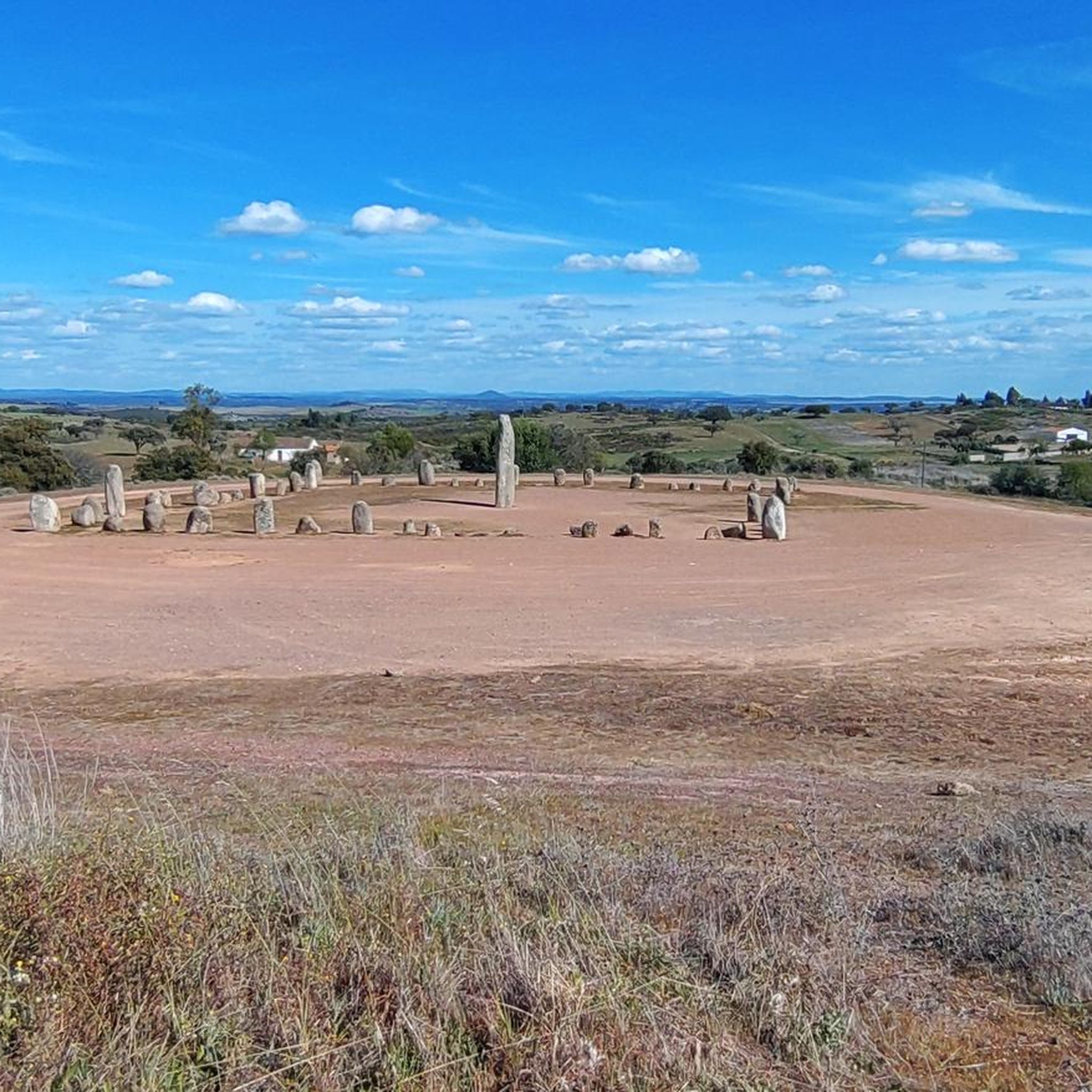
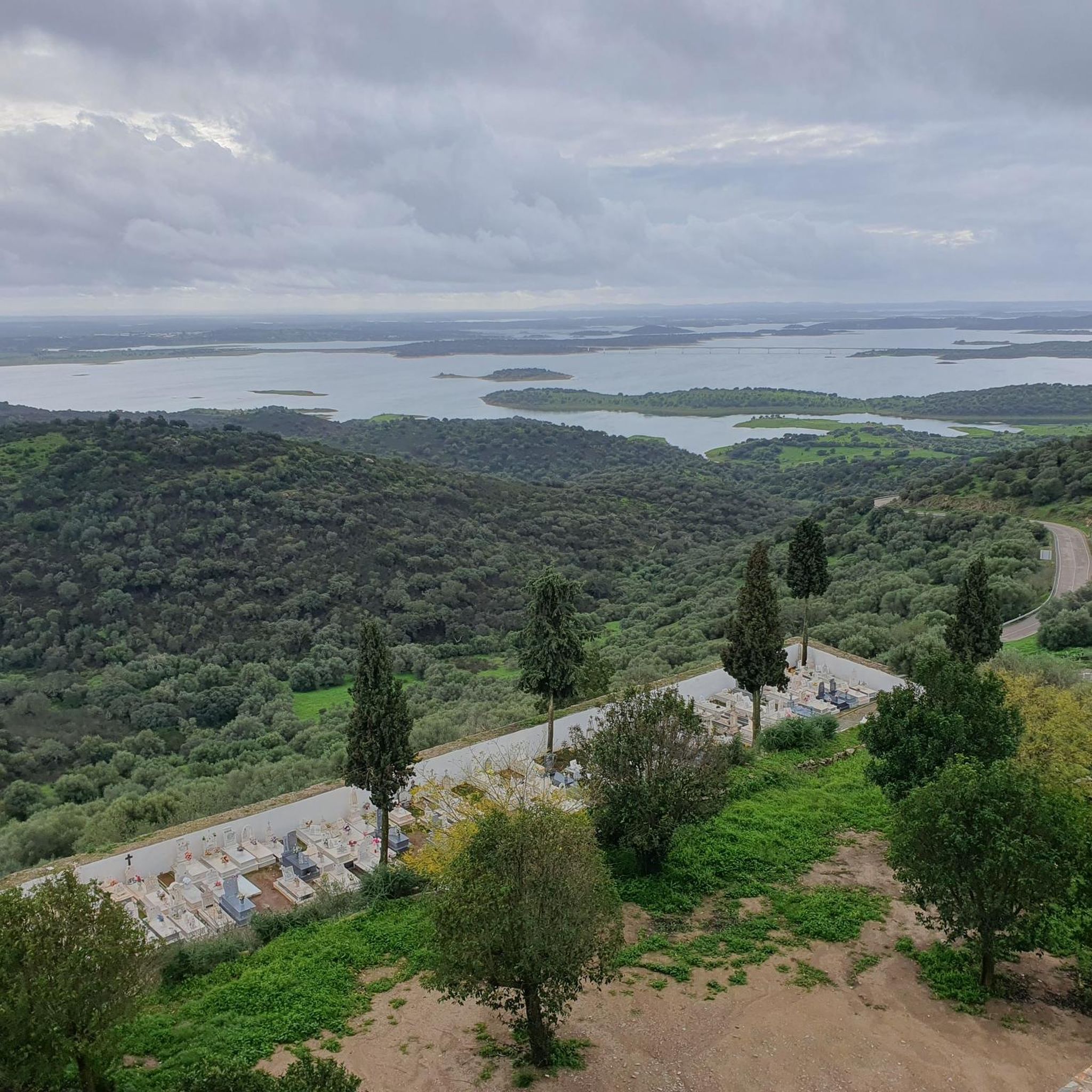
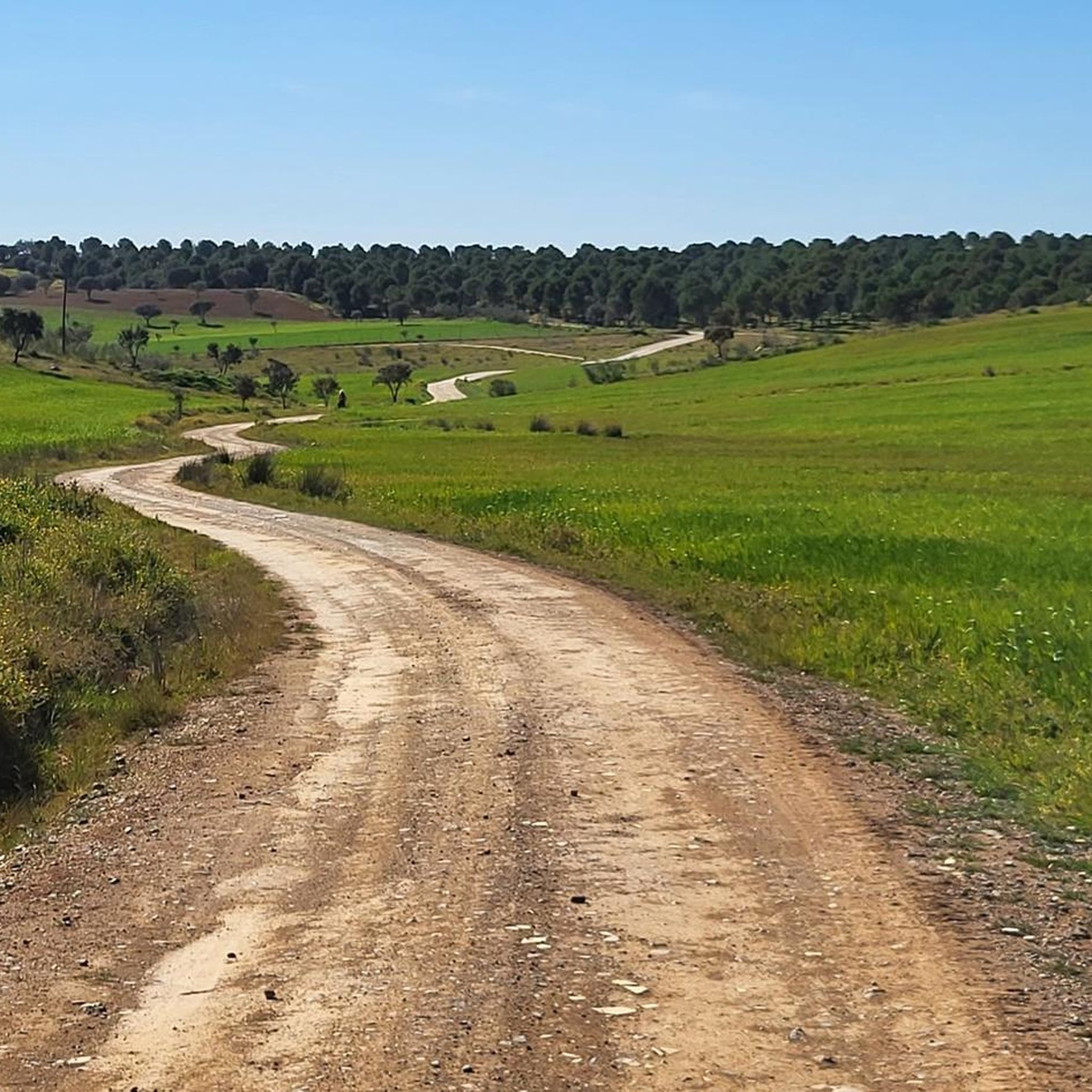
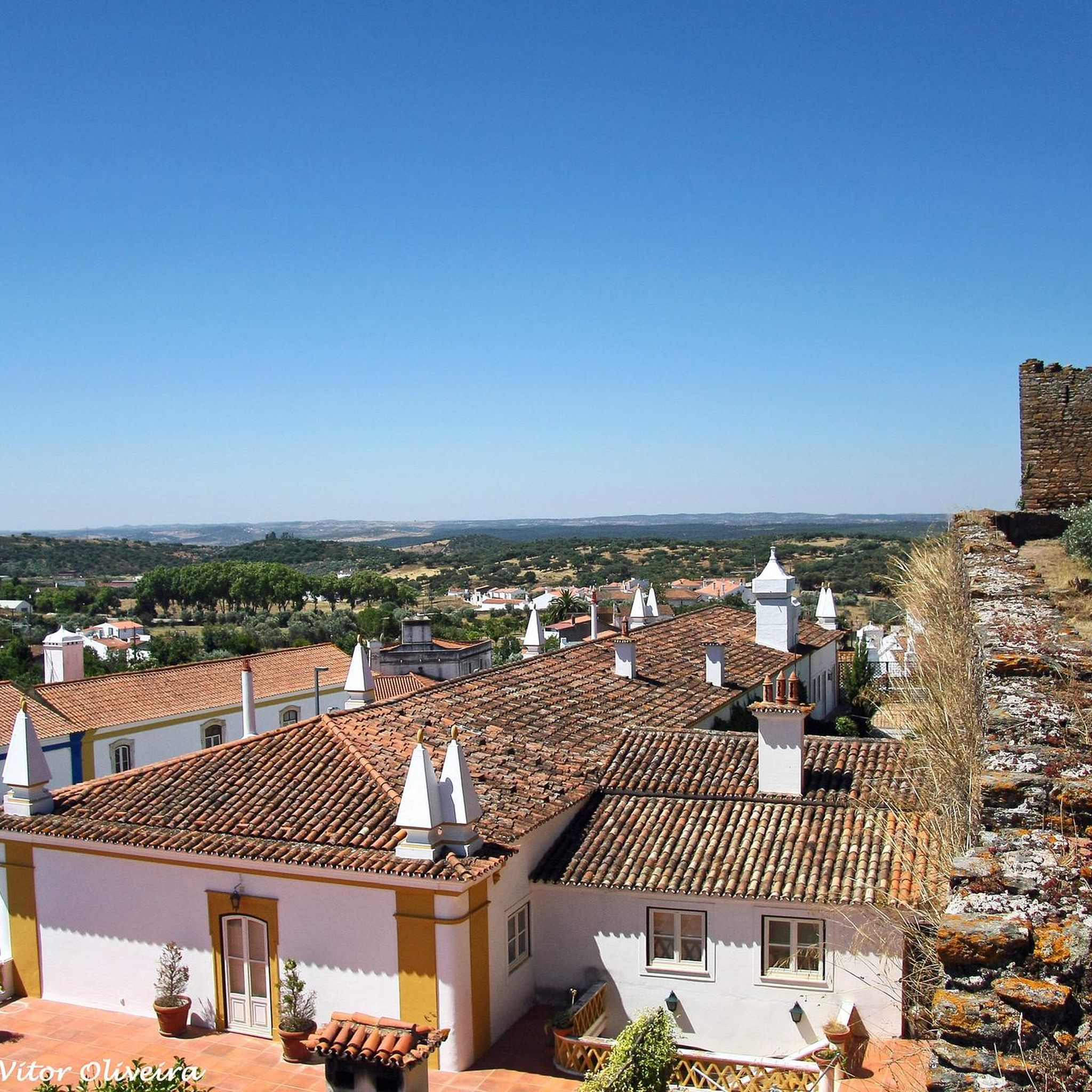

Tips from the Community

Castelo de Redondo is a medieval fortress built in the 13th century by order of King D. Dinis. The castle played a crucial defensive role in the region. Although today, the only things that remain are the perimeter walls, with an irregular perimeter and several quadrangular towers, and part of the old Torre de Menagem (Keep).
0
0
This sanctuary is located in an elevated position that offers spectacular views of the city of Porto, the Douro River and the Atlantic Ocean. It is an important place of pilgrimage and devotion for the local community. In addition to its religious significance, the site is highly regarded for its viewpoint.
1
0
The municipality is known for its significant historical and cultural heritage, which includes the Alandroal Castle (its most emblematic monument), historic churches and Roman remains. Alandroal is also part of the Alentejo of wine, with quality wine production. You can stop for a break and enjoy its tranquility and the authenticity of its traditions.
1
0
Castelo de Redondo is a medieval fortress built in the 13th century by order of King D. Dinis. The castle played a crucial defensive role in the region. Although today, the only things that remain are the perimeter walls, with an irregular perimeter and several quadrangular towers, and part of the old Torre de Menagem (Keep).
1
0

This is a typical rural building in Alentejo, consisting of: narthex, nave, chancel, baptistery and sacristy. Inside, in the chancel, you can see a mural painting of musicians with angels in female costumes and tiles, the latter of which were replaced during the restoration work in 1996, as was the case with the flooring.
4
1
The Serra d’Ossa Walkways run along the verdant valley of the Ribeira do Monte Virgem, along steep schist cliffs, between the village of Aldeia da Serra and the imposing Church of Nossa Senhora do Monte da Virgem, preceded by a long (and steep) staircase with approximately 300 steps. Although the Serra d’Ossa Walkways only opened in April 2021, they are already one of the must-see places in the Alentejo for all nature lovers. After all, walking along them allows you to discover a very different side of this region in the south of Portugal, more associated with vast plains than with steep cliffs. The Serra d’Ossa Walking Trail is only 1.5 km long (3 km round trip), which makes it a great walk to do with children. Not only because it is relatively short, but above all because it does not have significant differences in height, with the exception of the section of the staircase that precedes the Church of Nossa Senhora do Monte da Virgem. ( www.vagamundos.pt )
5
0
In 1250, a foral (charter) attributed to King D. Afonso III was issued to Redondo. At the same time, the king ordered the construction of a castle over the ruins of the ancient Roman fortress. The castle was part of the northern Alentejo fortifications restructured by King D. Dinis that were donated to members of the nobility during the late medieval epoch, representing significant alterations during the Manueline era. By order of King D. Dinis, in 1312, the castle was reconstructed, during the same epoch as the erection of the keep tower and the fortification wall and towers. On 27 April 1318, the foral was reconfirmed by King D. Dinis. In 1418, King D. John conceded privileges to the castle and obligated that travellers between Alandroal and Vila Viçosa pass through the settlement, as a way of expanding commercial activities in the town.
5
0
This is a typical Alentejo rurality construction, consisting of: narthex, nave, chancel, baptistery and sacristy. Inside, the chancel, one can see a mural musicians with angels in female attire and tiles, the latter, replaced during the restoration, in 1996, as happened with the pavement.
4
1
Frequently Asked Questions
What are some unique natural features to explore around Alandroal (Nossa Senhora Da Conceição)?
The region is rich in natural beauty, centered around the Guadiana River and the vast Alqueva Lake, Western Europe's largest artificial body of water. You can also visit the Lucefécit Dam for bathing and walks, or explore the extensive cork and holm oak forests. The area is also part of the Dark Sky Alqueva Reserve, offering exceptional stargazing opportunities.
What historical sites and castles can I visit in the Alandroal area?
Alandroal is known for its historic castles. You can explore the medieval Alandroal town centre, which includes the Alandroal Castle with its Mudéjar influences. Other significant castles in the municipality include Terena Castle and the impressive Juromenha Castle, often called the 'Guadiana sentry'. Additionally, Redondo Castle, a medieval fortress, is also nearby.
Are there any significant religious sites in Alandroal (Nossa Senhora Da Conceição)?
Yes, the area has several important religious sites. The Parish Church of Nossa Senhora da Conceição is located within Alandroal Castle. A unique fortress temple is the Church of Nossa Senhora da Boa Nova in Terena, a 13th-century pilgrimage site. You can also visit the Nossa Senhora do Monte da Virgem church, which offers spectacular views.
What kind of cultural experiences can I find in Alandroal (Nossa Senhora Da Conceição)?
The Alandroal town centre itself offers a tranquil setting to experience local traditions, with its historical and cultural heritage. You can also see the 18th-century Bicas Monumental Fountain in Praça da República and discover traditional charcoal ovens along walking paths, which are testimonies to local customs.
What are the best outdoor activities to do near Alandroal (Nossa Senhora Da Conceição)?
The region offers a variety of outdoor activities. You can enjoy water sports like sailing, diving, fishing, kayaking, and stand-up paddleboarding at the Alandroal Nautical Station on Alqueva Lake. For land-based activities, there are numerous walking paths, and you can find routes for mountain biking and cycling. For more details on routes, check out the MTB Trails, Cycling, and Running Trails guides.
Are there family-friendly attractions or activities in Alandroal (Nossa Senhora Da Conceição)?
Yes, several attractions are suitable for families. The Serra d'Ossa Boardwalks offer an easy 1.5 km walk (3 km round trip) along schist cliffs, which is great for children. The Praça da República de Vila Viçosa with its orange trees and marble palace is also a pleasant spot for families. The Alandroal Nautical Station provides various water activities on Alqueva Lake that can be enjoyed by all ages.
What is the best time of year to visit Alandroal (Nossa Senhora Da Conceição) for outdoor activities?
The Alentejo region generally experiences hot, dry summers. For outdoor activities like hiking, cycling, and exploring historical sites comfortably, spring (April-May) and autumn (September-October) are often ideal, offering milder temperatures. The major local festivals, Festas de Nossa Senhora da Conceição and Festival da Juventude, are usually held on the first weekend of September.
Where can I find opportunities for water sports or swimming near Alandroal (Nossa Senhora Da Conceição)?
The Alandroal Nautical Station, located at the Azenhas d'El Rei River Beach on the Alqueva Lake, is the primary hub for water sports. Here you can enjoy sailing, diving, fishing, boat trips, kayak tours, stand-up paddleboarding, canoeing, rowing, water skiing, and motorboating. The Lucefécit Dam also offers opportunities for bathing and canoeing.
Can I go stargazing in the Alandroal region?
Absolutely. The Alandroal area is part of the Dark Sky Alqueva Reserve, which is a UNESCO-recognized Starlight Destination. This designation means the region has exceptionally dark skies, making it an excellent location for stargazing and astronomical observation.
What are some notable walking paths or trails in the area?
The Serra d'Ossa Boardwalks are a popular choice, offering a unique perspective of the Alentejo landscape along the Ribeira do Monte Virgem. The region also features several traditional walking routes, including those that trace paths once used by smugglers and others leading to natural heritage attractions. For more options, consult the Running Trails guide, which includes various walking routes.
What is special about the Alandroal town centre?
The Alandroal town centre is a settlement known for its significant historical and cultural heritage. It features the Alandroal Castle, historic churches, and Roman remains, all set within a tranquil environment that allows visitors to experience authentic local traditions. It's also part of the Alentejo wine region, with quality wine production.
What do visitors particularly enjoy about the attractions near Alandroal (Nossa Senhora Da Conceição)?
Visitors appreciate the blend of historical depth and natural beauty. The Serra d'Ossa Boardwalks are highlighted for offering a different side of the Alentejo landscape. The Praça da República de Vila Viçosa is admired for its beauty, orange trees, and historical buildings. The Alandroal town centre is valued for its tranquility and authenticity.
Most popular routes around Alandroal (Nossa Senhora Da Conceição)
Most popular attractions around Alandroal (Nossa Senhora Da Conceição)

Get inspired with the komoot mobile app


Explore more
Still not found the Highlight you’re looking for? See guides of the top attractions in other regions:
