Attractions and Places To See around São Bento Do Mato - Top 11
Best attractions and places to see around São Bento Do Mato include a blend of historical and natural charm within the Alentejo region of Portugal. The area's primary landmark is the Igreja de São Bento do Mato e Anta, which incorporates an ancient dolmen dating back to 4000-3000 BC. While São Bento Do Mato itself is a smaller locality, its position allows for access to a wider array of natural landscapes and historically rich towns in the surrounding district of…
Last updated: May 21, 2026
Ecopista of the Ramal de Mora: Évora – Arraiolos
Highlight (Segment) • Cycleway
Tip by

Evoramonte Castle
Highlight • Castle
Translated by Google •
Tip by

Sign up now to discover places like this
Get recommendations on the best single tracks, peaks, & plenty of other exciting outdoor places.
Sign up for free
Montado Cork Oak Forest
Highlight • Forest
Translated by Google •
Tip by
Vimieiro, land of music and musicians
Highlight • Monument
Translated by Google •
Tip by

View of Évora Monte
Highlight • Viewpoint
Translated by Google •
Tip by

Sign up for free to discover even more attractions around São Bento Do Mato.
Sign up for free
Already have an account?
Start today with a free account
Your next adventure awaits.
Login or Signup
Popular around São Bento Do Mato
Tips from the Community

Vimieiro was a municipal seat between 1257 and 1855. Two charters are known, the first granted by D. Francisco Bruno Neves, Bishop of Évora, in 1257, and the second by D. Manuel I, King of Portugal, in 1512. In 1801, it consisted of the parishes of the town and Santa Justa. It then had 1,819 inhabitants and an area of 266 km². In 1849, it consisted only of the parish of the town. It was suppressed by the administrative reform of 1855, consequently losing its status as a town, a fact that the coat of arms with a mural crown of four visible towers still marks today.
2
0

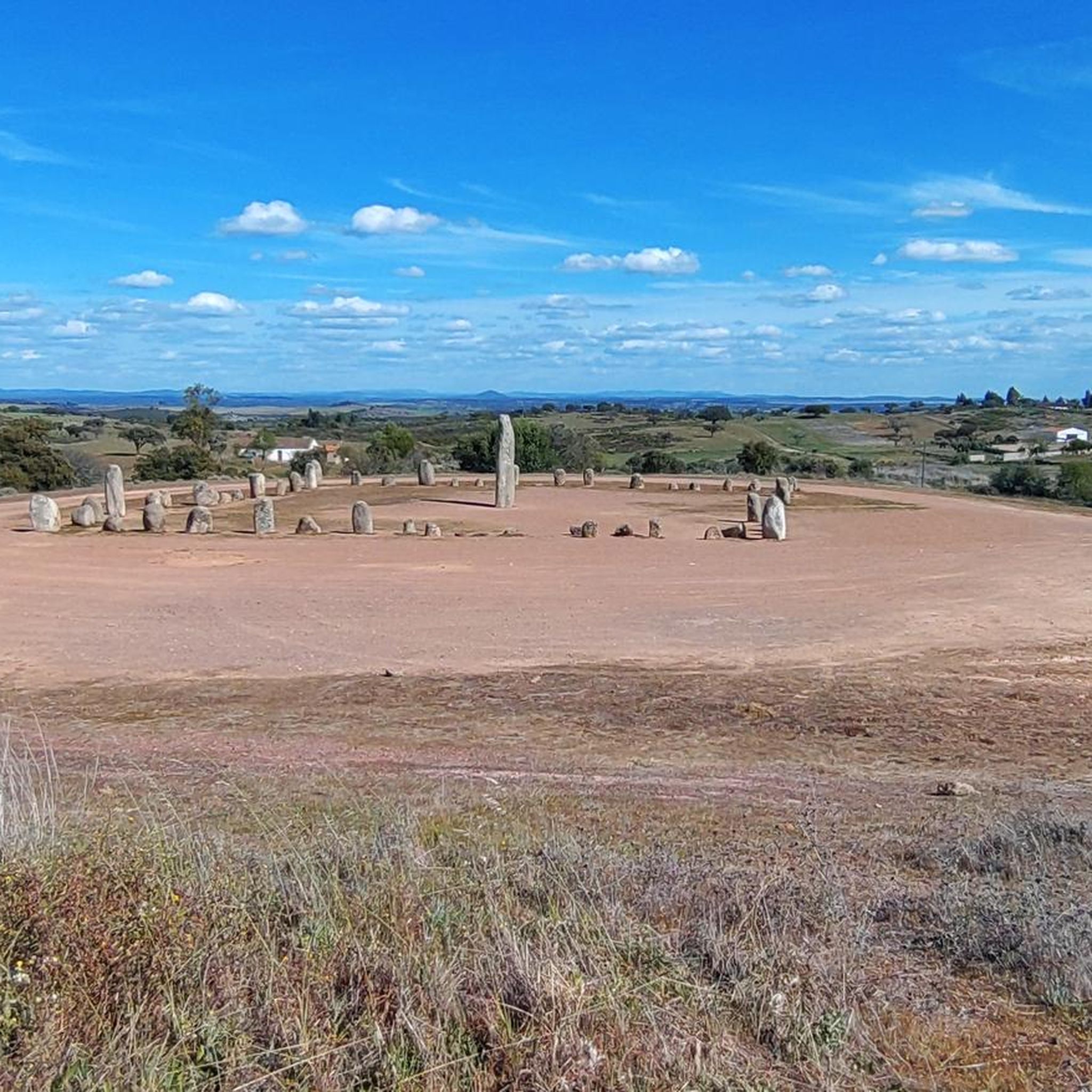
The town of Vimieiro, as a “land of music and musicians”, intends to promote a project of national scope, with the creation of a museum space on philharmonic music with a musical training component that allows the preservation of knowledge and traditions in this area and, simultaneously, the holding of “artistic residencies”, as well as the construction of an auditorium where the arts of music and speech can take place, valuing music teaching, the holding of workshops and other activities that the final plan should include. (Source: www.tribunaalentejo.pt )
14
0

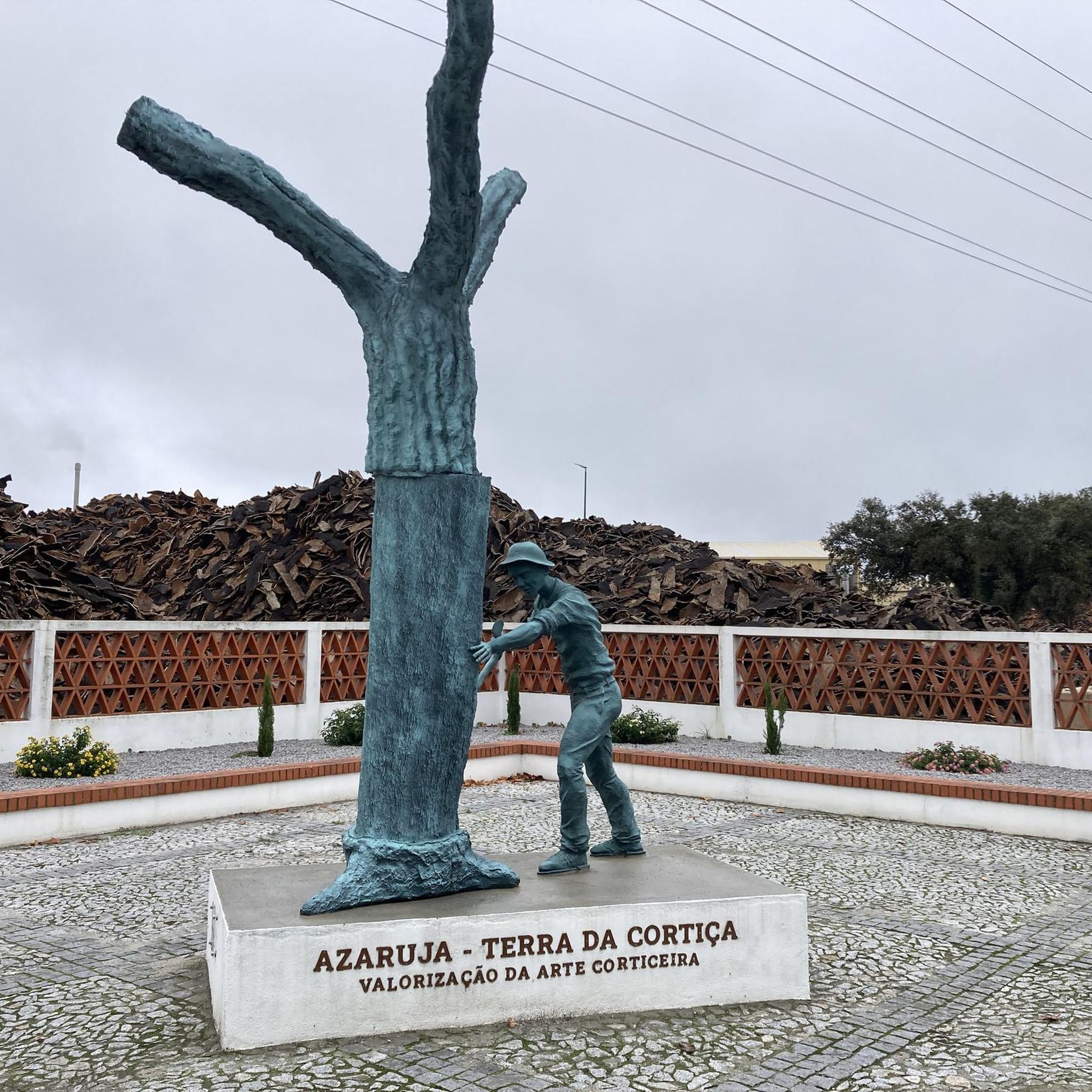
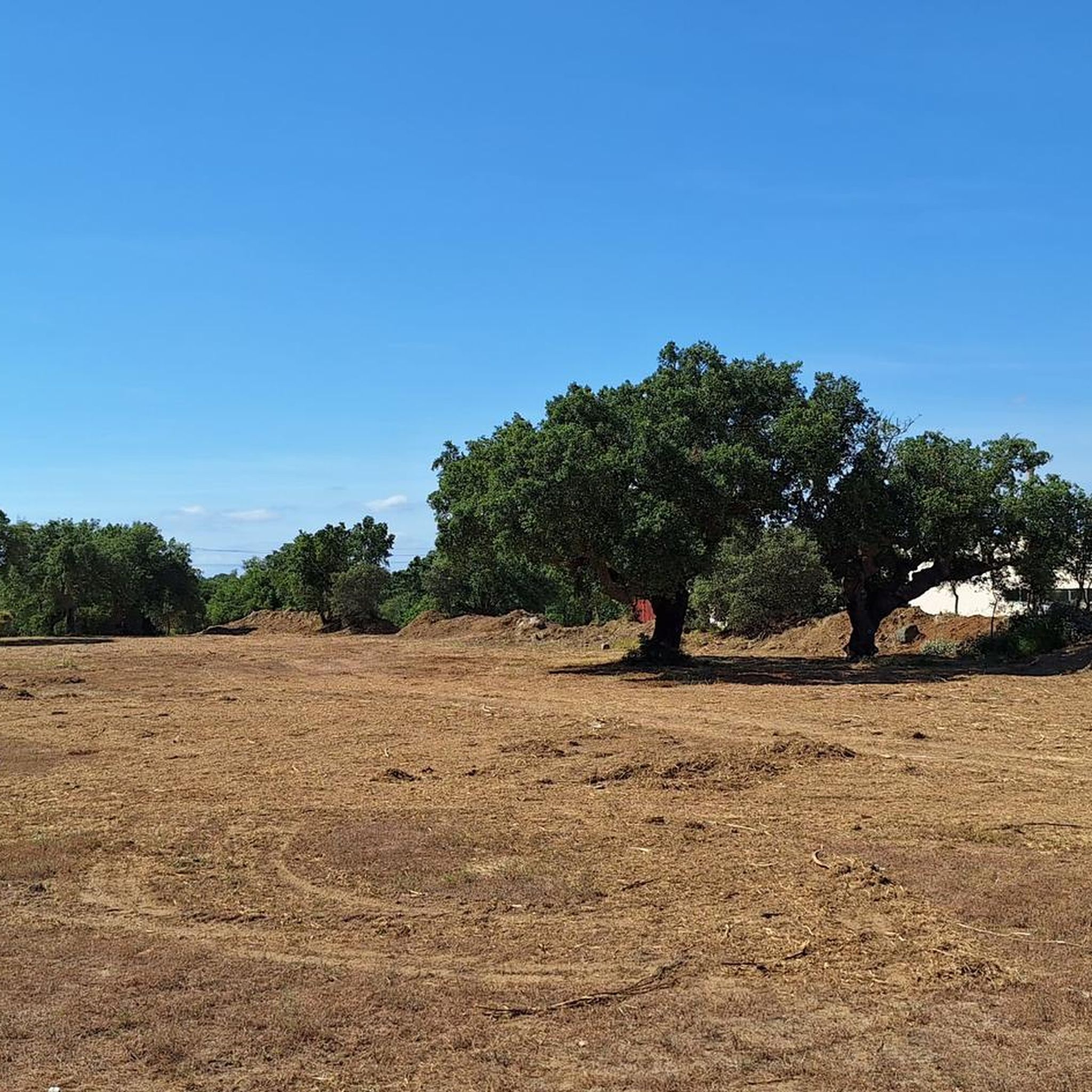
If you've ever been curious about the origin of the cork in your wine bottle, or questioned the composition of the notice board hanging in your workspace, then this guide is specifically designed to answer your queries. The cork oak, or Quercus suber, is a fascinating tree species that primarily grows in the Mediterranean region. Its unique bark is the source of the world's cork supply, a material that is used in a multitude of applications, from wine stoppers to insulation. In this all-encompassing guide, we will thoroughly investigate the mysteries of the cork oak, examining its native surroundings, its significance in the financial structures of Portugal and Spain, and the multitude of its applications. We will also take a close look at the cork production process, including the art of cork harvesting and the fascinating phenomenon of cork regeneration. Portugal and Spain stand as the global frontrunners in cork production, and much like the white oak of North America, the cork oak occupies a distinct position within the cultural and economic fabric of these nations. In Portugal, the montado landscapes are deeply intertwined with rural life, providing a source of income for many communities through cork production and other activities such as farming and beekeeping. In Portugal, the Montado landscapes are similarly important, with the cork oak providing a range of resources including cork, acorns for livestock, and wood for charcoal production. The cork industry in these countries is a significant employer, providing jobs in areas such as harvesting, processing, and manufacturing. Agroforestry, the practice of combining agriculture with forestry, is a key aspect of sustainable cork production. In the montado and dehesa landscapes of Portugal and Spain, cork oaks are grown alongside crops and livestock, creating a diverse and productive landscape. This form of land use not only provides a range of resources, including cork, food, and timber, but also supports a rich biodiversity and helps to conserve soil and water resources. This illustrates a prime instance of how humanity can coexist harmoniously with nature, utilizing resources sustainably.
5
1
Clearly divided into two distinct parts, Evoramonte combines the present-day lowlands with its medieval town located high up in the Serra d’Ossa. Although its history dates back to prehistoric times, this unusual Alentejo town first gained notoriety in the 12th century.
6
0
The picturesque and delightful parish of Evoramonte (or Évora Monte) is located between the beautiful cities of Évora and Estremoz. Once of great geographical and military importance, this Alentejo town, whose walls still protect its inhabitants from above, feels like an ancient warrior patiently awaiting visitors with countless stories to tell.
6
0
The Concession of Evoramonte, also known as the Convention of Evoramonte, was a document signed on 26 May 1834, in Evoramonte, in Alentejo, between the Constitutionalists and the Miguelites, that ended the period of civil war (1828–1834) in the Kingdom of Portugal. On the Concession of Evoramonte, Dom Miguel I of Portugal, to end the bloodbath in the country after six years of civil war, surrendered and abandoned his claim to the Portuguese throne, being also subjected to exile and perpetual banishment from the Kingdom of Portugal. It was signed by the representatives of the Constitutionalists, the Marshals of the Army, Duke of Terceira and Count of Saldanha, and by the Miguelite representative, Lieutenant General José António Azevedo e Lemos.
7
0
The Concession of Evoramonte, also known as the Convention of Evoramonte, was a document signed on 26 May 1834, in Evoramonte, in Alentejo, between the Constitutionalists and the Miguelites, that ended the period of civil war (1828–1834) in the Kingdom of Portugal. On the Concession of Evoramonte, Dom Miguel I of Portugal, to end the bloodbath in the country after six years of civil war, surrendered and abandoned his claim to the Portuguese throne, being also subjected to exile and perpetual banishment from the Kingdom of Portugal. It was signed by the representatives of the Constitutionalists, the Marshals of the Army, Duke of Terceira and Count of Saldanha, and by the Miguelite representative, Lieutenant General José António Azevedo e Lemos.
3
0
The picturesque and delightful parish of Evoramonte (or Évora Monte) is located between the beautiful cities of Évora and Estremoz. Once of great geographical and military importance, this Alentejo town, whose walls still protect its inhabitants from the top, feels like an ancient warrior patiently awaiting visitors with countless stories to tell. Clearly divided into two very distinct parts, Evoramonte combines the current life of the lower area with its medieval town located at the top of the Serra d’Ossa. Although its history dates back to prehistoric times, this unusual Alentejo town had its first notable moment during the 12th century. Around the 1160s, the Reconquest of Portugal from the Moors was underway and the Alentejo region was considered one of the most difficult for the troops of D. Afonso Henriques. It was exactly at this time that Geraldo Geraldes, better known as Geraldo Sem Pavor (yes, the one who would give his name to the famous Praça do Giraldo), offered himself to the King to help him retake the Alentejo lands lost to the Saracens.
7
0
Frequently Asked Questions
What historical sites can I explore around São Bento Do Mato?
The central historical landmark in the parish is the Igreja de São Bento do Mato e Anta, a church uniquely built upon an ancient dolmen dating back to 4000-3000 BC. Beyond the immediate parish, you can visit the historically significant Evoramonte Castle, known for its medieval town and strategic importance. The nearby city of Évora, a UNESCO World Heritage site, offers a wealth of historical buildings including the Chapel of Bones, the Cathedral of Évora, and the Roman Temple of Évora.
Are there any natural attractions or unique landscapes to see?
Yes, the Alentejo region surrounding São Bento Do Mato is famous for its Montado Cork Oak Forest, a significant natural feature where cork is sustainably harvested. You can also enjoy the Ecopista of the Ramal de Mora: Évora – Arraiolos, a greenway built along an old railway line, offering opportunities to cycle or hike through nature.
What outdoor activities can I do near these attractions?
The region offers various outdoor activities. You can enjoy cycling or hiking along the Ecopista of the Ramal de Mora: Évora – Arraiolos. For more structured routes, there are numerous cycling, mountain biking, and hiking trails available. You can find detailed routes for cycling, MTB, and hiking around São Bento Do Mato.
Are there family-friendly attractions around São Bento Do Mato?
Yes, the Montado Cork Oak Forest is considered family-friendly, offering a unique natural environment to explore. Additionally, the View of Évora Monte provides a scenic spot that families can enjoy together.
What is the best time to visit São Bento Do Mato and the surrounding region?
The Alentejo region generally experiences hot, dry summers and mild winters. Spring (April-May) and Autumn (September-October) are often considered the best times to visit, as the weather is pleasant for outdoor activities like hiking and cycling, and the landscapes are vibrant.
Are there any viewpoints with scenic vistas?
Yes, the View of Évora Monte offers picturesque views of the fortified town and the surrounding Alentejo landscape. The town of Evoramonte itself, with its castle, is perched on a hill, providing excellent panoramic opportunities.
What is the significance of the Igreja de São Bento do Mato e Anta?
The Igreja de São Bento do Mato e Anta is unique because its foundation incorporates vestiges of an ancient dolmen, a megalithic tomb dating back to 4000-3000 BC. The church itself, reconstructed in the 18th century, is classified as a Public Interest Property and represents a fascinating blend of ancient history and later religious architecture.
Can I find wheelchair-accessible attractions in the area?
The town of Vimieiro, land of music and musicians, is noted as being wheelchair accessible. While São Bento Do Mato itself is a smaller locality, the broader Évora district may offer additional accessible options.
What are the terrain and difficulty levels for outdoor activities?
The terrain in the Alentejo region around São Bento Do Mato is generally rolling hills and plains, with some areas of gentle elevation. The Ecopista of the Ramal de Mora is a relatively flat greenway, suitable for easy cycling and hiking. Many of the listed hiking and cycling routes range from easy to moderate, with some more challenging options available for experienced enthusiasts, such as the 'Arraiolos Railway Station – Arraiolos Castle loop' for cycling.
What do visitors enjoy most about the attractions around São Bento Do Mato?
Visitors appreciate the blend of historical and natural charm. The Ecopista of the Ramal de Mora is praised as a 'hidden gem' for getting into the countryside. The Evoramonte Castle is loved for its picturesque setting and rich history, feeling like an 'ancient warrior patiently awaiting visitors'. The unique Montado Cork Oak Forest also offers an insightful experience into Portugal's cork industry.
Are there any specific hiking trails I should consider?
Yes, there are several hiking trails in the vicinity. For a moderate hike, you could explore the 'Lake – Montado Cork Oak Forest loop from Camping Alentejo' which is about 8.8 km. A more challenging option is the 'Lake – Evoramonte Castle loop from Camping Alentejo', spanning approximately 17.6 km. You can find more hiking options on the dedicated hiking guide for São Bento Do Mato.
Where can I find amenities like cafes or accommodation near São Bento Do Mato?
While São Bento Do Mato itself is a smaller locality, the parish seat of Azaruja, historically known for its cork industry, offers some local amenities. For a wider range of cafes, pubs, and accommodation options, the nearby city of Évora (approximately 20-21 km away) provides extensive services suitable for visitors.
Most popular routes around São Bento Do Mato

Get inspired with the komoot mobile app


Explore more
Still not found the Highlight you’re looking for? See guides of the top attractions in other regions:
