The best walks and hikes around Faro (Sé)
4.1
(1342)
7,998
hikers
31
hikes
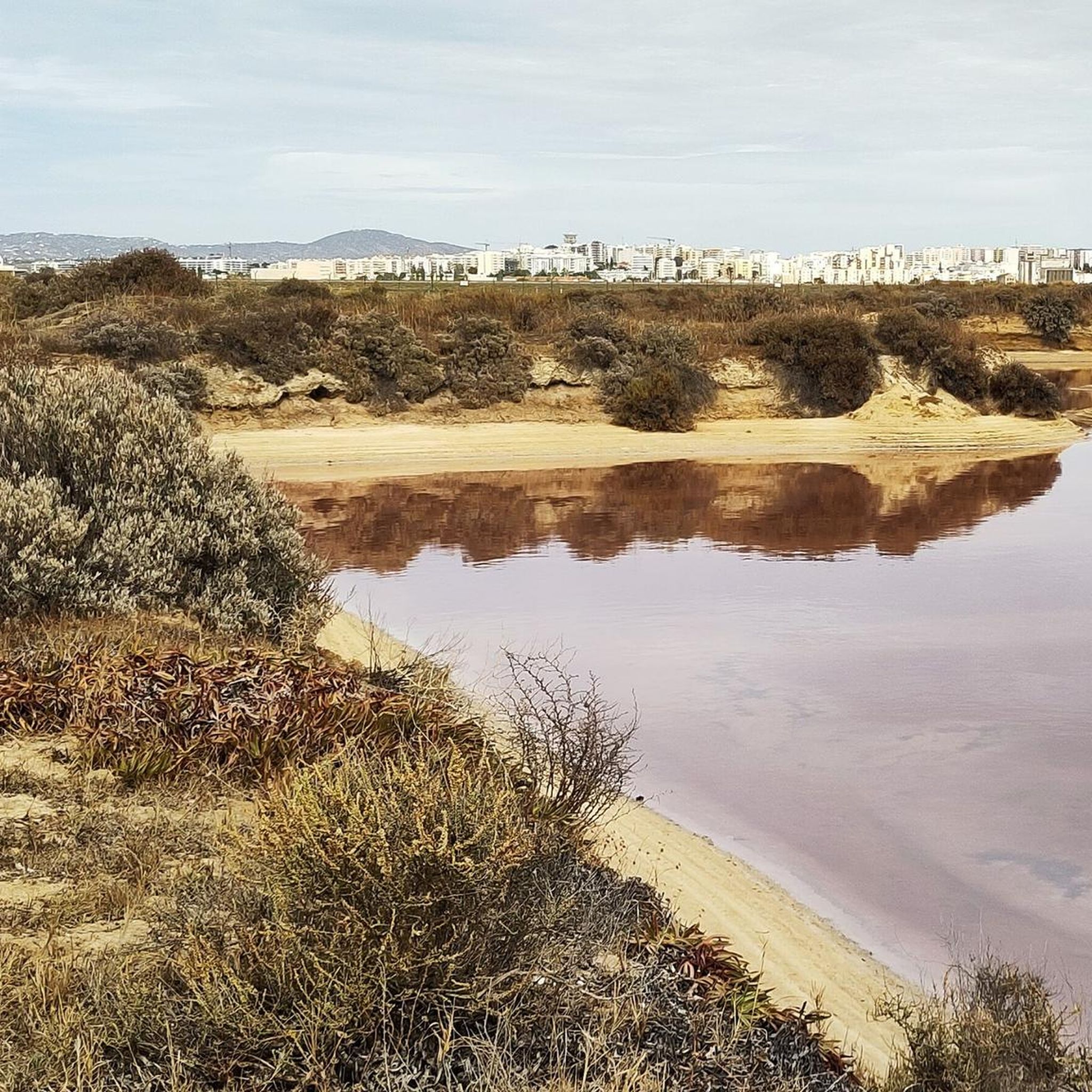
Hiking trails around Faro (Sé) are primarily characterized by the Ria Formosa Natural Park, an extensive protected area featuring a network of canals, barrier islands, marshlands, and mudflats. The region's coastline includes rugged cliffs and sandy beaches. Elevation changes are generally minimal, with routes often traversing flat, coastal terrain or urban areas. This diverse landscape provides varied hiking experiences, from island explorations to city walks.
Best hiking trails around Faro (Sé)
- The most popular hiking route is Route of the…
Last updated: October 24, 2026
27
hikers
3.95km
01:00
10m
10m
Easy hike. Easily walkable paths.
4.1
(62)
479
hikers
7.23km
01:53
50m
50m
Easy hike. Easily walkable paths.

4.5
(2)
82
hikers
2.36km
00:36
0m
0m
Easy hike. Easily walkable paths.
3.7
(6)
37
hikers
Moderate hike. Good fitness required. Easily walkable paths.
3.5
(6)
18
hikers
5.97km
01:34
50m
50m
Easy hike. Easily walkable paths.
Get access to more routes and recommendations from other explorers.
Already have an account?
Our route recommendations are based on thousands of hikes, rides, and runs completed by other people on komoot.
Start today with a free account
Your next adventure awaits.
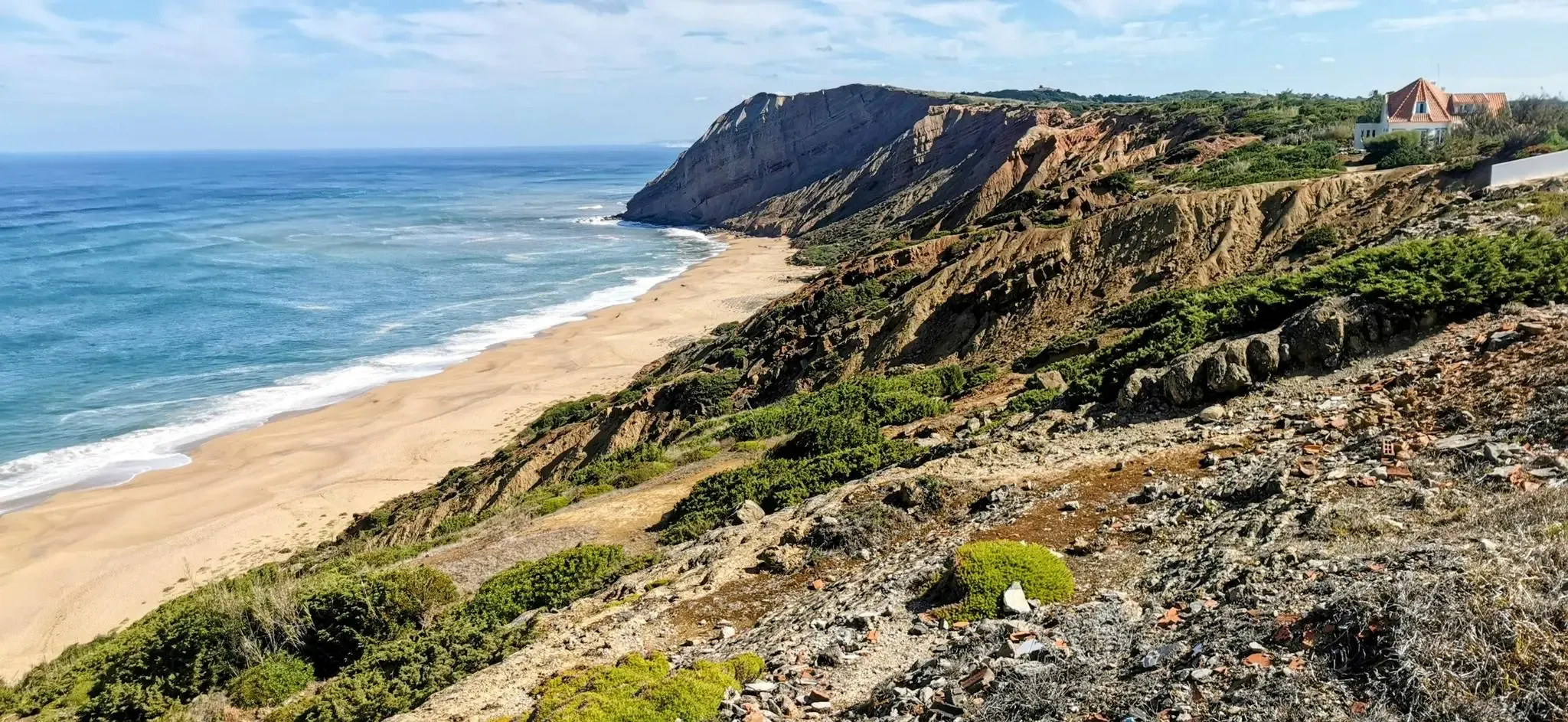
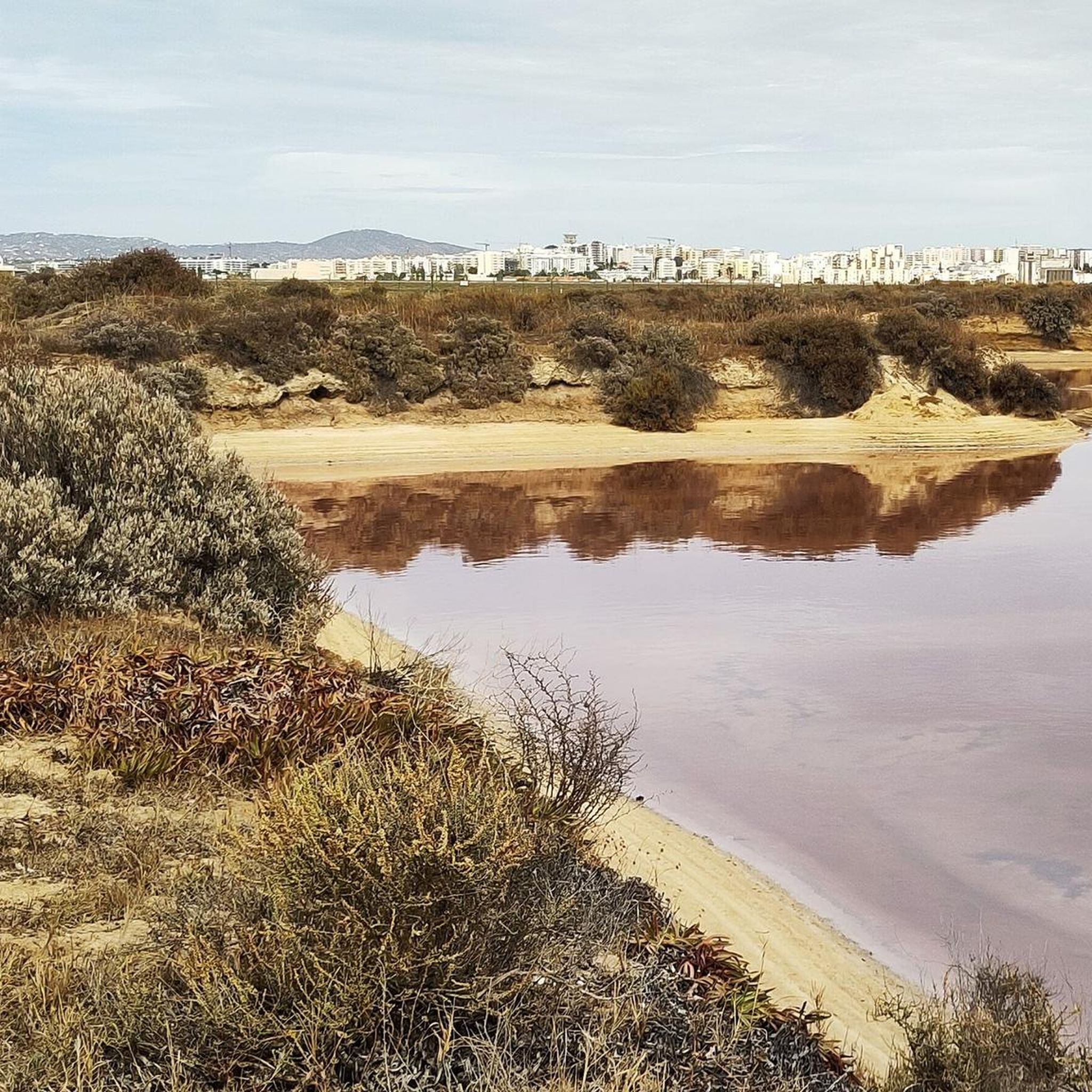
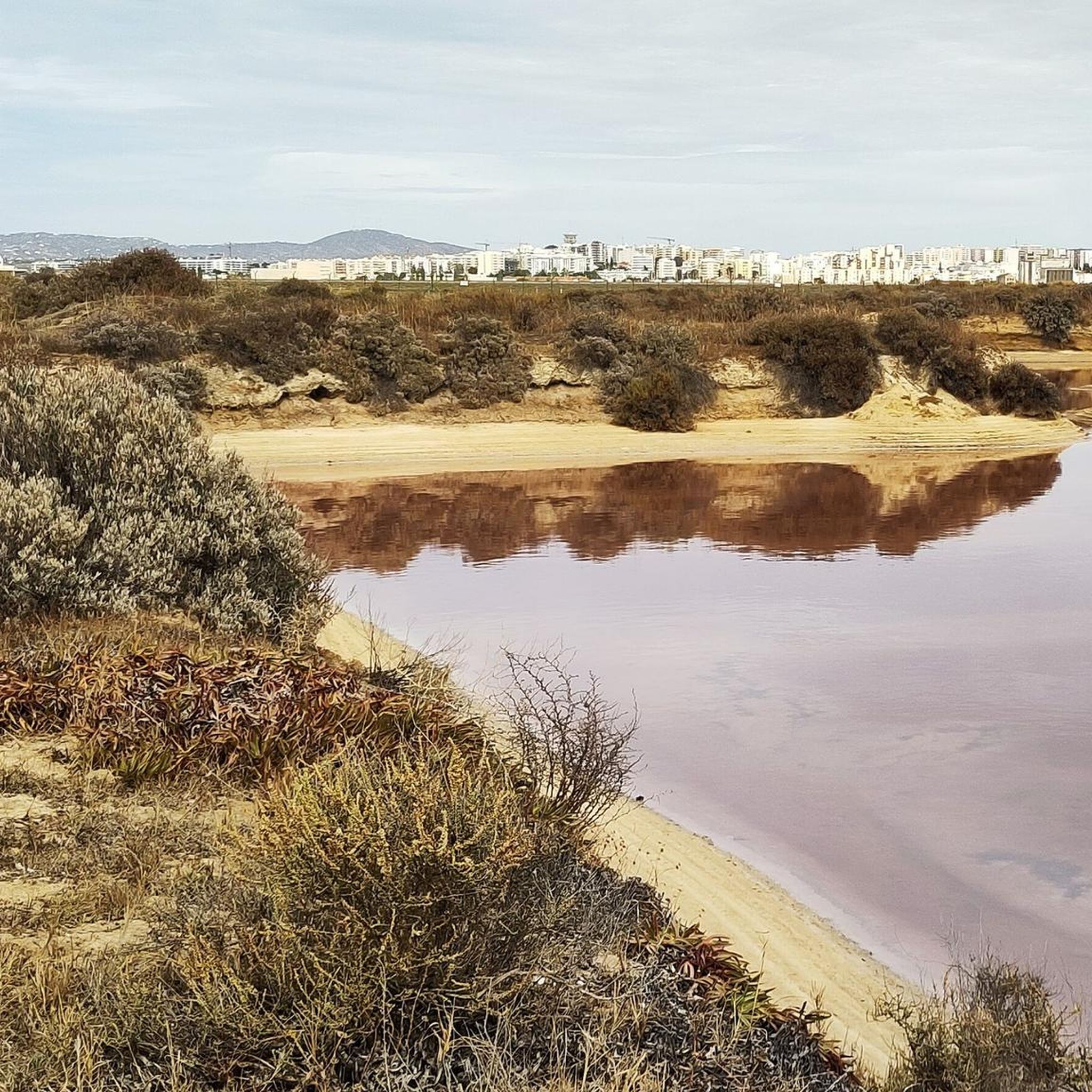
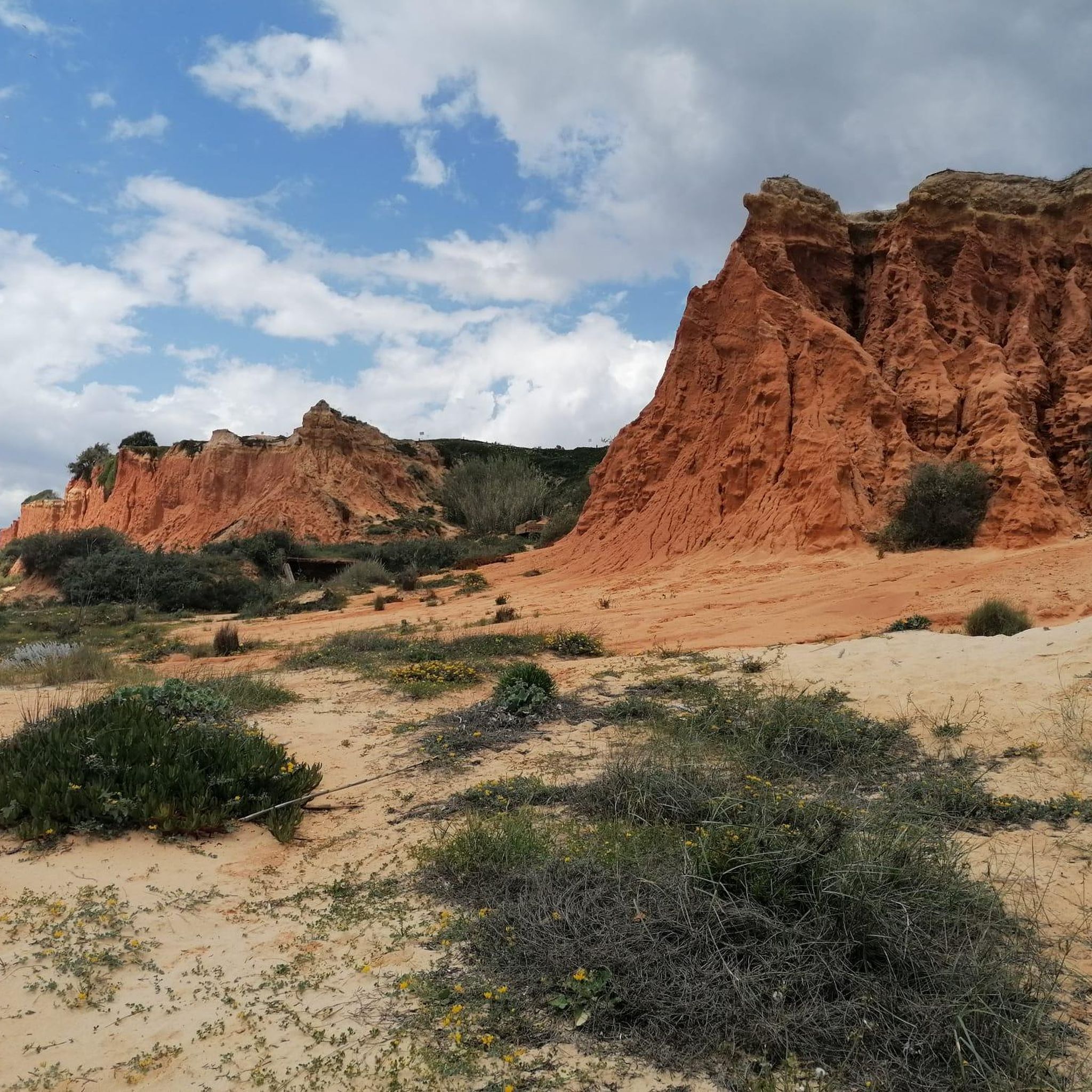
Other adventures around Faro (Sé)

Tips from the Community

Saint Francis: The large blue-and-white tile panel (azulejo) depicts Saint Francis of Assisi, surrounded by Christian symbolism. It is a beautiful and characteristic example of traditional Portuguese street art. [1] Beautiful contrast: The bright blue decorative tiles form a stunningly photogenic contrast with the whitewashed walls of the church complex. The church behind it: If you are here, it is definitely worth stepping inside the Igreja de São Francisco itself. The interior is richly decorated with even larger, historical 18th-century gold and tile panels that tell the life story of the saint.
0
0
Traditional Azulejos: The monument consists of a tableau of traditional, hand-painted blue and white Portuguese decorative tiles (azulejos). Historical symbolism: The detailed painting depicts the chaos and drama in the capital Lisbon during the disaster on November 1, 1755, when a severe earthquake, a tsunami, and a city fire that raged for days reduced a large part of the city to ashes. The link with Faro: The disaster in Lisbon also had major consequences for the Algarve region. Because the original regional capital Lagos was largely destroyed by the tsunami at the time, Faro was designated as the new capital of the Algarve in 1756, partly because the city was better protected behind the Ria Formosa lagoon.
0
0
The construction of the town hall started in 1883 based on the design of the Italian architect Francisco Xavier Fabri. The impressive facade that you see today was completely renovated in 1945 by architect Jorge Oliveira. The building is a beautiful example of the neoclassical style with baroque influences, complete with ornate plasterwork, elegant balconies, and the official coat of arms of Portugal above the entrance.
0
0
Centuries-old monastery: This photogenic courtyard originally belonged to the Convento de Nossa Senhora da Assunção (the Monastery of Our Lady of the Assumption), built in the early 16th century (Renaissance style). For centuries, nuns lived here in total seclusion. In addition to the beautiful courtyard itself, the museum houses an impressive archaeological collection, including a huge Roman mosaic (the Mosaico Oceano) from the 3rd century and busts of Roman emperors.
0
0
Arab roots: Unlike many other structures in Faro that were rebuilt later, the foundation of this gate dates directly back to the 12th-century Arab (Moorish) period. The gate was fortified at the time by the Almohads to protect the city from invaders. The legend of the 'Gate of Rest': The name Porta do Repouso literally means Gate of Rest. According to a well-known local legend, the gate owes its name to King Afonso III. It is said that when he reconquered Faro from the Moors in 1249, he rested here after the heavy battle. Double defense: As you walk through it, you notice that the gate forms a kind of lock or double arch. This was a deliberate military tactic: if the enemy broke through the first gate, they would be trapped in the space between, and the defenders could strike from above.
0
0

Highly recommended in autumn, I don't want to know how crowded it gets here in summer…
0
0

The old town around the town hall with its alleys, buildings and shops is extremely worth seeing 👀
1
0
...a popular photo motif at the harbor 👀📸
2
0
Frequently Asked Questions
What is the typical difficulty of hiking trails around Faro (Sé)? Are there easy options for beginners?
Hiking trails around Faro (Sé) generally feature minimal elevation changes, often traversing flat, coastal terrain or urban areas. The majority of routes are considered easy, with 22 out of 31 available tours falling into this category. For example, the Route of the Desert Island is an easy 2.5-mile (4.0 km) trail perfect for a gentle exploration.
What natural features and landmarks can I expect to see on hikes in Faro (Sé)?
The primary natural feature is the Ria Formosa Natural Park, an extensive protected area with canals, barrier islands, marshlands, and mudflats. You can spot diverse birdlife, including flamingos, spoonbills, and herons. Highlights within the park include the Ria Formosa Natural Park itself, and specific birdwatching spots like Birdwatching 🐦 Ancão Estuary. Urban walks also allow you to see landmarks like the Arco da Vila, Faro and Sé Cathedral and Largo da Sé Square, Faro.
When is the best time of year to go hiking in Faro (Sé)?
Faro (Sé) benefits from a sunny Mediterranean climate, making it ideal for year-round exploration. However, spring and autumn offer particularly pleasant temperatures for hiking, avoiding the peak heat of summer while still enjoying ample sunshine. These seasons are also excellent for bird-spotting in the Ria Formosa Natural Park.
Are there family-friendly hiking trails suitable for children in Faro (Sé)?
Yes, many trails in Faro (Sé) are suitable for families due to their generally flat and easy terrain. The Route of the Desert Island is a great option for families, offering a quiet, undeveloped environment to explore. The Ludo Hiking Trail, a 7 km wooden walkway, is also excellent for families, providing opportunities to see various birds and even Mediterranean turtles.
Are hiking trails in Faro (Sé) dog-friendly?
While many natural areas in Portugal are generally welcoming to dogs on leash, specific regulations can vary within protected areas like the Ria Formosa Natural Park. It's always best to check local signage or park guidelines for the specific trail you plan to hike. For urban walks, dogs on leash are typically permitted.
What do other hikers enjoy the most about hiking in Faro (Sé)?
The area is highly rated by the komoot community, with an average score of 4.0 stars from over 100 reviews. Reviewers often praise the unique coastal paths, the diverse wildlife within the Ria Formosa Natural Park, and the charm of urban routes through Faro's historic Old Town. The accessibility of easy, flat trails is also frequently highlighted.
Are there any circular hiking routes available in Faro (Sé)?
Yes, there are several circular routes. An example is the Arco da Vila, Faro – Faro Cathedral loop from Bom João, which offers an urban walk through the historic Old Town. Another option is the Arco da Vila, Faro – Historic Streets of Faro loop from Faro, providing a similar experience of the city's cultural landmarks.
How many hiking trails are available around Faro (Sé)?
There are over 30 hiking trails available around Faro (Sé) on komoot, offering a variety of experiences from easy strolls to moderate explorations. This includes routes through natural parks, along the coast, and within the city itself.
What are the parking options near hiking trails in Faro (Sé)?
For trails within Faro's urban areas, public parking lots and street parking are generally available, though they can be busy. For trails leading into the Ria Formosa Natural Park or to barrier islands, designated parking areas are often provided near trailheads or ferry terminals. It's advisable to check specific route details for parking recommendations.
Is public transport available to reach hiking trailheads in Faro (Sé)?
Yes, public transport can be used to access many trailheads. Faro has a well-connected bus network, and some routes may lead to areas near the Ria Formosa Natural Park or ferry terminals for island access. For urban walks, the city center is easily accessible by public transport. Always check local bus schedules for specific destinations.
Are there any specific trails that offer good opportunities for bird-watching?
Absolutely. The Ria Formosa Natural Park is a prime location for bird-watching. The Ludo Hiking Trail, in particular, is known for sightings of spoonbills, gray herons, coots, moorhens, and large flocks of bright pink flamingos. You can find specific highlights like Flamingos in Ria Formosa and Birdwatching 🐦 Ancão Estuary within the park.
Can I explore the barrier islands of Ria Formosa Natural Park on foot?
Yes, barrier islands like Ilha Deserta (Barreta Island) offer excellent opportunities for exploration on foot. The Route of the Desert Island is a dedicated trail on Ilha Deserta, allowing you to experience its quiet, undeveloped environment, salt pans, and inland waterways.
Are there any moderate hiking trails for those looking for a bit more challenge?
While most trails are easy, there are some moderate options available. For instance, the Arco da Vila, Faro – Faro Marina Sign loop from Bom João is a moderate 9.3-mile (15.0 km) route that offers a longer exploration of the urban and coastal areas, providing a slightly more extended challenge than the shorter easy walks.
Most popular routes around Faro (Sé)
Most popular attractions around Faro (Sé)

Get inspired with the komoot mobile app


Explore more
Browse the best Hikes in other regions.
