Attractions and Places To See around Montenegro - Top 20
Best attractions and places to see around Montenegro include a diverse array of historical sites, natural landmarks, and cultural points of interest. The region is characterized by its dramatic mountain landscapes, ancient walled cities, and serene lakes. Visitors can explore a variety of environments, from coastal towns to national parks, offering a wide range of experiences.
Best attractions and places to see around Montenegro
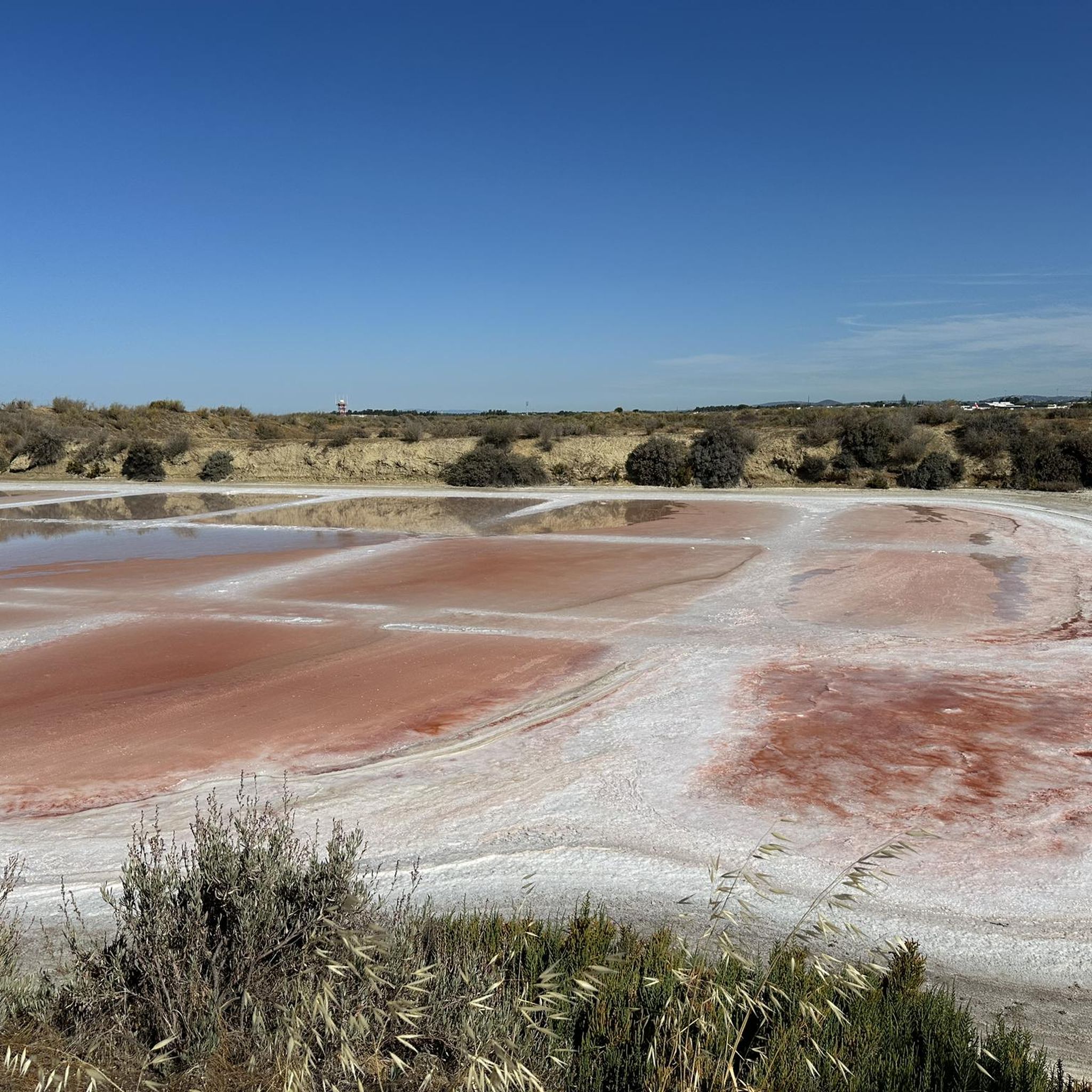
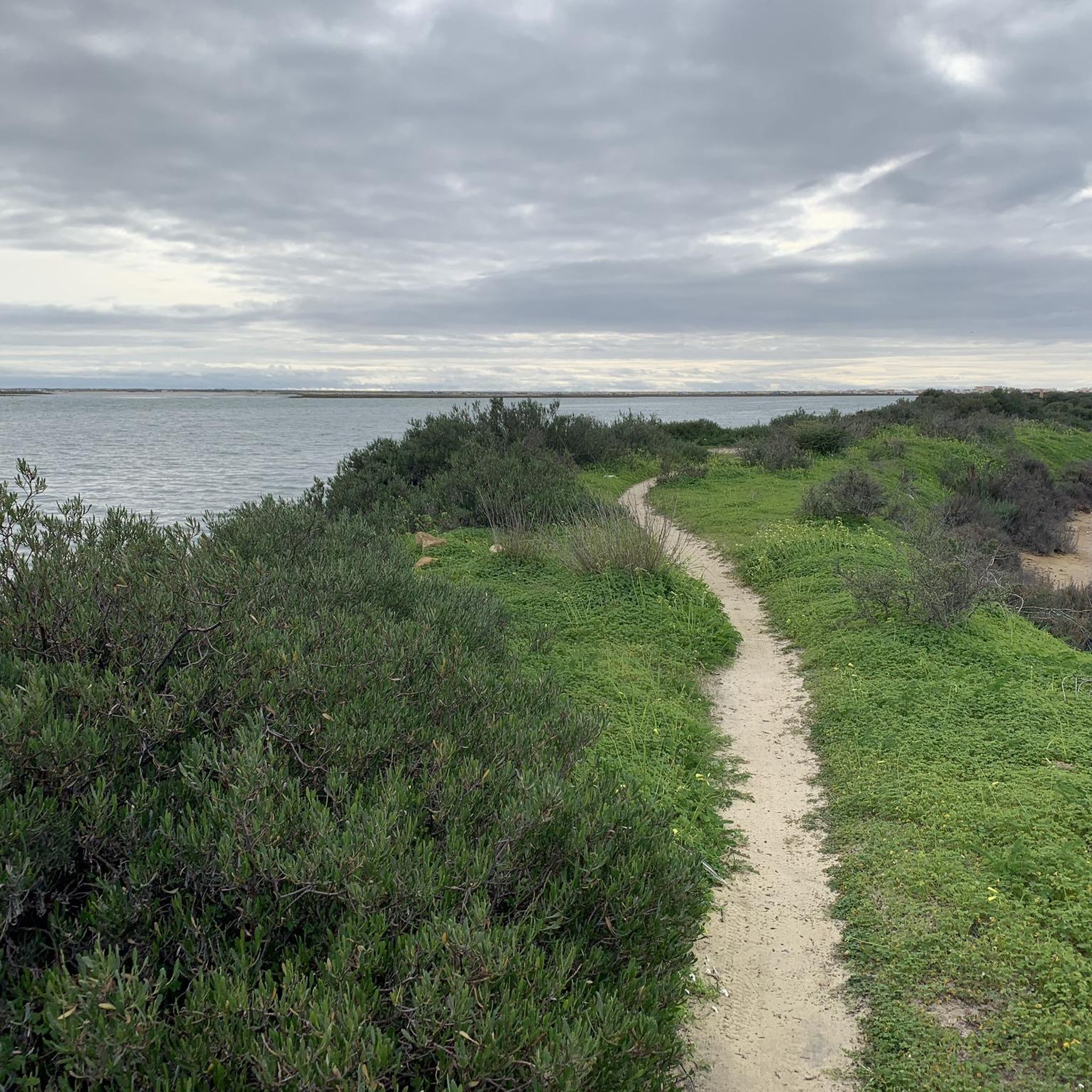
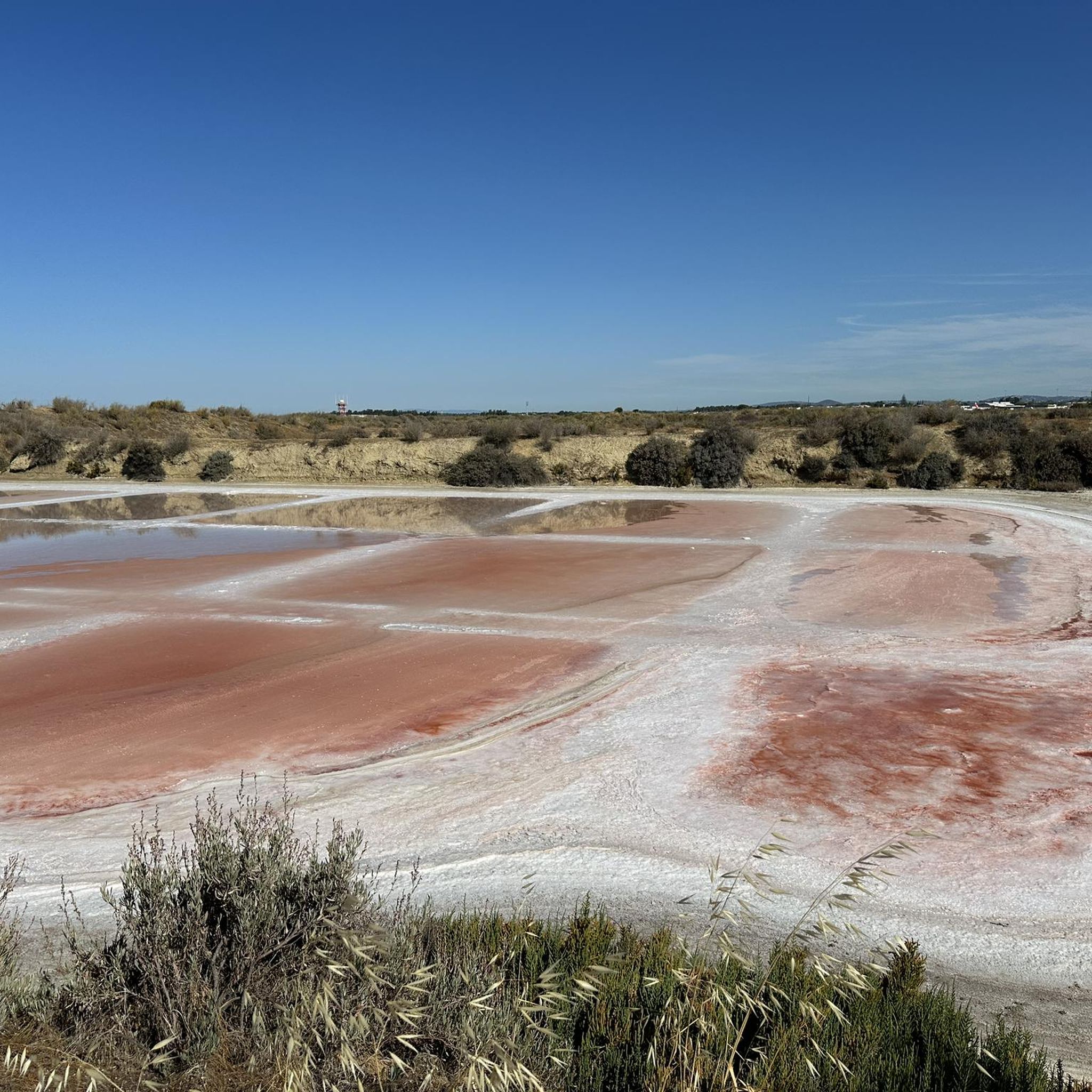
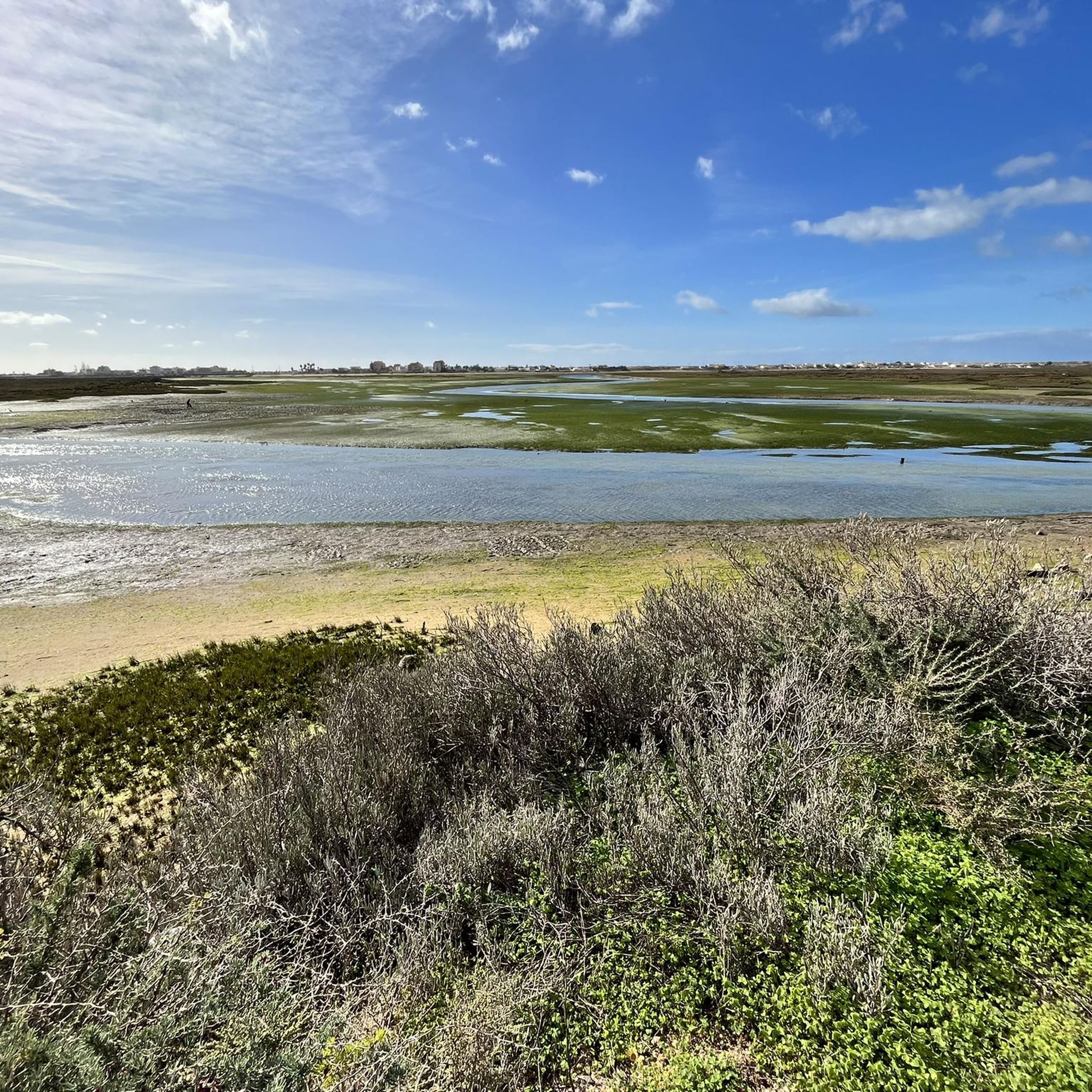
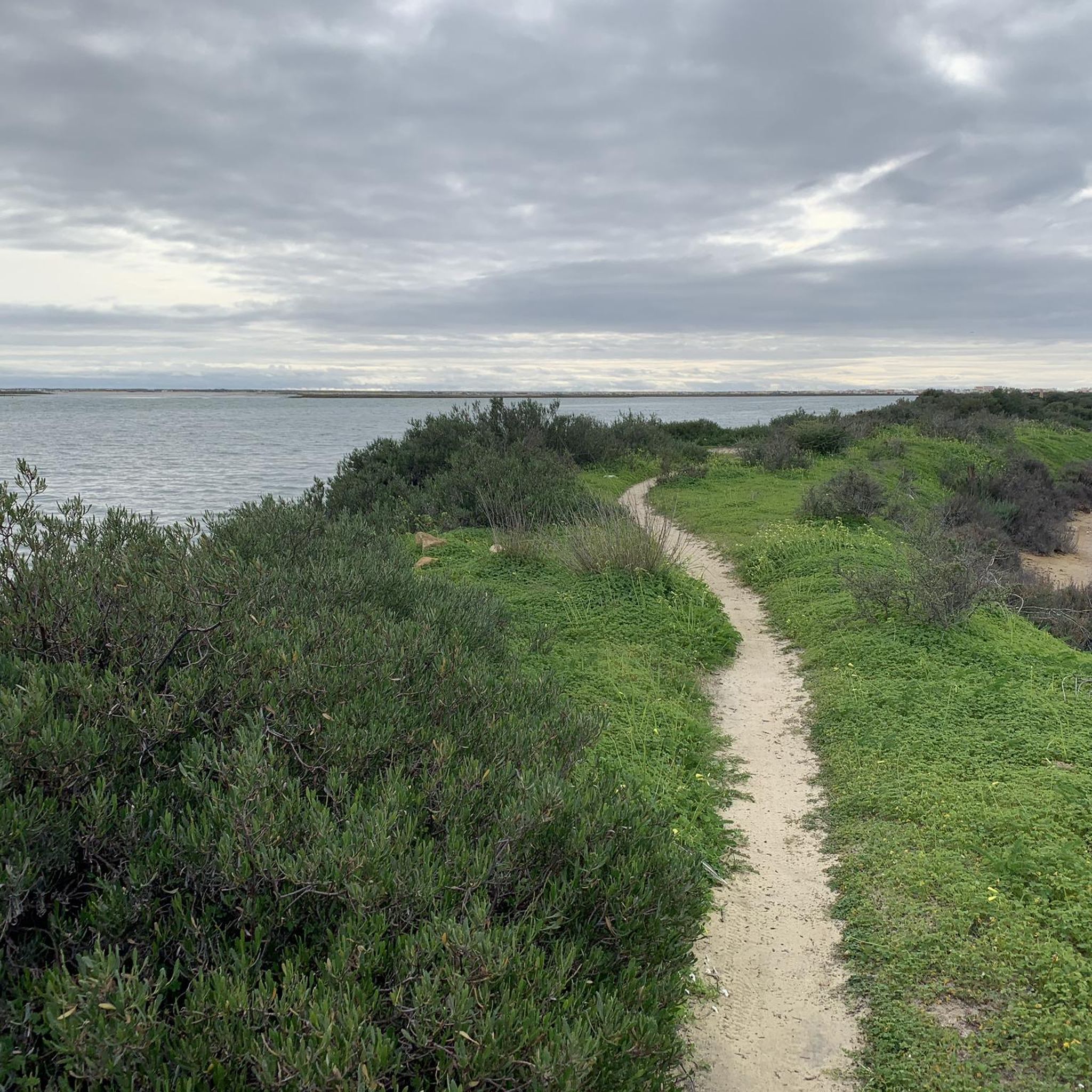
- The most popular attractions is Caminho do Ludo (Esteiro da Maria Nova), Parque Natural da Ria Formosa, a trail that offers great infrastructure for hiking and cycling. It features many beautiful spots and postcard views, with parts on raised wooden paths.
- Another must-see spot is Arco da Vila, Faro, a man-made monument. This "City Archway" was erected in the early 19th century on a medieval entrance portal and is a registered Monumento Nacional.
- Visitors also love Sé Cathedral and Largo da Sé Square, Faro, a religious building. The cathedral has several altars, and its tower offers views of Faro.
- Montenegro is known for its historical sites, natural monuments, and trails. The region offers a variety of attractions to see and explore, from urban landmarks to natural parks.
- The attractions around Montenegro are appreciated by the komoot community, with 16 highlights, over 398 photos, and more than 366 upvotes.
Last updated: August 25, 2026
Arco da Vila, Faro
Highlight • Monument
In a niche above the portal you can see Saint Thomas Aquinas, who is said to have saved the city from the plague. The Italian Marble Statue is a representative example of Italian Neoclassicism in the Algarve.
Inside is the Islamic portal, which was part of the original Moorish city wall. Due to its well-preserved condition, it is one of the unique examples of Islamic architecture in Portugal.
With the »Arco do Repouso« and the »Porta Nova« there are two other entrances to the city.
Translated by Google •
Tip by

Sé Cathedral and Largo da Sé Square, Faro
Highlight • Religious Site
The cathedral has several beautiful altars.
From the tower you have a wonderful view of Faro. A must when visiting the city.
Translated by Google •
Tip by

Sign up now to discover places like this
Get recommendations on the best single tracks, peaks, & plenty of other exciting outdoor places.
Sign up for free
Faro Marina
Highlight • Structure
Translated by Google •
Tip by

Caminho do Ludo (Esteiro da Maria Nova), Parque Natural da Ria Formosa
Highlight (Segment) • Trail
Many beautiful spots and great postcard views. Very good condition.
Translated by Google •
Tip by

Olhão Market Hall
Highlight • Monument
Tip by

Sign up for free to discover even more attractions around Montenegro.
Sign up for free
Already have an account?
Start today with a free account
Your next adventure awaits.
Login or Signup
Tips from the Community

Beautiful building with bars, restaurants and an ice cream parlor
3
0

The Faro Cathedral is one of the most important historical buildings in the city, located in Largo da Sé, in the historic center of Faro.
3
1

Faro's large square. Great cafes and a lovely place to relax.
2
0


Faro is now not the traveler
5
0

Through the gate you enter the old town of Faro.
4
0
In the Largo da Sé, dominated by the buildings of the Episcopal Palace, the Cathedral stands out, built after the Christian reconquest in 1251, on the site where the mosque used to be. Inside you will find some of the Algarve's most remarkable monuments from the 17th and 18th centuries, a period that is also well represented in the Church of São Francisco, with its beautiful gilded carvings and tiles. Nearby are two towers that protected the Arco do Repouso (Gate of Rest), which bears this name because, according to legend, King D. Afonso III rested there during the conquest of Faro. See: https://www.visitportugal.com/en/content/a-day-in-faro
3
0
The lettering at the harbor is nice to look at.
5
0
Frequently Asked Questions
What are the most popular natural attractions in Montenegro?
Montenegro boasts stunning natural beauty. The Durmitor National Park, a UNESCO World Heritage site, is an adventurer's paradise with rugged mountains, glacial lakes like Black Lake, and the deep Tara River Canyon. Another must-see is Lake Skadar National Park, the largest lake in the Balkans, perfect for birdwatching and boat trips. For ancient forests, visit Biogradska Gora National Park, one of Europe's last virgin forests.
Which historical and cultural sites should I visit in Montenegro?
The Bay of Kotor, a UNESCO World Heritage site, is home to the medieval walled city of Kotor Old Town, where you can climb to St. John's Fortress for panoramic views. Don't miss the spectacularly set Ostrog Monastery, carved into a cliff face, or the iconic islet of Sveti Stefan with its terracotta rooftops.
Are there family-friendly activities and attractions in Montenegro?
Yes, Montenegro offers several family-friendly options. Exploring the historic streets of Kotor Old Town or taking a boat trip on Lake Skadar National Park are great for all ages. The Tara River Canyon offers exciting activities like zip-lining and white-water rafting for older children and adventurous families. Many national parks also have easy trails suitable for families.
What outdoor activities can I do near Montenegro's attractions?
Montenegro is ideal for outdoor enthusiasts. You can enjoy hiking in Durmitor National Park or Lovćen National Park. White-water rafting is popular in the Tara River Canyon. Lake Skadar is perfect for boat trips and kayaking. For more specific routes, you can explore options like easy hikes or cycling tours around Montenegro.
Where can I find scenic viewpoints in Montenegro?
For breathtaking views, climb to St. John's Fortress above Kotor Old Town, offering panoramic vistas of the Bay of Kotor. The Njegoš Mausoleum in Lovćen National Park also provides spectacular mountain views after a climb. The 'Serpentine Road' leading up to Lovćen itself offers dramatic landscapes. Additionally, the Bay of Kotor is dotted with picturesque towns like Perast, offering stunning coastal scenery.
Are there any unique natural features or hidden gems to explore?
Beyond the well-known sites, consider visiting the Blue Cave (Plava Spilja) near the Luštica Peninsula, famous for its luminescent blue waters, ideal for swimming. The Luštica Peninsula itself is a hidden gem with unspoiled fishing communities and olive groves. For a truly unique experience, explore Ada Bojana, a river island known for eco-tourism and water sports.
What are the best places for hiking in Montenegro?
Montenegro offers diverse hiking terrain. Durmitor National Park is excellent for challenging mountain hikes, while Lovćen National Park provides trails with historical significance and stunning views. Biogradska Gora National Park offers serene walks through ancient forests. For easier options, explore the trails around Lake Skadar. You can find various hiking routes, including easy hikes, to suit different fitness levels.
Can I find wheelchair-accessible attractions in Montenegro?
While many historical sites in Montenegro, especially old towns, may have cobblestones and stairs, some areas offer better accessibility. Coastal promenades in towns like Tivat and parts of the Bay of Kotor can be more accessible. It's advisable to check specific locations for detailed accessibility information before visiting.
What is the best time to visit Montenegro for sightseeing and outdoor activities?
The shoulder seasons (April-May and September-October) are generally ideal for visiting Montenegro. The weather is pleasant for sightseeing and outdoor activities like hiking, with fewer crowds than in peak summer. Summer (June-August) is excellent for beaches and water sports, but popular areas can be very busy. Winter is suitable for skiing in areas like Kolašin.
Which towns in Montenegro offer a blend of history and coastal charm?
Several towns perfectly combine history with coastal appeal. Kotor, with its medieval walled city, is a prime example. Budva Old Town, one of the Adriatic's oldest settlements, also offers historical sites alongside vibrant beaches. Perast, known for its Venetian architecture and island churches, is another picturesque option within the Bay of Kotor.
Are there any ancient ruins or archaeological sites in Montenegro?
Yes, Montenegro has a rich history reflected in its ancient ruins. Stari Bar (Old Bar) is a captivating ruin of an ancient city with remnants from Roman, Byzantine, and Ottoman periods. The city walls of Kotor Old Town also showcase centuries of architectural styles, including Gothic, Renaissance, and Baroque, built upon ancient foundations.
What are the options for cycling around Montenegro's attractions?
Cycling is a fantastic way to explore Montenegro's scenic landscapes. While specific routes vary, coastal roads around the Bay of Kotor offer beautiful views, and some national parks provide cycling opportunities. For detailed routes and guides, you can look into cycling around Montenegro or road cycling routes around Montenegro, which offer various difficulty levels.
Most popular routes around Montenegro
Most popular attractions around Montenegro

Get inspired with the komoot mobile app


Explore more
Still not found the Highlight you’re looking for? See guides of the top attractions in other regions:
