The best road cycling routes around Vilar Torpim
111
riders
22
rides
Road cycling routes around Vilar Torpim traverse a landscape characterized by rolling hills, river valleys, and varied elevations. The region features a mix of rocky outcrops, agricultural lands, and forested areas, providing diverse backdrops for cycling. Situated near the Avelar stream, a tributary of the Côa River, the area offers routes with both demanding climbs and scenic stretches.
Best road cycling routes around Vilar Torpim
- The most popular road cycling route is Castelo Rodrigo Village – Almeida Castle loop from…
Last updated: June 28, 2026
11
riders
75.7km
03:44
1,120m
1,120m
Hard road ride. Very good fitness required. Some segments of this route may be unpaved and difficult to ride.
12
riders
47.1km
02:07
480m
480m
Moderate road ride. Good fitness required. Mostly well-paved surfaces and easy to ride.

Sign up for free
7
riders
Hard road ride. Very good fitness required. Mostly well-paved surfaces and easy to ride.
7
riders
66.9km
03:28
1,160m
1,160m
Hard road ride. Very good fitness required. Some segments of this route may be unpaved and difficult to ride.
9
riders
46.4km
02:24
810m
810m
Moderate road ride. Good fitness required. Mostly well-paved surfaces and easy to ride.
Get access to more routes and recommendations from other explorers.
Sign up for free
Already have an account?
Our route recommendations are based on thousands of hikes, rides, and runs completed by other people on komoot.
Start today with a free account
Your next adventure awaits.
Login or Signup
Popular around Vilar Torpim
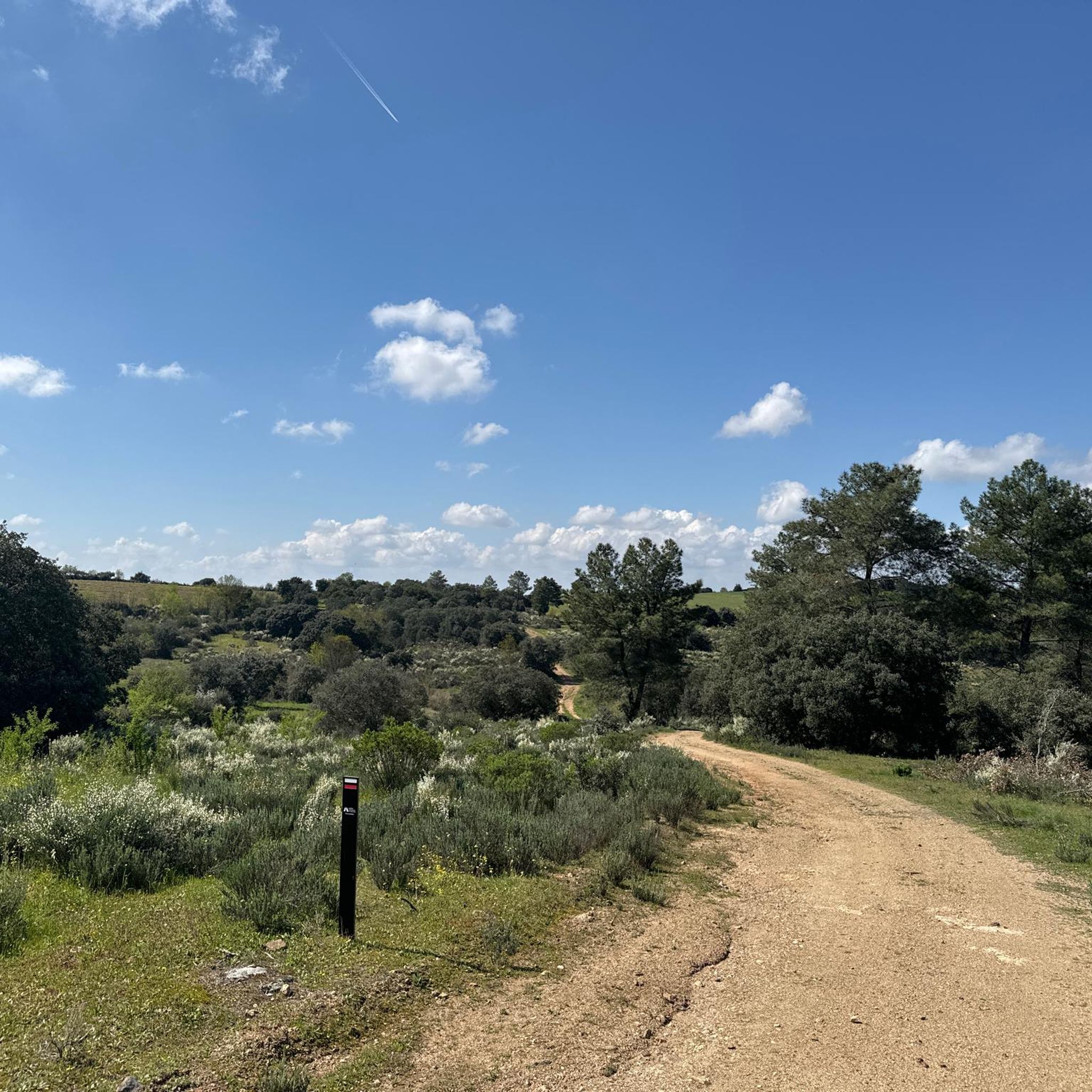
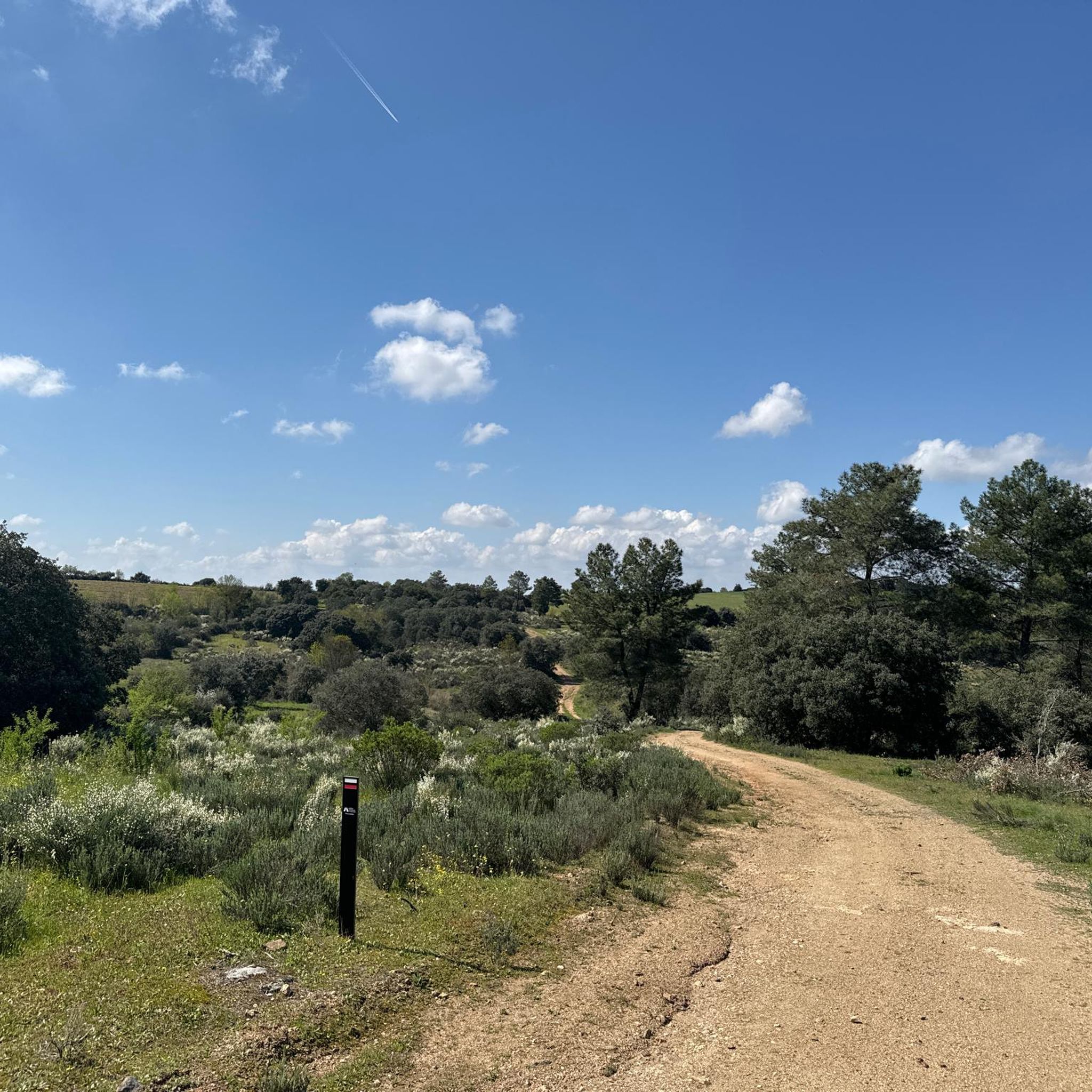
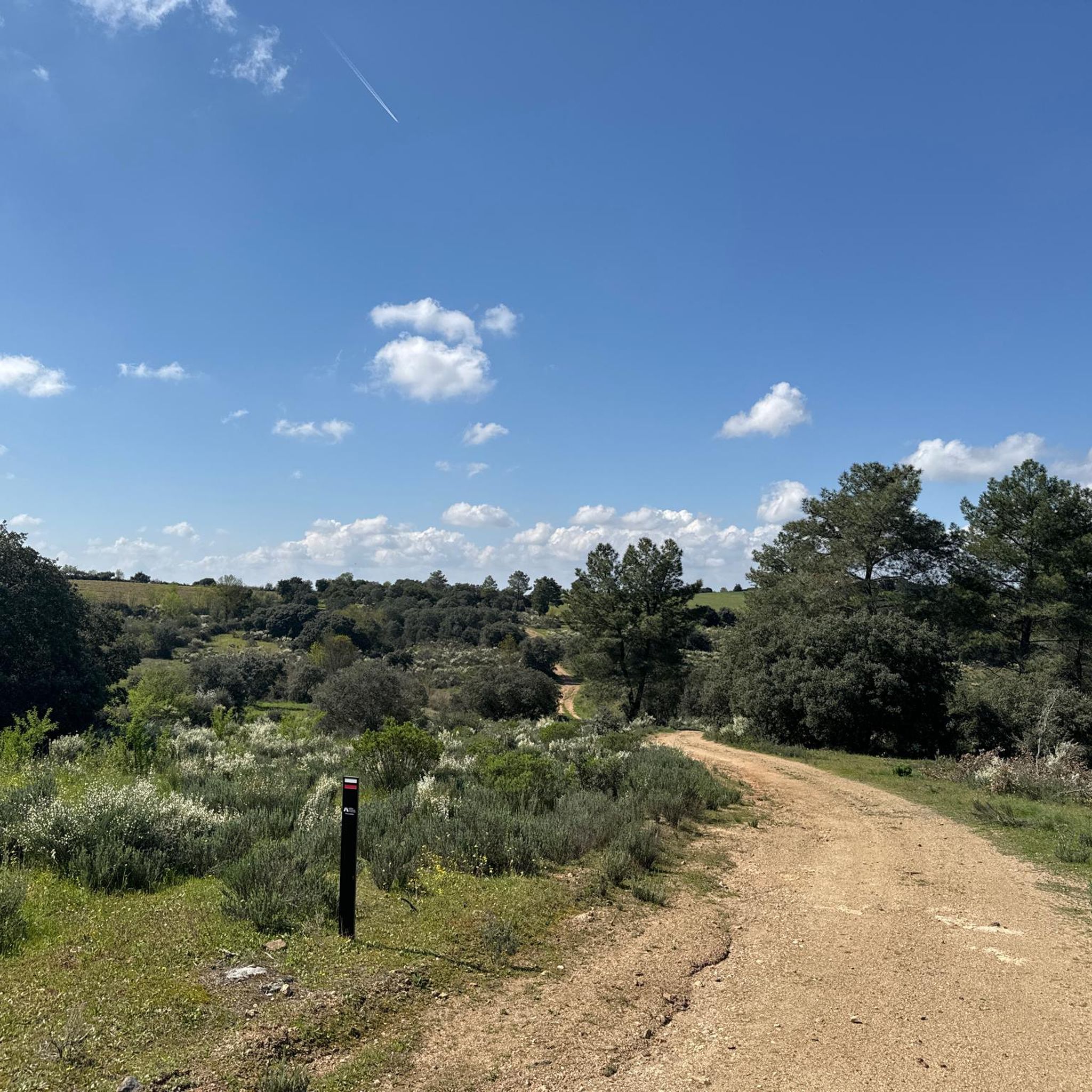
Tips from the Community

Vila Nova de Foz Côa is a jewel of northern Portugal, located in the Guarda district of the Alto Douro region. It is known for its unique archaeological heritage, spectacular wine-growing landscapes, and its deep connection to history and nature.
3
0

The bridge was designed and built in 1955 by the renowned Portuguese engineer Edgar Cardoso. It is considered the first motorway bridge in the Portuguese section of the Douro River and is a concrete arch bridge with a length of approximately 300 meters. It is named after the Portuguese naval officer and colonial administrator Almirante Manuel Maria Sarmento Rodrigues, who served as governor of Guinea and Mozambique under the Salazar dictatorship and later became Minister of Colonies.
1
0

With its source near Guarda, the Massueime Stream flows through valleys and municipalities until it empties its waters into the Côa River, which in turn flows into the Douro. At the edge of this bridge, a bench invites you to stop: sit, take a deep breath, and let yourself be lulled by the serenity of the current.
2
0
The trail here merges with the Great Côa and Historic Villages Route, leading you down a steep descent to the river. After crossing, the hillside challenges you with its demanding climb, but the reward lies in each new look: ever-changing perspectives of the Côa Valley. Both directions offer incredible views: remember to look back!
2
0
Nestled in the Serra da Marofa valley, Freixeda do Torrão holds centuries of history. Its name dates back to 1190, and since then, time has left its mark. Among its treasures stands the Parish Church, with Romanesque roots, rebuilt after the devastating fire of 1908 but still faithful to the 16th-century portal that saw its birth. In the heart of the parish, the Solar dos Metelos stands tall with its medieval tower and stately coat of arms, a testament to times of power and distinction.
2
0
In the heart of the Côa Valley, Faia Brava is a wildlife sanctuary where griffon vultures, eagles, and black storks soar through the skies. Between imposing cliffs and the largest cork oak forest in the region, this 600-hectare protected area preserves rare habitats, ancient trails, and local traditions. Managed by the ATN, it invites you to discover nature through guided tours that reveal one of Guarda's most authentic and vibrant corners.
2
0
Castelo Rodrigo holds millennia of history, from Paleolithic and Roman remains to the Muslim presence in the castle. Conquered and reconquered between the 12th and 13th centuries, it became a town and municipality under King Alfonso IX of León and passed definitively to Portugal in 1297, when King Dinis rebuilt and repopulated the castle. Marked by wars, charters, and restorations, it welcomed pilgrims on their way to Santiago and remains today one of the twelve Historic Villages of Portugal.
3
0
At the entrance to Castelo Rodrigo, the Monastery of Santa Maria de Aguiar rises among chestnut trees, founded in 1174 by King Afonso Henriques and handed over to the Cistercian Order. From the sober church to the monks' quarters and the guesthouse loggia with its 1704 coat of arms, everything testifies to centuries of faith and hospitality for pilgrims to Santiago. Despite the damage caused by the French invasions and its abandonment in 1834, the monastery's former beauty remains intact.
2
0
Frequently Asked Questions
What kind of terrain can I expect on road cycling routes around Vilar Torpim?
The Vilar Torpim region offers a diverse road cycling experience, characterized by rolling hills, river valleys, and varied elevations. You'll encounter a mix of rocky outcrops, agricultural lands, and forested areas. Routes often feature both demanding climbs and picturesque stretches, with surfaces including asphalt and paved sections, as well as some tracks.
How many road cycling routes are available in the Vilar Torpim area, and what are their difficulty levels?
There are over 20 road cycling routes around Vilar Torpim. These routes cater to various skill levels, with 2 easy routes, 10 moderate routes, and 10 difficult routes, ensuring options for every cyclist.
Are there any family-friendly road cycling routes near Vilar Torpim?
Yes, the Vilar Torpim area offers a couple of easy road cycling routes suitable for families or those looking for a more relaxed ride. These routes typically feature less elevation gain and shorter distances, allowing for an enjoyable experience for all ages.
What historical landmarks or cultural sites can I explore along the road cycling routes?
The region is rich in history. Many routes pass by significant landmarks. For instance, the Castelo Rodrigo Village – Almeida Castle loop from Figueira de Castelo Rodrigo connects two major historical sites: the charming village of Castelo Rodrigo and the impressive Almeida Castle. You can also find historical sites within Vilar Torpim itself, such as the Mother Church and the Solar dos Saraivas.
Are there any circular road cycling routes available around Vilar Torpim?
Yes, many of the road cycling routes in the Vilar Torpim area are designed as loops, allowing you to start and end in the same location. Examples include the Castelo Rodrigo Village – Almeida Castle loop from Castelo Rodrigo and the End of N222 in Almendra – Steep terrain in the Côa Valley loop from Figueira de Castelo Rodrigo.
What are some scenic viewpoints or natural features to look out for while cycling?
The region boasts stunning natural beauty. You can expect breathtaking views along the Douro River, known for its terraced vineyards. The Serra da Marofa offers elevated vistas, and routes through the Côa Valley, such as the Cidadelhe – Steep terrain in the Côa Valley loop from Figueira de Castelo Rodrigo, provide picturesque riverine landscapes.
What is the best season for road cycling in Vilar Torpim?
The interior of Portugal, where Vilar Torpim is located, generally experiences warm summers and mild winters. Spring and autumn are often considered the best seasons for road cycling, offering pleasant temperatures and vibrant landscapes. However, routes are accessible year-round, with summer rides best enjoyed in the cooler parts of the day.
Are there places to stop for refreshments or find accommodation along the routes?
Vilar Torpim and nearby villages like Castelo Rodrigo offer amenities such as cafes, pubs, and accommodation options. Many routes are designed to pass through or near these settlements, providing convenient stops for refreshments and rest.
What do other road cyclists enjoy most about cycling in Vilar Torpim?
Over 100 road cyclists have explored Vilar Torpim's varied terrain using komoot. They frequently praise the region's diverse landscapes, which combine challenging climbs with scenic stretches, and the opportunity to connect with historical villages and natural beauty.
Are there any routes that explore the Côa Valley?
Yes, the Côa Valley is a prominent feature in the region's cycling landscape. The End of N222 in Almendra – Steep terrain in the Côa Valley loop from Figueira de Castelo Rodrigo is a challenging route that leads directly through this valley, offering stunning views and significant elevation changes.
Can I find routes that connect to the Douro River area?
While Vilar Torpim is not directly on the Douro River, its proximity means that routes like the Barca d'Alva loop from Castelo Rodrigo can take you towards the stunning Douro landscapes, offering breathtaking views of the river and its famous wine fields.
Most popular routes around Vilar Torpim
Most popular attractions around Vilar Torpim

Get inspired with the komoot mobile app


Explore more
Browse the best Road cycling routes in other regions.
