The best cycling routes around Fornos De Algodres
4.3
(12)
70
riders
7
rides
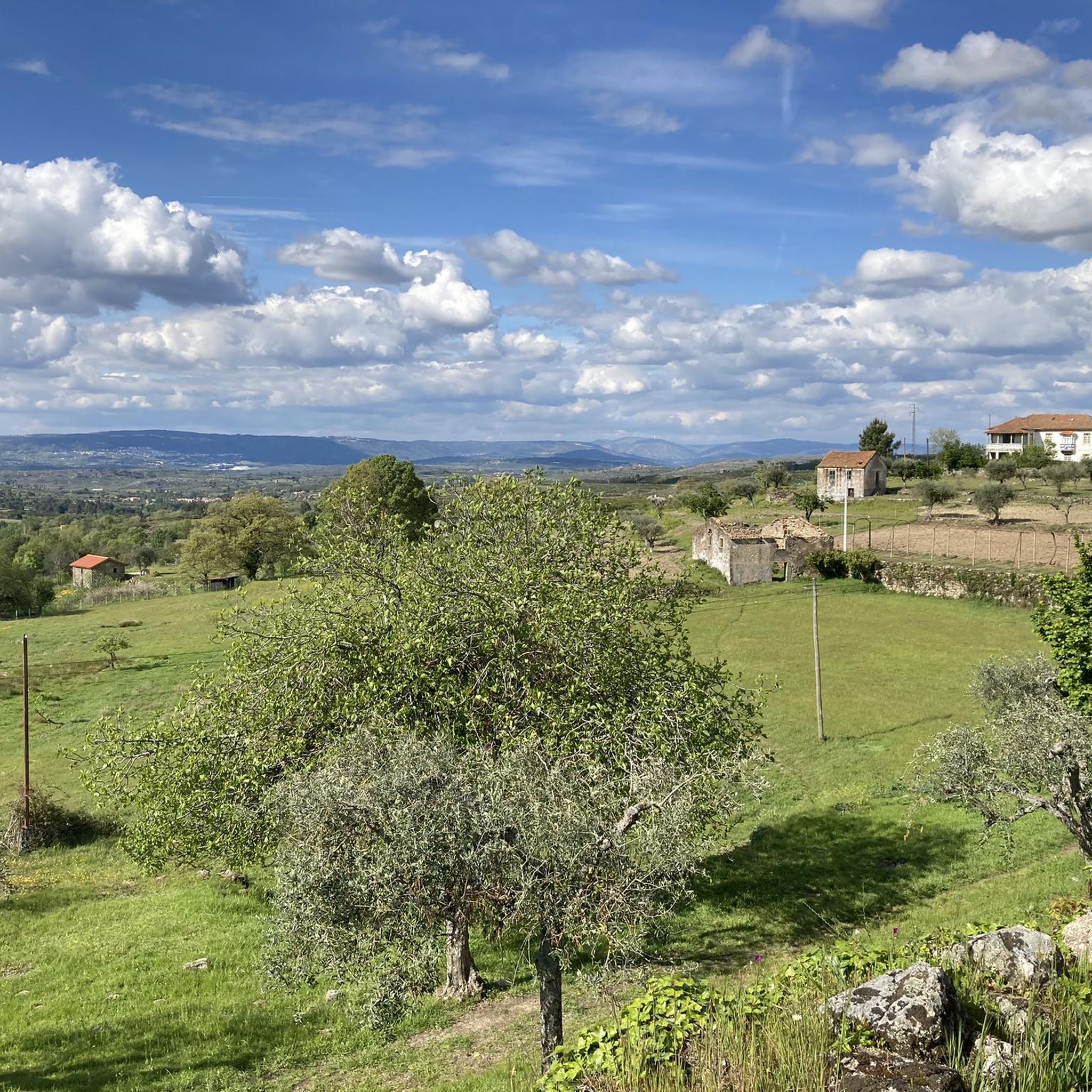
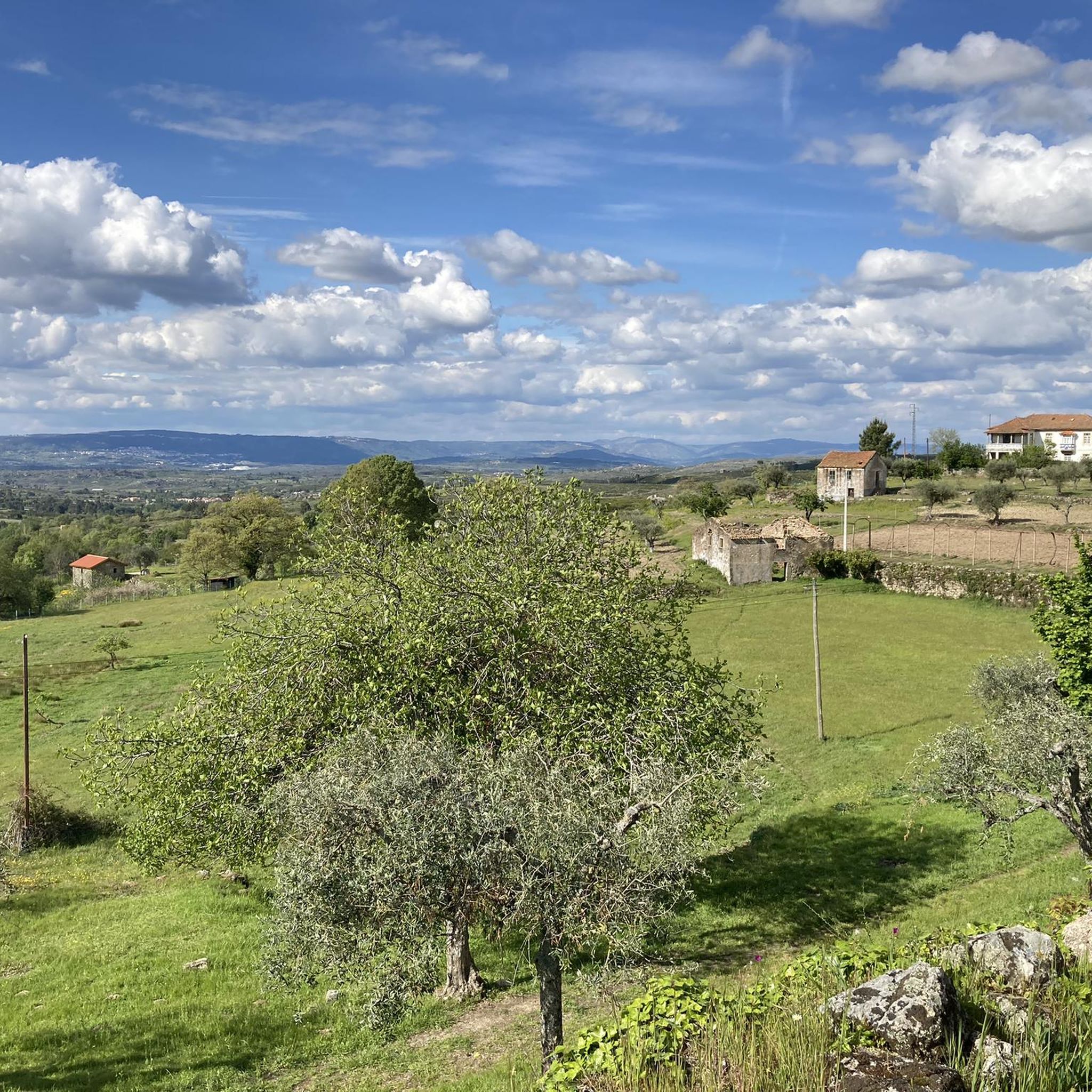
Touring cycling routes around Fornos de Algodres are characterized by diverse landscapes, including rolling hills, lush forests, and rugged mountainsides. The region's topography varies significantly, with altitudes between 310 and 960 meters, and granite as a predominant geological feature. Situated between the Beira Alta Plateau and the Serra da Estrela, it offers a mix of terrains suitable for various cycling preferences. Green valleys shaped by tributaries of the Rio Mondego also define the area.
Best touring cycling routes around Fornos…
Last updated: May 13, 2026
4.4
(5)
21
riders
27.5km
02:20
710m
710m
Hard bike ride. Very good fitness required. Mostly paved surfaces. Suitable for all skill levels.
4.8
(4)
16
riders
31.2km
02:11
580m
580m
Hard bike ride. Very good fitness required. Mostly paved surfaces. Suitable for all skill levels.

Sign up for free
3.0
(2)
8
riders
15.9km
01:14
410m
410m
Moderate bike ride. Good fitness required. Mostly paved surfaces. Suitable for all skill levels.
4
riders
39.7km
02:54
820m
820m
Hard bike ride. Very good fitness required. Mostly paved surfaces. Suitable for all skill levels.
3
riders
42.3km
03:08
930m
930m
Hard bike ride. Very good fitness required. Mostly paved surfaces. Suitable for all skill levels.
Get access to more routes and recommendations from other explorers.
Sign up for free
Already have an account?
Our route recommendations are based on thousands of hikes, rides, and runs completed by other people on komoot.
Start today with a free account
Your next adventure awaits.
Login or Signup
Popular around Fornos De Algodres

Tips from the Community


A historic village of undeniable beauty. Thank you for sharing the photos.👍🥾🚲
0
0

Linhares da Beira is steeped in centuries of history. Founded, apparently, in the 6th century BC by the Turduli, it saw the passage of the Lusitanians, Romans, and Visigoths, who made it the seat of their diocese. It was the scene of Moorish legends, recovered by the kings of León and later by Afonso Henriques, who granted it a charter in 1169 and integrated it into the region's defensive line. Over time, it welcomed Jews, resisted invasions, and lost its municipality in 1842, but never its soul. Today, it is proud to be one of the 12 Historic Villages of Portugal, where every stone tells a piece of the past.
3
0

Characterized by a serene and rural atmosphere, Freixo da Serra offers a taste of traditional Portuguese mountain life. Its stone houses, narrow streets and surrounding environment of cultivated fields and forests make it an ideal place for those seeking peace and contact with nature. Its strategic location allows easy access to some of the trails and points of interest of Serra da Estrela, while maintaining the tranquility of a less touristy settlement.
0
0
Gouveia is a picturesque Portuguese town and municipality located in the district of Guarda, on the northern edge of the Serra da Estrela Natural Park. With an elevated position that provides it with a mountain climate and picturesque views, Gouveia is considered one of the "gateways" to the highest mountain range in mainland Portugal. The town stands out for its rich historical and architectural heritage, with a charming old town characterized by narrow cobbled streets, traditional houses and monuments such as the Mother Church of São Pedro and the Paços do Concelho (Town Hall). Gouveia is also renowned for the production of the famous Queijo Serra da Estrela, a DOP sheep's cheese, and for its tradition of the Cão da Serra da Estrela dog breed. Its proximity to the Natural Park makes it an excellent base for exploring the natural beauty of the Serra.
0
0
The village is famous for its granite houses, cobbled streets and its imposing medieval castle, which offers spectacular views of the surrounding landscape. Legend has it that Folgosinho was founded by Lusone, grandson of Noah, which adds a touch of mysticism to its already fascinating history.
0
0
The village is famous for its granite houses, cobbled streets and its imposing medieval castle, which offers spectacular views of the surrounding landscape. Legend has it that Folgosinho was founded by Lusone, grandson of Noah, which adds a touch of mysticism to its already fascinating history.
0
0

lunch at Cova da Loba
0
0
Frequently Asked Questions
What kind of terrain can I expect when touring cycling around Fornos de Algodres?
The region offers a diverse mix of landscapes, from rolling hills and lush forests to rugged mountainsides and rocky paths. You'll encounter altitudes varying between 310 and 960 meters, with granite being a predominant geological feature. The area is situated between the Beira Alta Plateau and the Serra da Estrela, providing a variety of challenges and scenic rewards.
Are there any moderate touring cycling routes available in Fornos de Algodres?
Yes, there is at least one moderate route. For example, the Folgosinho – Folgosinho loop from Melo is a moderate 15.9 km (9.8 miles) trail that leads through green valleys and can typically be completed in about 1 hour 14 minutes.
What are the best times of year for touring cycling in Fornos de Algodres?
The best seasons for touring cycling in Fornos de Algodres are spring and autumn. During these times, temperatures are mild and the natural scenery is vibrant. Winter can bring impassable snowy paths, especially at higher elevations, while summer heat may pose challenges for prolonged rides.
Are there any challenging touring cycling routes for experienced riders?
Yes, Fornos de Algodres is known for its challenging routes. For instance, the Folgosinho – Folgosinho loop from Rio Torto is a difficult 39.7 km (24.7 miles) route with an elevation gain of over 820 meters, typically taking nearly 3 hours to complete. Many other difficult options are available, often featuring significant ascents.
What natural features or landmarks can I see along the touring cycling routes?
The region is rich in natural beauty and historical sites. You can explore areas like the Vale do Mondego, known for its natural beauty, and the Penedo Durão granite mountain range offering panoramic vistas. Nearby attractions include the historic settlement of Aldeia Histórica de Linhares da Beira and the ancient Linhares Roman Road. The area is also part of the Estrela UNESCO Global Geopark, featuring geosites like Fraga da Pena.
Are there any circular touring cycling routes in the area?
Yes, many of the touring cycling routes around Fornos de Algodres are designed as loops. Examples include the Folgosinho – Folgosinho loop from Melo e Nabais, a difficult 27.5 km (17.1 miles) route, and the Freixo da Serra – Castelo de Linhares loop from Melo, which is 31.2 km (19.4 miles) long.
What do other touring cyclists say about the routes in Fornos de Algodres?
The touring cycling routes in Fornos de Algodres are highly rated by the komoot community, with an average score of 4.25 stars from over 12 reviews. Cyclists often praise the varied terrain, from granite mountainsides to green river valleys, and the mix of challenging climbs and scenic paths.
Is Fornos de Algodres a good base for accessing the Serra da Estrela Natural Park for cycling?
Yes, Fornos de Algodres serves as an excellent base for accessing the challenging trails of the Serra da Estrela Natural Park. The park is just a short drive away and offers routes with significant ascents, including the iconic climb to 'Torre,' Portugal's highest point within the Serra da Estrela, for advanced riders.
What kind of geological features can be observed while cycling in this region?
The municipality is largely composed of granite, with pockets of schist and quartzite. It is integrated into the Estrela UNESCO Global Geopark, featuring several geosites. You'll encounter massive granite formations, particularly in areas like Penedo Durão and Fraga da Pena, which contribute to the rugged and scenic landscape.
Are there any specific trails that follow rivers or offer views of water features?
Yes, the Rio Mondego Trail follows the banks of the Rio Mondego, winding through picturesque valleys and meadows. The region also features numerous streams, such as the Canharda, Cortiçô, and Muxagata (tributaries of the Rio Mondego), which shape the green valleys and offer scenic views. The Vale do Mondego is celebrated for its natural beauty, including cascading waterfalls and crystal-clear streams.
How many touring cycling routes are there in Fornos de Algodres?
There are 7 touring cycling routes currently available in Fornos de Algodres, catering to various skill levels from moderate to difficult. These routes have been explored by over 60 touring cyclists using komoot.
Most popular routes around Fornos De Algodres
Most popular attractions around Fornos De Algodres

Get inspired with the komoot mobile app


Explore more
Browse the best Cycling routes in other regions.
