The best road cycling routes around Mós
5.0
(2)
68
riders
13
rides
Road cycling routes around Mós, Portugal, are set within a landscape defined by the Serras de Aire e Candeeiros Natural Park. This region features a limestone massif with rugged terrain, including scarps, rocky outcrops, and significant valleys. Cyclists encounter varied conditions, from rural paths to mountainous areas with notable climbs and descents. Mós cycling tourism offers routes that showcase these diverse natural features, providing options for various Mós road bike difficulty and elevation preferences.
Best road cycling routes around Mós
…Last updated: July 1, 2026
1
riders
25.6km
01:21
450m
450m
Moderate road ride. Good fitness required. Mostly well-paved surfaces and easy to ride.
14
riders
57.6km
02:58
910m
910m
Hard road ride. Very good fitness required. Mostly well-paved surfaces and easy to ride.

Sign up for free
5.0
(1)
13
riders
46.5km
02:25
830m
830m
Moderate road ride. Good fitness required. Mostly well-paved surfaces and easy to ride.
5.0
(1)
8
riders
92.9km
04:54
1,680m
1,690m
Hard road ride. Very good fitness required. Mostly well-paved surfaces and easy to ride.
5
riders
79.8km
04:06
1,310m
1,310m
Hard road ride. Very good fitness required. Some segments of this route may be unpaved and difficult to ride.
Get access to more routes and recommendations from other explorers.
Sign up for free
Already have an account?
Our route recommendations are based on thousands of hikes, rides, and runs completed by other people on komoot.
Start today with a free account
Your next adventure awaits.
Login or Signup
Popular around Mós

Tips from the Community

The Pocinho Road-Railway Bridge, also known as the Pocinho Bridge, is a road-rail infrastructure of the Linha do Sabor, which crosses the Douro River in the Municipality of Vila Nova de Foz Côa, in Portugal; it is closed to service, for both types of traffic. The construction of a bridge at this location, with two superimposed decks, was foreseen by the Plan of the Complementary Network North of Mondego, dated February 15, 1900.
0
0

Vila Nova de Foz Côa is a jewel of northern Portugal, located in the Guarda district of the Alto Douro region. It is known for its unique archaeological heritage, spectacular wine-growing landscapes, and its deep connection to history and nature.
3
0

Marialva is a jewel among Portugal's Historic Villages. High above, the castle watches over centuries of conquests and legends, while within the walls still echo the memory of kings, fairs, and battles. Strolling its cobblestone streets is like traveling back in time: from the keep to the Church of Santiago, every detail tells a story. Outside the walls, vineyards and flavors of Beira Alta complete the landscape: roast kid, sheep's cheese, and sweets that preserve the taste of tradition. Here, the village is experienced as much on foot as at the table.
3
0
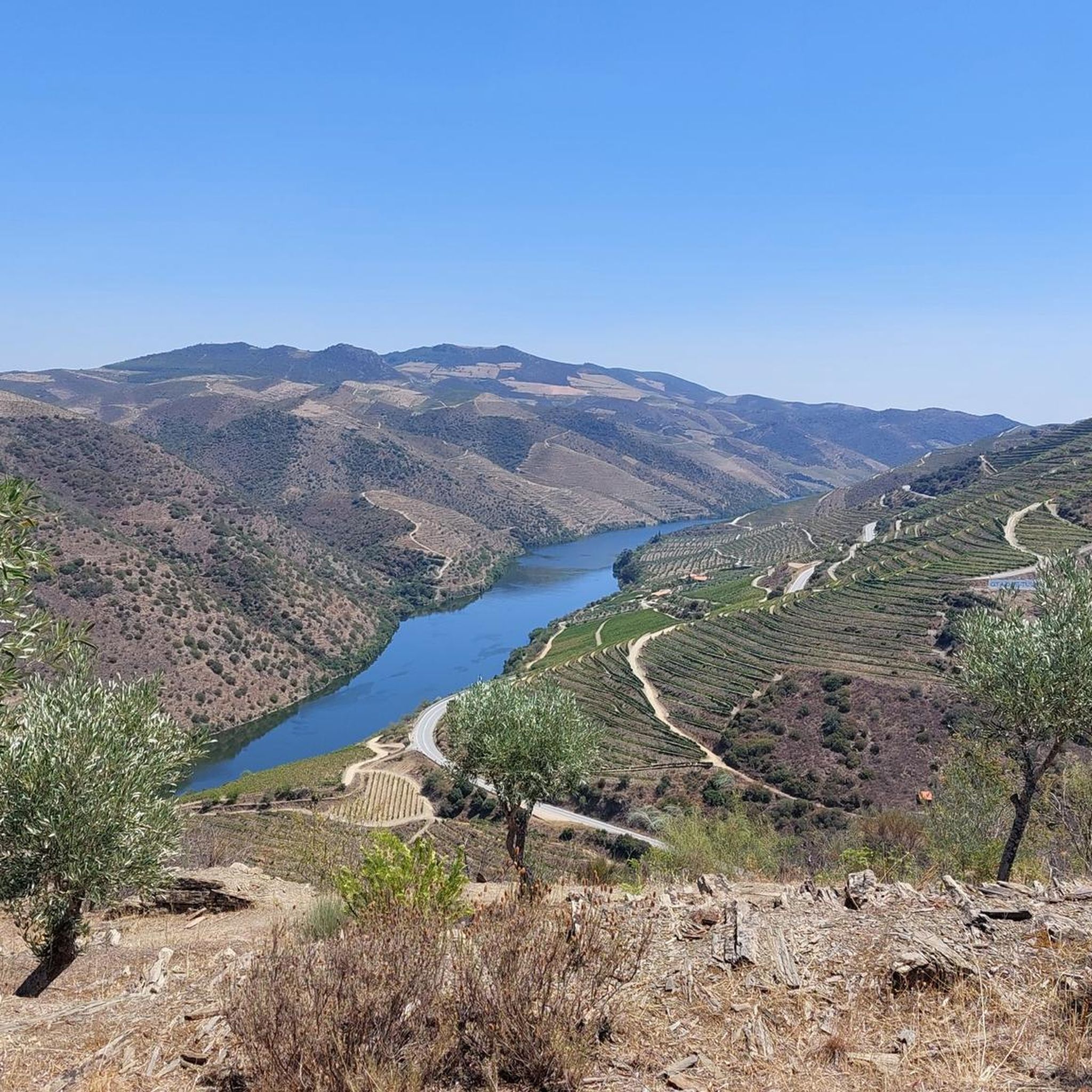
With its source near Guarda, the Massueime Stream flows through valleys and municipalities until it empties its waters into the Côa River, which in turn flows into the Douro. At the edge of this bridge, a bench invites you to stop: sit, take a deep breath, and let yourself be lulled by the serenity of the current.
2
0
The trail here merges with the Great Côa and Historic Villages Route, leading you down a steep descent to the river. After crossing, the hillside challenges you with its demanding climb, but the reward lies in each new look: ever-changing perspectives of the Côa Valley. Both directions offer incredible views: remember to look back!
2
0
In the heart of the Côa Valley, Faia Brava is a wildlife sanctuary where griffon vultures, eagles, and black storks soar through the skies. Between imposing cliffs and the largest cork oak forest in the region, this 600-hectare protected area preserves rare habitats, ancient trails, and local traditions. Managed by the ATN, it invites you to discover nature through guided tours that reveal one of Guarda's most authentic and vibrant corners.
2
0
Castelo Rodrigo holds millennia of history, from Paleolithic and Roman remains to the Muslim presence in the castle. Conquered and reconquered between the 12th and 13th centuries, it became a town and municipality under King Alfonso IX of León and passed definitively to Portugal in 1297, when King Dinis rebuilt and repopulated the castle. Marked by wars, charters, and restorations, it welcomed pilgrims on their way to Santiago and remains today one of the twelve Historic Villages of Portugal.
3
0
Castelo Rodrigo is a village with a medieval soul, where time has left its deep marks: walls, stone streets and remains of an ancient community of New Christians. Surrounded by magnificent landscapes, from the Douro International Natural Park to the Côa Valley, passing through the Serra da Marofa and the Faia Brava Reserve, this village is an invitation to contemplation and to taste. Here, history is served at the table: Marofa lamb, octopus in migas or rice are flavors that count as much as the books.
2
0
Frequently Asked Questions
How many road cycling routes are available in Mós?
There are over 10 road cycling routes around Mós, offering a diverse range of experiences. These routes are primarily located within the Serras de Aire e Candeeiros Natural Park, known for its unique limestone landscapes.
Are there road cycling routes suitable for beginners in Mós?
While many routes in Mós are considered difficult due to the mountainous terrain, there are a couple of moderate options available. For example, the Torre de Moncorvo and Sabor Greenway Loop is a moderate 15.9-mile route that offers varied terrain without extreme challenges. Another moderate option is the Pocinho Station loop from Vila Nova de Foz Coa, which covers 28.9 miles through diverse landscapes.
What kind of landscapes can I expect to see while road cycling around Mós?
Road cycling around Mós offers a journey through the dramatic landscapes of the Serras de Aire e Candeeiros Natural Park. You'll encounter rugged limestone formations, including scarps and rocky outcrops, alongside picturesque valleys and mountainous areas. The region is characterized by its unique geodiversity, providing a scenic backdrop for your rides.
Are there challenging road cycling routes for advanced riders in Mós?
Yes, Mós is well-suited for advanced riders seeking a challenge. The majority of routes are classified as difficult, featuring significant elevation gains and descents. An example is the Historic Village of Marialva loop from Vila Nova de Foz Coa, a demanding 35.8-mile path with substantial climbs and scenic views. Another challenging option is the Castelo Rodrigo Village – End of N222 in Almendra loop from Pocinho, which spans over 57 miles with considerable elevation changes.
What are some interesting landmarks or attractions to see along the road cycling routes in Mós?
While cycling around Mós, you can explore several points of interest. The region is home to the impressive Côa Museum, offering insights into local history. You might also pass by the Ruins of the Pocinho Railway District 🇵🇹, a historical site. The natural landscape itself is a major attraction, with dramatic limestone formations and panoramic viewpoints like Chão das Pias and the Jurassic Viewpoint, offering expansive vistas.
Are there any circular road cycling routes in Mós?
Many of the road cycling routes in Mós are designed as loops, allowing you to start and finish in the same location. For instance, the Torre de Moncorvo and Sabor Greenway Loop and the Pocinho Station loop from Vila Nova de Foz Coa are popular circular options, providing convenient exploration of the region's diverse terrain.
What is the best season for road cycling in Mós?
The region around Mós, particularly within the Serras de Aire e Candeeiros Natural Park, offers good cycling conditions for much of the year. Spring and autumn generally provide the most pleasant weather with milder temperatures. While winter cycling is possible, be prepared for cooler temperatures and potentially more unpredictable weather conditions in the mountainous areas.
What do other road cyclists enjoy most about road cycling in Mós?
The road cycling experience in Mós is highly rated by the komoot community, with an average score of 5.0 stars. Cyclists often praise the diverse terrain, from rural paths to challenging mountainous sections, and the stunning natural beauty of the Serras de Aire e Candeeiros Natural Park. The variety of routes caters to different skill levels, making it an appealing destination for many.
Are there any routes that offer particularly scenic views or viewpoints?
Absolutely. The region is rich in panoramic vistas. The Jurassic Viewpoint, at an altitude of 500 meters, offers unobstructed views of the Batalha Monastery and the Porto de Mós castle. Many routes traverse areas with dramatic limestone formations and valleys, ensuring a scenic experience throughout your ride. For example, the End of N222 in Almendra – Steep terrain in the Côa Valley loop from Vila Nova de Foz Coa offers impressive views of the Côa Valley.
Can I find places to stop for refreshments or cafes along the road cycling routes?
While specific cafes are not detailed for every route, the region around Mós features traditional villages and towns. It's common to find local establishments in these areas where you can stop for refreshments. Planning your route to pass through larger villages or towns will increase your chances of finding suitable places to refuel.
What are the typical elevation changes on road cycling routes in Mós?
Given its location within the Serras de Aire e Candeeiros Natural Park, road cycling routes in Mós often feature significant elevation changes. Even moderate routes can include climbs of over 450 meters, while difficult routes can see ascents exceeding 1600 meters. Riders should be prepared for a hilly and undulating terrain, characteristic of a limestone massif.
Are there any less crowded road cycling trails in Mós?
The region offers a network of trails that can provide a sense of solitude, especially outside of peak tourist seasons. Exploring some of the less-trafficked rural paths and less-known sections within the Serras de Aire e Candeeiros Natural Park can lead to a more tranquil cycling experience. Komoot's route planning can help you discover these quieter options.
Most popular routes around Mós
Most popular attractions around Mós

Get inspired with the komoot mobile app


Explore more
Browse the best Road cycling routes in other regions.
