The best MTB trails around Alvorge
5.0
(1)
87
riders
10
rides
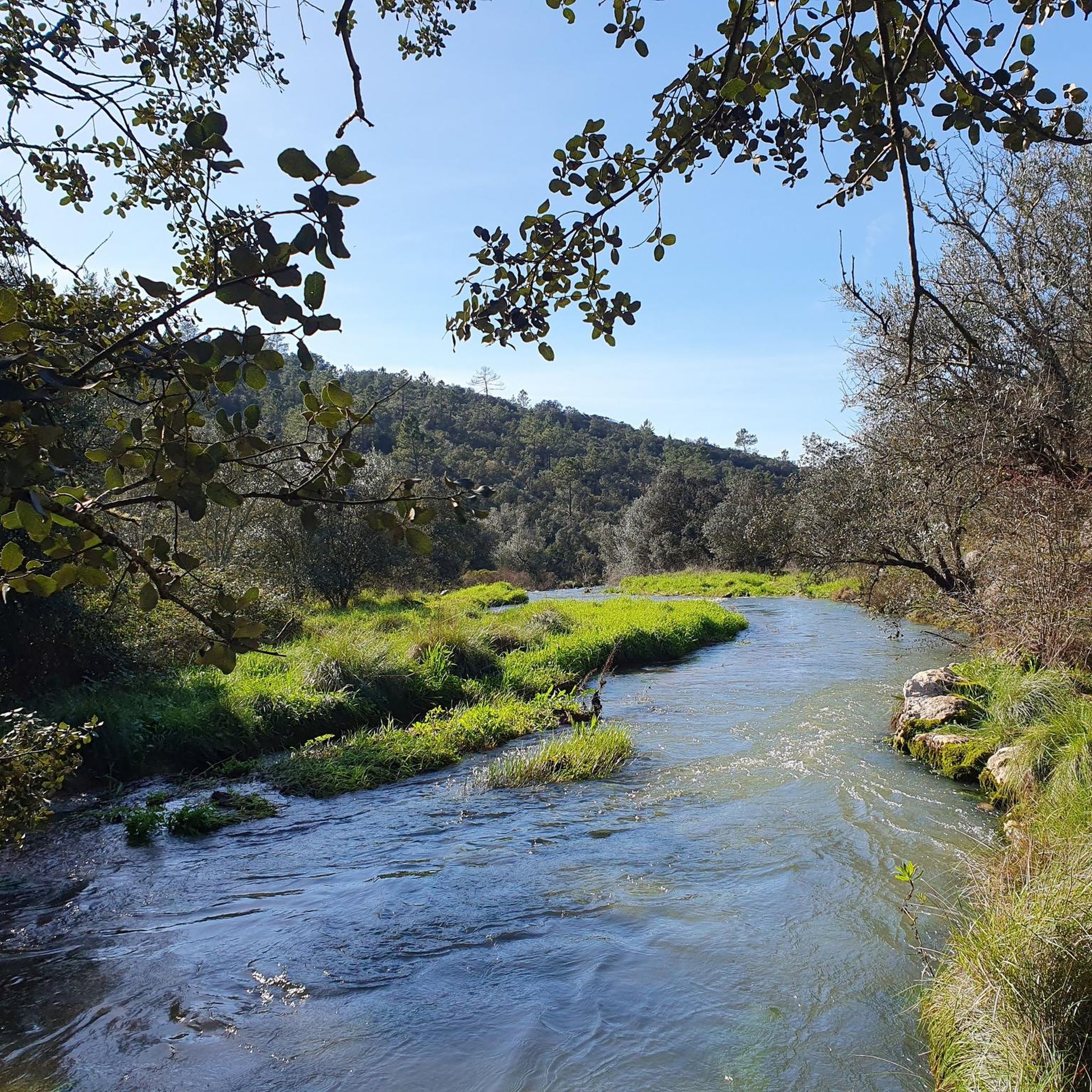
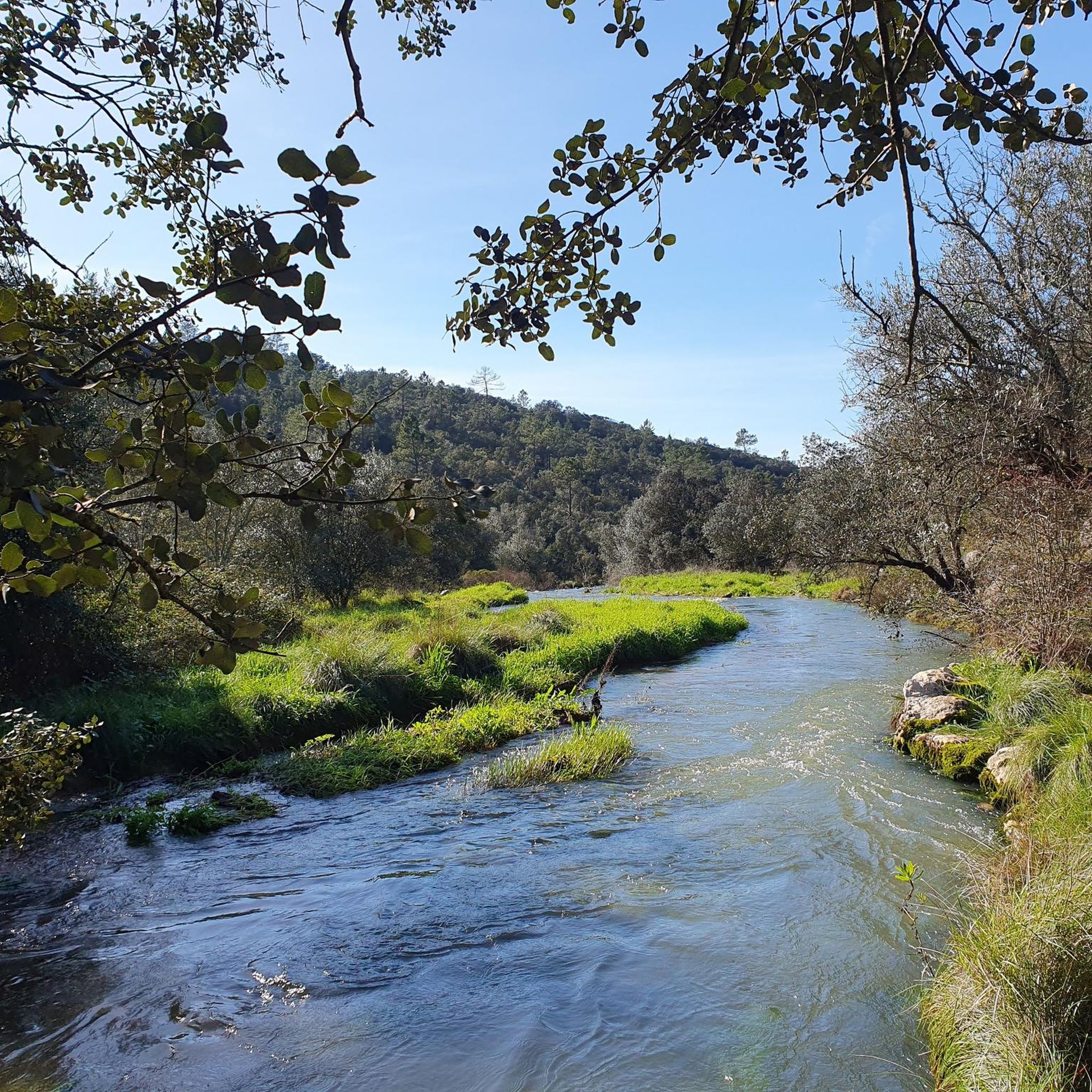
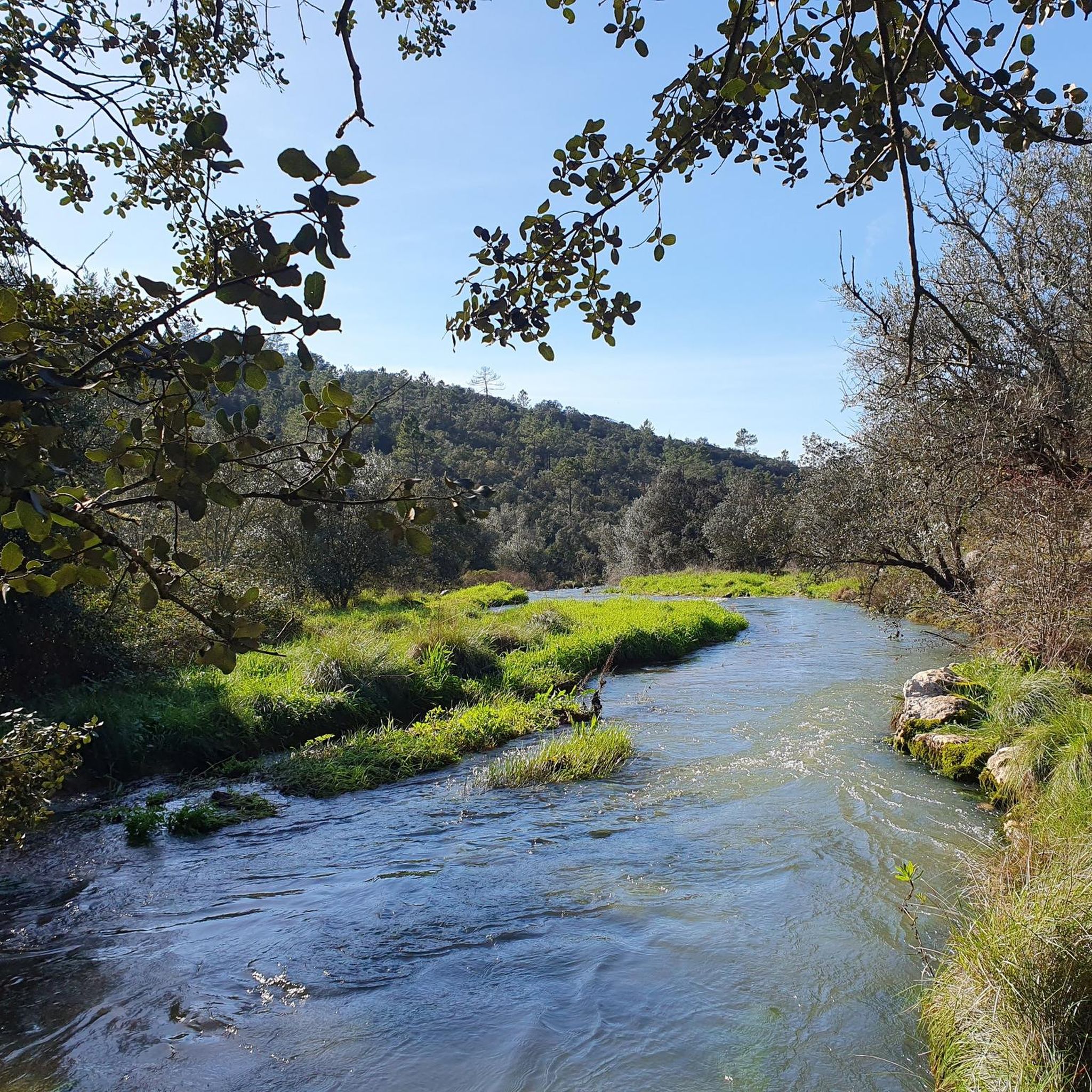
Mountain biking around Alvorge offers diverse terrain within the Terras de Sicó region, characterized by its unique karstic landscape and ancient forests. The area features a mix of winding gravel tracks, unpaved segments, and historical paths, providing varied riding conditions. Riders can explore routes alongside the Rio dos Mouros and through areas with hills like Gerumelo and Germanelo. This region provides a blend of natural beauty and historical elements for mountain bikers.
Best mountain bike trails around Alvorge
- The most…
Last updated: June 24, 2026
5.0
(1)
12
riders
34.7km
03:26
840m
840m
Moderate mountain bike ride. Good fitness required. Suitable for all skill levels.
13
riders
107km
09:40
2,010m
2,010m
Hard mountain bike ride. Very good fitness required. Advanced riding skills necessary.

Sign up for free
10
riders
31.2km
02:35
440m
440m
Moderate mountain bike ride. Good fitness required. Suitable for all skill levels.
11
riders
88.5km
08:11
2,170m
2,170m
Hard mountain bike ride. Very good fitness required. Suitable for all skill levels.
4
riders
34.9km
03:24
760m
770m
Moderate mountain bike ride. Good fitness required. Advanced riding skills necessary.
Get access to more routes and recommendations from other explorers.
Sign up for free
Already have an account?
Our route recommendations are based on thousands of hikes, rides, and runs completed by other people on komoot.
Start today with a free account
Your next adventure awaits.
Login or Signup
Tips from the Community

Ansião is a Portuguese municipality of about 13,000 inhabitants located in the district of Leiria, in the historical region of Centro. This charming village is renowned for its strategic location along the Portuguese Way of Santiago de Compostela and for being immersed in the natural landscape of the Sicó limestone massif.
1
0

Known as Serra da Portela or Serra do Anjo da Guarda, this is a natural viewpoint overlooking the Pousaflores Valley, where the landscape is filled with life and aromas. Wild orchids, rupicolous plants, "cucas" (a type of gourd), wormwood, and the fresh scent of thyme, which wafts away with every step, flourish among the limestone rocks. Here, atop Monte da Ovelha, human presence has left its mark: traditional windmills, a small chapel dedicated to the Guardian Angel, the Stations of the Cross for Good Friday, and initiatives celebrating bread and cornbread. It's also a place made for lingering: sitting at a table, lighting a grill, or simply gazing out.
1
0
At the entrance to Ansião, the Ponte da Cal bridge crosses the serene Nabão River. Built in the 17th century, it formed part of the old road axis between Coimbra and Lisbon and reveals, beneath its two perfect arches, curious marks sculpted by time. Popular memory links it to the passage of Queen Saint Isabel, inspiration for the old bathing tanks next to the bridge (one for women, the other for men). Legend says that the waters became miraculous after the queen refreshed herself here, giving rise to the famous "holy baths". The small chapel was built to mark this devotion.
1
1
The Santiago da Guarda Monumental Complex is an unmissable stop, where history unfolds in layers. Classified as a National Monument, it stands out for its Manueline elegance, its 14th-century manor tower, and the impressive Roman mosaics that reveal an ancient villa from the 4th and 5th centuries. The old road between Tomar and Coimbra passed through here, later used by pilgrims on their way to Santiago. Surrounded by the limestone landscape and oak groves of the Serra de Sicó, the place invites you to slow down and take a deep breath. Take the opportunity to chat with the hospitable people.
1
0
Conímbriga, an ancient city of Lusitania, is the most impressive Roman complex in Portugal, a place where history still breathes among its baths, forum, amphitheater, and uniquely delicate mosaics, such as those in the famous House of Fountains. Although only a small part has been excavated, the grandeur the city held throughout its almost six centuries under Roman rule is evident. The second wall, hastily erected with stone taken from entire buildings, reveals a time of threat and decline, a prelude to the abandonment that followed the Suebian invasions. Today, among fallen columns and pavements that still gleam in the sun, Conímbriga continues to intrigue and amaze, preserving in its ruins the stories that time has almost erased.
2
0
The Chapel of Our Lady of the Star is sheltered by an impressive grotto, which rises like a stone mantle over the temple. Once a simple cavity, it grew until it took on its current form. Inside, a staircase leads to the deepest grotto. And, at the top, a small viewpoint guards the image of Our Lady of the Star facing the sea, recalling the legend that says she guided a fisherman back home.
2
0
The Anços River originates here, at Olhos d’Água da Redinha, and meanders through the Sicó landscape. Fed by the Orão stream, it flows between discreet valleys until it delivers its waters to the Arunca River, near Soure. The spring, a powerful resurgence connected to an underwater cavity of which only 63 meters of depth are known, is one of the great mysteries yet to be revealed in the Sicó-Alvaiázere massif.
2
0
The Poio Valley stands as a well-kept secret of the mountains, preserved for centuries by its rugged, steep, wild, and inaccessible geography. Only shepherds and adventurers used to know these paths. Perhaps that is why a rare fauna found refuge here. It is one of the largest fluviokarstic canyons in Portugal, a valley patiently sculpted by water, which left monumental slopes and a breathtaking landscape. To the south lies Poio Velho; to the north, the more famous Poio Novo, two chapters of the same magnificent landscape.
2
0
Frequently Asked Questions
What kind of terrain can I expect on mountain bike trails around Alvorge?
Mountain bike trails around Alvorge, located within the Terras de Sicó region, feature a diverse landscape. You can expect a mix of winding gravel tracks, unpaved segments, and historical paths. The area is known for its unique karstic landscape, which often translates to varied and interesting riding conditions. Trails also pass through ancient forests and alongside rivers like the Rio dos Mouros.
What are the difficulty levels of the mountain bike trails in Alvorge?
The trails around Alvorge cater to different skill levels. There are 7 moderate routes, offering steady climbs and varied terrain, and 3 difficult routes that present more challenging landscapes and significant elevation changes. Currently, there are no easy-rated trails listed.
Are there any circular mountain bike routes in Alvorge?
Yes, many of the mountain bike routes around Alvorge are designed as loops. For example, you can explore the Ansião – Sheep Hill loop from Ansião, the challenging Nossa Senhora da Estrela – Soure Swing loop from Ansião, or the Conímbriga Roman Ruins – Pinheiro Trail loop from Rabaçal.
What natural features or landmarks can I see along the mountain bike trails?
The trails often lead through areas with significant natural beauty and landmarks. You might encounter the unique geological formations of Buracas do Casmilo, the dramatic Poios Canyon, or the serene Pedra Ferida Waterfall. There are also viewpoints like the Scenic viewpoint at Monte da Ovelha and the Sicó — tower + sign, offering panoramic views.
Are there any historical sites to explore while mountain biking in Alvorge?
Yes, the region is rich in history. Many routes incorporate historical paths, including sections of old Roman roads and the GR26 Terras de Sicó. A notable historical attraction nearby is the impressive Roman Ruins of Conímbriga, which can be part of a route like the Conímbriga Roman Ruins – Pinheiro Trail loop from Rabaçal. You might also pass by the ruins of the old Rabaçal Castle.
Is parking available near the mountain bike trailheads in Alvorge?
While specific parking areas for each trailhead are not detailed, Alvorge and nearby towns like Ansião, which serve as starting points for many routes, generally offer public parking options. It's advisable to check local maps or komoot tour details for parking suggestions at your chosen starting point.
Can I reach the mountain bike trailheads by public transport?
Public transport options to reach specific trailheads directly in rural areas like Alvorge can be limited. However, major towns like Ansião, from which several routes start, may have bus connections. For detailed public transport information, it's best to consult local transport schedules for the specific starting point of your chosen route.
Are permits required for mountain biking in the Alvorge region of Portugal?
Generally, permits are not required for mountain biking on established trails and public roads in the Alvorge region. However, always respect private property and any posted signage, especially when riding through agricultural land or protected natural areas.
Are there family-friendly mountain bike trails in Alvorge?
While there are no trails specifically rated 'easy' for beginners or very young children, Alvorge does offer several moderate routes that families with some mountain biking experience might enjoy. These routes, such as the Ansião – Sheep Hill loop from Ansião, feature steady climbs and varied terrain that can be suitable for older children or those accustomed to longer rides.
Are dog-friendly mountain bike trails available in Alvorge?
Many of the trails in the Alvorge region pass through natural landscapes and forests, which can be suitable for riding with dogs. However, it's crucial to keep your dog under control, especially when encountering wildlife, livestock, or other trail users. Always carry water for your dog and be mindful of local regulations regarding dogs in natural parks or protected areas.
Where can mountain bikers find cafes, pubs, or accommodation near Alvorge?
Alvorge and the surrounding villages, particularly larger ones like Ansião, offer various options for refreshments and accommodation. You'll find local cafes and restaurants to refuel after your ride, and guesthouses or small hotels for overnight stays. The region's picturesque schist villages also provide opportunities for rest and local cultural immersion.
What do other mountain bikers say about the trails in Alvorge?
The mountain bike trails around Alvorge are highly rated by the komoot community, with an average score of 5.0 stars from over 1 review. More than 80 mountain bikers have used komoot to explore Alvorge's varied terrain, often praising the diverse landscapes, unique karstic features, and the blend of natural beauty with historical elements.
What is the best time of year for mountain biking in Alvorge?
Portugal's mild climate generally makes mountain biking in Alvorge enjoyable for much of the year. Spring and autumn offer particularly pleasant temperatures and lush scenery, making them ideal seasons. Summers can be hot, so early morning or late afternoon rides are recommended, while winters are typically mild but can bring more rain.
Most popular routes around Alvorge
Most popular attractions around Alvorge

Get inspired with the komoot mobile app


Explore more
Browse the best MTB trails in other regions.
