The best road cycling routes around Aguda
4.0
(5)
276
riders
40
rides
Road cycling routes around Aguda offer diverse terrain, ranging from challenging inland landscapes to coastal paths. The inland region features gorges, forests, and valleys, with elevated sections providing significant climbs and scenic viewpoints. Near the coast, routes follow wide sandy beaches and sea waters, often incorporating dedicated cycleways. This varied topography provides options for different road cycling preferences.
Best road cycling routes around Aguda
- The most popular road cycling route is Candal – Castanheira-de-Pêra loop from Vila Facaia, a…
Last updated: June 27, 2026
22
riders
56.9km
02:40
610m
610m
Moderate road ride. Good fitness required. Some segments of this route may be unpaved and difficult to ride.
5.0
(1)
24
riders
142km
06:45
1,690m
1,690m
Hard road ride. Very good fitness required. Some segments of this route may be unpaved and difficult to ride.

Sign up for free
13
riders
101km
05:07
1,610m
1,610m
Hard road ride. Very good fitness required. Mostly well-paved surfaces and easy to ride.
4.0
(1)
10
riders
55.2km
02:44
830m
830m
Moderate road ride. Good fitness required. Mostly well-paved surfaces and easy to ride.
14
riders
141km
06:54
1,390m
1,390m
Hard road ride. Very good fitness required. Some segments of this route may be unpaved and difficult to ride.
Get access to more routes and recommendations from other explorers.
Sign up for free
Already have an account?
Our route recommendations are based on thousands of hikes, rides, and runs completed by other people on komoot.
Start today with a free account
Your next adventure awaits.
Login or Signup

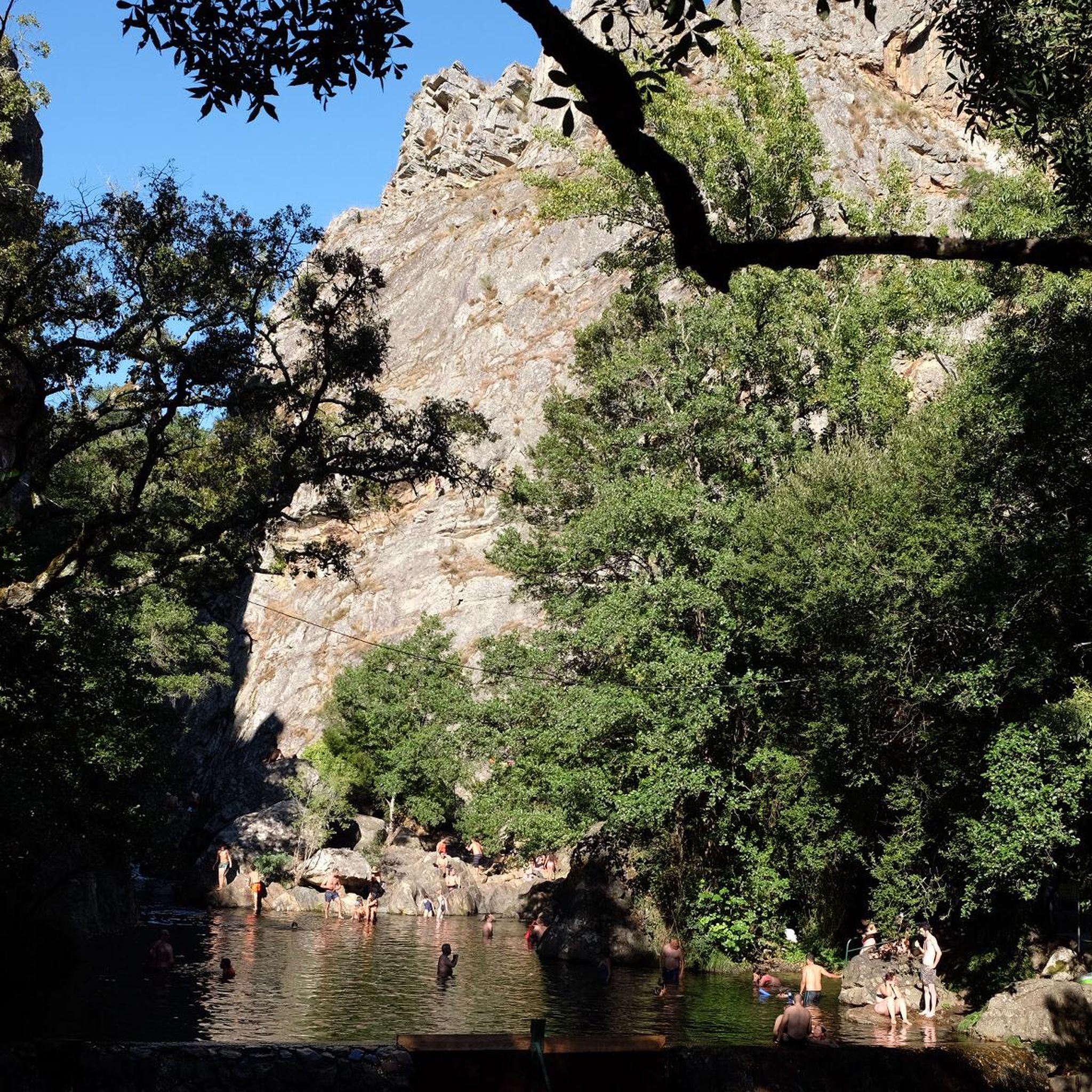
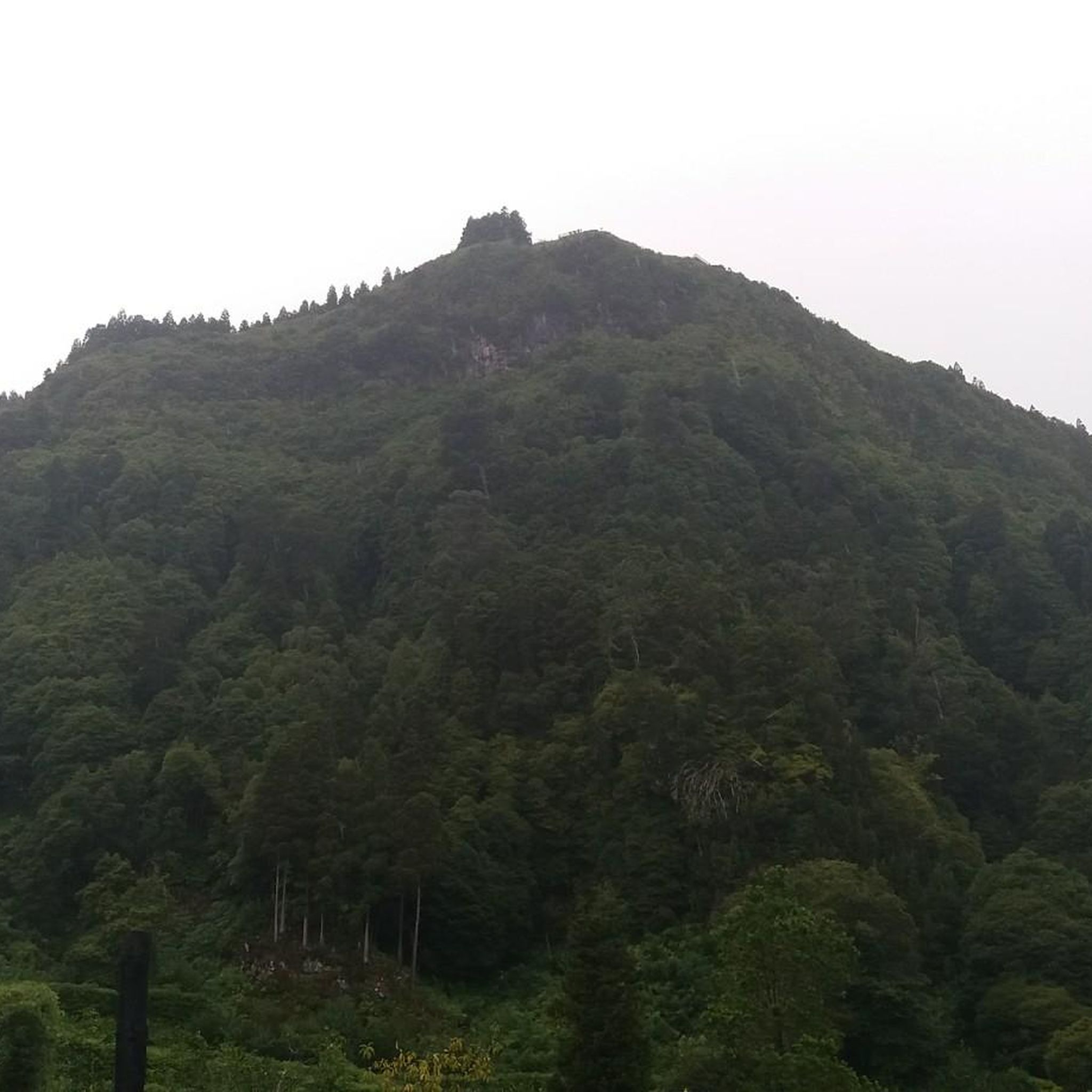
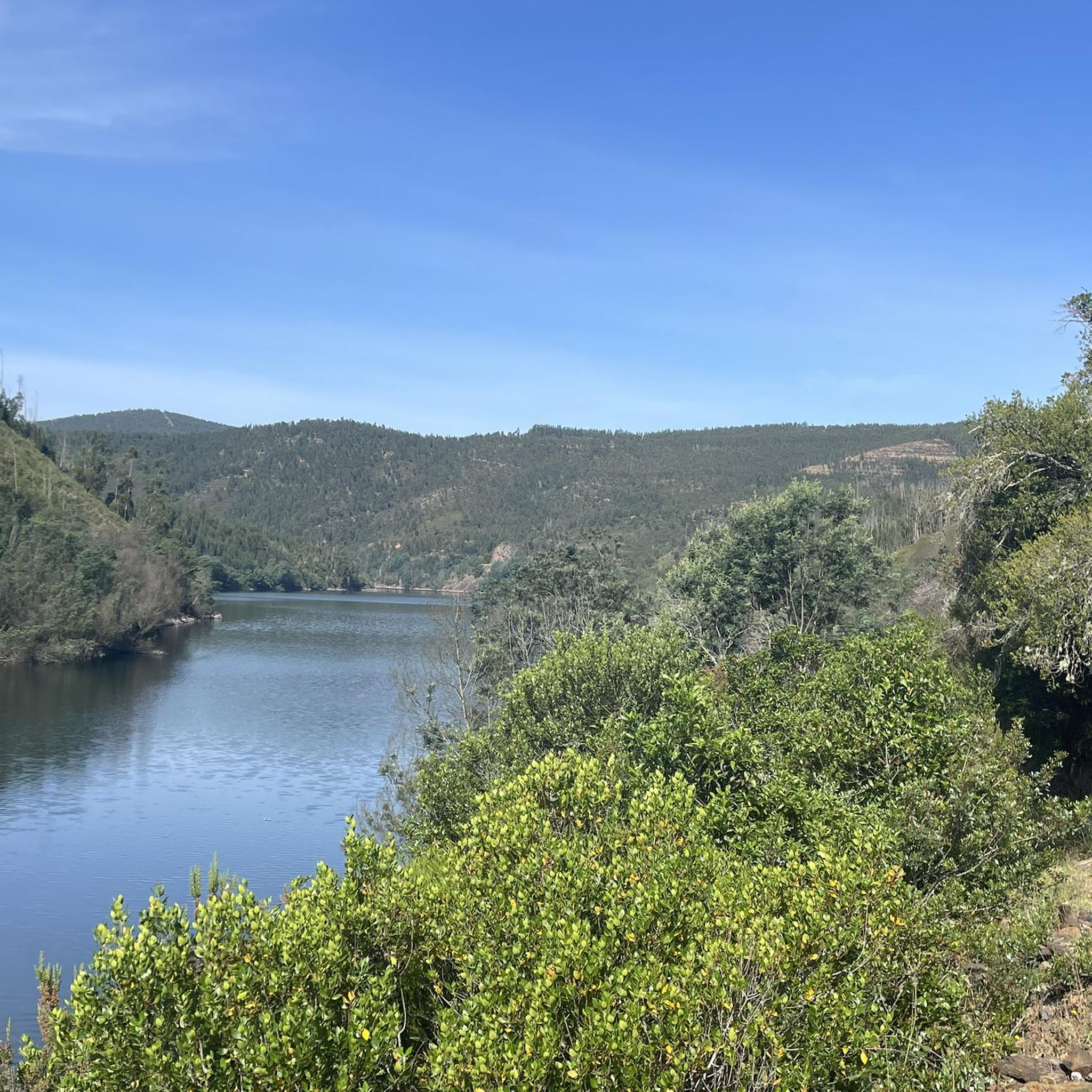
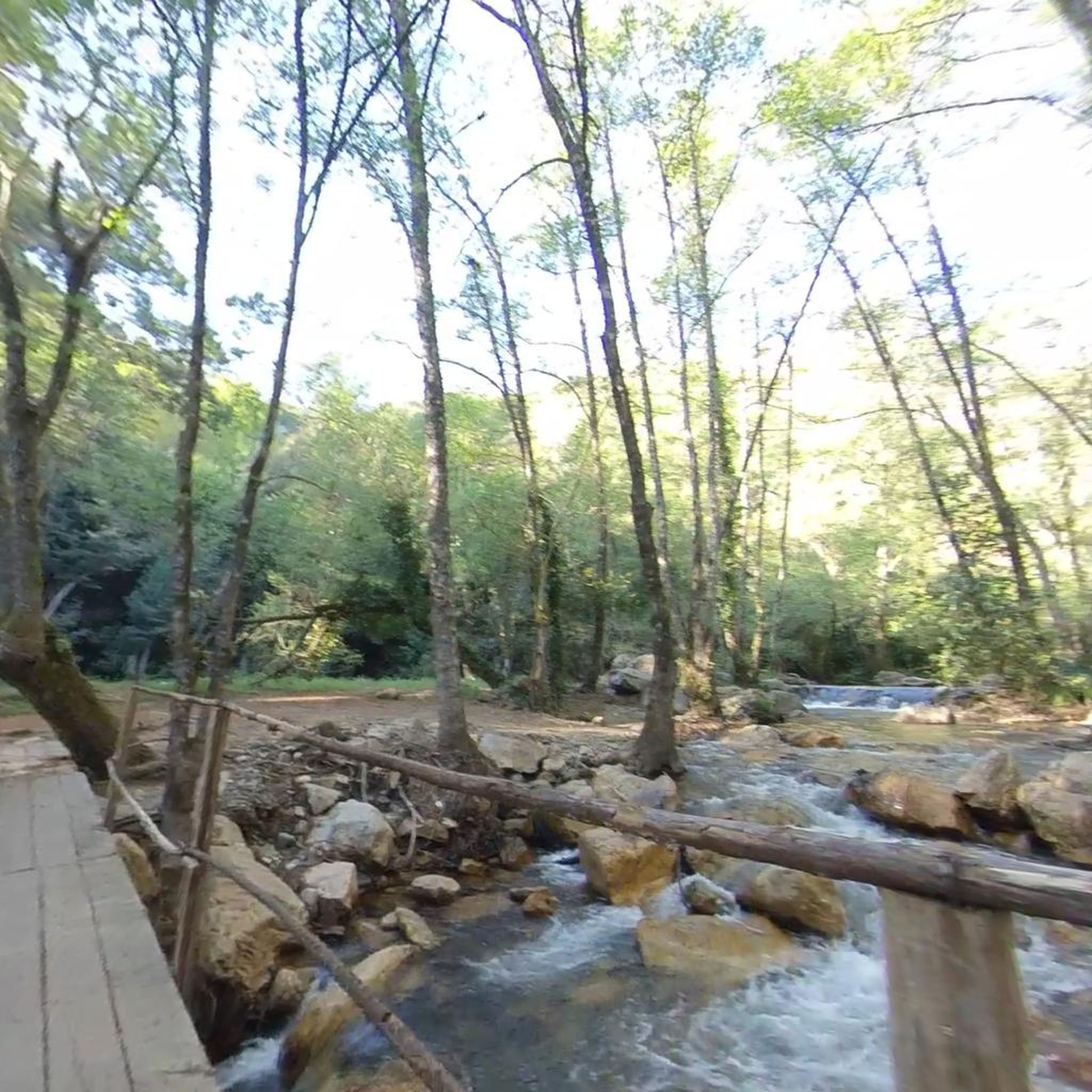
Tips from the Community

The Torre do Relógio (Clock Tower) of Figueira da Foz is a striking, 23-meter-high landmark in a modernist style on the seafront promenade (Avenida Marginal). It shapes the image of the city beach, which is also known as Praia do Relógio because of it.
3
0

Although there are references to its existence as early as the High Middle Ages, what remains today dates from the late 14th century. Within the walls are remains of the old Medieval Palace, where the death of Dona Inês de Castro was reportedly decided, as well as the Church of Santa Maria da Alcáçova, founded in 1095 but restored in the 16th century. During the Arab occupation, materials imported from Córdoba arrived at Montemayur Castle, including capitals dating back to the Caliphate period, one of which is now part of the collection of the Machado de Castro National Museum in Coimbra. Later, the castle would play a recognized strategic role during the Christian reconquest of the territory. (Source: www.turismodocentro.pt)
13
0

I visited in mid-June 2025 and was surprised at how much water was still running. How nice that we had a rainy winter.
2
0

Candal is part of the so-called "Serra da Lousã", an area characterized by lush nature and breathtaking landscapes. This village is a typical example of the "aldeias de xisto" (schist villages), built entirely with local stone, which integrate harmoniously into the surrounding environment. Candal offers an atmosphere of peace and tranquility, with its traditional houses, waterways and paths surrounded by vegetation.
1
0
Castanheira de Pêra is nestled in a mountainous and wooded territory, dominated by pine and eucalyptus forests, known for its natural and landscape richness. The municipality is especially appreciated for its numerous river beaches and natural pools, fed by the watercourses that cross it.
0
0
Ansião is known for its tranquility, local traditions and some points of historical and cultural interest, including churches and natural landscapes that invite you to walk and discover.
1
0


The High Cross is a monument erected on 29 August 2007 at the Sanctuary of Fátima, designed by the artist Robert Schad and measuring 34 metres in height. It was built to replace the old High Cross, which was 27 metres high and erected to mark the end of the Holy Year of 1950/1951, and which was located at the back of the prayer area, where the Basilica of the Holy Trinity is now located. It was donated to the National Sanctuary of Christ the King, in Almada.[1] It was built by the Portuguese company 'Mecanidraulica (Maia) and transported in 4 parts to Fátima. The oxidation of the corten steel, the material in which it was built, gives it an appearance that changes colour, becoming redder in dry weather and darker in the rain. A living Cross, with its own personality, just like Fátima
4
0
Frequently Asked Questions
What kind of terrain can I expect on road cycling routes around Aguda?
Aguda offers a diverse road cycling experience. The inland region, near Figueiró dos Vinhos and Penela, features challenging terrain with gorges, forests, and valleys, including significant climbs and scenic viewpoints. Gradients can reach up to 30% in areas like Serra da Lousã. Closer to the coast, particularly near Aguda Beach, you'll find flatter routes along wide sandy beaches and dedicated cycleways, ideal for seaside cycling.
How difficult are the road cycling routes in Aguda?
The road cycling routes around Aguda cater primarily to moderate and difficult skill levels. There are 21 moderate routes and 20 difficult routes available. Cyclists can expect varied difficulty, with demanding climbs in the inland areas and more gentle ascents along the coastal paths.
Are there any circular road cycling routes in Aguda?
Yes, many of the road cycling routes in Aguda are designed as loops. For example, you can explore the challenging Candal – Castanheira-de-Pêra loop from Vila Facaia, or the scenic Candal Schist Village – Candal loop from Vila Facaia, both offering extensive circular journeys through varied landscapes.
What natural features and landmarks can I see along the road cycling routes?
Road cycling routes in the Aguda region pass by several notable natural features and landmarks. You can encounter the beautiful Fragas de São Simão River Beach and the impressive Passadiços das Fragas de São Simão. Other highlights include the Scenic viewpoint at Monte da Ovelha, offering panoramic views, and the picturesque Pedra Ferida Waterfall.
What is the best time of year for road cycling in Aguda?
While specific seasonal recommendations are not provided, the diverse terrain of Aguda suggests that spring and autumn would likely offer the most pleasant conditions for road cycling, avoiding the peak heat of summer for inland climbs and potential winter rains. Coastal routes might be enjoyable for longer periods due to milder temperatures.
Are there any routes that pass through traditional villages or historical sites?
Yes, the inland region of Aguda is known for its 'Aldeias do Xisto' (Schist Villages). Routes like the Candal Schist Village – Candal loop from Vila Facaia lead through these rustic and picturesque environments, offering a glimpse into traditional Portuguese architecture and culture. You might also pass through settlements like Castanheira-de-Pêra.
What do other road cyclists enjoy most about road cycling in Aguda?
The road cycling routes in Aguda are highly rated by the komoot community, with an average score of 3.7 stars from 4 reviews. Cyclists often praise the varied terrain, from challenging climbs in forested valleys to scenic coastal paths, and the opportunity to explore both natural landscapes and charming villages.
Are there any long-distance road cycling routes that pass through Aguda?
Yes, for those interested in longer journeys, the coastal area of Aguda (near Porto/Vila Nova de Gaia) is part of the EuroVelo 1 route. This long-distance Atlantic coast route offers extensive cycling opportunities along the coastline, connecting Aguda to other regions.
Can I find routes with significant elevation gain for a challenging ride?
Absolutely. The inland Aguda region is characterized by significant elevation changes. For instance, the Candal – Castanheira-de-Pêra loop from Vila Facaia features over 6,900 feet (2,100 meters) of elevation gain, providing a demanding experience for advanced cyclists.
Are there any moderate road cycling routes suitable for intermediate riders?
Yes, there are 21 moderate road cycling routes available in Aguda. An example is the Castanheira-de-Pêra loop from Figueiró dos Vinhos, which covers 55.2 miles (88.8 km) with over 2,700 feet (820 meters) of elevation gain, offering a good challenge without being overly extreme.
Are there opportunities to combine cycling with other activities, like visiting river beaches?
Yes, several routes in the inland region pass by beautiful river beaches. The Fragas de São Simão River Beach, known for its clear waters, is a notable spot that can be incorporated into your cycling adventure, offering a refreshing break.
Most popular attractions around Aguda

Get inspired with the komoot mobile app


Explore more
Browse the best Road cycling routes in other regions.
