Attractions and Places To See around Ribafria - Top 20
Attractions and places to see around Ribafria include historical landmarks, natural features, and cultural sites. The region is characterized by the historic Quinta da Ribafria, a manor house with Manueline architecture and extensive gardens. Beyond the estate, the area features the Montejunto Mountain Range with its karst landscape and the Ota River. Visitors can explore a blend of architectural heritage and diverse natural environments.
Best attractions and places to see around Ribafria
- The most popular attractions is Gravel Bend,…
Last updated: July 1, 2026
Gravel Bend
Highlight • Natural Monument
Translated by Google •
Tip by

Ota River
Highlight • River
Translated by Google •
Tip by
Sign up now to discover places like this
Get recommendations on the best single tracks, peaks, & plenty of other exciting outdoor places.
Sign up for free
Surkapas Swing with a View of the Montejunto Mountains
Highlight • Viewpoint
There are some MTB trails close by that look interesting, they will stay for the next visit...
Translated by Google •
Tip by
Alenquer Wine Museum
Highlight • Historical Site
Translated by Google •
Tip by

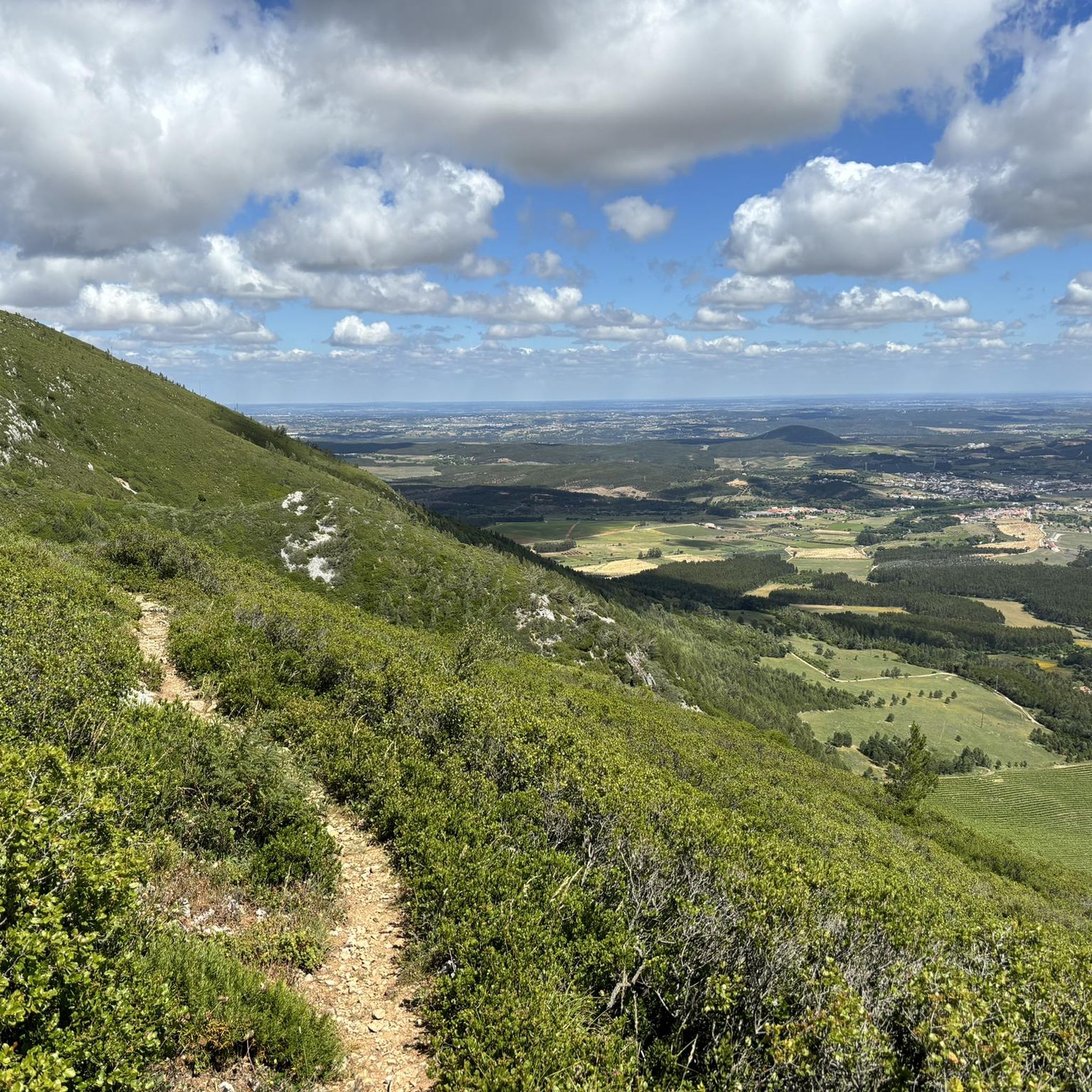
Curve on the Hillside Trail
Highlight • Trail
Translated by Google •
Tip by

Sign up for free to discover even more attractions around Ribafria.
Sign up for free
Already have an account?
Start today with a free account
Your next adventure awaits.
Login or Signup

Tips from the Community

publication of the royal charter of 26 July 1811, which, in order to mitigate the devastating effects of the French invasions, prescribed, among many other measures, the distribution of seeds to farmers in order to re-establish cereal production. The Real Celeiro was active for over sixty years, between 1812 and 1873, but, quoting Guilherme Henriques, “it died, like all good institutions, annihilated by abuses”. The City Council now holds the archive of the old Celeiro, which, although not very voluminous, nevertheless allows us to reconstruct almost the entire history of this important local institution of the 19th century. Commissioned to be rebuilt by the Municipality of Alenquer in 2002, it opened its doors as the Wine Museum and headquarters of the Lisbon Wine Route in 2006. Its interior was remodeled and its museology project renewed at the end of 2018, and it reopened its doors to visitors in February 2019. (Source: www.alenquer.pt)
10
0

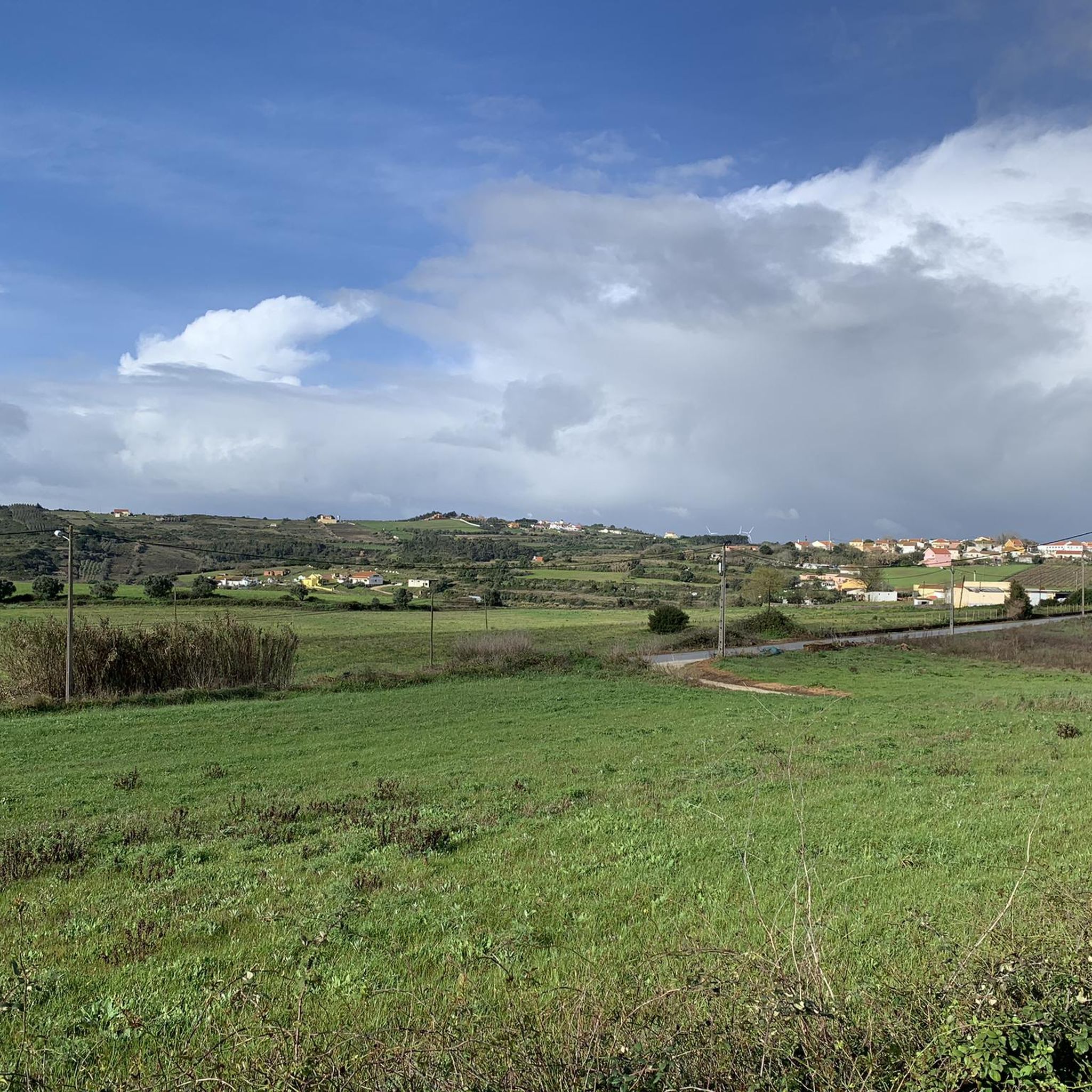
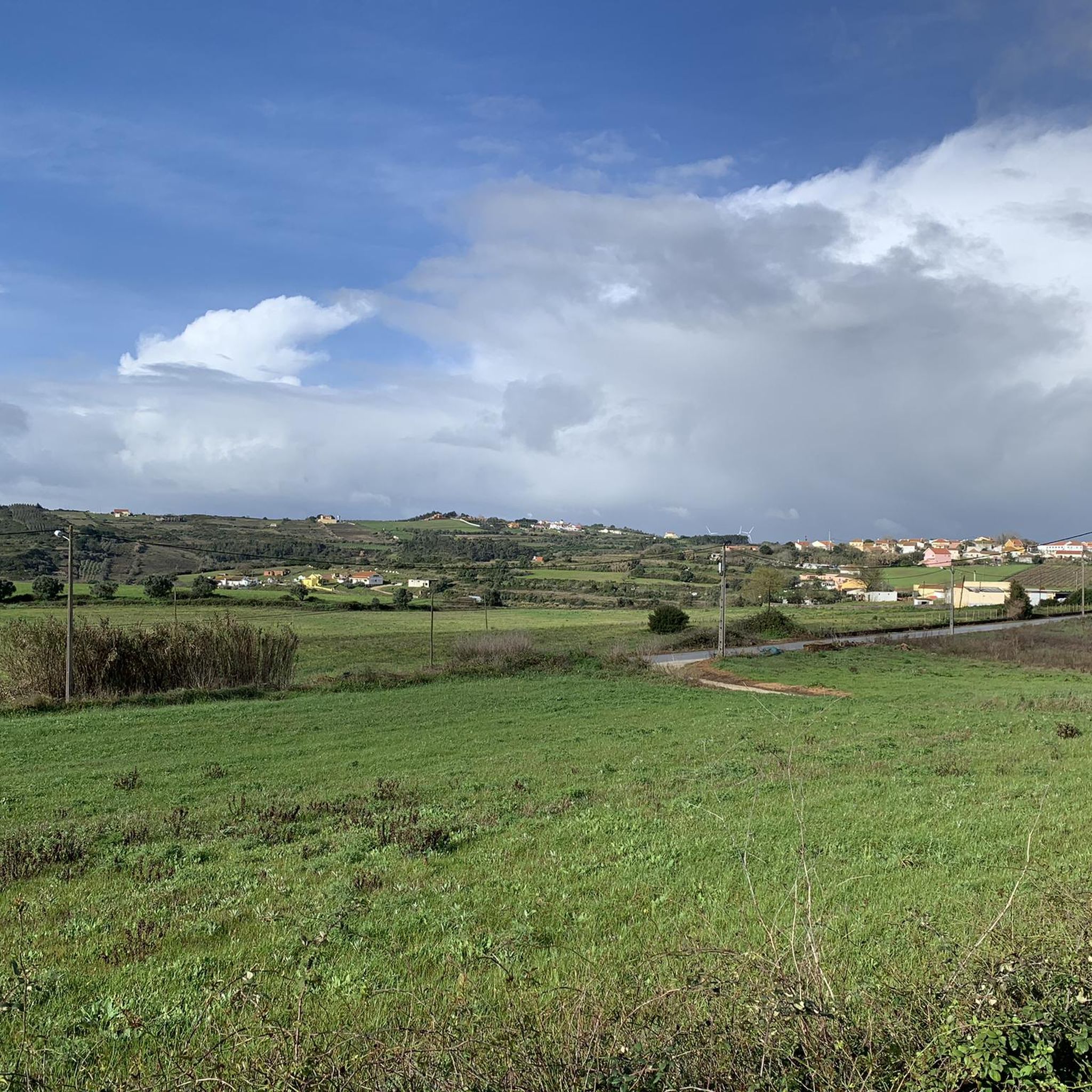
The area of the springs, on the Ota River, was once a leisure area for the local population, including the local bathing area in the summer. This site remained natural for a long time after the EPAL was installed, but at a certain point, the intensification of agriculture with the use of chemical fertilizers and pesticides, intensive livestock farming, and urban sewage made the flow from upstream a polluting threat to EPAL's water intakes, and EPAL paved several dozen meters of the river course near the site where it is installed with reinforced concrete.
1
0
Operating since April 2006 in a 19th-century building, the Wine Museum exhibits, offers tastings and allows the purchase of the best wines from the region. Around 20 producers from the Lisbon Wine Routes Association are represented.
5
0
Museum established in 2006 and remodeled in 2018, where the stories of 40 wine producers from the municipality of Alenquer are represented. Occupying the space of the old public barn where the seeds of the region's farmers were stored, the institution seeks to provide visitors with an excellent experience in paying homage to wine. Source: www.freguesiaalenquer.pt
12
0

The Ota River has its source in the Montejunto mountain range. It flows through the Ota area and empties into the Alenquer River, which in turn meets the Tagus River near Vila Nova da Rainha. At this point the river is close to the village of the same name, Ota.
1
0
The karst landscape of Montejunto, in the extreme southwest of the Estremenho Limestone Massif, displays deep valleys, lages, gravel pits and lapiás, formed by aquatic erosion over geological eras. Freezing of water in rock fissures results in gravel deposits.
2
0
The karst landscape of Montejunto constitutes the extreme southwest of the Estremenho Limestone Massif. Deep valleys, lakes, gravel pits and lapiás are some of the formations found here, testimonies of various geological eras. Water has been the protagonist in erosion phenomena over time. Several deposits of gravel pits result from the cracking of the outcrops caused by the expansion of the water which, when freezing, breaks the rock into small parts. Source: https://montejunto.pt/natureza/paisagens/
3
0
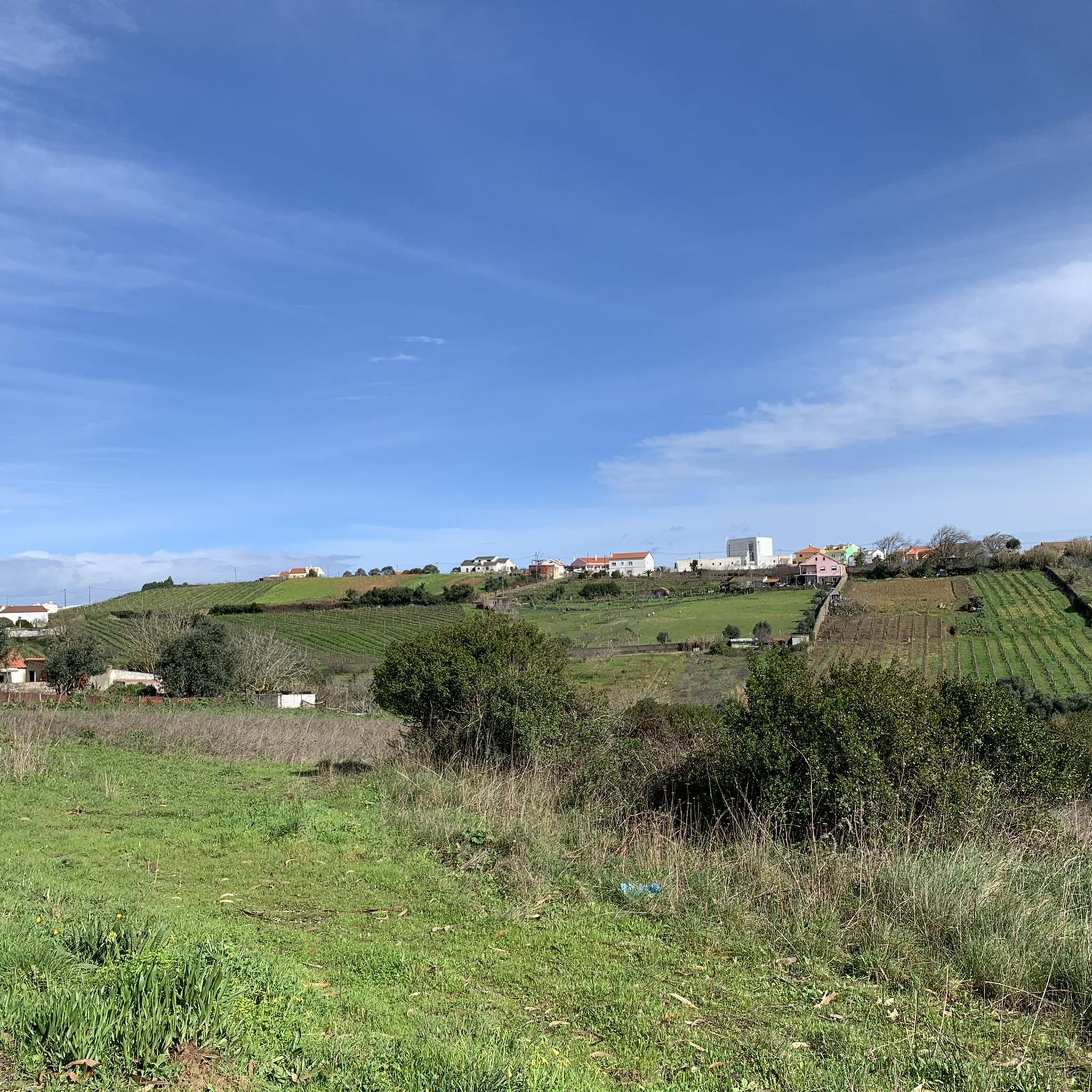
Swing overlooking the Montejunto mountain range There are some MTB trails close by that look interesting, they will stay for the next visit...
2
0
Frequently Asked Questions
What historical sites can I visit in Ribafria?
The most prominent historical site is the Quinta da Ribafria, a manor house built between 1536 and 1541, showcasing Manueline civil architecture with Renaissance elements. It features an impressive 17th-century tower, painted wooden ceilings, and two chapels. Additionally, you can explore the Alenquer Wine Museum, established in a 19th-century building, which tells the stories of local wine producers.
Are there any natural attractions or scenic spots around Ribafria?
Yes, the region offers several natural highlights. The Gravel Bend is a natural monument within the Montejunto karst landscape, featuring deep valleys, lakes, and unique geological formations. The Ota River, which rises in the Montejunto mountain range, also presents significant geomorphological characteristics, including its notable "Cannon" valley. The gardens of Quinta da Ribafria themselves offer lush landscapes with centennial sequoias and serene ponds.
Where can I find panoramic views of the Montejunto Mountains?
For stunning panoramic views, visit the Surkapas Swing with a View of the Montejunto Mountains. This viewpoint offers an excellent perspective of the surrounding mountain range. Another spot with great vistas is the area around the Windmills of Serra de Montejunto, where you can enjoy the landscape while exploring historical windmills.
Are there family-friendly activities or attractions in Ribafria?
Absolutely. The gardens of Quinta da Ribafria are ideal for leisurely strolls and are suitable for families, offering a tranquil escape with outdoor art. The Surkapas Swing with a View of the Montejunto Mountains is also considered family-friendly, providing a fun photo opportunity with a scenic backdrop. The Alenquer Wine Museum is another option that welcomes families.
What kind of outdoor activities can I do near Ribafria?
The region around Ribafria is excellent for outdoor enthusiasts. You can find numerous hiking trails, such as the Ota Karstic Canyon Trail, and explore the Montejunto Mountain Range. For cycling, there are both mountain biking and road cycling routes available. You can find detailed routes and guides for hiking, MTB, and road cycling in the area.
Can I visit the Quinta da Ribafria manor house and gardens?
Yes, Quinta da Ribafria reopened to the public in 2015 after years of abandonment. It now hosts cultural events and urban art exhibitions, allowing visitors to explore its historic manor house, tower, and extensive gardens. For current visiting information, it's advisable to check official sources like visitsintra.travel.
What is the best time to visit Ribafria for outdoor activities?
The region, particularly the Montejunto Mountain Range and the gardens of Quinta da Ribafria, offers a refreshing retreat from the summer heat, making it pleasant for outdoor activities during warmer months. However, the natural beauty can be enjoyed year-round, with spring and autumn offering milder temperatures ideal for hiking and cycling.
Are there any unique architectural features in the area?
The Quinta da Ribafria manor house is a prime example of Manueline civil architecture with Renaissance elements, featuring a distinctive 17th-century tower adorned with battlements and the Ribafria coat of arms. The interior boasts exquisite painted wooden ceilings depicting hunting and maritime scenes, offering a unique glimpse into historical Portuguese design.
What do visitors enjoy most about the attractions around Ribafria?
Visitors appreciate the blend of historical significance, architectural beauty, and natural serenity. The geological formations at Gravel Bend and the panoramic views from the Surkapas Swing are highly rated. The historical windmills along the Serra de Montejunto trail also offer an interesting experience, combining history with scenic walks.
Are there any trails that pass by historical monuments?
Yes, the trail around the Windmills of Serra de Montejunto is an interesting route that passes right next to several windmills, some of which have been restored. This allows you to combine a scenic walk with a visit to these man-made historical monuments.
What is the Montejunto Mountain Range known for?
The Montejunto Mountain Range is known for its distinctive karst landscape, characterized by deep valleys, lakes, gravel pits, and lapiás, all shaped by water erosion over time. It's an excellent area for exploring unique geological formations and offers opportunities for hiking and enjoying nature.
How long should I allocate for visiting Quinta da Ribafria?
To fully appreciate the Quinta da Ribafria manor house, its tower, and to leisurely stroll through its extensive gardens, including viewing the outdoor art and chapels, you should plan for at least 2-3 hours. This allows time to soak in the historical and natural beauty of the estate.
Most popular attractions around Ribafria

Get inspired with the komoot mobile app


Explore more
Still not found the Highlight you’re looking for? See guides of the top attractions in other regions:
