The best cycling routes around Ventosa
5.0
(2)
101
riders
14
rides
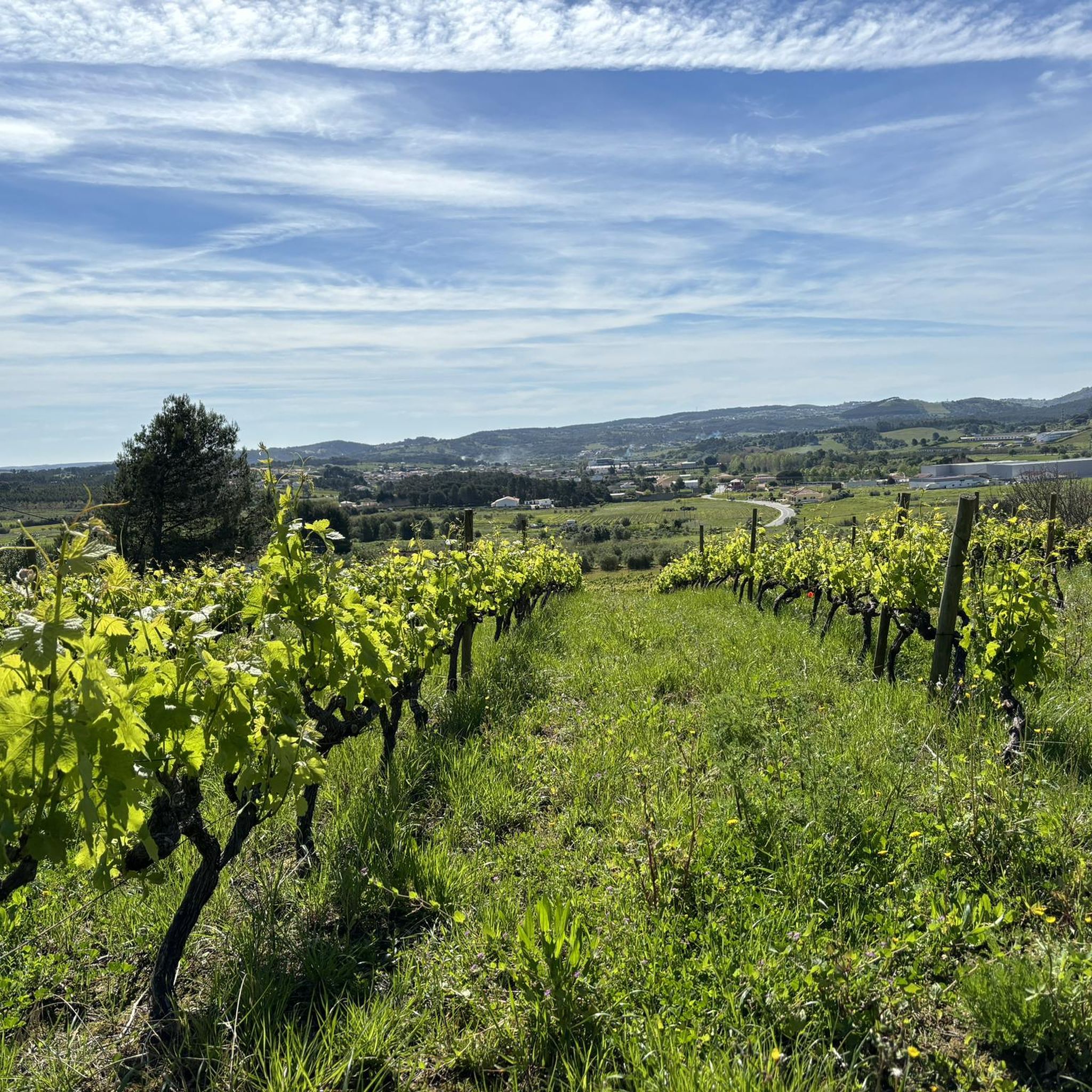
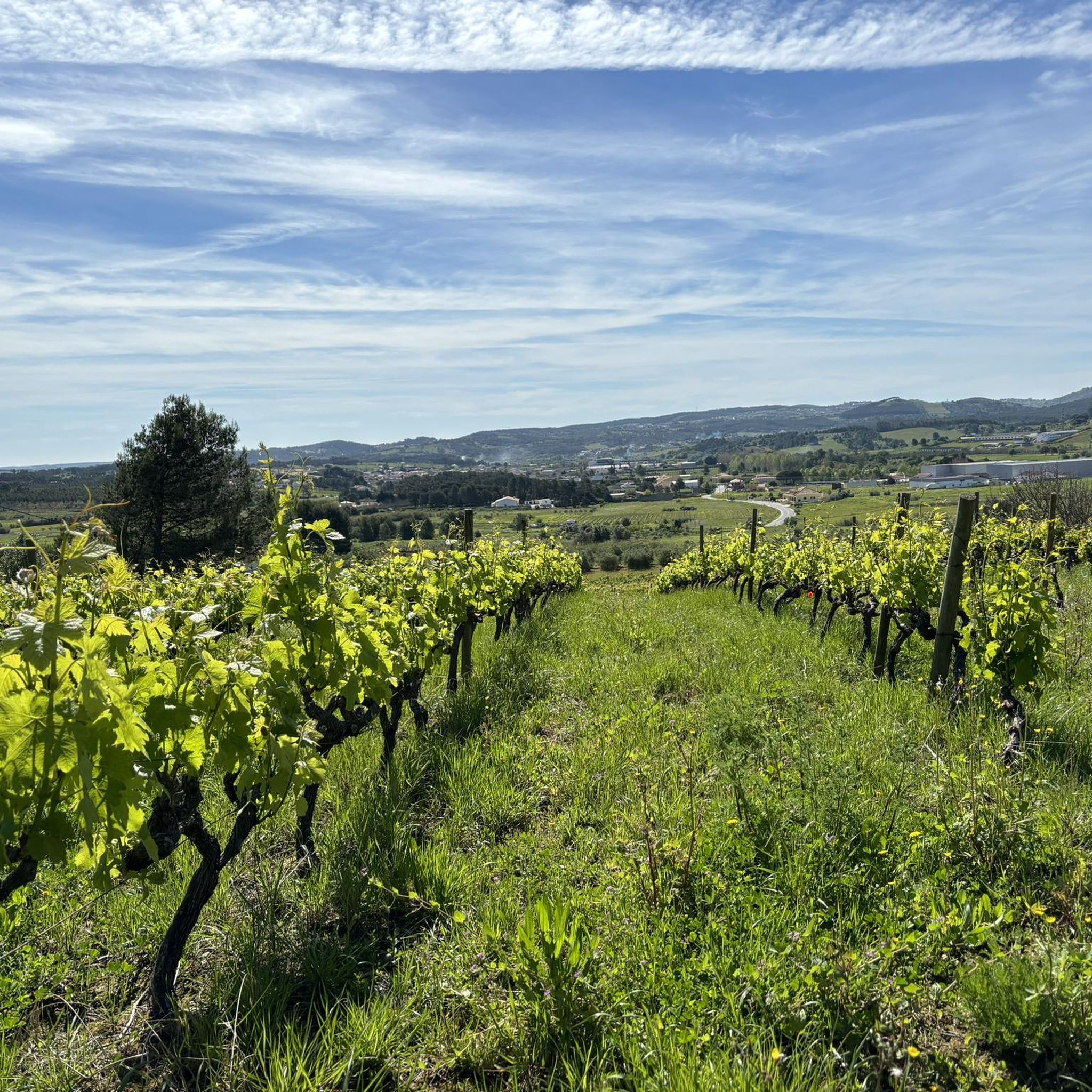
Touring cycling around Ventosa features routes through a landscape characterized by rolling hills, vineyards, and views of the Serra de Montejunto mountain range. The region offers a mix of agricultural areas and more elevated terrain, providing varied cycling experiences. Routes often traverse rural roads connecting small villages and historical sites. The elevation changes are notable, with some routes featuring significant climbs.
Best touring cycling routes around Ventosa
- The most popular touring cycling route is Quinta da Abrigada – View of…
Last updated: August 18, 2026
14
riders
45.8km
04:01
780m
780m
Hard bike ride. Very good fitness required. Mostly paved surfaces. Suitable for all skill levels.
12
riders
28.2km
02:39
550m
550m
Hard bike ride. Very good fitness required. Mostly paved surfaces. Suitable for all skill levels.

Sign up for free
10
riders
Hard bike ride. Very good fitness required. Mostly paved surfaces. Suitable for all skill levels.
7
riders
61.2km
04:05
840m
840m
Hard bike ride. Very good fitness required. Mostly paved surfaces. Suitable for all skill levels.
11
riders
61.9km
04:21
1,020m
1,020m
Hard bike ride. Very good fitness required. Mostly paved surfaces. Suitable for all skill levels.
Get access to more routes and recommendations from other explorers.
Sign up for free
Already have an account?
Our route recommendations are based on thousands of hikes, rides, and runs completed by other people on komoot.
Start today with a free account
Your next adventure awaits.
Login or Signup

Tips from the Community

Located on the Atlantic coast of Portugal, in the province of Estremadura and part of the Lisbon Wine Region, Adega Cooperativa de Cadaval was opened in 1969. Currently, the brands sold by Adega Cooperativa de Cadaval are CONFRARIA for top-of-the-range wines, sparkling wines and brandy, ADEGA DA CONFRARIA for mid-range regional wines (still and light), DACEPA and BELACEPA for table wines (popular range).
3
0

publication of the royal charter of 26 July 1811, which, in order to mitigate the devastating effects of the French invasions, prescribed, among many other measures, the distribution of seeds to farmers in order to re-establish cereal production. The Real Celeiro was active for over sixty years, between 1812 and 1873, but, quoting Guilherme Henriques, “it died, like all good institutions, annihilated by abuses”. The City Council now holds the archive of the old Celeiro, which, although not very voluminous, nevertheless allows us to reconstruct almost the entire history of this important local institution of the 19th century. Commissioned to be rebuilt by the Municipality of Alenquer in 2002, it opened its doors as the Wine Museum and headquarters of the Lisbon Wine Route in 2006. Its interior was remodeled and its museology project renewed at the end of 2018, and it reopened its doors to visitors in February 2019. (Source: www.alenquer.pt)
10
0

Cadaval is a Portuguese town in the District of Lisbon with about 3,000 inhabitants, located in the historic province of Estremadura. It is the seat of the Municipality of Cadaval[
1
0
At this location at the top of the Serra de Montejunto, also known as "Torre" due to the various antennas that were installed there, is the Chapel of Our Lady of the Snows, which may have been built in the 13th century and remodelled and expanded during the 16th century and later. Inside, the altars covered with 17th century tiles and the altarpiece of the main altar, from the 18th century, stand out. Next to the Chapel of Our Lady of the Snows, are the ruins of what is considered to be the first Dominican Convent in Portugal, built in the 12th century and abandoned after the extinction of the religious orders, and is currently in ruins. Also nearby are the ruins of the Royal Ice Factory, classified as a National Monument. Here, in the 18th century, the Dominican monks took advantage of the climatic and geological conditions and opened large tanks connected by narrow passages, one part for the production of ice and the other for its preparation, storage and conservation. The ice was later transported to Lisbon, to supply the court and the café at Terreiro do Paço, later known as Martinho da Arcada (Fernando Pessoa's Café)
2
0
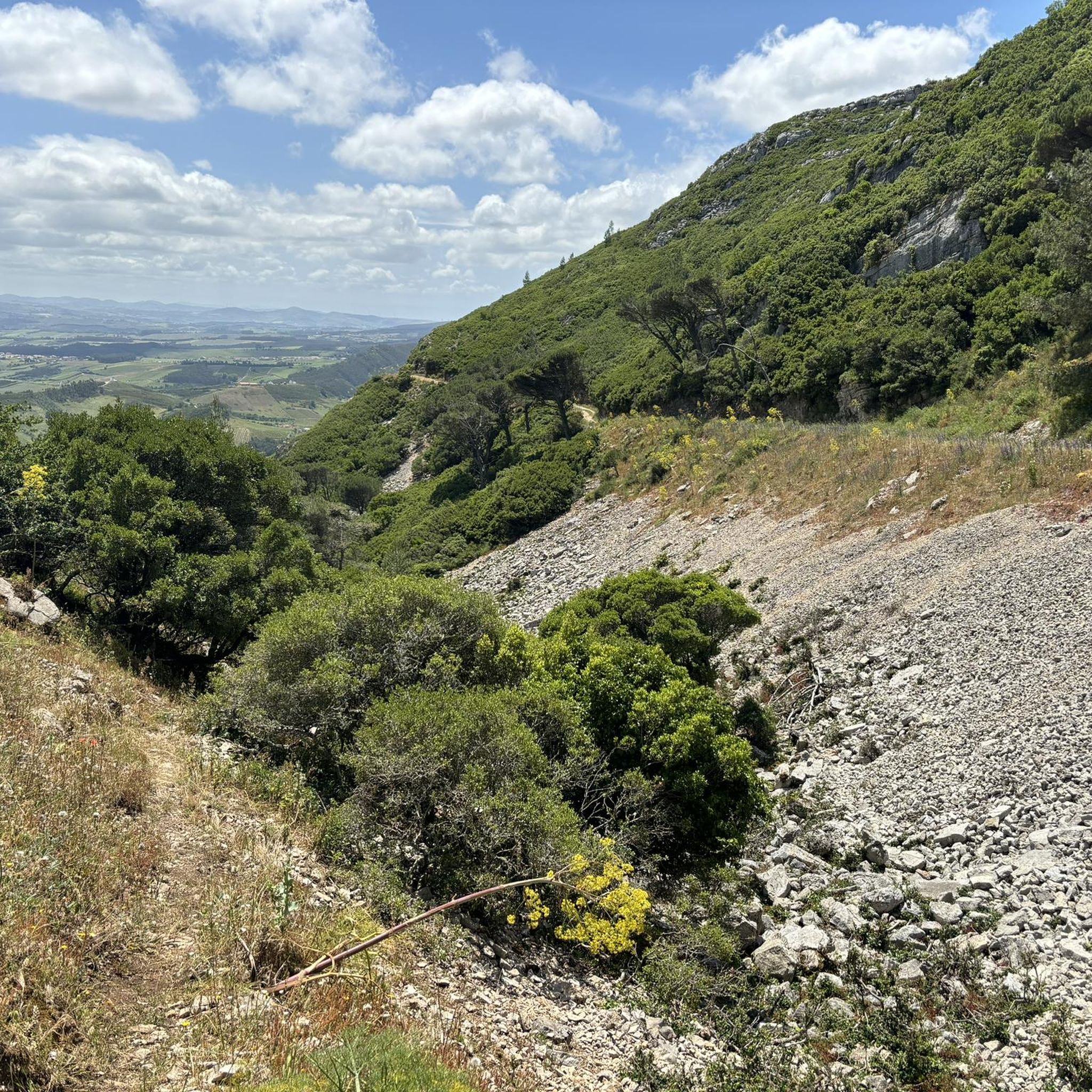
Dirt road with little traffic and which provides excellent views over the south side of the Serra de Montejunto.
0
0
With several references in the market, Adega da Vermelha stands out with its “Mundus” brand, the leader in Portugal when it comes to light wines (exclusive name for Lisbon wines). Currently, it has been standing out with its most recent brand, Adega da Vermelha (AV), a more sophisticated type of wine, recognized and awarded nationally and internationally.
2
0
Adega Cooperativa de Vermelha, CRL. Description: In 1962, a group of winegrowers from the region, led by Mr. Engineer Carvalho Cardoso and determined to respond qualitatively and quantitatively to market needs, founded the Adega Cooperativa de Vermelha.
1
0
Two lovers of the Serra de Montejunto got to work, clearing and cleaning a public road that gives access to the Rio das Figueiras in Pragança, one of the oldest villages in Portugal. The space is still in its early stages of development, but already has a prototype of a swing and a table with benches. The place is very relaxing, with mini waterfalls and magical, serene corners.
2
0
Frequently Asked Questions
How challenging are the touring cycling routes around Ventosa?
The touring cycling routes in Ventosa are generally quite challenging. Out of 16 available routes, 14 are rated as difficult, and 2 are moderate. This is due to the region's rolling hills and notable elevation changes, with some routes featuring significant climbs. For example, the View of Serra de Montejunto – View of the Serra de Montejunto loop from Abrigada route involves over 900 meters of elevation gain.
What kind of scenery can I expect while touring cycling in Ventosa?
Ventosa offers diverse scenery characterized by rolling hills, expansive vineyards, and consistent views of the Serra de Montejunto mountain range. Routes often traverse rural roads, connecting small villages and agricultural areas. You can experience both cultivated landscapes and more elevated, natural terrain.
Are there any circular touring cycling routes in Ventosa?
Yes, many of the touring cycling routes in Ventosa are designed as loops, allowing you to start and end in the same location. An example is the popular Quinta da Abrigada – View of Serra de Montejunto loop from Abrigada, which offers extensive views towards the Serra de Montejunto.
What are the typical distances and durations for touring cycling routes in Ventosa?
The touring cycling routes in Ventosa vary in length and duration. You can find routes like the View of Serra de Montejunto loop from Abrigada, which is about 17.6 miles (28.2 km) and takes around 2 hours 38 minutes, up to longer options such as the Vineyard Trail – Castro de Pragança loop from Ramalhal, spanning over 38 miles (62.4 km) and typically completed in about 4 hours 10 minutes.
What historical sites or natural landmarks can I explore along the touring cycling routes?
While cycling in Ventosa, you can encounter several points of interest. Near some routes, you might find historical structures like the Ponte da Ermida or religious buildings such as the Chapel of Our Lady of the Snows (Ruins). Natural landmarks include the Serra de Montejunto Watchtower, offering panoramic views, and the Ota River.
When is the best season for touring cycling in Ventosa?
The best seasons for touring cycling in Ventosa are typically spring and autumn. During these times, the weather is generally milder, making the significant climbs more manageable and the vineyard landscapes particularly scenic. Summers can be hot, and winters might bring cooler, wetter conditions, especially in the elevated areas of Serra de Montejunto.
Are there any family-friendly touring cycling routes in Ventosa?
Given that most touring cycling routes in Ventosa are rated as difficult due to significant elevation changes and hilly terrain, options specifically designed as 'family-friendly' for younger or less experienced cyclists are limited. The region is more suited for cyclists comfortable with challenging ascents.
Where can I find parking for bike trails in Ventosa?
Parking availability will vary depending on your chosen starting point. Many routes begin near villages or towns where street parking may be available. For routes venturing into natural areas, look for designated parking spots or picnic areas like the Picnic Area of Serra de Montejunto, which might offer suitable parking.
What should I wear for touring cycling in Ventosa?
Considering the varied terrain and potential for significant climbs, it's advisable to wear appropriate cycling gear that allows for comfort and performance. Layered clothing is recommended to adapt to changing temperatures, especially when gaining elevation. A helmet, padded shorts, and suitable cycling shoes are essential. Always carry water and sun protection.
Are there cafes or places to stop for refreshments along the touring cycling routes?
Many routes in Ventosa pass through or near small villages. These villages often have local cafes or small shops where you can stop for refreshments. It's a good idea to plan your route and check for potential stops beforehand, especially on longer rides, as facilities might be sparse in more rural sections.
What do other touring cyclists enjoy most about cycling in Ventosa?
Touring cyclists using komoot often praise the varied terrain and the rewarding views of the Serra de Montejunto. The region's mix of agricultural areas and elevated landscapes provides a diverse cycling experience, with the challenge of the climbs being a key draw for many.
Are there any less-known or 'hidden gem' touring cycling routes in Ventosa?
While all routes offer unique experiences, exploring options like the Alenquer Wine Museum – Alenquer Castle loop from Ota can lead you through less-trafficked areas, combining natural beauty with cultural points of interest like the Alenquer Wine Museum and Alenquer Castle.
Most popular routes around Ventosa
Most popular attractions around Ventosa

Get inspired with the komoot mobile app


Explore more
Browse the best Cycling routes in other regions.
