Attractions and Places To See around Vila Verde Dos Francos - Top 20
Attractions and places to see around Vila Verde Dos Francos include historical landmarks, natural features, and cultural sites. The region is characterized by the Serra de Montejunto mountain range, offering opportunities for exploration. Historical sites like ancient ruins and palaces provide insight into the area's past. Visitors can find a diverse range of points of interest, from religious architecture to unique gardens.
Best attractions and places to see around Vila Verde Dos Francos
- The most popular attractions is Chapel of…
Last updated: May 21, 2026
Chapel of Our Lady of the Snows (Ruins)
Highlight • Religious Site
Translated by Google •
Tip by

Montejunto Rural Campsite
Highlight • Rest Area
montejunto.pt/parque-de-campismo-rural-da-serra-de-montejunto
Translated by Google •
Tip by
Sign up now to discover places like this
Get recommendations on the best single tracks, peaks, & plenty of other exciting outdoor places.
Sign up for free
Picnic Area of Serra de Montejunto
Highlight • Rest Area
Translated by Google •
Tip by
Bacalhôa Buddha Eden
Highlight • Monument
After Buddhism was supplanted, the Buddhist statues in Bamiyan (Afghanistan) repeatedly fell victim to vandalism, which culminated in a major action by the …
Translated by Google •
Tip by

Blue Terracotta Army Sculptures
Highlight • Monument
Translated by Google •
Tip by
Sign up for free to discover even more attractions around Vila Verde Dos Francos.
Sign up for free
Already have an account?
Start today with a free account
Your next adventure awaits.
Login or Signup
Tips from the Community

A vast Far Eastern garden has been created here on an area of approximately 35 hectares. In addition to buildings and religious sculptures (especially Buddha statues), visitors will also find replicas of the world-famous Terracotta Army, where thousands of clay warriors guard the tomb of the first Chinese emperor.
0
0

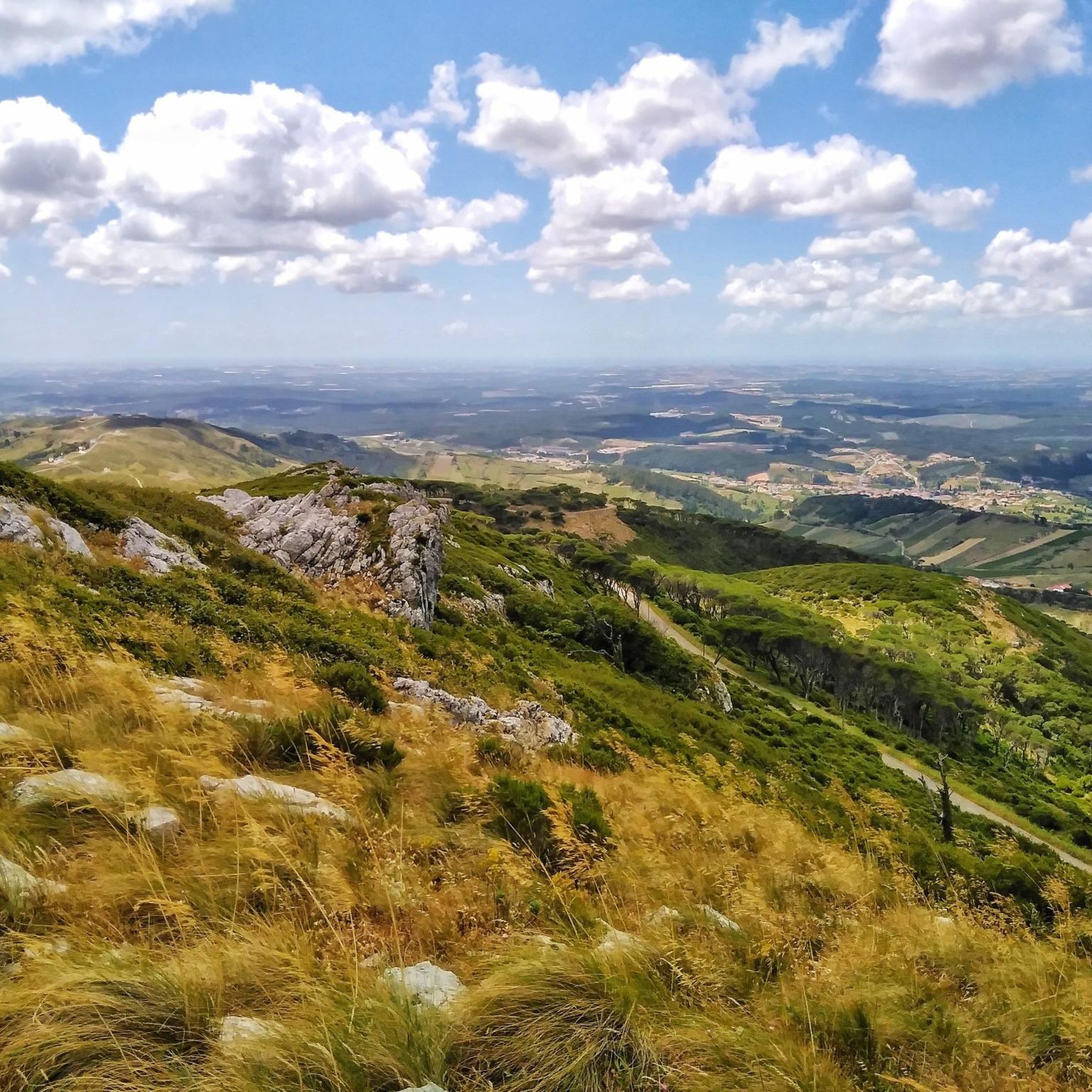
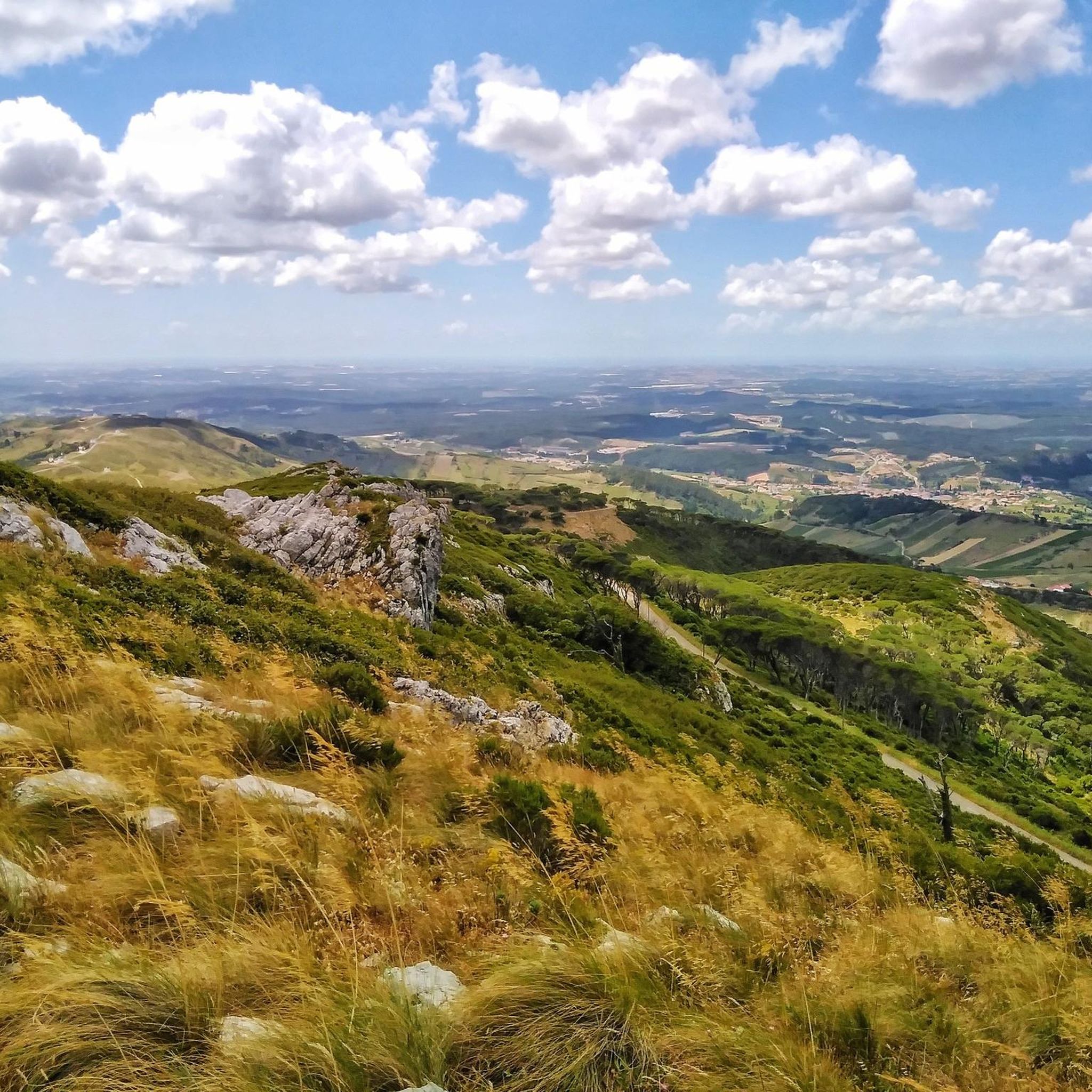
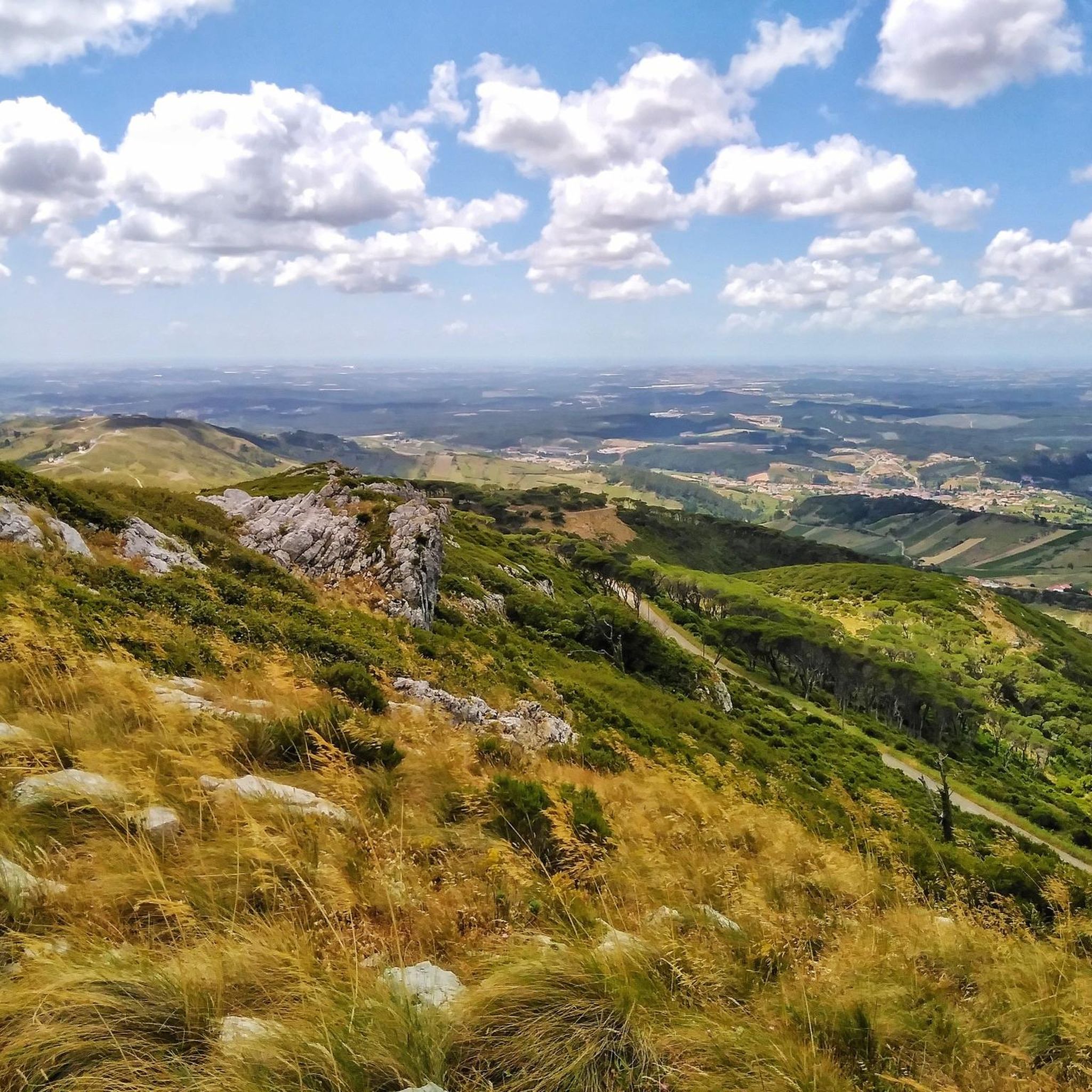
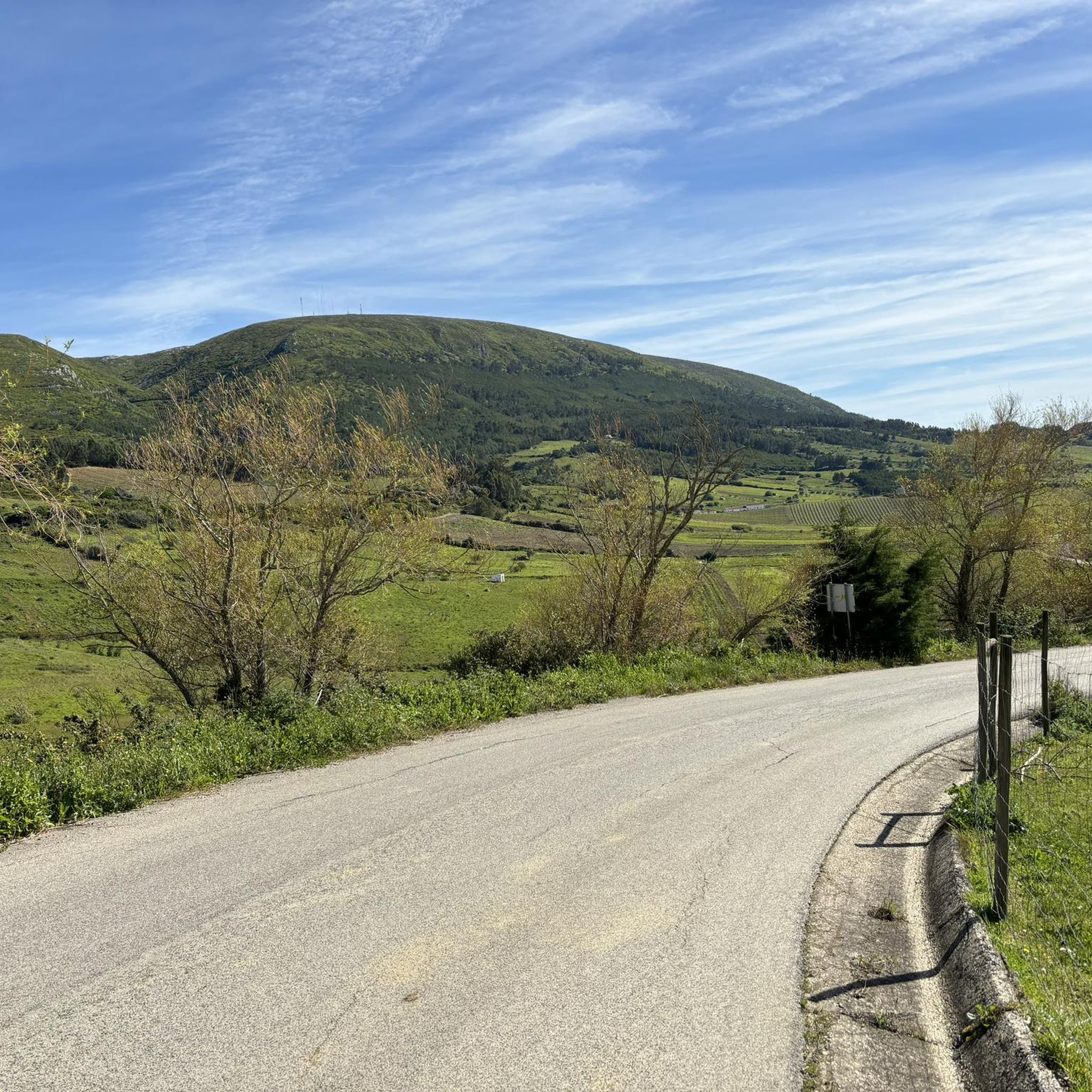
At this location at the top of the Serra de Montejunto, also known as "Torre" due to the various antennas that were installed there, is the Chapel of Our Lady of the Snows, which may have been built in the 13th century and remodelled and expanded during the 16th century and later. Inside, the altars covered with 17th century tiles and the altarpiece of the main altar, from the 18th century, stand out. Next to the Chapel of Our Lady of the Snows, are the ruins of what is considered to be the first Dominican Convent in Portugal, built in the 12th century and abandoned after the extinction of the religious orders, and is currently in ruins. Also nearby are the ruins of the Royal Ice Factory, classified as a National Monument. Here, in the 18th century, the Dominican monks took advantage of the climatic and geological conditions and opened large tanks connected by narrow passages, one part for the production of ice and the other for its preparation, storage and conservation. The ice was later transported to Lisbon, to supply the court and the café at Terreiro do Paço, later known as Martinho da Arcada (Fernando Pessoa's Café)
2
0

The Nossa Senhora das Neves Chapel, located at the top of the Serra de Montejunto, has been a place of pilgrimage since the medieval period, prior to the construction of the first Dominican monastery in the 13th century.
1
0
The Serra de Montejunto picnic area is next to the Interpretation center and a little further from the campsite. Nearby there is a small bar and toilets.
3
0
The Serra do Montejunto Rural Camping Park is located close to the Environmental Interpretation Center and the Real Fábrica do Gelo. With capacity for 90 people, 24 tents and 6 motorhomes, it has sanitary facilities separated by sex, a communal barbecue area and designated areas for washing dishes and drying clothes.
3
1
Located in the chestnut woods, it connects the Real Fábrica do Gelo complex and the Environmental Interpretation Centre. The Park has eight tables, with an average capacity of six to eight people per table. As support structures for its use, it has a small bar, toilets and a small playground.
3
0
Located in the heart of the Montejunto mountain range, the Montejunto Rural Camping Park has ample shade and capacity for 90 people. Free to use, it has a bar, a tourist reception center and an Environmental Interpretation Centre. https://montejunto.pt/parque-de-campismo-rural-da-serra-de-montejunto/
5
0
At the top of the Montejunto mountain range, very close to the chapel of Nossa Senhora das Neves, there are remains of the first convent of the Order of São Domingos in Portugal. Initially built in 1218, shortly after Friar Soeiro Gomes arrived in Portugal, the current ruins are the result of the rebuilding (over the initial convent) that took place in the 18th century, upon the return of the Dominicans. Despite being in ruins, it is a grandiose monument that must be visited, with due care, given the dangers that ruins always contain. Source: Natural.pt Next to the monument, there is a trail called "Calçada dos Frades" that runs along the slope. This cobbled path, which is also thought to be from the 18th century, was opened to serve the construction and use of the Convent of Nossa Senhora das Neves. The path was also used by the friars to access the Real Fabrica do Gelo, located further down, where today there is a laser area and an interpretive center.
3
0
Frequently Asked Questions
What historical landmarks can I explore around Vila Verde Dos Francos?
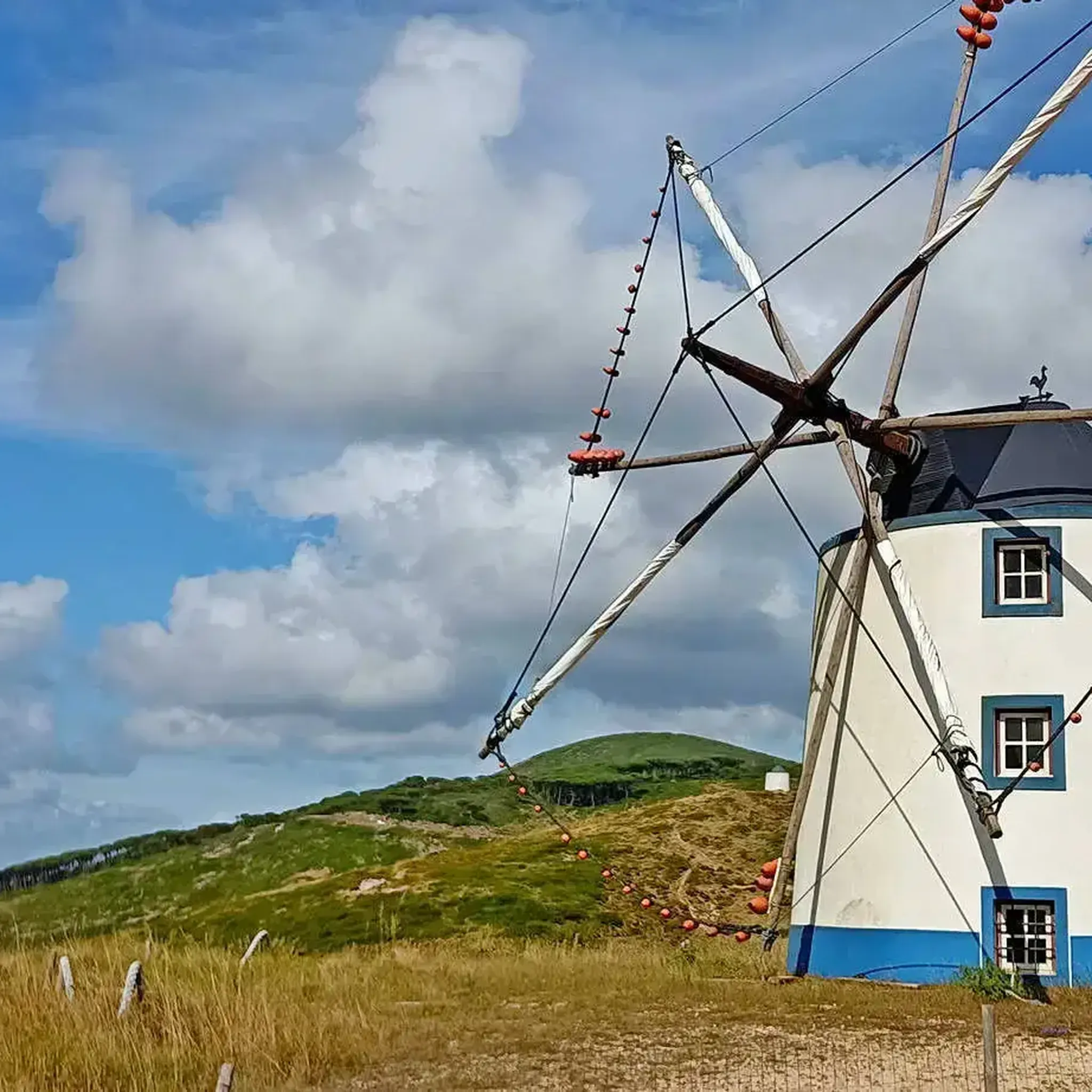
The region is rich in history. You can visit the ruins of the Chapel of Our Lady of the Snows, which was once the first convent of the Order of São Domingos in Portugal, located atop the Montejunto mountain range. Other significant historical sites include the ruins of Castelo de Vila Verde dos Francos and the Palácio dos Marqueses de Angeja. The Real Fábrica do Gelo, an 18th-century royal ice factory, now serves as an interpretive center offering insights into its past.
Are there natural areas or viewpoints to enjoy in Vila Verde Dos Francos?
Absolutely. The Serra de Montejunto mountain range is a prominent natural feature, offering scenic views and opportunities for exploration. The area around the Chapel of Our Lady of the Snows provides panoramic vistas. You can also find the Picnic Area of Serra de Montejunto nestled in chestnut woods, perfect for enjoying the natural surroundings.
What kind of outdoor activities are available near these attractions?
The Serra de Montejunto area is ideal for outdoor enthusiasts. You can find various routes for hiking, running, and mountain biking. For easy walks, explore options like the Ota Karstic Canyon Trail or the View of Serra de Montejunto loop. More challenging routes include the Serra de Montejunto Windmills Trail for running or the Moinho de Avis loop for mountain biking. You can find more details on these activities in the easy hikes, running trails, and MTB trails guides.
Are there any family-friendly attractions or facilities in the area?
Yes, families will enjoy the Picnic Area of Serra de Montejunto, which features a playground, tables, and toilets. The Montejunto Rural Campsite also offers facilities for families, including a communal barbecue area. For a unique cultural experience, the Bacalhôa Buddha Eden, with its vast collection of statues and gardens, is also considered family-friendly.
What is the Bacalhôa Buddha Eden and where is it located?
The Bacalhôa Buddha Eden is Europe's largest oriental garden, featuring a vast collection of Buddha statues, pagodas, and Asian sculptures. It was created as a tribute after the destruction of the Buddhist statues of Bamiyan in Afghanistan. While not directly in Vila Verde Dos Francos, it is a significant attraction in the surrounding region, offering a unique cultural experience.
Can I find accommodation or camping options near the attractions?
Yes, the Montejunto Rural Campsite is located in the heart of the Montejunto mountain range. It offers ample shade and capacity for tents and motorhomes, with facilities including sanitary services, a communal barbecue area, and a tourist reception center.
What are the Blue Terracotta Army Sculptures?
Within the Bacalhôa Buddha Eden, you can find the Blue Terracotta Army Sculptures. This exhibit features 700 hand-painted terracotta soldiers, each a unique replica of the ancient warriors buried 2,200 years ago, offering a fascinating glimpse into Chinese history and art.
What do visitors particularly enjoy about the attractions around Vila Verde Dos Francos?
Visitors appreciate the blend of historical significance and natural beauty. The ruins of the Chapel of Our Lady of the Snows are noted for their grandeur despite their ruined state, offering a sense of history. The Picnic Area of Serra de Montejunto is loved for its peaceful setting in the chestnut woods, providing a perfect spot for relaxation. The unique and expansive Bacalhôa Buddha Eden is also a highly praised attraction for its artistic and cultural value.
Are there any religious architectural sites to visit?
Beyond the Chapel of Our Lady of the Snows, the area features several noteworthy churches and chapels. These include the Capela de Santa Bárbara, Igreja da Misericórdia, and Igreja de Nossa Senhora dos Anjos, each offering a glimpse into the region's religious heritage.
Can I find places for a picnic or a quick bite to eat near the attractions?
Yes, the Picnic Area of Serra de Montejunto is specifically designed for this, offering tables, a small bar, and restrooms. It's an ideal spot to relax and enjoy a meal amidst nature. The Montejunto Rural Campsite also has a bar.
What is the 'Calçada dos Frades' and where can I find it?
The 'Calçada dos Frades' is a cobbled path believed to be from the 18th century. It runs along the slope next to the Chapel of Our Lady of the Snows (Ruins). This historic path once served the convent and provided access to the Real Fábrica do Gelo, offering a historical walking experience.
What are the best seasons to visit Vila Verde Dos Francos for outdoor activities?
While specific data isn't provided, the region's natural features like the Serra de Montejunto and various trails suggest that spring and autumn would be ideal. These seasons typically offer milder temperatures, making hiking, running, and exploring the outdoor attractions more comfortable than the peak heat of summer or the cooler, potentially wetter, winter months.
Most popular attractions around Vila Verde Dos Francos

Get inspired with the komoot mobile app


Explore more
Still not found the Highlight you’re looking for? See guides of the top attractions in other regions:
