Attractions and Places To See around Aveiras De Baixo - Top 20
Best attractions and places to see around Aveiras De Baixo include a blend of historical, cultural, and natural sites within the Ribatejo region. This Portuguese parish in the municipality of Azambuja is characterized by its rich past and scenic landscapes. Key natural features include the National Forest of Virtues and the Tagus River, offering diverse exploration opportunities.
Best attractions and places to see around Aveiras De Baixo
- The most popular attractions is Ponte Rainha D. Amélia, a bridge that…
Last updated: July 1, 2026
Valada Village
Highlight • Settlement
Translated by Google •
Tip by

Roman Bridge of Muge
Highlight • Bridge
The Roman presence in the parish of Muge is clearly evident in the …
Translated by Google •
Tip by

Sign up now to discover places like this
Get recommendations on the best single tracks, peaks, & plenty of other exciting outdoor places.
Sign up for free
Beira Tejo Boat in Valada
Highlight • Monument
Translated by Google •
Tip by
Ponte Rainha D. Amélia
Highlight • Bridge
Translated by Google •
Tip by
Ponte da Ermida
Highlight • Bridge
Translated by Google •
Tip by
Sign up for free to discover even more attractions around Aveiras De Baixo.
Sign up for free
Already have an account?
Start today with a free account
Your next adventure awaits.
Login or Signup


Tips from the Community

Built during the Roman period, it is an important vestige of that people's presence in the municipality. The Roman presence in the parish of Muge is clearly evident in the area of Porto de Sabugueiro. The most striking vestiges of this historical period are found here. Porto de Sabugueiro, due to its proximity to the Tagus River, was an important river port during the Roman period. Excavations and published studies define this location as an important Roman village, with ceramic production, due to the existence of a ceramic kiln found here in the 1960s. Approximately 400 meters from this location is the Roman Bridge, which crosses the Muge stream. The construction techniques used, especially in the larger arch, undoubtedly indicate a Roman origin; however, the two smaller arches, due to their typology, are attributable to the Middle Ages. This bridge was one of the main crossing points connecting Muge to the interior of the country (Alentejo) and to the city of Santarém. It possesses undeniable historical value, forming part of the memory and heritage identity of the municipality of Salvaterra de Magos. (Source: www.salvaterrademagos.pt)
16
0

Ride on the path dedicated for bikes. The road isn’t suitable for bikes, rough and slippery.
1
0

Watch out it can be slippery
1
0

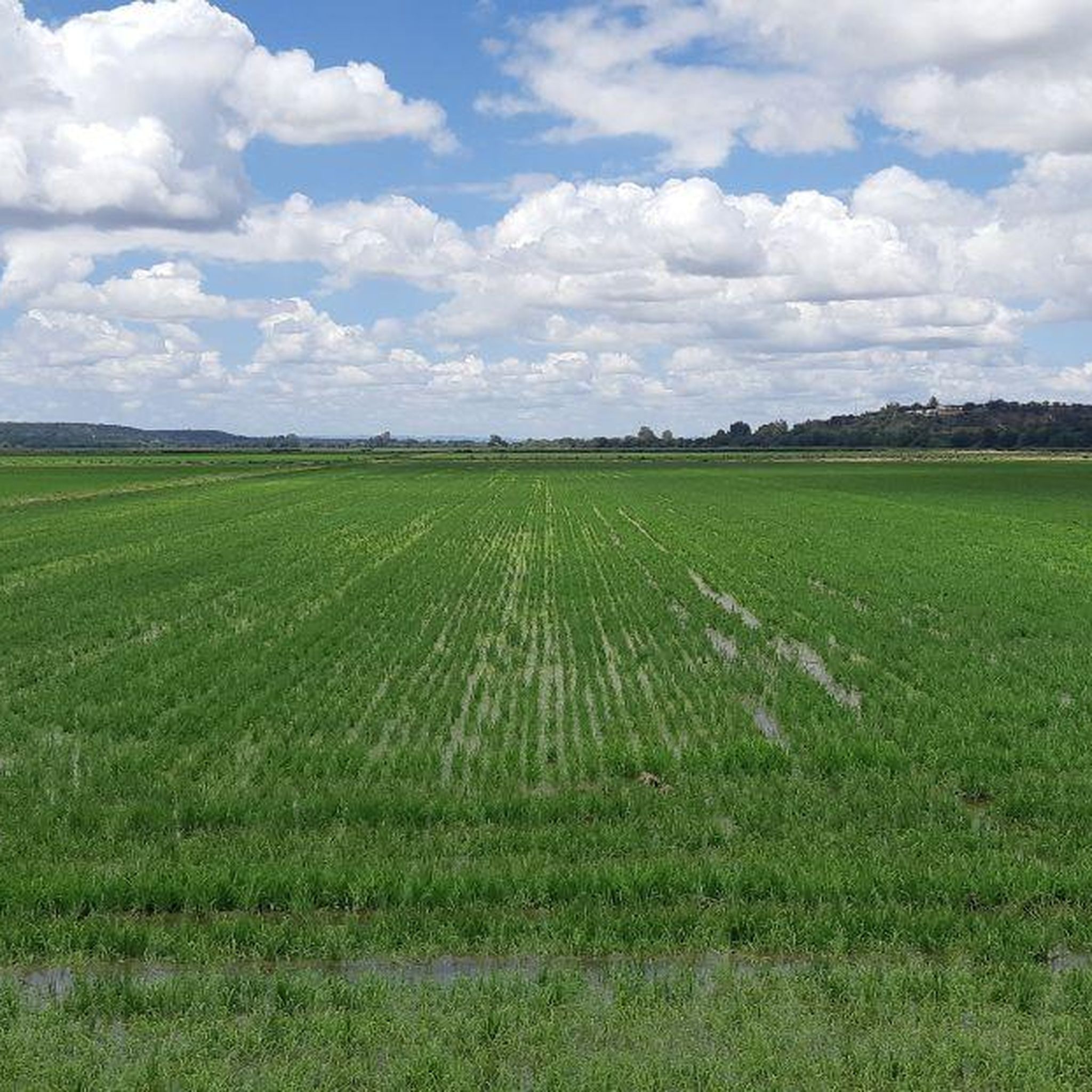
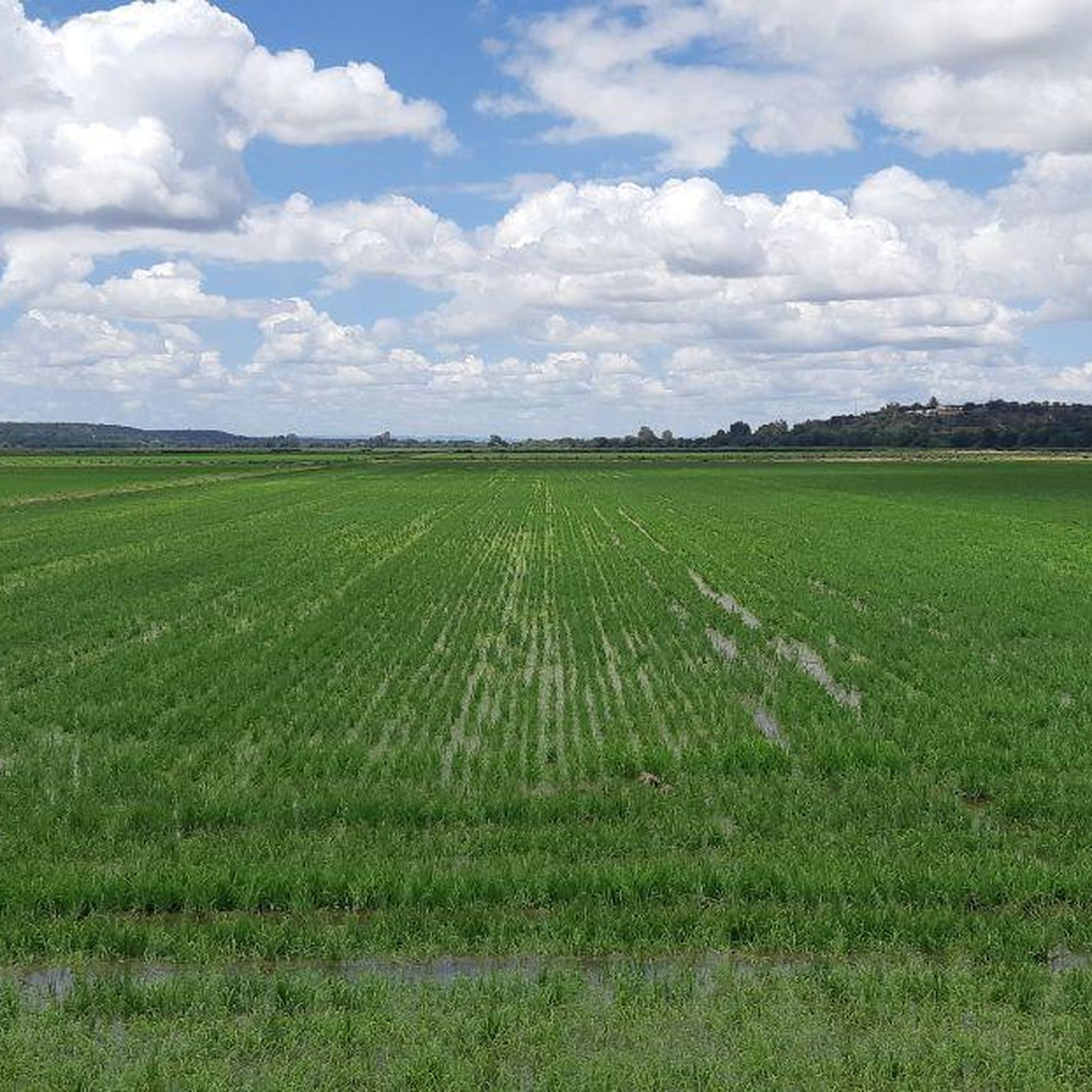
The village of Valada is a small Portuguese town, located in the municipality of Cartaxo, district of Santarém, in the Ribatejo region. Here is some information: Characteristics 1. Population: Around 1,500 inhabitants. 2. Area: 11.2 km². 3. Population density: 134 inhabitants/km². 4. Altitude: 20-30 meters above sea level. History 1. Origins: Possibly founded by the Romans. 2. 12th century: Part of the municipality of Cartaxo. 3. 15th century: Agricultural and livestock development. Points of interest 1. Igreja Matriz de Nossa Senhora da Conceição (18th century). 2. Capela de São Sebastião. 3. Fonte do Castelo (historical monument). 4. Praia Fluvial de Valada (river Tagus). 5. Walking and cycling trails. Activities 1. Agriculture (cereals, fruit and vegetables). 2. Livestock farming (cattle, pigs and poultry). 3. River fishing. 4. Rural tourism. 5. Cultural and religious events. Accessibility 1. Located 10 km from Cartaxo. 2. Access via the EN365 national road. 3. Public transport: buses. 4. Nearest train station: Cartaxo.
4
0

The origins of the Ermida Bridge possibly date back to the end of the 15th century. A Royal Road passed through here, which was intended to connect the river port of Vila Nova da Rainha and Caldas da Rainha. It was the route of the royal and court routes since D. João II, and was also frequently used by D. João V and D. Carlos. All that remains of this 15th century Royal Road is the emblematic Ermida Bridge, a work of art structured and built in dressed stone and its sumptuous Romanesque arch, or round arch. Due to its total lack of conservation and because it has to support loads (heavy agricultural machinery) for which it was not designed, it is currently at risk of collapse, and its passage is even closed.
1
0

It is surrounded by beautiful and abundant trees and is a bridge with a Romanesque arch. There are several theories regarding its construction; some argue that it was built during the reign of D. João II, in order to facilitate the King's movement when he went to meet Queen D. Leonor for a swim in Caldas, while others claim that it was built in the 19th century due to a technical issue, namely its width. Interestingly, this bridge supports two enormous pine trees on the upper part of the road.
0
0
Valada is one of the eight parishes in the Municipality of Cartaxo, and is also one of the oldest. According to historians, the Romans were the first farmers in the Valada field, however it was during Arab rule that the first documents appeared making reference to their uber rich land. The ex-libris of the parish is the Tagus River, with its surrounding space of great beauty, its river beach, picnic area and camping site. A meeting place, par excellence, for outsiders who visit the parish. As a heritage site, Valada is proud of its church dating back to 1211, during the reign of Dom Afonso II. Losing part of its beauty, after the restoration of 1962, its patron saint is Our Lady of the Spectation of Ó
3
0
The Rainha D. Amélia Bridge, also known as Ponte D. Amélia, is an old railway bridge inaugurated on January 14, 1904. It was later converted to road use, with alternating circulation in both directions. The bridge allows pedestrians or bicycles to cross it via two narrow side roads. Crossing it is always a strong emotion.
6
0
Frequently Asked Questions
What historical sites can I explore in Aveiras de Baixo?
The region is rich in history. You can visit the Church and Monastery of Santa Maria das Virtudes, a significant religious sanctuary dating back to the 15th century. Also, explore the ancient roots of Valada Village, which has heritage including a church from 1211 and influences from Roman and Arab periods. Don't miss the Roman Bridge of Muge, an important vestige of the Roman presence.
Are there natural attractions or green spaces to visit?
Yes, the National Forest of Virtues within Aveiras de Baixo offers extensive forest areas with tranquil paths, ideal for walking, running, and mountain biking. The Ribeiro de Aveiras de Baixo is also recognized for its beautiful vegetation. Additionally, the Tagus River in Valada provides a scenic environment with a river beach and picnic areas.
What activities are available along the Tagus River?
The Tagus River, particularly in Valada, is a central point for activities. You can enjoy the river beach, have a picnic, or utilize the camping site. The area around Valada Village and the Beira Tejo Boat in Valada offers beautiful river views and a relaxing environment.
Can I find family-friendly attractions in the area?
Absolutely. Valada Village is considered family-friendly, offering a river beach and picnic area by the Tagus River. The National Forest of Virtues also provides shaded trails suitable for family walks and exploring nature.
Are there opportunities for cycling around Aveiras de Baixo?
Yes, the region offers various cycling routes. You can find numerous options for both road cycling and touring. For example, there are routes like the 'Valada and the river loop from Azambuja' for road cycling or the 'River Beach of Valada – Valada and the river loop from Valada' for touring. Explore more routes on the Road Cycling Routes around Aveiras De Baixo and Cycling around Aveiras De Baixo guide pages.
What about running trails near the attractions?
The area around Aveiras de Baixo provides several running trails. You can find routes like the 'Lago dos Patos loop from Cartaxo' or the 'Falcoaria Real loop from Salvaterra de Magos'. The National Forest of Virtues is also a popular spot for running with its tranquil paths. Discover more options on the Running Trails around Aveiras De Baixo guide page.
What is the significance of the bridges in the region?
The bridges in the area are significant historical and scenic landmarks. The Ponte Rainha D. Amélia offers picturesque views of the Tagus River. The Roman Bridge of Muge showcases ancient Roman engineering, later renovated in medieval times. Additionally, Ponte da Ermida, possibly dating back to the 15th century, was part of a Royal Road and features a Romanesque arch.
What do visitors particularly enjoy about the attractions here?
Visitors appreciate the blend of historical depth and natural beauty. Many enjoy the superb views from Ponte Rainha D. Amélia and the rich history of Valada Village, especially its river beach and picnic areas. The tranquil and shaded trails of the National Forest of Virtues are also highly valued for outdoor activities.
Are there any Roman-era sites to see?
Yes, the most notable Roman-era site is the Roman Bridge of Muge. This bridge, crossing the Muge stream, clearly shows Roman construction techniques, particularly in its larger arch, and is an important historical vestige of the Roman presence in the municipality.
When is the best time to visit Aveiras de Baixo?
While specific seasonal considerations are not detailed, the region's natural attractions like the National Forest of Virtues and the Tagus River are generally enjoyable during milder weather. Spring and autumn typically offer pleasant temperatures for outdoor activities such as cycling, running, and exploring historical sites.
What kind of terrain can I expect on outdoor routes?
The Ribatejo region, where Aveiras de Baixo is located, is characterized by gentle relief. This means that many outdoor routes, including those for cycling and running, will feature relatively flat or gently undulating terrain, making them accessible for various fitness levels. The National Forest of Virtues offers shaded trails with an irregular canopy, providing a natural and varied surface.
Most popular routes around Aveiras De Baixo

Get inspired with the komoot mobile app


Explore more
Still not found the Highlight you’re looking for? See guides of the top attractions in other regions:
