The best road cycling routes around Vila Nova De São Pedro
4.4
(13)
446
riders
40
rides
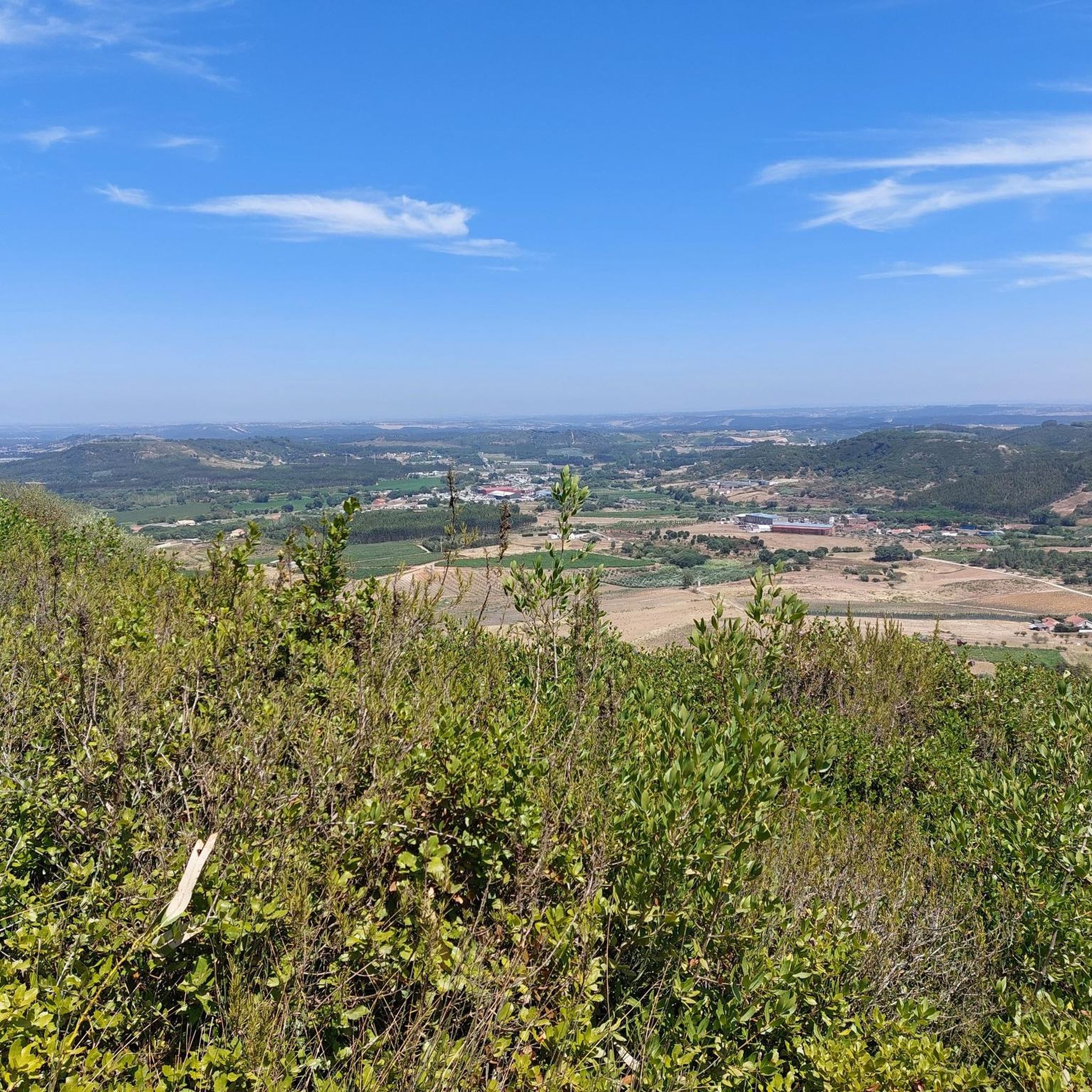
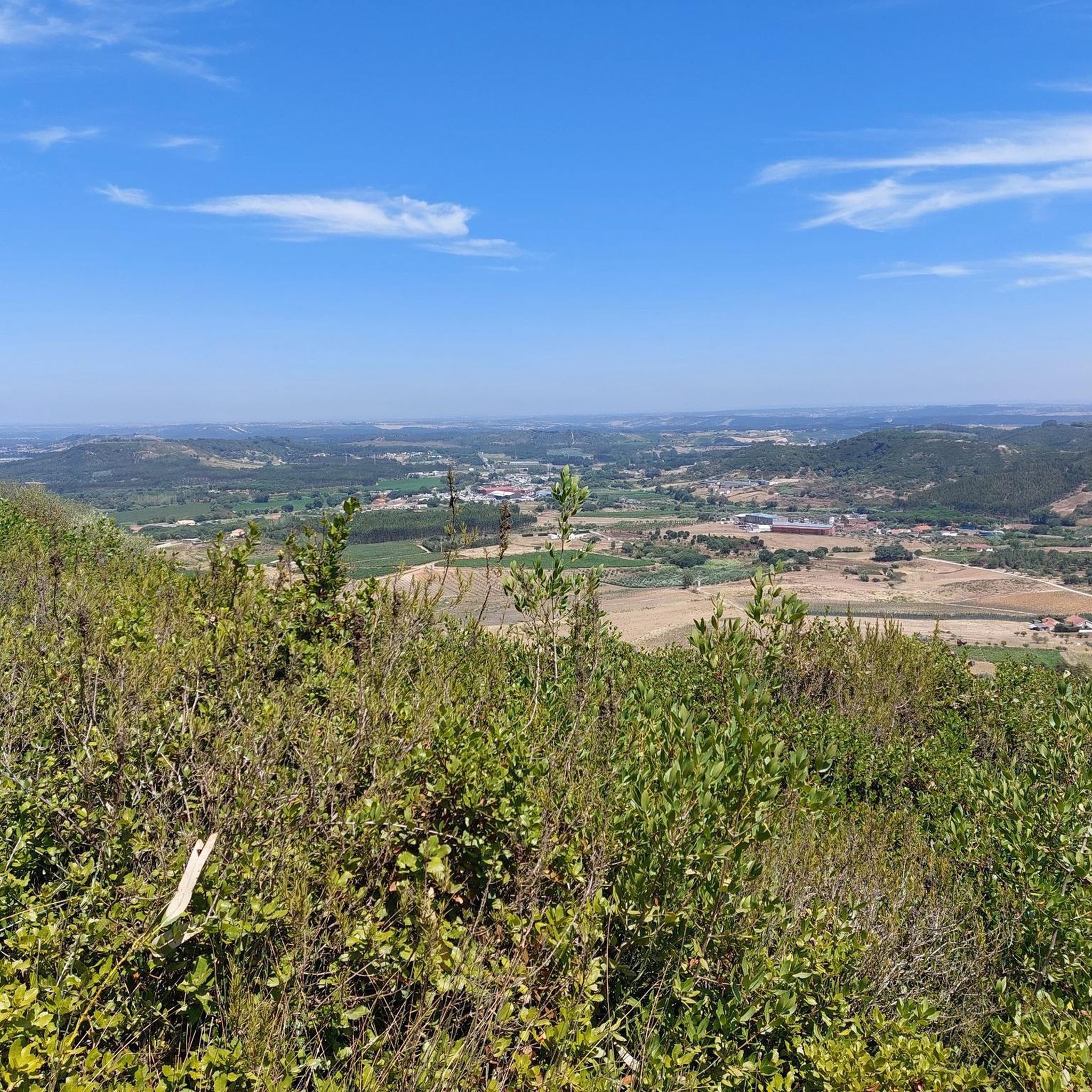
Road cycling routes around Vila Nova de São Pedro traverse tranquil rural landscapes, offering a mix of generally flat or gently rolling terrain. Cyclists can expect routes through agricultural plains, cork oak groves, and picturesque vineyards, with the Alomoster River Valley providing charming exploration options. While the immediate area features manageable gradients, the Serra de Montejunto, approximately 40 km away, offers more challenging ascents and panoramic views. The region's diverse topography provides varied road cycling experiences.
Best road cycling routes…
Last updated: May 21, 2026
4.5
(2)
32
riders
49.3km
02:03
190m
190m
Moderate road ride. Good fitness required. Some segments of this route may be unpaved and difficult to ride.
29
riders
78.9km
03:20
490m
490m
Moderate road ride. Good fitness required. Some segments of this route may be unpaved and difficult to ride.

Sign up for free
4.5
(2)
20
riders
27.6km
01:08
130m
130m
Moderate road ride. Great for any fitness level. Some segments of this route may be unpaved and difficult to ride.
5.0
(1)
9
riders
44.4km
01:56
300m
300m
Moderate road ride. Good fitness required. Some segments of this route may be unpaved and difficult to ride.
6
riders
53.5km
02:24
400m
400m
Moderate road ride. Good fitness required. Some segments of this route may be unpaved and difficult to ride.
Get access to more routes and recommendations from other explorers.
Sign up for free
Already have an account?
Our route recommendations are based on thousands of hikes, rides, and runs completed by other people on komoot.
Start today with a free account
Your next adventure awaits.
Login or Signup
Popular around Vila Nova De São Pedro

Tips from the Community

publication of the royal charter of 26 July 1811, which, in order to mitigate the devastating effects of the French invasions, prescribed, among many other measures, the distribution of seeds to farmers in order to re-establish cereal production. The Real Celeiro was active for over sixty years, between 1812 and 1873, but, quoting Guilherme Henriques, “it died, like all good institutions, annihilated by abuses”. The City Council now holds the archive of the old Celeiro, which, although not very voluminous, nevertheless allows us to reconstruct almost the entire history of this important local institution of the 19th century. Commissioned to be rebuilt by the Municipality of Alenquer in 2002, it opened its doors as the Wine Museum and headquarters of the Lisbon Wine Route in 2006. Its interior was remodeled and its museology project renewed at the end of 2018, and it reopened its doors to visitors in February 2019. (Source: www.alenquer.pt)
10
0

The area of the springs, on the Ota River, was once a leisure area for the local population, including the local bathing area in the summer. This site remained natural for a long time after the EPAL was installed, but at a certain point, the intensification of agriculture with the use of chemical fertilizers and pesticides, intensive livestock farming, and urban sewage made the flow from upstream a polluting threat to EPAL's water intakes, and EPAL paved several dozen meters of the river course near the site where it is installed with reinforced concrete.
1
0
Operating since April 2006 in a 19th-century building, the Wine Museum exhibits, offers tastings and allows the purchase of the best wines from the region. Around 20 producers from the Lisbon Wine Routes Association are represented.
5
0
Museum established in 2006 and remodeled in 2018, where the stories of 40 wine producers from the municipality of Alenquer are represented. Occupying the space of the old public barn where the seeds of the region's farmers were stored, the institution seeks to provide visitors with an excellent experience in paying homage to wine. Source: www.freguesiaalenquer.pt
12
0

The Ota River has its source in the Montejunto mountain range. It flows through the Ota area and empties into the Alenquer River, which in turn meets the Tagus River near Vila Nova da Rainha. At this point the river is close to the village of the same name, Ota.
1
0
The famous Marco Chagas, a former professional cyclist and current commentator on cycling around Portugal, comes from the beautiful village of Valada.
6
0
It rises in the Montejunto mountain range, passes through the clusters of Eiras, Abrigada, Atouguia, Ota and Aldeia, in the municipality of Alenquer and flows into the right bank of the Tagus river near Vila Nova da Rainha, side by side with the Alenquer river. Of its layout stands out, in particular, the “Cannon” of the Ota river valley, which presents geomorphological characteristics of the greatest relevance at a national level.
2
0
Frequently Asked Questions
What kind of terrain can I expect on road cycling routes around Vila Nova de São Pedro?
Road cycling routes in Vila Nova de São Pedro primarily feature tranquil rural landscapes with a mix of generally flat or gently rolling terrain. You'll cycle through agricultural plains, extensive cork oak groves, and picturesque vineyards. The Alomoster River Valley also offers charming routes with vegetable gardens and vineyards.
Are there challenging road cycling routes in the region?
While much of the immediate area around Vila Nova de São Pedro offers manageable gradients, cyclists seeking more challenging climbs can venture towards the Serra de Montejunto, located approximately 40 km southeast. This mountain range features more demanding ascents and rewards riders with panoramic views from its summit.
Are there easy road cycling routes suitable for beginners?
Yes, the region offers several routes with manageable gradients suitable for various fitness levels, including beginners. There are 8 easy road cycling routes available, providing a gentle introduction to the area's scenic landscapes.
What natural features can I see while road cycling in Vila Nova de São Pedro?
The region is rich in natural beauty. You can expect to cycle through distinctive cork oak groves and picturesque vineyards. A notable natural heritage area is Paúl de Manique do Intendente, a haven for biodiversity, though it may require a short detour from cycling paths.
Are there any historical landmarks along the road cycling routes?
Yes, the area is rich in historical and cultural attractions. You might encounter the Pina Manique Palace, an 18th-century monument, or the Royal Monastery of St. Mary of Almoster, founded in 1289. The Chalcolithic archaeological site, Castro of Vila Nova de São Pedro, also offers historical interest.
What is the best time of year for road cycling in Vila Nova de São Pedro?
The region generally offers pleasant conditions for road cycling for much of the year. Spring and autumn typically provide mild temperatures and beautiful scenery, making them ideal. Summers can be warm, so early morning or late afternoon rides are recommended during peak season.
Are there family-friendly road cycling routes in Vila Nova de São Pedro?
The generally flat or gently rolling terrain around Vila Nova de São Pedro makes many routes suitable for families. Look for the 'easy' graded routes, which are often shorter and have less elevation gain, providing a comfortable experience for all ages.
Can I bring my dog on road cycling routes in this region?
While the rural landscapes are appealing, road cycling routes are typically on paved roads and may not be ideal for dogs to run alongside. If you wish to bring your dog, consider using a specialized dog cycling trailer for their safety and comfort, especially on longer routes or in traffic.
What do other road cyclists enjoy the most about road cycling in Vila Nova de São Pedro?
The area is highly rated by the komoot community, with an average score of 4.4 stars. Reviewers often praise the tranquil rural landscapes, the scenic routes through cork oak groves and vineyards, and the variety of options for different fitness levels.
How many road cycling routes are available around Vila Nova de São Pedro?
There are over 40 road cycling routes available around Vila Nova de São Pedro, offering a diverse range of experiences from easy rides to more challenging ascents.
Are there any circular road cycling routes in the area?
Yes, many of the routes in Vila Nova de São Pedro are designed as loops, allowing you to start and finish at the same point. For example, the Mata Nacional das Virtudes – Eucalipto loop from Cartaxo is a popular circular option.
Where can I find a route that combines river views and cultural stops?
The Ota River – Alenquer Wine Museum loop from Cartaxo offers scenic views along the Ota River and through vineyard areas, with a cultural stop at the Alenquer Wine Museum, providing a blend of natural beauty and heritage.
Are there routes that explore the Tagus River plains?
Yes, the broader Azambuja area benefits from its proximity to the Tagus River. The Valada and the river loop from Cartaxo is a great option that leads through the fertile Tagus River plains, offering unique scenic beauty.
Most popular routes around Vila Nova De São Pedro
Most popular attractions around Vila Nova De São Pedro

Get inspired with the komoot mobile app


Explore more
Browse the best Road cycling routes in other regions.
