Attractions and Places To See around Santa Engrácia - Top 20
Best attractions and places to see around Santa Engrácia, a historical area in Lisbon, Portugal, are primarily centered around the magnificent National Pantheon. This district, formerly a parish, is situated within the broader Alfama district, offering a blend of historical sites and urban viewpoints. The area provides insights into Portuguese history and culture, with several notable landmarks. Visitors can explore architectural marvels and enjoy panoramic city views from various points.
Best attractions and places to see around Santa Engrácia
- The…
Last updated: July 2, 2026
View from the Rua Augusta Arch
Highlight • Viewpoint
Translated by Google •
Tip by

Santa Justa Lift
Highlight • Monument
Translated by Google •
Tip by
Sign up now to discover places like this
Get recommendations on the best single tracks, peaks, & plenty of other exciting outdoor places.
Sign up for free
Commerce Square
Highlight • Monument
Translated by Google •
Tip by
Santa Luzia viewpoint
Highlight • Viewpoint
Translated by Google •
Tip by

St. George's Castle
Highlight • Castle
Translated by Google •
Tip by

Sign up for free to discover even more attractions around Santa Engrácia.
Sign up for free
Already have an account?
Start today with a free account
Your next adventure awaits.
Login or Signup
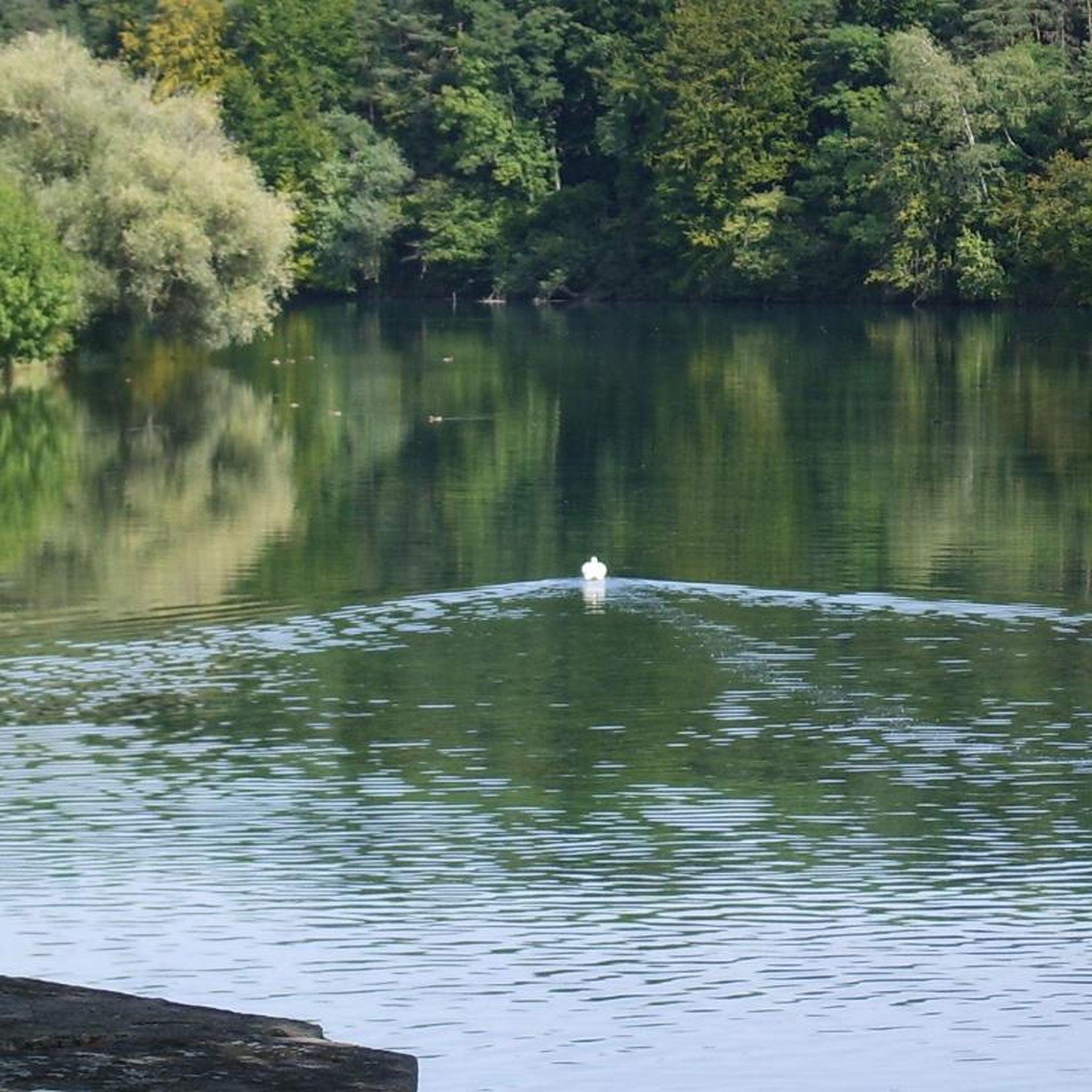
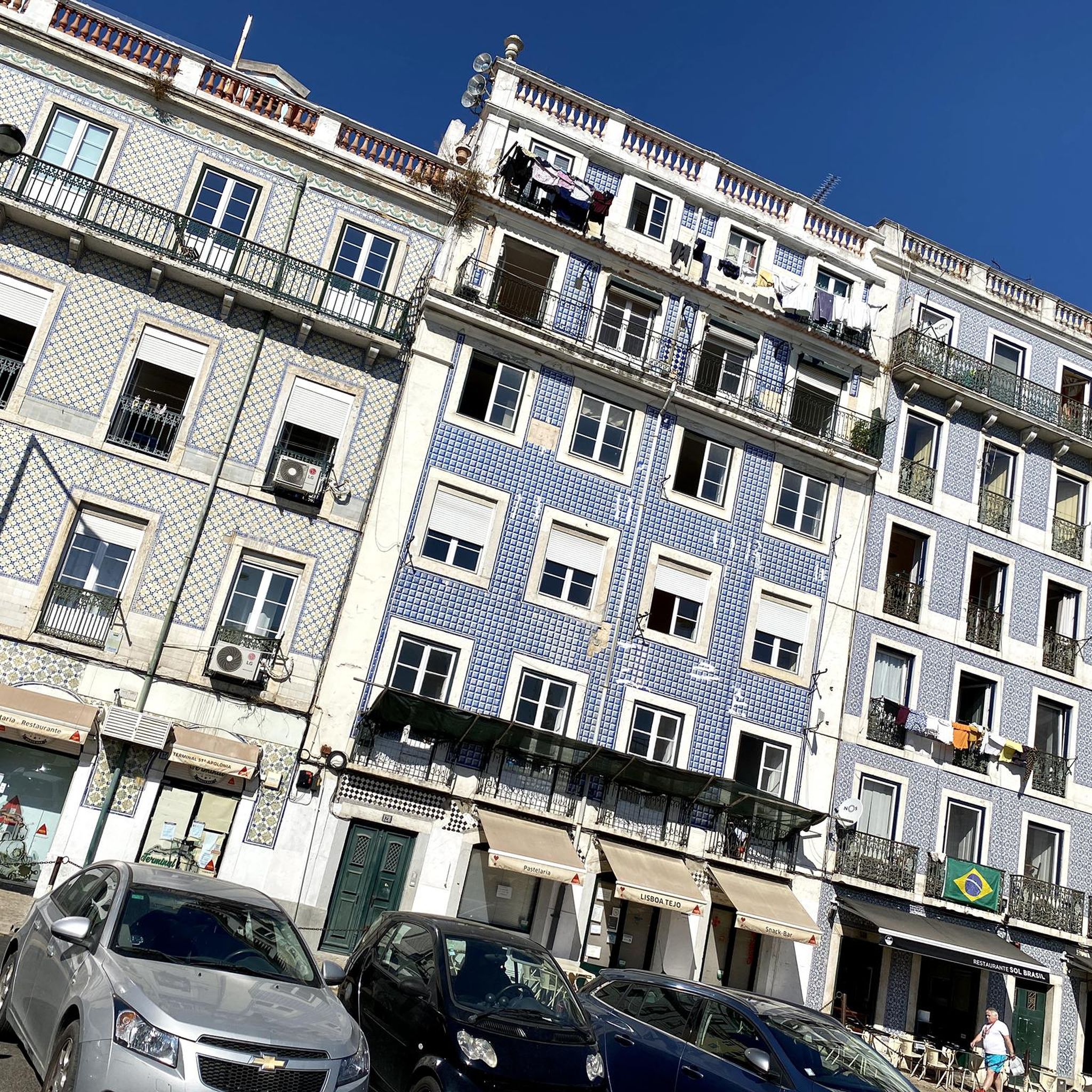
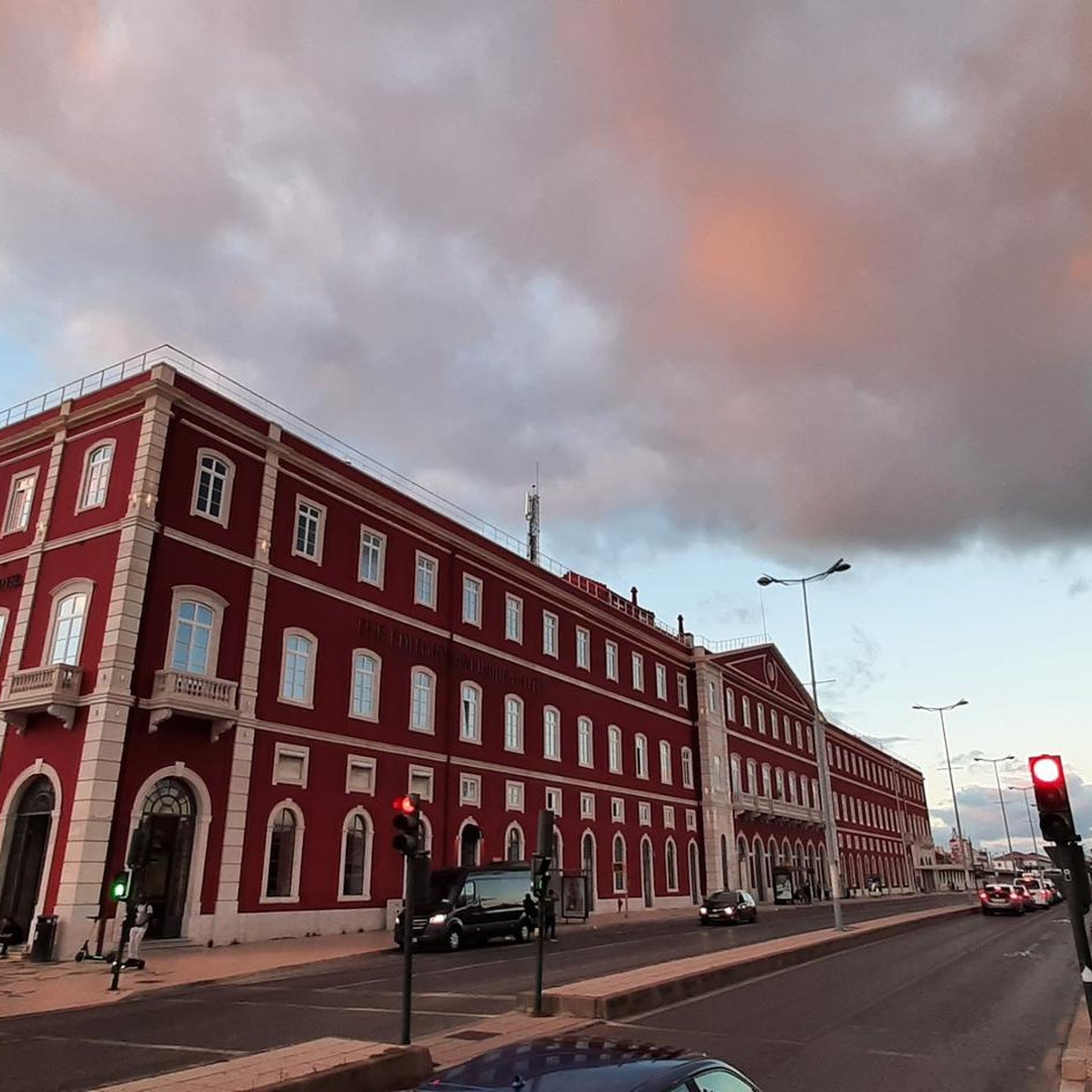
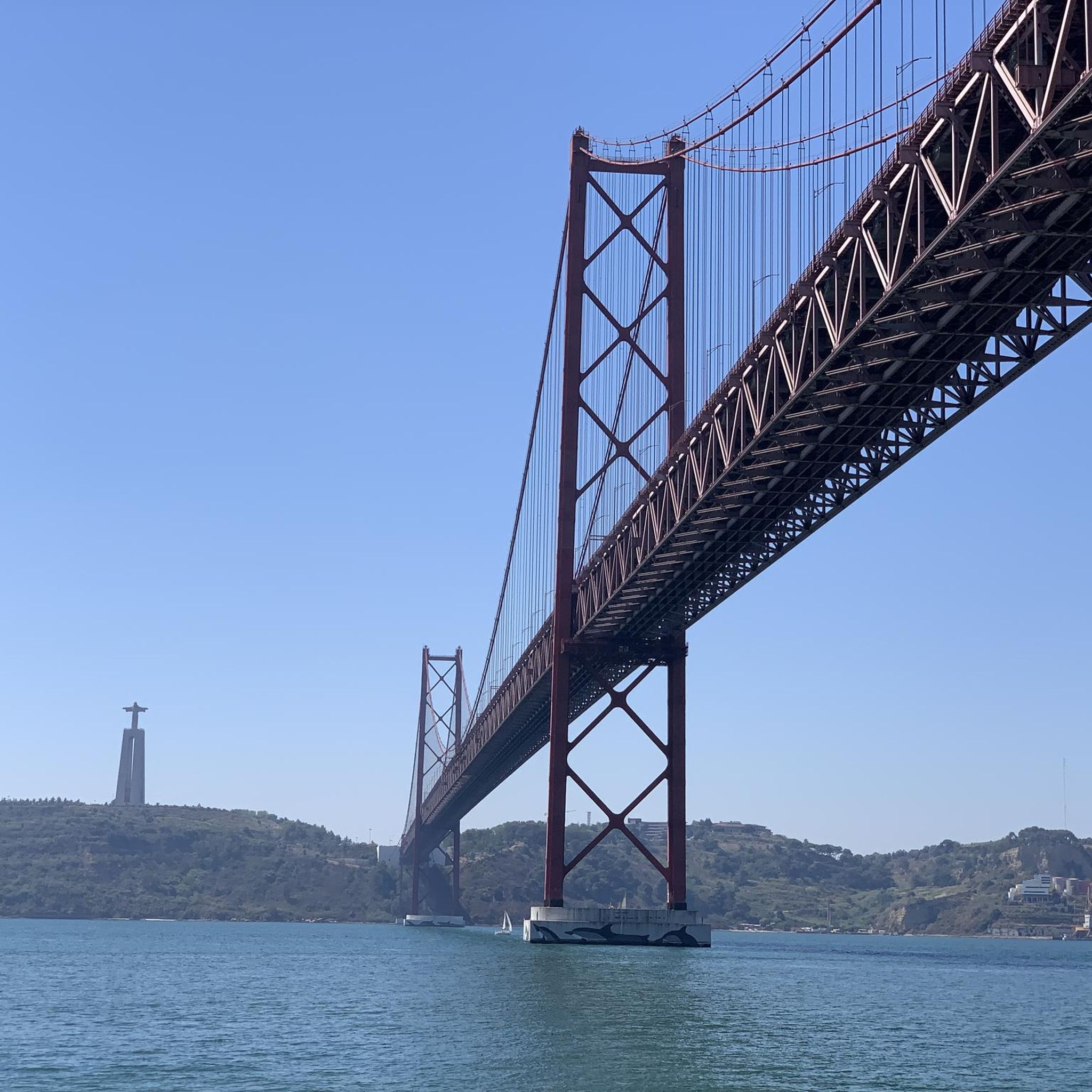
Tips from the Community

The Santa Justa Lift, also known as the Elevador do Carmo, is a historic elevator built in the early 20th century to connect the Baixa district with Largo do Carmo. It is one of the most photographed architectural icons in the city. Built between 1900 and 1902, it was designed by the engineer Raoul Mesnier de Ponsard, considered a disciple of Eiffel.
11
0

The Santa Luzia viewpoint offers a breathtaking view over the rooftops of Alfama, the Tagus River, and the passing ships. Under the arcades and between the azulejo tiles, you'll always find a shady spot to relax. Perfect for a short break with a panoramic view before descending back into the maze of narrow streets.
4
0
The Arco da Rua Augusta is one of Lisbon's most iconic monuments, located at the southern entrance to Rua Augusta, right on Praça do Comércio, facing the Tagus River. This majestic triumphal arch was built to commemorate the city's reconstruction after the 1755 earthquake.
18
1
The Santa Justa Elevator, also known as the Carmo Elevator, is one of Lisbon's most iconic monuments and a must-see experience for visitors. Opened in 1902, it was designed by engineer Raoul Mesnier de Ponsard, a disciple of Eiffel. It is the only vertical elevator in Lisbon, while others, such as the Glória and Bica, are funiculars.
17
0

A very special building!
17
0

The viewpoint offers stunning views of the city of Lisbon, the Tagus River, and São Jorge Castle. It's an ideal spot for taking photos, enjoying the sun, and relaxing. It's a must-see for anyone visiting Lisbon! The Santa Luzia Viewpoint is also known for its azulejos (tile panels) that adorn the walls, creating a unique and picturesque atmosphere.
8
0
Built in 1902 by engineer Raoul Mesnier de Ponsard, the elevator has a neo-Gothic iron structure and two wood-clad elevators. From the upper terrace, you can see iconic landmarks such as Praça do Comércio, São Jorge Castle and the Tagus River.
20
1
Praça do Comércio, also known as Terreiro do Paço, is one of the most important and emblematic squares in Lisbon. Located next to the Tagus River, this square has been a nerve centre of the city for centuries.
18
0
Frequently Asked Questions
What historical sites can I explore in Santa Engrácia?
The primary historical site is the National Pantheon, originally the Church of Santa Engrácia, a 17th-century Baroque monument. It serves as the final resting place for many revered Portuguese figures. Nearby, you can also visit the 16th-century Monastery of São Vicente de Fora and the ancient St. George's Castle, located on the highest hill in the Alfama neighborhood.
Are there any notable viewpoints in Santa Engrácia or nearby?
Yes, the dome of the National Pantheon offers panoramic 360-degree views of Lisbon and the Tagus River. Other excellent viewpoints in the vicinity include the Santa Luzia viewpoint and Miradouro das Portas do Sol, both offering stunning vistas over Alfama's rooftops. The View from the Rua Augusta Arch also provides a unique perspective of Praça do Comércio.
What unique cultural experiences are available in the Santa Engrácia area?
You can experience the vibrant Feira da Ladra, Lisbon's famous flea market, which takes place on Tuesdays and Saturdays right by the National Pantheon. Another unique experience is riding the Santa Justa Lift, a historic elevator connecting the Baixa Pombalina and Chiado neighborhoods, offering both transport and views.
Are there family-friendly attractions around Santa Engrácia?
Many attractions are suitable for families. The Santa Justa Lift is an exciting ride for all ages. Exploring the historic St. George's Castle with its ramparts and views is also popular with children. The View from the Rua Augusta Arch and Commerce Square are open, spacious areas where families can stroll and enjoy the city's atmosphere.
What outdoor activities or trails can I find near Santa Engrácia?
While Santa Engrácia itself is urban, there are several walking and cycling routes nearby. You can find easy hikes like the 'View from the Rua Augusta Arch – Baixa district loop' or the 'Miradouro da Senhora do Monte – Alfama District loop'. For more challenging options, consider moderate hiking routes such as the 'St. George's Castle – Santa Justa Lift loop'. Mountain biking trails are also available, including the 'Penedo Mill – Trilho Gigantone loop'. You can explore more options on the Hiking around Santa Engrácia and MTB Trails around Santa Engrácia guide pages.
What is the best way to get to the National Pantheon?
The National Pantheon is located in the former Santa Engrácia parish, within the Alfama district. The closest metro station is Santa Apolónia, which requires a short uphill walk to reach the Pantheon. Several bus lines also serve the area, making it accessible via public transport.
Are there any wheelchair-accessible attractions in Santa Engrácia?
The View from the Rua Augusta Arch and Commerce Square are generally wheelchair-accessible, offering flat surfaces for exploration. While the National Pantheon has elevators to access different levels, some older parts of the Alfama district, with its narrow, cobbled streets, may present challenges.
What are the architectural highlights of the National Pantheon?
The National Pantheon, designed by João Antunes, features an unusual 17th-century Baroque design in the form of a Greek cross. Its interior is renowned for stunning symmetrical design, undulating walls, elaborate Baroque ornamentation, and multicolored marble patterns. The large dome, added in the 20th century, is a prominent feature.
What do visitors enjoy most about the attractions near Santa Engrácia?
Visitors frequently praise the stunning panoramic views from various viewpoints, especially from the dome of the National Pantheon and the Santa Luzia viewpoint. The historical significance of sites like St. George's Castle and the unique experience of the Santa Justa Lift are also highly appreciated. The overall blend of history, culture, and scenic beauty makes the area a favorite.
Are there places to relax or have a break near the National Pantheon?
Yes, the Jardim Botto Machado, located directly facing the National Pantheon, offers a pleasant green space with a kiosk cafe where you can relax and enjoy a break. Commerce Square also has several restaurants and cafes, including Martinho da Arcada, the city's oldest.
Can I find any gardens or natural spaces in the Santa Engrácia area?
While Santa Engrácia is primarily an urban historical area, the Jardim Botto Machado provides a pleasant garden space right by the National Pantheon. The panoramic views from the Pantheon's dome and various viewpoints offer a beautiful perspective of the city's natural surroundings, including the Tagus River.
What is the historical significance of the National Pantheon?
The National Pantheon holds immense historical significance as the final resting place for many of Portugal's most revered modern figures, including presidents, writers like Almeida Garrett, and the iconic Fado singer Amália Rodrigues. It also houses cenotaphs for historical figures such as Henry the Navigator and Vasco da Gama, making it a tribute to Portuguese history and culture.
Most popular routes around Santa Engrácia
Most popular attractions around Santa Engrácia

Get inspired with the komoot mobile app


Explore more
Still not found the Highlight you’re looking for? See guides of the top attractions in other regions:
