Top 20 Natural Monuments around Waldfeucht
Best natural monuments around Waldfeucht showcase the municipality's serene natural landscape in North Rhine-Westphalia, Germany. The area is characterized by its wetland and forested nature, reflected in its historical name meaning "forest of the marsh." Key natural features include the Kitscher Bruch, known for its wetland environment and alder trees, and extensive orchards. These areas provide habitats for diverse flora and fauna, offering insights into the region's ecological value.
Best natural monuments around Waldfeucht
- The most popular natural monuments is De Meinweg National Park, a forest that features a diverse, hilly landscape with three distinct plateaus. This national park is home to various mammals, over 100 bird species, and a significant number of reptile and amphibian species.
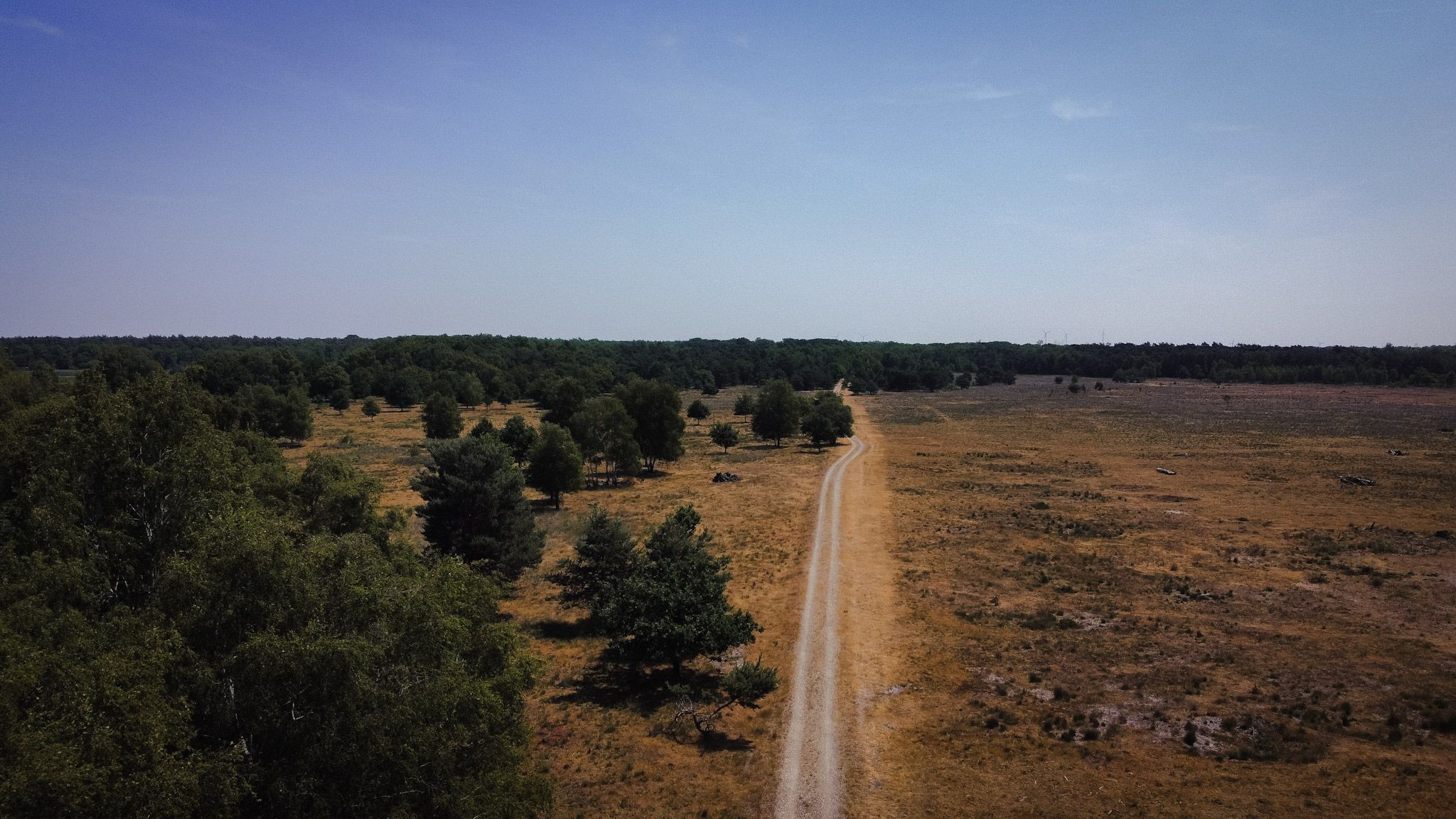
- Another must-see spot is Hetspid Cycle Path in De Meinweg National Park, a cycle_way with a solid surface. This path is suitable for all bikes and traverses an area historically used as common land by surrounding villages.
- Visitors also love Rolvennen, a collection of small ponds surrounded by wet vegetation. These fens, interspersed with birch, heath, and sand, are a photogenic location within De Meinweg National Park, populated by ducks, coots, and frogs.
- Waldfeucht is known for its forests, lakes, and cycle ways. The region offers a variety of natural monuments to see and explore, from wetland ecosystems to historical landscapes.
- The natural monuments around Waldfeucht are appreciated by the komoot community. Over 1400 upvotes and more than 1100 photos highlight the appeal of these natural attractions.
Last updated: June 26, 2026
Rolvennen
Highlight • Lake
Translated by Google •
Tip by

De Meinweg National Park
Highlight • Forest
Translated by Google •
Tip by

Sign up now to discover places like this
Get recommendations on the best single tracks, peaks, & plenty of other exciting outdoor places.
Sign up for free
Birgeler Primeval Forest
Highlight (Segment) • Forest
Definitely worth seeing!
The highlight is on the Traumweg Wildes Schaagbachtal hiking trail
and Birgeler Urwald.
Translated by Google •
Tip by

Hetspid Cycle Path in De Meinweg National Park
Highlight (Segment) • Cycleway
Translated by Google •
Tip by

Birgelener Pützchen (Birgelen Little Spring)
Highlight (Segment) • Forest
Translated by Google •
Tip by

Sign up for free to discover even more natural monuments around Waldfeucht.
Sign up for free
Already have an account?
Start today with a free account
Your next adventure awaits.
Login or Signup
Other adventures around Waldfeucht

Tips from the Community

The path is perfect to drive, with a solid surface and I think it can be ridden by all bikes.
19
0

Between 1954 and 1962, the Beatrix State Mine was constructed in the area, after the completion of two shafts, all activities were discontinued. The area was designated a nature reserve in 1990 by the then Minister of Agriculture, Nature Management and Fisheries. The area was in common ownership and use of the surrounding 14 villages. This communal character also gave the area its name: "mein" means communal. Part of the area was oak coppice forest. For the mining industry, many pine trees have been planted for support wood. Because of this and due to desiccation, the heath and the present raised bogs were increasingly displaced.
19
0
Various species of mammals can be found in this area, including wild boar, fox, polecat, stone marten, roe deer and stoat. 110 species of birds have been observed, including cranes on a regular basis, and at least 60 species of birds have bred in this area. The Meinweg is very well-known for its large number of reptile and amphibian species. The reptiles in the area are: adder, smooth snake, sand lizard, viviparous lizard and slow worm. The more or less rare amphibians are pool frog, moor frog, garlic toad, natterjack toad, alpine newt, crested newt and palmate newt; the rarest species, the garlic toad, has declined considerably.
21
0


Perfect bike path through beautiful nature.
10
0

The national park is about 8 km south-east of Roermond. The natural area extends to Germany. In the beautiful area there are great cycling and hiking trails.
15
0
In the heart of the province of Limburg lies a beautiful hilly landscape. The diversity of nature is particularly surprising in the national park "De Meinweg" east of Roermond. "De Meinweg" is characterized by a so-called terraced landscape. This means that there are three plateaus, the highest of which is 80 meters above sea level. The hilly landscape was largely formed by sediment deposited along the Rhine and Meuse over the centuries, but earthquakes have also played their part.
31
0
De MeinWeg is a beautiful nature reserve on the one hand and a beautiful region for cycling on the other.
19
2
Frequently Asked Questions
What kind of natural landscapes can I expect to see around Waldfeucht?
Waldfeucht is characterized by its serene natural landscape, particularly its wetland and forested areas. The name itself, meaning 'forest of the marsh,' reflects this. You'll find extensive natural areas like the Kitscher Bruch, known for its wetland environment and alder trees, and significant orchards. These areas provide rich habitats for diverse flora and fauna.
Are there family-friendly natural attractions in Waldfeucht?
Yes, Waldfeucht offers several family-friendly natural attractions. The De Meinweg National Park and the Birgeler Primeval Forest are both great for families. Additionally, the Waldmärchenpfad Haaren within the Kitscher Bruch is specifically designed for children, featuring an educational beekeeper's path, a barefoot path, and interactive stations that tell a fairy tale about local nature. You can find more information about the Waldmärchenpfad Haaren here.
What unique natural features can be found in the Kitscher Bruch area?
The Kitscher Bruch is a significant natural area characterized by its wetland environment. It's home to a large number of alder trees, which are vital for binding nitrogen. This area is part of the 'Naturschutzgebiet Kitscher Bruch/Kirchhover Bruch' (Nature Reserve). The Waldmärchenpfad Haaren within the Bruch highlights the local flora and fauna, including the importance of deadwood as a habitat for insects and birds.
What is the best time of year to visit the natural monuments around Waldfeucht?
Spring is a particularly attractive time to visit, especially to see the extensive orchards in bloom, which offer picturesque natural scenery. However, the forested and wetland areas like the Kitscher Bruch and De Meinweg National Park are beautiful year-round, each season offering a different experience of the landscape.
Are there any historical or cultural sites integrated with the natural monuments?
Yes, some natural areas also have historical significance. For example, the Birgelener Pützchen (Birgelen Little Spring) is a small pilgrimage chapel located within a forest, offering a blend of nature and history. The Hetspid Cycle Path in De Meinweg National Park traverses an area historically used as common land by surrounding villages, with its layout still reflecting this past.
What kind of wildlife can I spot in the natural areas of Waldfeucht?
The diverse ecosystems around Waldfeucht support a variety of wildlife. In De Meinweg National Park, you might encounter wild boar, fox, roe deer, and over 100 bird species, including cranes. The park is also known for its significant number of reptile and amphibian species, such as adders, sand lizards, and various newts. The orchards provide crucial habitats and hunting grounds for species like the Little Owl.
Are there cycling routes that pass through the natural monuments?
Absolutely. The region offers several cycling opportunities. The Hetspid Cycle Path in De Meinweg National Park is a popular route with a solid surface, suitable for all bikes, taking you through a historically significant natural area. For more cycling options, you can explore the Road Cycling Routes around Waldfeucht guide.
What are the Rolvennen and why are they worth visiting?
The Rolvennen are a collection of small ponds surrounded by wet vegetation within De Meinweg National Park. These fens, interspersed with birch, heath, and sand, create a beautiful and photogenic landscape. They are populated by ducks, coots, and frogs, and you can often see water lilies, making them a tranquil spot for nature observation.
Are there hiking trails suitable for beginners or short walks near Waldfeucht's natural areas?
Yes, there are many options for easy hikes and short walks. The Waldmärchenpfad Haaren, for instance, is a roughly 3.7 to 4-kilometer circular trail, perfect for a leisurely stroll. For more choices, the Easy hikes around Waldfeucht guide lists several routes, including loops from Haaren that are suitable for beginners.
What makes the orchards in Waldfeucht special?
Waldfeucht is known for having some of the most significant extensive orchards in the Heinsberg district. These orchards primarily feature apple and pear trees, alongside cherry and plum trees. They are not just beautiful, especially when blooming in spring, but also ecologically valuable, providing crucial habitats and ideal hunting grounds for various animal and plant species, including the Little Owl.
What kind of running trails are available near the natural monuments?
If you enjoy running, there are several trails available. You can find moderate running routes like the 'Tunnel Path – Trail Met Sprongen loop from Haaren' or the 'Forest Edge Path loop from Haaren'. For a comprehensive list of options, check out the Running Trails around Waldfeucht guide.
Is there parking available at the natural monuments?
Yes, for larger natural areas like De Meinweg National Park, parking facilities are available. For specific smaller locations or trailheads, it's always advisable to check local signage or trail descriptions for designated parking areas.
Most popular routes around Waldfeucht
Most popular attractions around Waldfeucht

Get inspired with the komoot mobile app


Explore more
Extend your search for the best caves by checking out these guides of the top ones around Waldfeucht:
