Top 20 Lakes around Hückelhoven
Best lakes around Hückelhoven offer diverse recreational opportunities within a landscape shaped by former gravel pits and natural wetlands. The region, situated directly on the Rur river, features significant natural and recreational areas. Visitors can explore a variety of lake environments, from designated swimming areas to protected ecological zones. These lakes provide settings for nature observation, walking, cycling, and water sports.
Best lakes around Hückelhoven
- The most popular lakes is Saint Ludwig Boardwalk – De Meinweg, a trail that…
Last updated: October 4, 2026
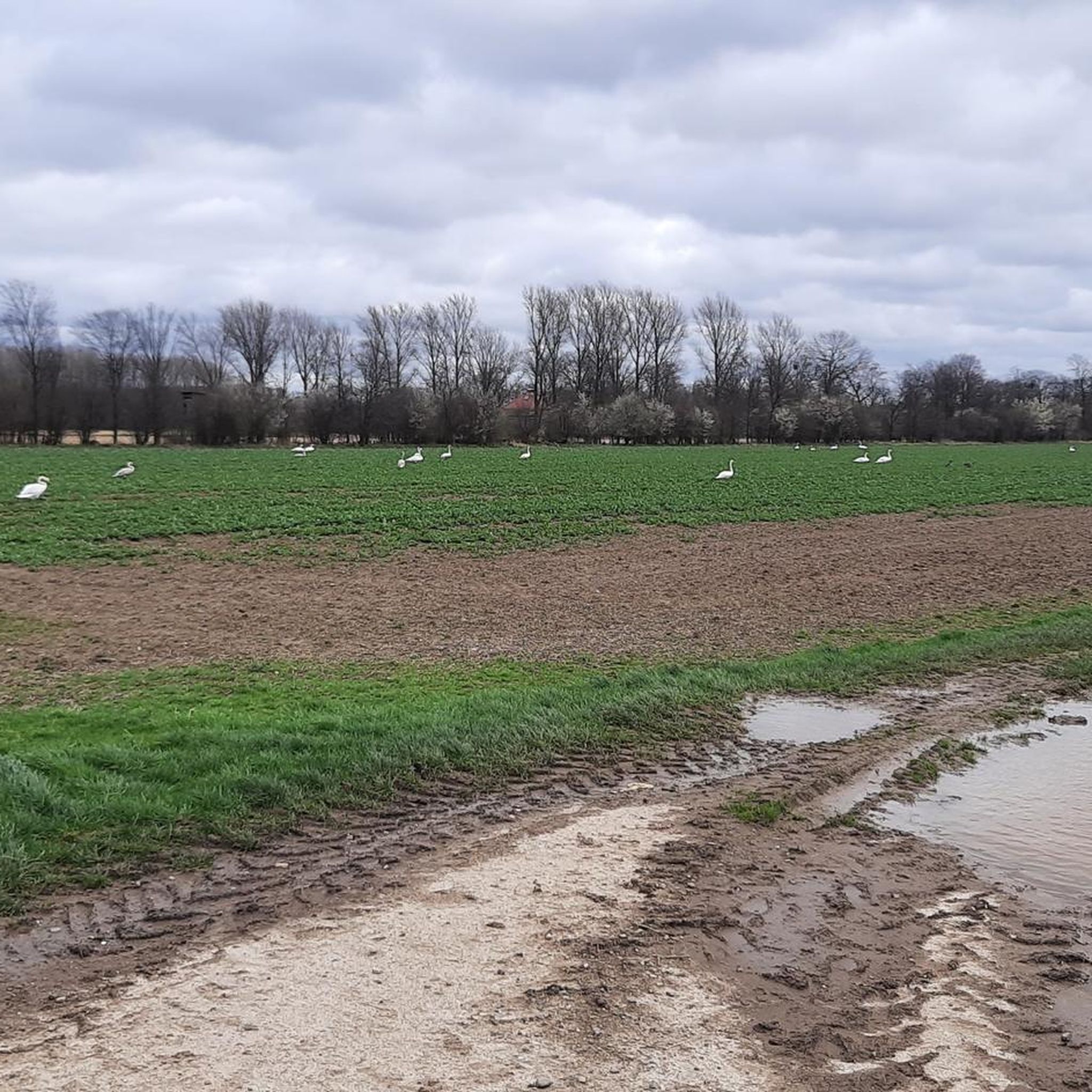
Beaver wetland in the Schaagbach Valley
Highlight • Natural
Translated by Google •
Tip by

Lake Holtmühle
Highlight • Lake
Translated by Google •
Tip by

Sign up now to discover places like this
Get recommendations on the best single tracks, peaks, & plenty of other exciting outdoor places.
Dalheim Mill
Highlight • Monument
Translated by Google •
Tip by

Saint Ludwig Boardwalk – De Meinweg
Highlight (Segment) • Trail
Translated by Google •
Tip by

Tüschenbroich Castle
Highlight • Castle
Translated by Google •
Tip by

Sign up for free to discover even more lakes around Hückelhoven.
Already have an account?
Start today with a free account
Your next adventure awaits.


Tips from the Community

The tree in the middle of the lake and the boats on the shore are particularly idyllic.
13
1

There was no room available today
6
0

The historical nucleus was the motte, now overgrown with trees, located in the middle of the mill pond. This motte, Tüschenbroich (an archaeological site on an island in the middle of the castle pond, probably separated from the mainland by a moat), was built as a moated castle and first mentioned in documents in 1172 as Thuschinbroc. The buildings burned down during the Thirty Years' War. Tüschenbroich belonged to Wassenberg and later to the Duchy of Jülich. In 1624, Franz von Spiering bought the war-damaged Tüschenbroich for 24,200 Reichstalers. He had the complex rebuilt as a baroque palace complex made of brick. The "Codex Welser," an illustrated inventory of all knightly fiefdoms in the Duchy of Jülich, shows both the main castle island and the outer bailey, parts of which are still preserved today, which later (after being destroyed) became the main castle. Tüschenbroich Castle seen from the motte. The castle was repaired in 1876 after being severely damaged in a storm. Tüschenbroich Castle is now privately owned.
7
0

The Tüschenbroicher Castle is located on the site of a former medieval fortification, a so-called moth. Tüschenbroich Castle in its current form dates from the 17th and 18th centuries. After the property was acquired by Franz Freiherr von Spiering, he had the former outer bailey converted into a palace according to his plans, which is now privately owned and can only be visited by appointment. The castle complex also includes a historic oil mill from the 18th century and a former grain mill, which is located on the opposite bank of the castle pond and now houses a restaurant. Also worth seeing is the baroque Ulrichskapelle, which is located in the Tüschenbroicher Forest and was built in the 17th century. The area around the castle with the local recreation area Tüschenbroicher Wald is a popular destination today. Whether cyclists, hikers or families in summer, everyone will find relaxation from the hustle and bustle of the big city. Source: https://kuhpfad.de/niederrhein-historische-bauwerke/burgen-schloesser-herrenhaeuser/wegberg-schloss-tueschenbroich/
8
1
The historical nucleus was the Motte, which is now overgrown by trees and located in the middle of the Mühlweiher. This motte Tüschenbroich (ground monument on an island in the middle of the castle pond, probably separated from the mainland by a ditch) was built as a moated castle and was first mentioned in documents in 1172 as Thuschinbroc. The buildings burned down during the Thirty Years' War. Tüschenbroich belonged to Wassenberg and later to the Duchy of Jülich. In 1624, Franz von Spiering bought Tüschenbroich, which had been destroyed in the war, for 24,200 Reichstaler. He had the complex rebuilt as a baroque palace complex in brick construction. The "Codex Welser", an illustrated inventory of all knightly fiefdoms in the Duchy of Jülich, from 1720 shows both the main castle island and the outer bailey complex, which is still partially preserved today and later mutated into the main castle after being destroyed.
8
1
This parking lot can serve as a starting point for beautiful hikes and bike rides. A fishing park is also nearby.
13
0
The first documented mention reports a sale of the Dalheim mill with its pond and land in 1231 by Heinrich Herr zu Helpenstein to the Cistercian convent in Ophoven. In 1258 the monastery also moved to the neighboring monastery courtyard in Dalheim. In 1775, the last Dalheim abbess, Maria Anna von Oyen, had the current mill building built after a fire. The coat of arms attached to a granite plaque above the entrance to the mill is a reminder of this. In the monastery mill, which was not a ban mill, there was a grinding mill for grain and an oil press. After the monastery was dissolved in 1802, the mill was privatized.
10
0
Frequently Asked Questions
Which lakes near Hückelhoven are best for swimming?
For designated swimming, Kapbuschsee (Natural Swimming Lake Kapbusch) is highly popular, featuring a spacious swimming area, a sandy shoreline, and family-friendly amenities like a water island and slides. Lago Laprello in Heinsberg also has a sand beach and a designated swimming area, though swimming is at your own risk without lifeguard supervision. Additionally, Effelder Waldsee offers Amici Beach with high water quality and an aquapark, and Barmener See provides a quieter bathing beach where swimming is permitted in designated areas.
Are there lakes suitable for nature observation and tranquil walks?
Yes, Adolfosee in Ratheim is a significant natural and recreational area, ideal for nature observation and birdwatching. It's a landscape protection area and an important resting place for migratory birds. A circular path along the lake is popular for walking and cycling. The Beaver wetland in the Schaagbach Valley is another excellent spot, characterized by a species-rich wetland with several natural streams, offering scenic walking opportunities.
What activities are available for families at the lakes?
Kapbuschsee is particularly family-friendly, offering a water island, climbing frame, volleyball court, and modern water play attractions like slides. Effelder Waldsee at Amici Beach also caters to all age groups with a spectacular aquapark, sunbathing lawns, and recreational spaces. The Saint Ludwig Boardwalk – De Meinweg offers a unique 'jungle expedition' experience through a peat forest on a wide wooden walkway, which can be fun for families, though dogs are not allowed on the boardwalks.
Can I go cycling or walking around the lakes?
Many lakes offer excellent opportunities for cycling and walking. Adolfosee has a circular path that is part of the Rur cycle path. Lago Laprello also features a wide circular path popular with cyclists and walkers. For more extensive cycling routes, you can explore options like the 'Rur River in the Obere Ruraue Nature Reserve – Adolfosee loop' which is an easy route, or other moderate routes found in the Cycling around Hückelhoven guide.
Are there any historical sites near the lakes?
Yes, the area combines natural beauty with history. Near some lakes, you can find historical landmarks such as Tüschenbroich Castle, which is an ensemble of a castle, restaurant, and a medieval motte by a mill pond. Additionally, the Dalheim Mill, one of the oldest watermills in the region dating back to 1231, is located in a beautiful setting near a lake and forest.
What water sports can be done at the lakes?
Adolfosee allows for fishing, diving, sailing, and windsurfing under specific conditions, often requiring club membership or day permits for fishing. Lago Laprello offers pedal boat rentals. Effelder Waldsee is a hub for water sports, featuring a wakeboard cable park and diving opportunities due to its diverse underwater world.
Are there cafes or restaurants near the lakes?
Yes, several lakes offer gastronomic options. Kapbuschsee has a kiosk providing food, drinks, and ice cream. At Lago Laprello, the boathouse includes a cafe with a winter garden and outdoor terrace. The Tüschenbroich Castle ensemble also includes a restaurant. The Dalheim Mill has a terrace where you can relax.
What is the best time of year to visit the lakes around Hückelhoven?
The summer season, typically from mid-May to late August, is ideal for visiting lakes like Kapbuschsee due to its open swimming area and family-friendly amenities. However, lakes like Adolfosee and Lago Laprello with their walking and cycling paths are enjoyable year-round for nature observation and outdoor activities. The region's natural beauty makes it appealing in spring and autumn as well.
Are there any mountain biking trails near the lakes?
Yes, the region offers various mountain biking opportunities. For example, you can find trails like the 'Dalheim Mill – Flow trail with roots loop from Hückelhoven' which is a moderate route. More options are available in the MTB Trails around Hückelhoven guide.
What makes Lake Holtmühle a unique spot?
Lake Holtmühle is described as a small, beautiful lake away from busy cycle routes, making it a little-known gem for those seeking tranquility. It's an idyllic spot that may have historical connections to an oil and grain mill dating back to 1397.
Where can I find more information about Adolfosee and Lago Laprello?
For more details on Adolfosee, you can visit the Niederrhein Tourismus website: Adolfosee in Hückelhoven-Ratheim. For Lago Laprello, further information is available here: Der Lago Laprello in Heinsberg.
Most popular routes around Hückelhoven
Most popular attractions around Hückelhoven

Get inspired with the komoot mobile app


Explore more
Still not found your perfect lake around Hückelhoven? Check out the guides of these regions to see even more beautiful places.
