The best walks and hikes around Sobral Da Abelheira
4.4
(377)
2,259
hikers
99
hikes
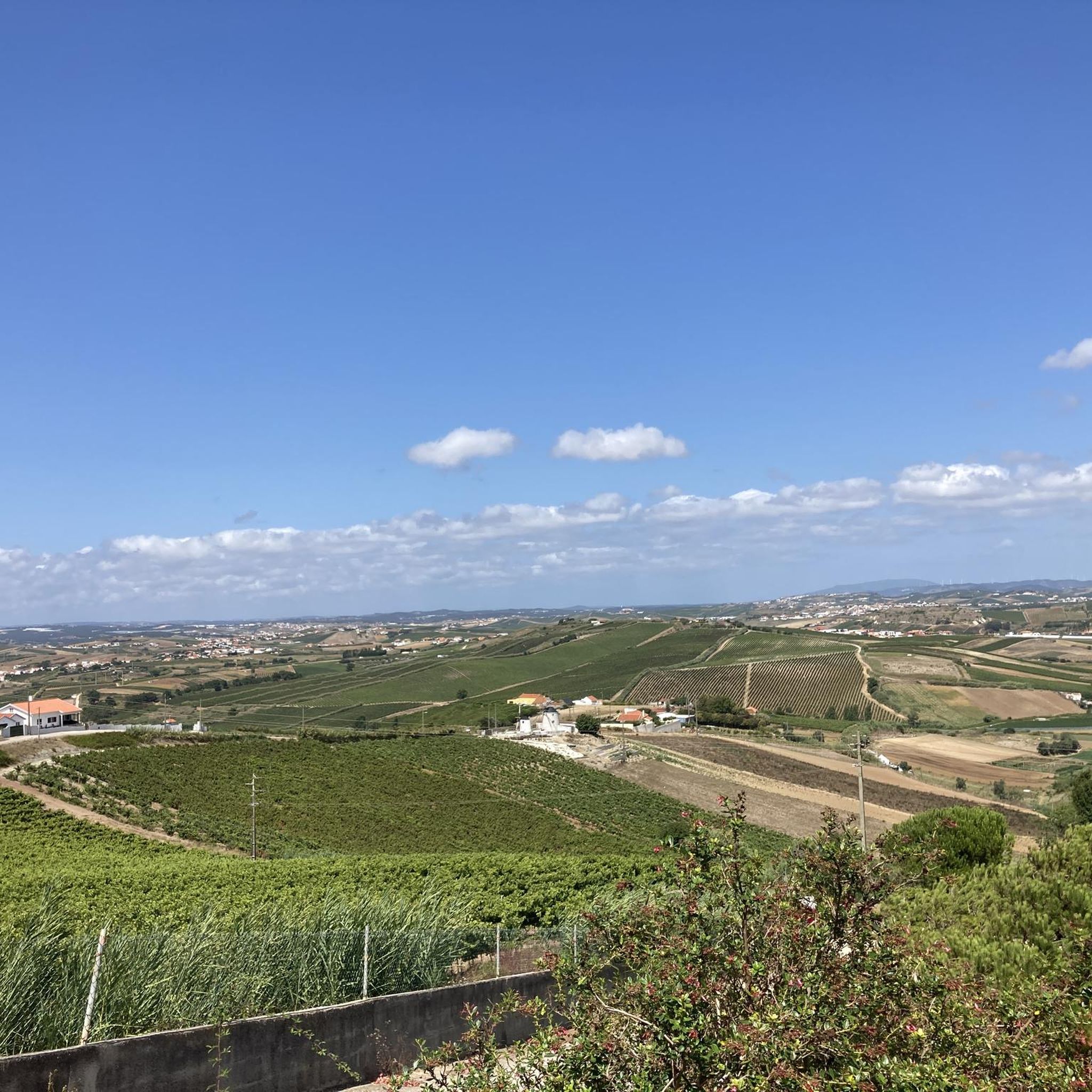
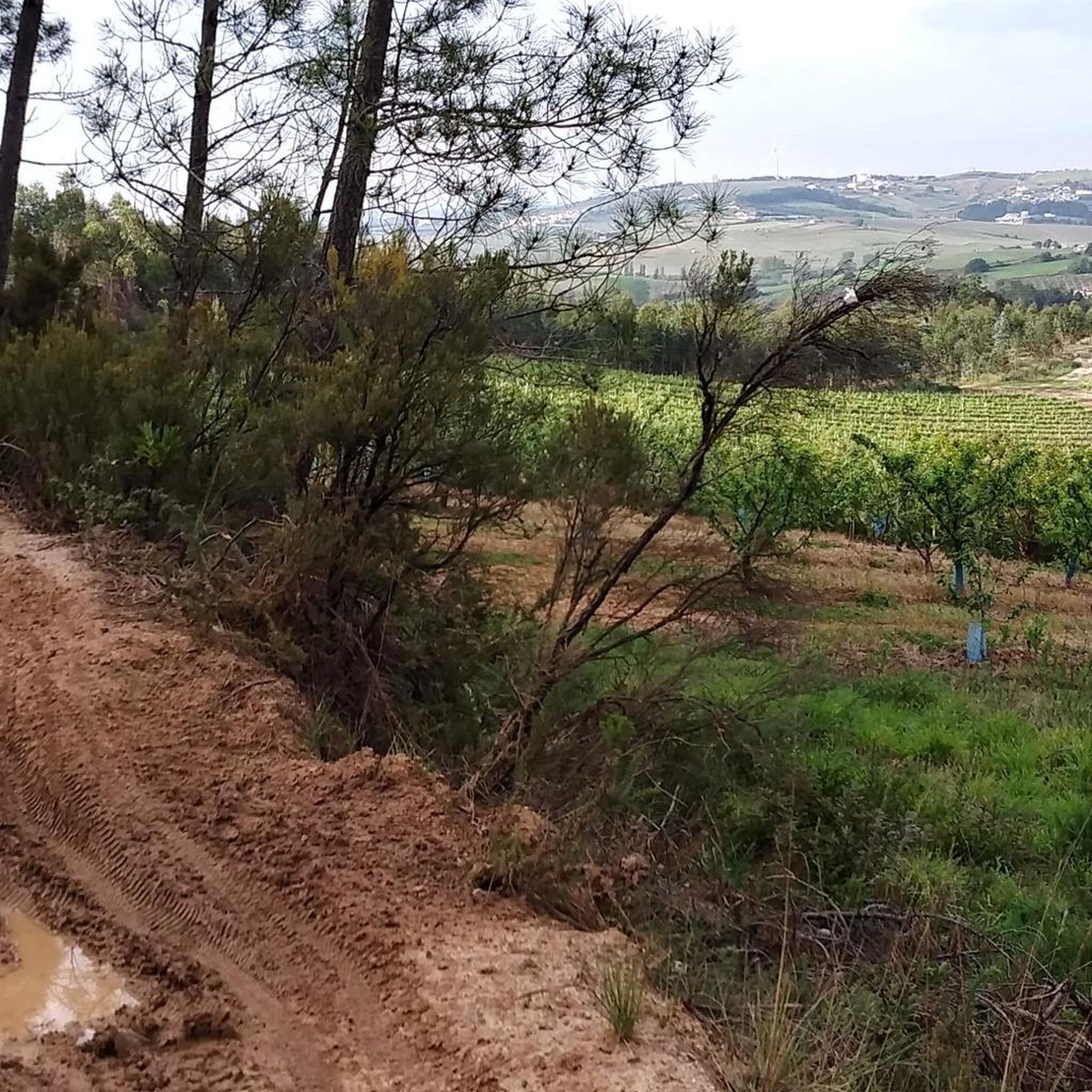
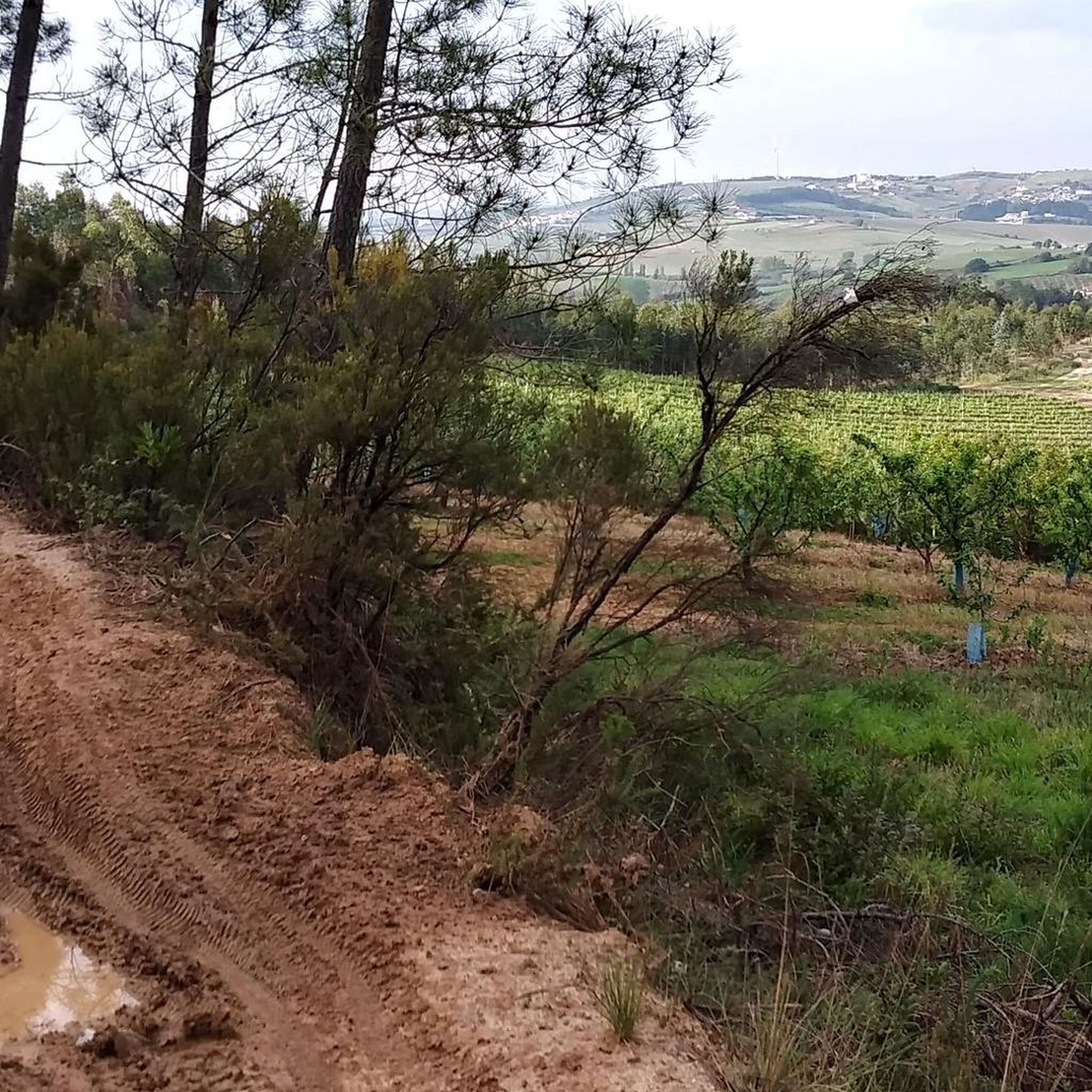
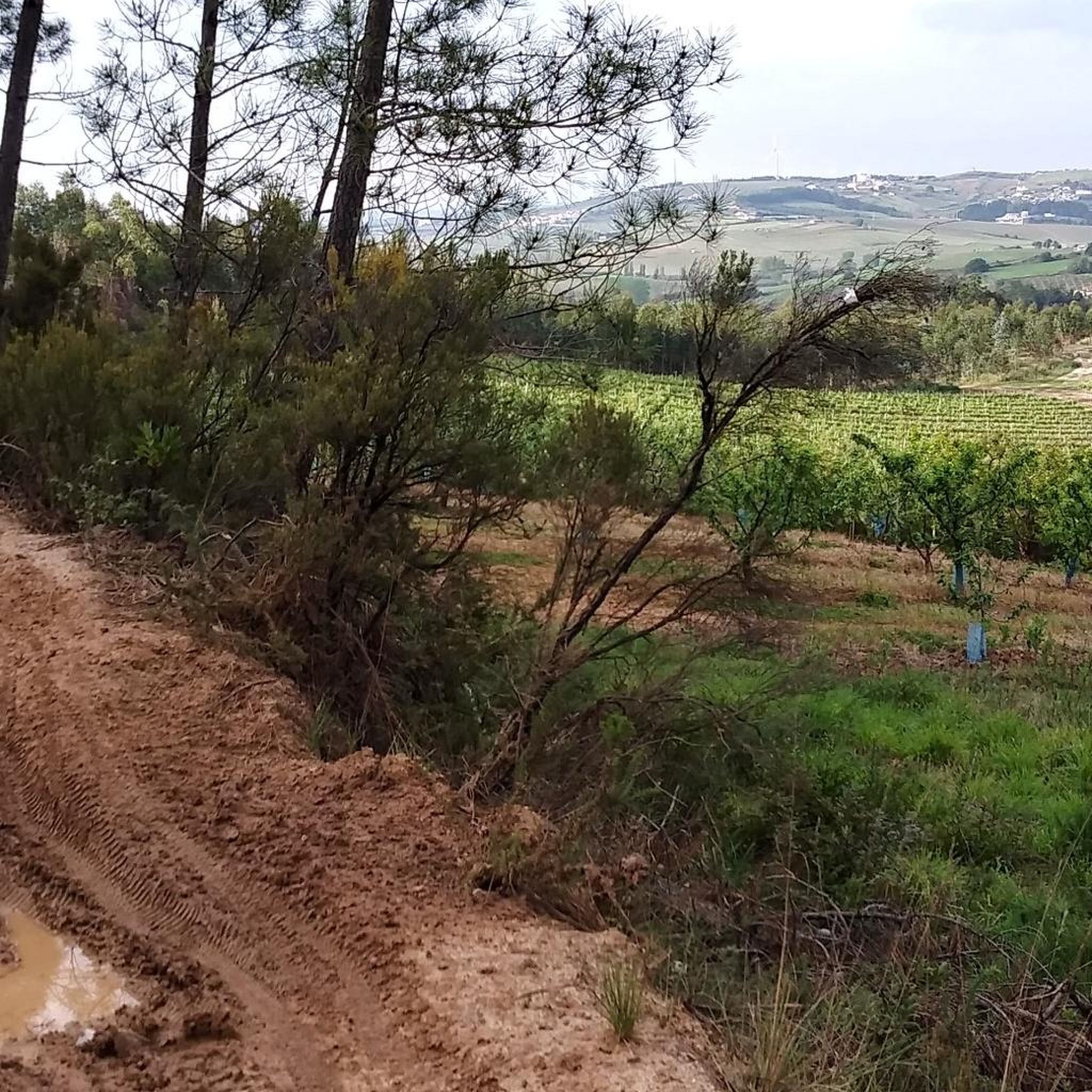
Hiking around Sobral Da Abelheira offers diverse terrain characterized by an accidented geography with both ascents and descents. The region features extensive agricultural lands, including orchards, alongside varied natural environments with pines, oaks, and eucalyptus trees. Traditional terraced properties and old windmills add to the rural charm, while the area integrates a significant part of the Tapada Nacional de Mafra.
Best hiking trails around Sobral Da Abelheira
- The most popular hiking route is Tojeira (Green) Trail, a 5.3 miles…
Last updated: October 10, 2026
4.6
(20)
138
hikers
8.58km
02:25
180m
180m
Moderate hike. Good fitness required. Easily-accessible paths. Suitable for all skill levels.
4.6
(10)
48
hikers
8.31km
02:18
140m
140m
Moderate hike. Good fitness required. Easily-accessible paths. Suitable for all skill levels.

4.2
(10)
83
hikers
4.39km
01:09
40m
40m
Easy hike. Great for any fitness level. Easily-accessible paths. Suitable for all skill levels.
4.3
(7)
38
hikers
7.91km
02:15
180m
180m
Moderate hike. Good fitness required. Easily-accessible paths. Suitable for all skill levels.
3.65km
01:01
70m
60m
Easy hike. Great for any fitness level. Easily-accessible paths. Suitable for all skill levels.
Get access to more routes and recommendations from other explorers.
Already have an account?
Our route recommendations are based on thousands of hikes, rides, and runs completed by other people on komoot.
Start today with a free account
Your next adventure awaits.

Tips from the Community

The National Palace of Mafra, located in the town of Mafra, Portugal, is a monumental complex that includes a palace, a convent, a basilica, and the Tapada de Mafra (hunting grounds). Construction began in 1717, commissioned by King John V of Portugal in fulfillment of a vow for the succession of his wife, and it is the most important monument of Portuguese Baroque. Since 2019, the Palace has been a UNESCO World Heritage Site.
2
0

Baroque architectural complex comprising a Palace, a Basilica and a Convent, together with gardens and a vast Tapada, forming a historical heritage complex covering over 1,200 hectares, inscribed on the UNESCO World Heritage List in 2019. Built by order of King João V in fulfilment of a succession vow, Mafra Palace is one of the most important Baroque monuments in Portugal and one of the largest in Europe, occupying a construction area of 38,000 m2, with around 1,200 rooms, 5,200 doors and windows and 156 staircases. UNESCO has recognised this monument as a feat of architecture, engineering and human genius. Based on designs by Filippo Juvarra, its final design was carried out by the German Johann Friedrich Ludwig (João Frederico Ludovice) and construction was led by the kingdom's chief engineer, Custódio Vieira. The first stone was laid on 17 November 1717 and the Basilica was consecrated on 22 October 1730. The Basilica, inspired by the great churches of Rome, has one of the most significant collections of Italian sculpture of its time, with 58 statues, a large crucifix with archangels in adoration and three high reliefs, as well as an important collection of paintings, representing some of the most famous painters active in Italy and France in the early 1730s. The collection of vestments and liturgical implements is also very significant, due to its quality and rarity. The Palace Library is one of the most iconic spaces in the monument. With a refined selection of around 30,000 volumes, it is one of the exponents of Enlightenment knowledge representative of the court culture of the first half of the 18th century. Also noteworthy is the bell ringing ensemble, with 120 bells, which include two of the largest carillons of the 18th century, cast in Antwerp and Liège in the workshops of Willem Witlockx and Nicolas Levache, respectively. The bells are accompanied by two clocks dating from the first half of the 18th century, as well as four automatons for automatic music. Inside the Basilica is a set of pipe organs, unique in the world, consisting of six instruments designed to play together, built between 1792 and 1807 by the Portuguese organ builders António Machado e Cerveira and Joaquim Peres Fontanes. The Mafra Palace has been a member of the Association of European Royal Residences since 2009.
5
0

Mafra is a UNESCO World Heritage Site. The palace is always worth a trip to see it, to tour the rooms, visit the church and enjoy a Galao and a Tosta Mista in the café directly opposite. This stop is a highlight for all cyclists on the various tours around Mafra.
2
0

When you reach the last roundabout and see this building for the first time, you are deeply impressed by how big the palace is. A must see if you are in this area.
17
3

Huge, impressive castle with monastery, hospital, cathedral and impressive library. Surprisingly little visited.
7
3

You can hike, drive through the park in an electric car or take a carriage ride. Advance reservation is advisable.
4
3
If you love Portugal, you of course have to visit this palace. Gigantic doesn't really describe the dimensions. The building towers over everything in the area and cannot be missed from a distance
5
6

The Jardim do Cerco, in Mafra, is a baroque example, famous for its water mirrors, paths and leafy trees (including a century-old daughter-in-law) and the Horta dos Frades. With 8 hectares, it has everything from waterfalls to medicinal plants. It is adjacent to the Mafra National Palace; right behind, more precisely. In 2019, the park became a UNESCO World Heritage Site.
4
0
Frequently Asked Questions
How many hiking trails are available in Sobral da Abelheira?
Sobral da Abelheira offers a wide variety of hiking experiences, with over 100 trails to explore. These routes cater to different preferences, including 41 easy, 39 moderate, and 22 difficult options.
What makes hiking in Sobral da Abelheira unique?
The region is characterized by its 'accidented geography' with engaging ascents and descents, winding through rural paths of great beauty. You'll encounter extensive agricultural lands, including citrus and pear orchards, diverse forests of pines, oaks, and eucalyptus, and traditional terraced properties. The presence of old windmills and its integration with a significant part of the Tapada Nacional de Mafra further enhance its unique charm.
What are the general trail conditions and terrain like in Sobral da Abelheira?
The trails in Sobral da Abelheira feature varied terrain, from rural paths through agricultural fields to forested areas. The geography is described as 'accidented,' meaning you can expect both ascents and descents, providing engaging challenges. Surfaces can vary, but generally, you'll find natural paths suitable for hiking.
What do other hikers say about the trails in Sobral da Abelheira?
The hiking trails in Sobral da Abelheira are highly regarded by the komoot community, boasting an average rating of 4.5 stars from over 270 reviews. Hikers often praise the varied rural landscapes, the quiet woodlands, and the well-maintained paths that offer a true immersion in authentic Portuguese scenery.
Are there easy hiking trails suitable for beginners or families in Sobral da Abelheira?
Yes, Sobral da Abelheira offers 41 easy hiking trails perfect for beginners or families. A great option is the Ribeirinho (Azul) trail in Tapada de Mafra, which is 2.7 miles (4.4 km) long and typically takes about 1 hour 9 minutes to complete, offering a gentle introduction to the area's natural beauty.
Are there any circular hiking routes in Sobral da Abelheira?
Many of the trails in Sobral da Abelheira are designed as circular routes, allowing you to start and end at the same point. For instance, the Cerco Garden Loop is an easy 2.3-mile (3.6 km) circular hike that takes you through pleasant surroundings.
Can I bring my dog on the hiking trails in Sobral da Abelheira?
While many rural paths in Sobral da Abelheira are generally dog-friendly, it's always advisable to keep your dog on a leash, especially when passing through agricultural areas or near livestock. Specific regulations might apply within the Tapada Nacional de Mafra, so check local signage.
What are some interesting landmarks or natural attractions to see along the trails?
As you hike, you can discover several points of interest. The area integrates a significant part of the Tapada Nacional de Mafra, a national hunting park. You might also encounter old windmills, which are an integral part of the region's charm. For a pleasant stroll, consider visiting the Cerco Garden.
Where can I find parking for the hiking trails in Sobral da Abelheira?
Parking is generally available at the start points of many trails, especially near popular routes or villages. For trails within the Tapada Nacional de Mafra, designated parking areas are usually provided. It's recommended to check specific route details for precise parking information.
What is the best time of year to hike in Sobral da Abelheira?
The region experiences a Mediterranean climate, making spring (March to May) and autumn (September to November) ideal for hiking. During these seasons, the weather is typically mild and pleasant, with comfortable temperatures and less rainfall, allowing for enjoyable exploration of the diverse landscapes.
Are there any trails that offer good viewpoints in Sobral da Abelheira?
Given the 'accidented geography' and hillside location overlooking a primary watercourse, many trails naturally offer scenic viewpoints across the rural landscapes, agricultural fields, and forested areas. While not a trail itself, the Foz do Lizandro Beach Viewpoint is a notable nearby attraction offering expansive views.
Are there any cafes or restaurants near the hiking trails in Sobral da Abelheira?
Sobral da Abelheira is a rural locality, so while you might not find cafes directly on every trail, there are local establishments in the village and surrounding areas where you can find refreshments and meals. It's a good idea to carry water and snacks, especially on longer hikes.
What is a good moderate trail to experience the diverse landscapes of the region?
The Tojeira (Green) Trail is an excellent moderate option. This 5.3-mile (8.6 km) route takes about 2 hours 25 minutes and navigates through varied rural landscapes, showcasing the agricultural lands and natural beauty characteristic of Sobral da Abelheira.
Most popular routes around Sobral Da Abelheira
Most popular attractions around Sobral Da Abelheira

Get inspired with the komoot mobile app


Explore more
Browse the best Hikes in other regions.
