The best walks and hikes around Famões
4.6
(1045)
11,201
hikers
214
hikes
Hiking around Famões serves as a strategic starting point for exploring diverse natural areas within the wider Lisbon region. The area provides access to urban green spaces like Monsanto Forest Park and Parque da Quinta das Conchas e dos Lilazes, characterized by varied forest landscapes, well-maintained trails, and panoramic viewpoints. Further afield, the Sintra-Cascais Natural Park offers dramatic coastal scenery and mystical mountain forests with historical sites. These varied environments cater to a range of hiking preferences, from leisurely walks…
Last updated: June 27, 2026
5.0
(1)
56
hikers
5.55km
01:26
30m
30m
Easy hike. Great for any fitness level. Easily-accessible paths. Suitable for all skill levels.
5.0
(3)
33
hikers
6.64km
01:53
130m
130m
Moderate hike. Great for any fitness level. Mostly accessible paths. Sure-footedness required.

Sign up for free
4.9
(12)
29
hikers
4.63km
01:14
50m
50m
Easy hike. Great for any fitness level. Easily-accessible paths. Suitable for all skill levels.
4.0
(1)
24
hikers
4.55km
01:13
50m
50m
Easy hike. Great for any fitness level. Easily-accessible paths. Suitable for all skill levels.
5.0
(2)
9
hikers
Easy hike. Great for any fitness level. Easily-accessible paths. Suitable for all skill levels.
Get access to more routes and recommendations from other explorers.
Sign up for free
Already have an account?
Our route recommendations are based on thousands of hikes, rides, and runs completed by other people on komoot.
Start today with a free account
Your next adventure awaits.
Login or Signup
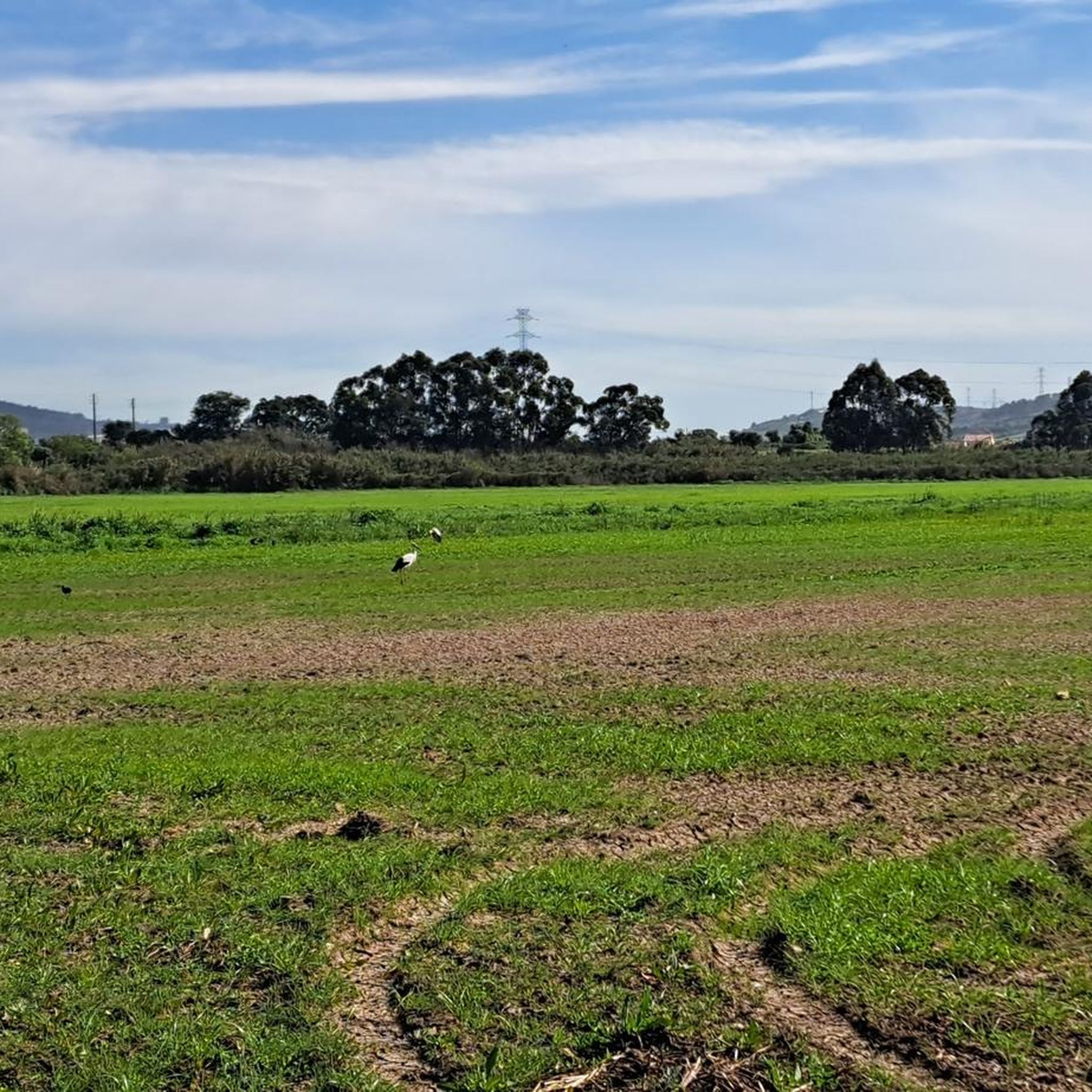
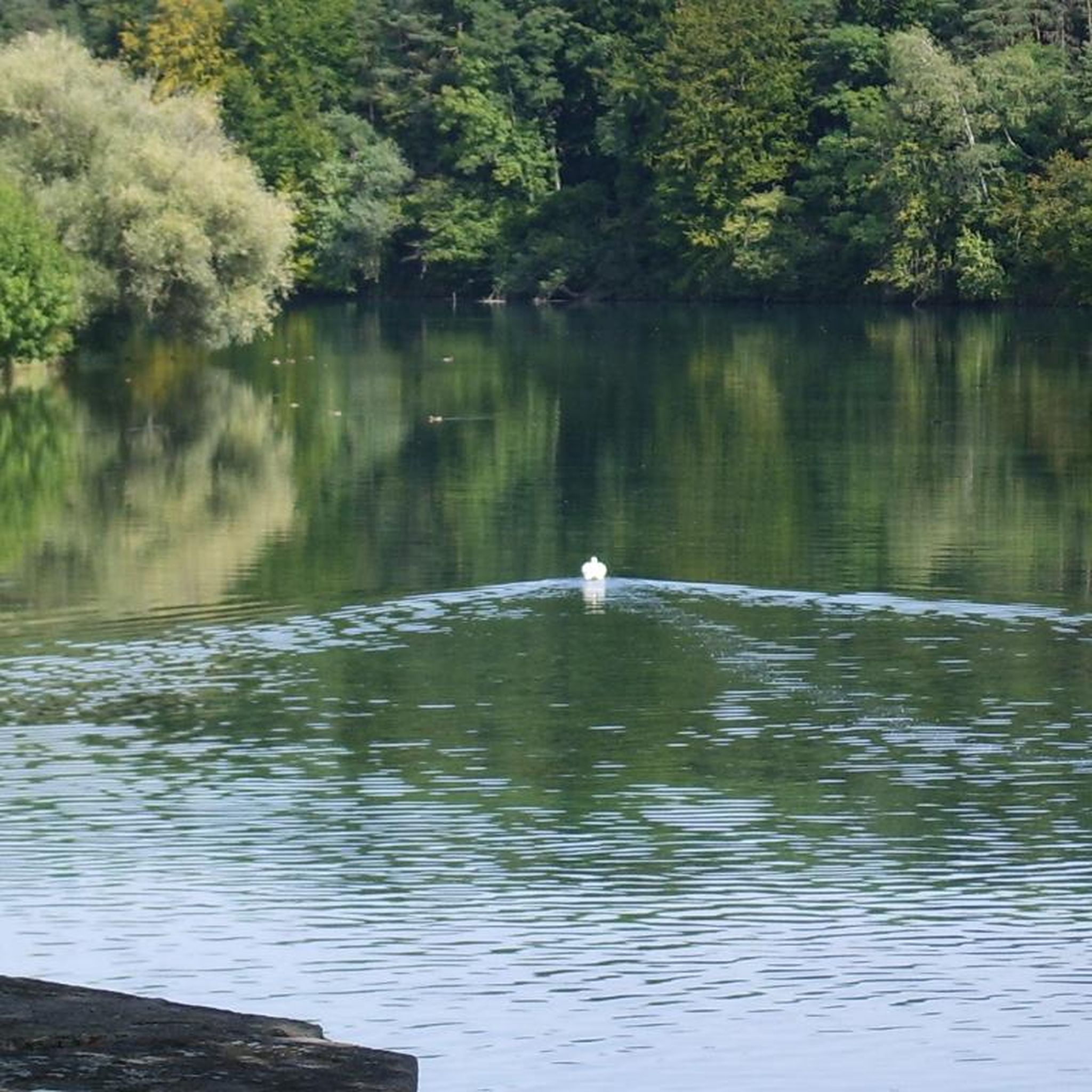
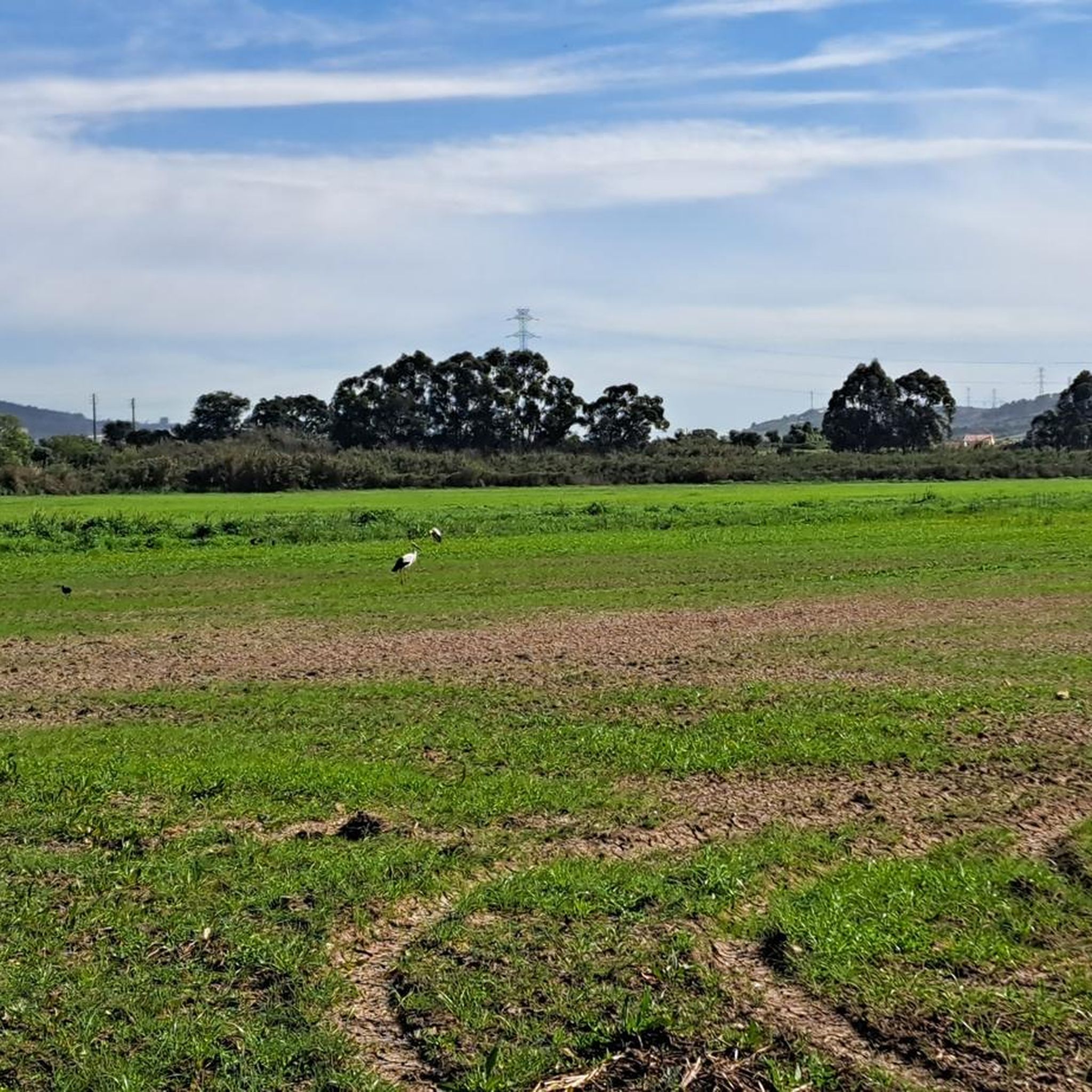
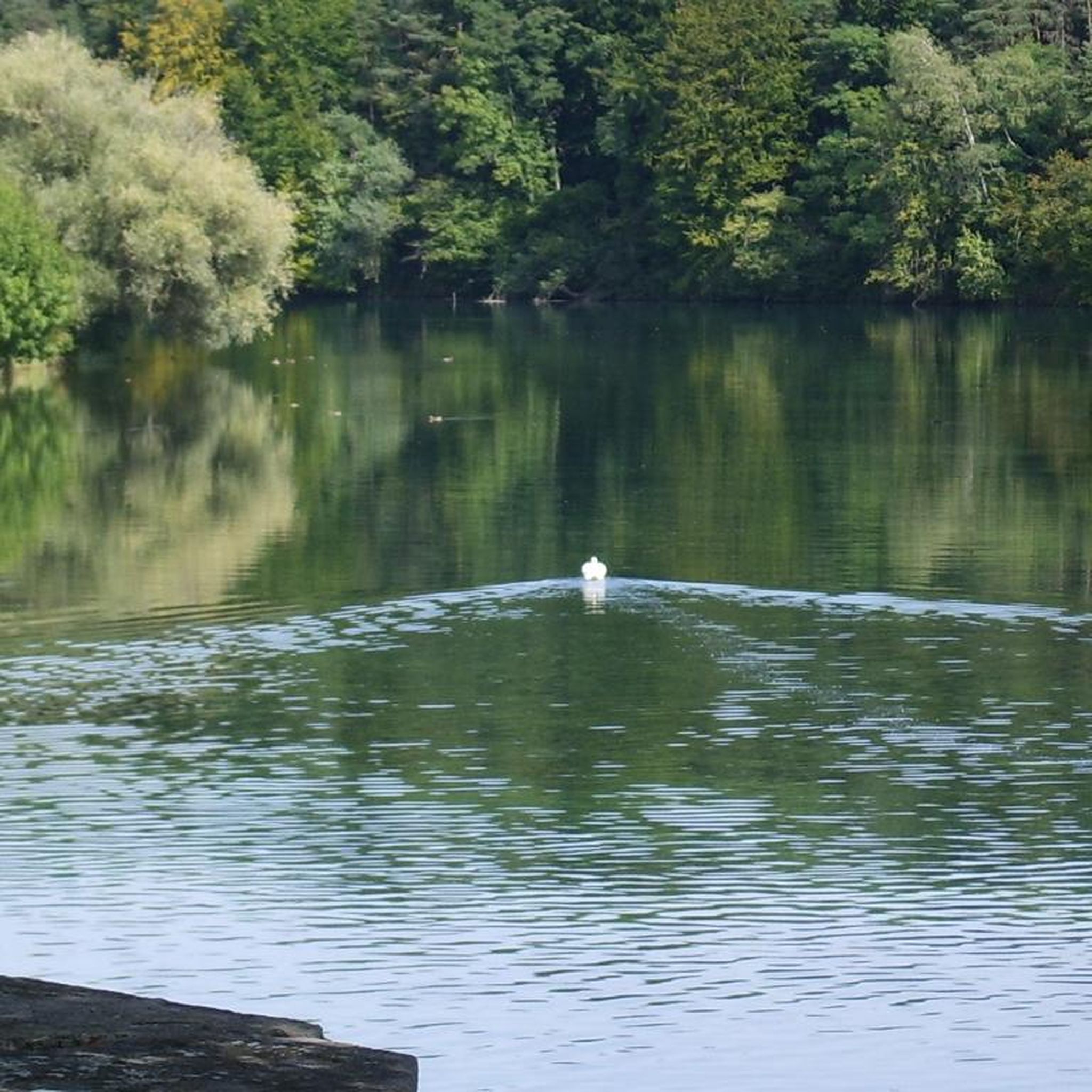

Tips from the Community

The Monsanto Interpretation Center (CIM) is the ideal gateway to an in-depth exploration of the Monsanto Forest Park, Lisbon's largest green space. This center offers a unique educational and environmental experience, combining nature, culture, and sustainability.
3
0

The park has three distinct areas: the Central Nave of Quinta das Conchas, the Woods and the Lilacs. The Central Nave, the largest area, is made up of large lawns dotted with trees and offers open views, which invite you to play ball and have picnics on the grass. It is bordered at the highest point by a group of olive and olive trees and, at the bottom, next to the large lake, there is a mass of large eucalyptus trees, classified as a grove of trees of public interest, where there are picnic tables, in an excellent area for relaxing. The Woods, a denser forest area with more intact nature, is made up of a varied set of tree species, with a stand of trees of the ZelKova Serrata species, also classified as a public interest, standing out, as well as Himalayan cedars and Buçaco cedars. In some places, there is a dense cover of shrubs, such as adernos, sanguinhos, elders and hawthorns, which are very important for several species of birds as shelter, feeding and nesting sites. Separated from Quinta das Conchas by a wall, we have Quinta dos Lilases, a more secluded environment, with its famous artificial lake, of romantic inspiration, representing the islands of São Tomé and Príncipe. The vegetation is marked by the alignment of olive trees next to the wall of Quinta das Conchas and by the presence of eucalyptus, poplars, ash trees, gleditsias and species of the Quercus genus. The shrub layer is reduced, with pomegranate trees and notable groups of old and large box trees standing out. The clearing areas are covered in dry grassland. This farm has a community orchard area, recently built as part of a Participatory Project. The existence of diverse habitats gives this Park great value in terms of biodiversity, with a higher number of species than usual for urban green spaces.
2
1
The name of the park indicates that in the past there were two large quintas here. Quinta is a tough word to translate, it is similar to the French château or country house. Those quintas were called Conchas and Lilases. The quintas were built in the 16th century and were always inhabited by prosperous Portuguese families who traded in coffee. Since 1966 the quintas have been managed by the city of Lisbon. For a long time nothing was done with the quintas and the surrounding lands. In 2005, the quintas were opened to the public and the park was laid out.
2
1
This is a monument of great symbolism that honours and perpetuates the memory of those who served their country and symbolizes the courage, dedication and effort of the fighters of the Union of Parishes of Queluz and Belas. It also symbolizes the values of peace and justice, and will serve as an inspiration for future generations.
1
1
The façade of the palace is adorned with stone, shells, broken glass and porcelain. In addition, the dining room is decorated with portraits of members of the Portuguese nobility, painted by artists such as Domingos António de Sequeira. The chapel, dating from the 16th century, is the oldest part of the palace.
9
0

Little insider tip, beautiful and not overcrowded. Entrance fee for the garden is 5 euros, otherwise only with a guided tour.
1
0

The Monsanto Interpretation Center is the ideal starting point for exploring the Monsanto Forest Park. It presents the natural characteristics of the park. It is easily accessible by bus from Lisbon.
0
1

The Águas Livres Aqueduct is a national monument, built by King João V in the 16th century. XVIII. This "section" is almost at the beginning of this branch, which starts here in the Belas area. In sec. In the 19th century, the aqueduct was greatly expanded with the construction of other branches.
2
0
Frequently Asked Questions
How many hiking trails are available around Famões?
Famões serves as a gateway to a wide network of hiking opportunities. There are over 200 routes available, offering diverse experiences from urban green spaces to coastal paths and mountain trails.
What are the difficulty levels of hikes near Famões?
The trails around Famões cater to various fitness levels. You'll find a good mix of options, with over 130 easy routes perfect for a leisurely stroll, around 70 moderate trails for those seeking a bit more challenge, and a selection of more difficult paths for experienced hikers.
What kind of landscapes can I expect on hikes near Famões?
Hiking near Famões offers a remarkable variety of landscapes. You can explore urban green spaces like Parque Florestal de Monsanto with its diverse forests and panoramic city views, or the serene Parque da Quinta das Conchas e dos Lilazes. Further afield, the Sintra-Cascais Natural Park provides dramatic coastal scenery, mystical forests, and historical mountain trails.
Are there any circular walks near Famões?
Yes, many trails around Famões are designed as loops, offering convenient circular walks. For instance, the Hiking loop from Monumento Natural de Carenque is an easy 2.8-mile (4.6 km) route that allows you to explore natural interests without retracing your steps.
Are the trails around Famões suitable for families with children?
Absolutely. Many of the easy routes, particularly within urban green spaces like Monsanto Forest Park and Parque da Quinta das Conchas e dos Lilazes, are well-suited for families. These parks often feature well-maintained paths, open spaces, and natural elements that children can enjoy. The Mural of a Man Playing Guitar loop from Estádio José Alvalade is another easy option.
Can I bring my dog on the hiking trails near Famões?
Many natural parks and green spaces in Portugal are dog-friendly, though regulations can vary. It's generally advisable to keep dogs on a leash, especially in protected areas or where wildlife is present. Always check local signage for specific rules regarding pets in areas like Monsanto Forest Park or the Sintra-Cascais Natural Park.
Are there scenic viewpoints or natural attractions to discover?
Yes, the region boasts numerous scenic viewpoints and natural attractions. In Monsanto Forest Park, you'll find panoramic views of Lisbon and the Tagus River. The Sintra-Cascais Natural Park offers breathtaking clifftop views along its coastal trails, including at Cabo da Roca. You can also discover beautiful lakes and gardens, such as the Amália Rodrigues Garden Lake and Quinta das Conchas and Lilases Park.
Are there any historical sites or cultural landmarks along the trails?
Yes, the region is rich in history. In Monsanto Forest Park, you can encounter historical elements like ancient limestone quarries and parts of the 18th-century Aqueducto das Águas Livres. The Sintra-Cascais Natural Park is home to the Castelo dos Mouros, Pena Palace, and the unique Convento dos Capuchos. You might also find other historical sites like the Palace of the Marquises of Fronteira nearby.
How can I get to the hiking trails using public transport?
Many of the urban green spaces accessible from Famões, such as Monsanto Forest Park and Parque da Quinta das Conchas e dos Lilazes, are well-served by Lisbon's public transport network (buses, metro). For trails further afield in the Sintra-Cascais Natural Park, train services to Sintra or Cascais are available, from where local buses or taxis can take you closer to specific trailheads.
Are there parking facilities available at the trailheads?
For many popular hiking areas, especially those within or close to urban centers like Monsanto Forest Park, designated parking areas are available. When venturing into more remote parts of the Sintra-Cascais Natural Park, parking might be more limited, so it's advisable to check specific trailhead information beforehand. The Espaço Biodiversidade loop from Estádio do Sport Lisboa e Benfica is an example of a route with urban access points.
What do other hikers say about the trails around Famões?
The hiking experiences around Famões are highly rated by the komoot community, with an average score of 4.6 stars from over 900 reviews. Hikers often praise the accessibility to diverse natural environments, the well-maintained paths, and the opportunity to discover both urban green escapes and dramatic coastal and mountain scenery.
When is the best time to hike near Famões?
The Lisbon region, including areas accessible from Famões, generally offers pleasant hiking conditions for much of the year. Spring (March to May) and autumn (September to November) are ideal, with mild temperatures and lush landscapes. Summers can be hot, so early mornings or late afternoons are best, especially for shaded forest trails. Winters are generally mild, making them suitable for hiking, though some coastal trails might be exposed to stronger winds.
Most popular attractions around Famões

Get inspired with the komoot mobile app


Explore more
Browse the best Hikes in other regions.
