The best road cycling routes around Queluz e Queluz e Queluz e Belas
4.5
(151)
7,216
riders
207
rides
Road cycling routes around Queluz e Queluz e Queluz e Belas offer varied terrain, from coastal roads with ocean views to inland paths through historical areas. The region features a mix of moderate climbs and flatter sections, providing diverse experiences for road cyclists. Routes often pass by beaches, harbors, and cultural landmarks, characteristic of the Lisbon district. The landscape includes both urban fringes and more open countryside.
Best road cycling routes around Queluz e Queluz e Queluz e Belas
- The most popular road cycling route is Parede Beach – View of Cascais Harbor loop from Monte Abraão, a 44.6 miles (71.8 km) trail that takes 3 hours 18 minutes to complete. This moderate route offers extensive coastal views.
- Another top favourite among local road cyclists is Azenhas do Mar – View of Cascais Harbor loop from Rio de Mouro, a moderate 43.3 miles (69.8 km) path. This route features a mix of coastal scenery and inland sections.
- Local road cyclists also love the Azenhas do Mar – Kiosk at Praia das Maçãs loop from Mira Sintra-Meleças, a 38.9 miles (62.6 km) trail leading through coastal villages and scenic roads, often completed in about 2 hours 58 minutes.
- Road cycling around Queluz e Queluz e Queluz e Belas is defined by coastal paths, harbor views, and varied inland terrain. The network offers options for easy, moderate, and difficult routes, catering to different ability levels.
- The routes in Queluz e Queluz e Queluz e Belas are highly rated by the komoot community with an average score of 4.5 stars from over 180 reviews. More than 7,900 road cyclists have used komoot to explore Queluz e Queluz e Queluz e Belas's varied terrain.
Last updated: July 4, 2026
4.6
(7)
475
riders
72.1km
03:18
660m
660m
Moderate road ride. Good fitness required. Mostly well-paved surfaces and easy to ride.
4.6
(5)
231
riders
69.7km
03:26
890m
890m
Moderate road ride. Good fitness required. Mostly well-paved surfaces and easy to ride.

Sign up for free
44
riders
62.6km
02:56
740m
740m
Moderate road ride. Good fitness required. Mostly well-paved surfaces and easy to ride.
30
riders
130km
06:20
1,640m
1,640m
Hard road ride. Very good fitness required. Mostly well-paved surfaces and easy to ride.
26
riders
74.5km
03:45
1,090m
1,090m
Hard road ride. Very good fitness required. Mostly well-paved surfaces and easy to ride.
Get access to more routes and recommendations from other explorers.
Sign up for free
Already have an account?
Our route recommendations are based on thousands of hikes, rides, and runs completed by other people on komoot.
Start today with a free account
Your next adventure awaits.
Login or Signup
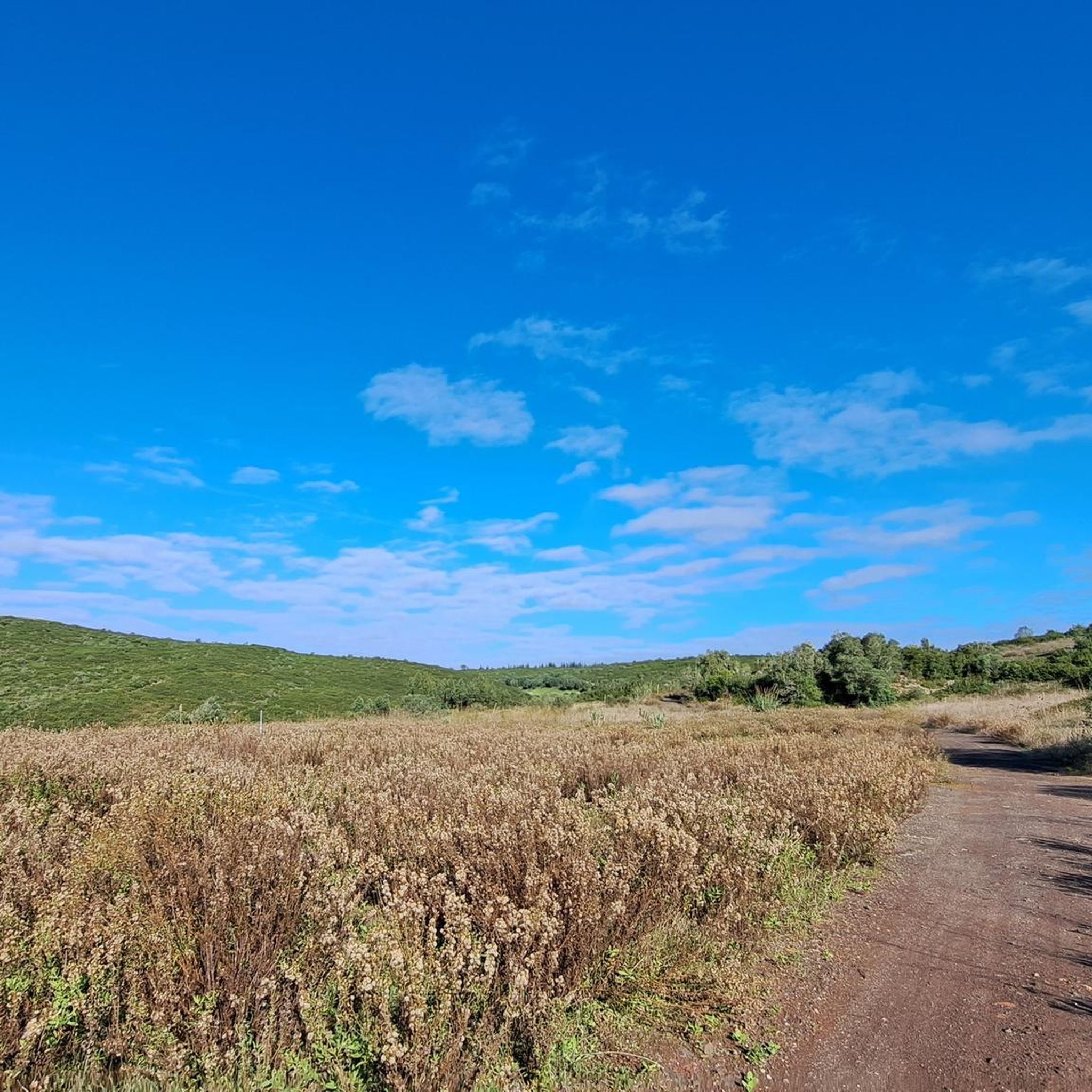
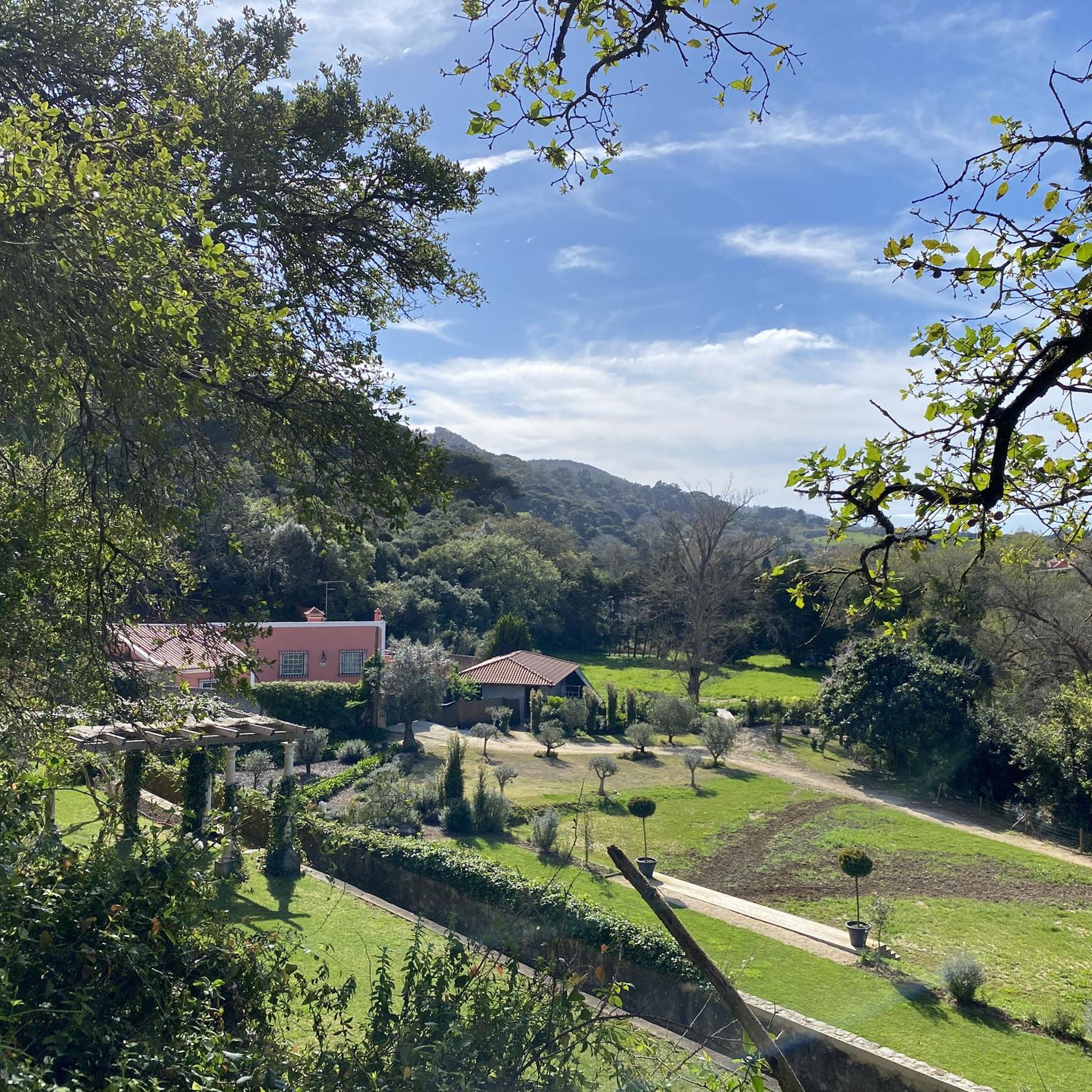
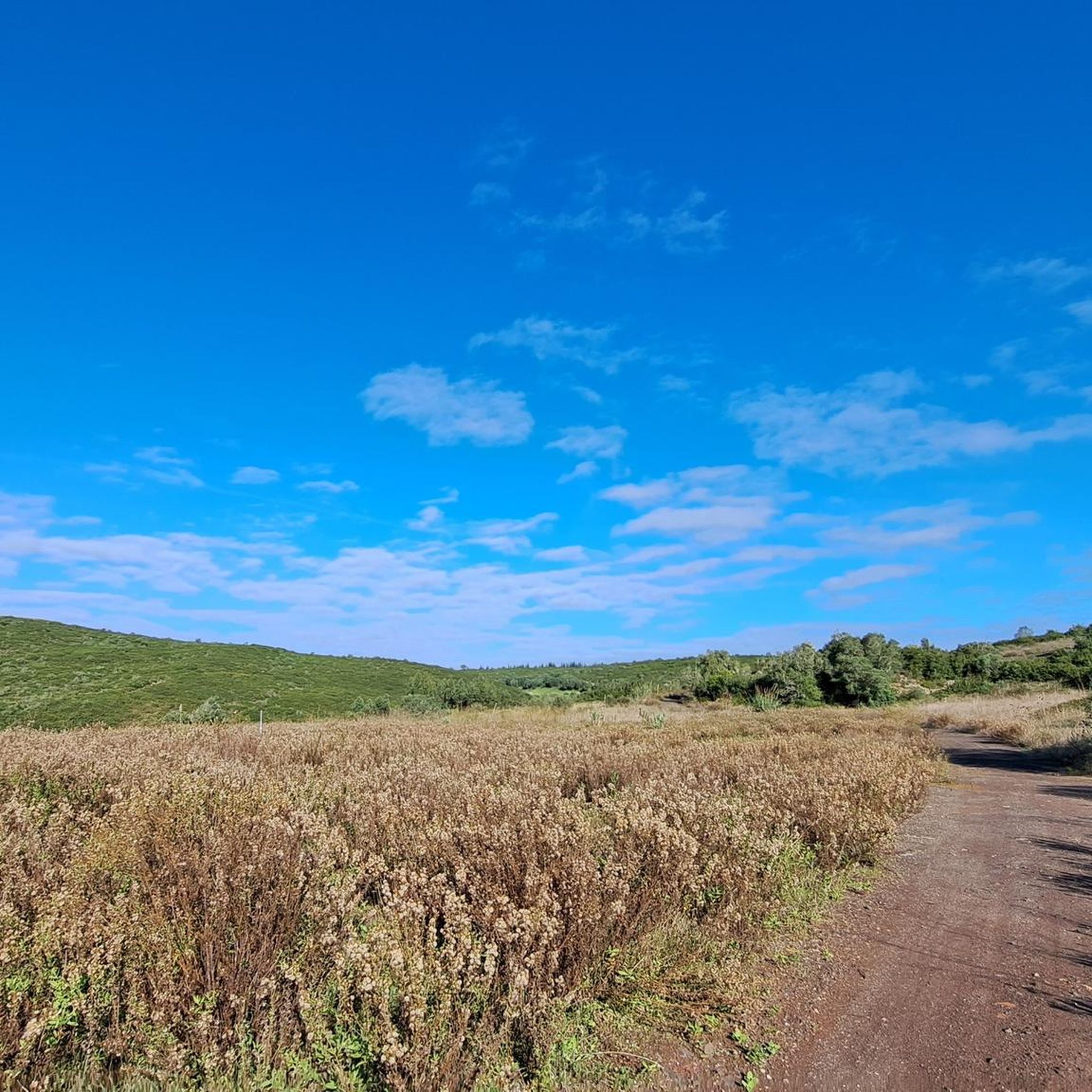
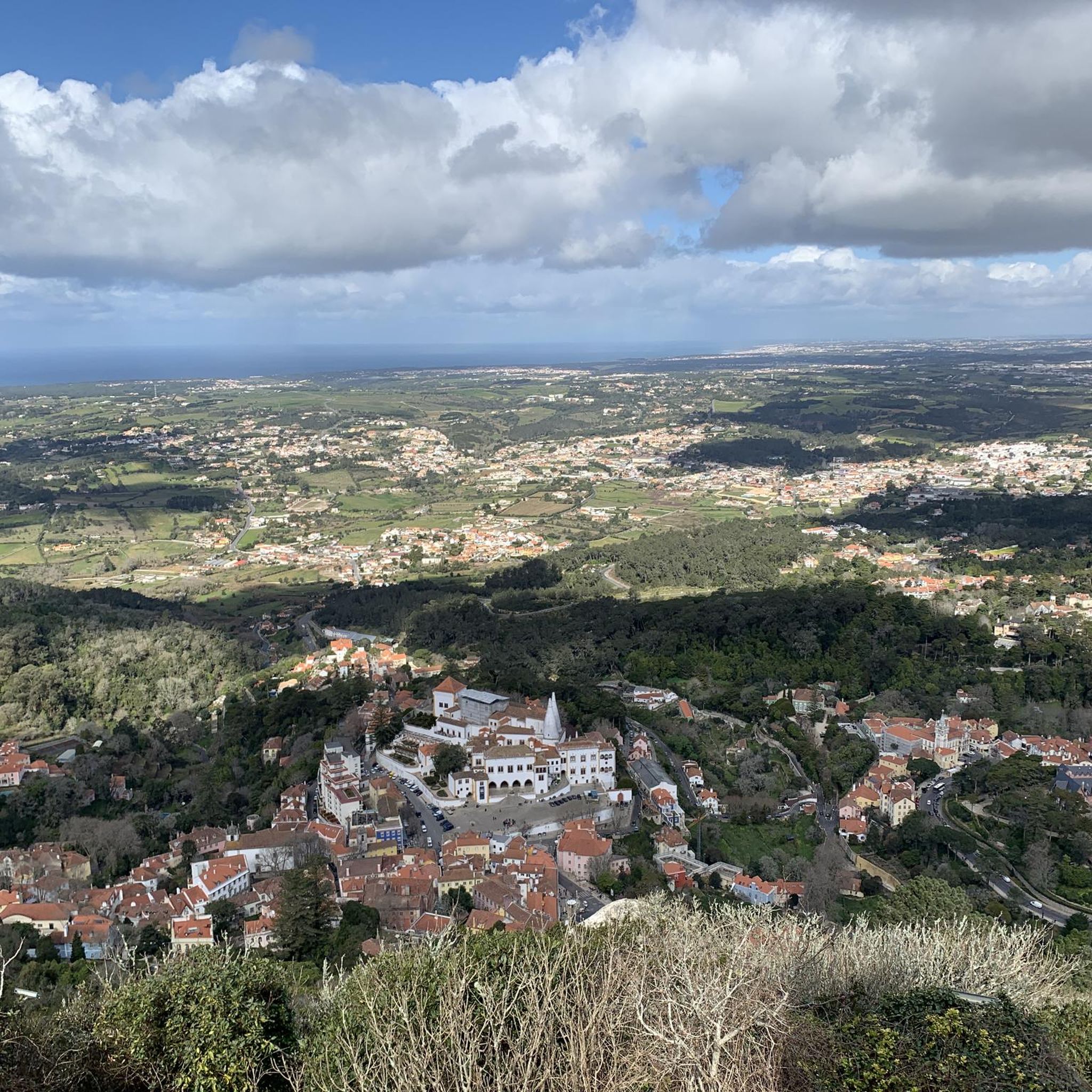
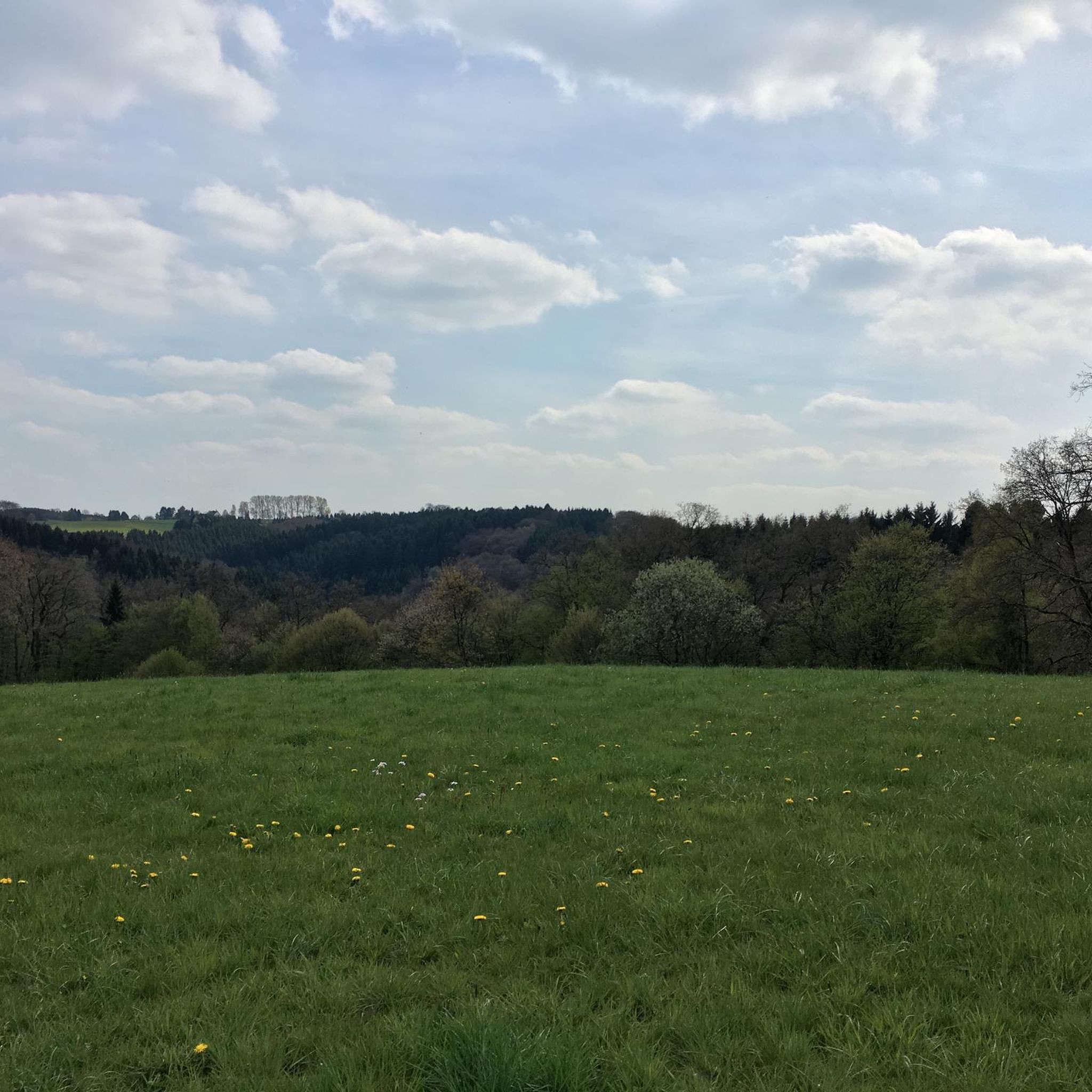
Tips from the Community

Parede Beach (Praia da Parede) is a characteristic urban beach located in the town of Parede, in the municipality of Cascais, about 19 kilometers from Lisbon. It is famous along the Portuguese Riviera, especially for its therapeutic properties linked to the very high concentration of iodine and excellent sun exposure, historically exploited for the treatment of bone diseases.
0
0

The National Palace of Mafra, located in the town of Mafra, Portugal, is a monumental complex that includes a palace, a convent, a basilica, and the Tapada de Mafra (hunting grounds). Construction began in 1717, commissioned by King John V of Portugal in fulfillment of a vow for the succession of his wife, and it is the most important monument of Portuguese Baroque. Since 2019, the Palace has been a UNESCO World Heritage Site.
2
0

Try to stop during your ride and really enjoy every detail
1
0

Negrais suckling pig is known and highly appreciated throughout the country. Unlike Bairrada suckling pig, Negrais suckling pig is roasted open-faced. Some say this makes it less fattening.
13
0


Baroque architectural complex comprising a Palace, a Basilica and a Convent, together with gardens and a vast Tapada, forming a historical heritage complex covering over 1,200 hectares, inscribed on the UNESCO World Heritage List in 2019. Built by order of King João V in fulfilment of a succession vow, Mafra Palace is one of the most important Baroque monuments in Portugal and one of the largest in Europe, occupying a construction area of 38,000 m2, with around 1,200 rooms, 5,200 doors and windows and 156 staircases. UNESCO has recognised this monument as a feat of architecture, engineering and human genius. Based on designs by Filippo Juvarra, its final design was carried out by the German Johann Friedrich Ludwig (João Frederico Ludovice) and construction was led by the kingdom's chief engineer, Custódio Vieira. The first stone was laid on 17 November 1717 and the Basilica was consecrated on 22 October 1730. The Basilica, inspired by the great churches of Rome, has one of the most significant collections of Italian sculpture of its time, with 58 statues, a large crucifix with archangels in adoration and three high reliefs, as well as an important collection of paintings, representing some of the most famous painters active in Italy and France in the early 1730s. The collection of vestments and liturgical implements is also very significant, due to its quality and rarity. The Palace Library is one of the most iconic spaces in the monument. With a refined selection of around 30,000 volumes, it is one of the exponents of Enlightenment knowledge representative of the court culture of the first half of the 18th century. Also noteworthy is the bell ringing ensemble, with 120 bells, which include two of the largest carillons of the 18th century, cast in Antwerp and Liège in the workshops of Willem Witlockx and Nicolas Levache, respectively. The bells are accompanied by two clocks dating from the first half of the 18th century, as well as four automatons for automatic music. Inside the Basilica is a set of pipe organs, unique in the world, consisting of six instruments designed to play together, built between 1792 and 1807 by the Portuguese organ builders António Machado e Cerveira and Joaquim Peres Fontanes. The Mafra Palace has been a member of the Association of European Royal Residences since 2009.
5
0
Frequently Asked Questions
How many road cycling routes are available in Queluz e Queluz e Queluz e Belas?
There are over 200 road cycling routes in Queluz e Queluz e Queluz e Belas, catering to various skill levels and preferences.
Are there easy road cycling routes suitable for beginners or families in Queluz e Queluz e Queluz e Belas?
Yes, the region offers around 25 easy road cycling routes, perfect for beginners or families looking for a more relaxed ride. These routes often feature flatter sections and scenic views.
What kind of terrain can I expect on road cycling routes in Queluz e Queluz e Queluz e Belas?
Road cycling routes in Queluz e Queluz e Queluz e Belas feature varied terrain, from coastal roads with ocean views to inland paths through historical areas. You'll find a mix of moderate climbs and flatter sections, offering diverse experiences.
Are there any long-distance road cycling routes for experienced cyclists?
Yes, for experienced cyclists seeking a challenge, there are several long-distance routes. For example, the difficult Sintra Satellite Center – Sintra Air Museum loop from Massamá-Barcarena covers approximately 132 km and involves significant elevation gain.
What are some notable viewpoints along the road cycling routes?
Many routes offer stunning coastal views, especially those passing by beaches and harbors. Inland routes often provide panoramic vistas of the countryside and historical landmarks. The Parede Beach – View of Cascais Harbor loop from Monte Abraão is known for its extensive coastal views.
Are there circular road cycling routes available in the region?
Yes, many road cycling routes in Queluz e Queluz e Queluz e Belas are designed as loops, allowing you to start and end at the same point. Examples include the Azenhas do Mar – View of Cascais Harbor loop from Rio de Mouro and the Azenhas do Mar – Kiosk at Praia das Maçãs loop from Mira Sintra-Meleças.
What can I see along the road cycling routes in terms of attractions?
Beyond the natural beauty, routes often pass by cultural landmarks characteristic of the Lisbon district. You might encounter highlights such as the Waterfall Lake or the Virgin Grotto. For those interested in historical sites, the Sintra Satellite Center – Mafra National Palace loop from Rio de Mouro takes you past significant points of interest.
What do other road cyclists enjoy the most about road cycling in Queluz e Queluz e Queluz e Belas?
The area is highly rated by the komoot community, with an average score of 4.5 stars from over 180 reviews. Cyclists often praise the diverse coastal and inland scenery, the mix of challenging climbs and enjoyable flat sections, and the well-maintained roads.
What is the best time of year for road cycling in Queluz e Queluz e Queluz e Belas?
The region generally offers pleasant cycling conditions for much of the year. Spring and autumn provide mild temperatures and less crowded routes, making them ideal. Summer can be warm, especially inland, while winter offers cooler, but often still rideable, conditions.
Are there cafes or places to stop for refreshments along the road cycling routes?
Given the mix of urban fringes and coastal villages, many routes pass through areas with opportunities for refreshments. You'll find cafes and small eateries in towns and villages along the way, particularly in popular coastal spots and historical centers.
How can I access the road cycling trails using public transport?
Many routes start from towns and urban areas within the Lisbon district, which are well-served by public transport. You can often reach starting points like Monte Abraão or Rio de Mouro via train or bus, making it convenient to access the trails without a car.
Most popular routes around Queluz e Queluz e Queluz e Belas
Most popular attractions around Queluz e Queluz e Queluz e Belas

Get inspired with the komoot mobile app


Explore more
Browse the best Road cycling routes in other regions.
