The best road cycling routes around Carmões
4.7
(27)
2,126
riders
52
rides
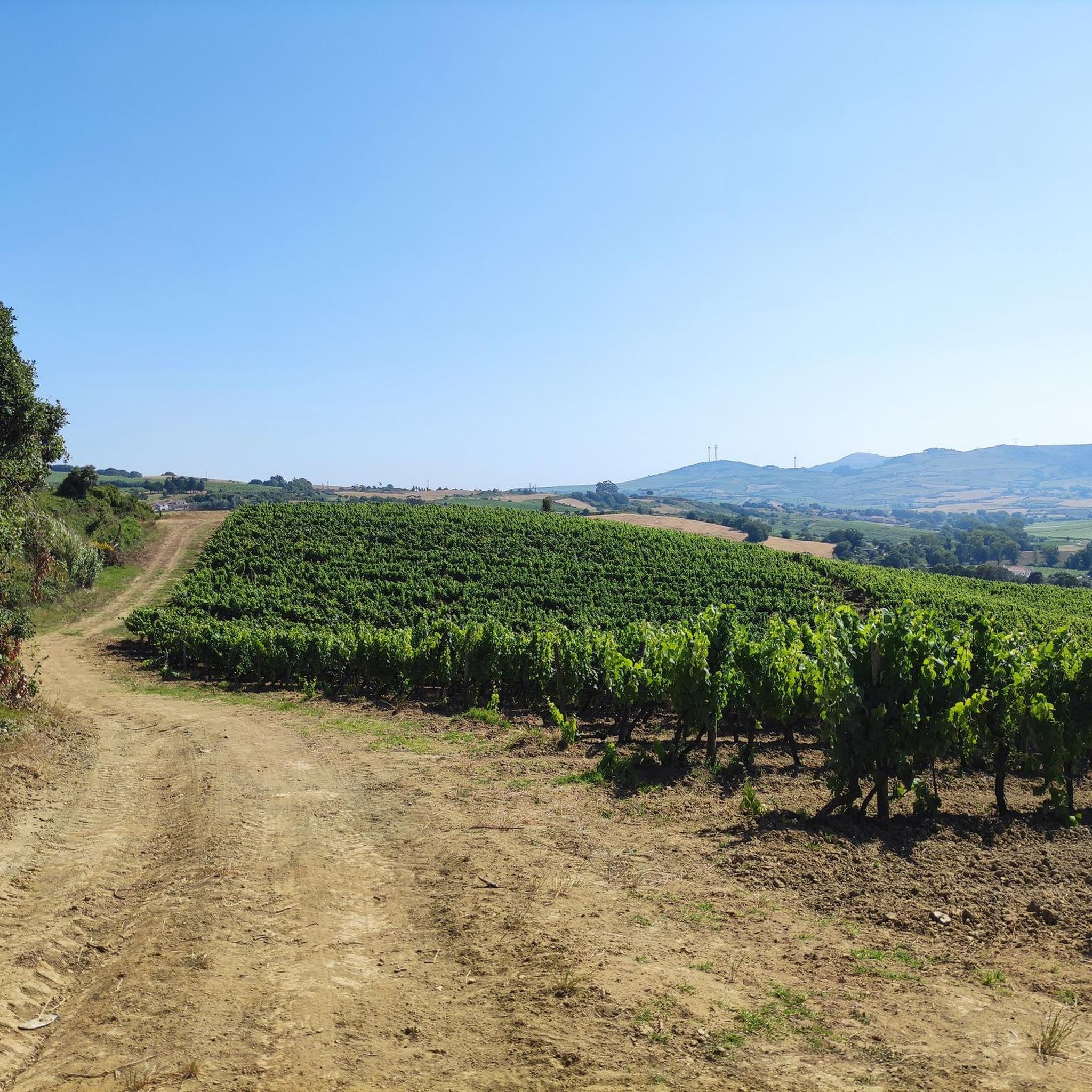
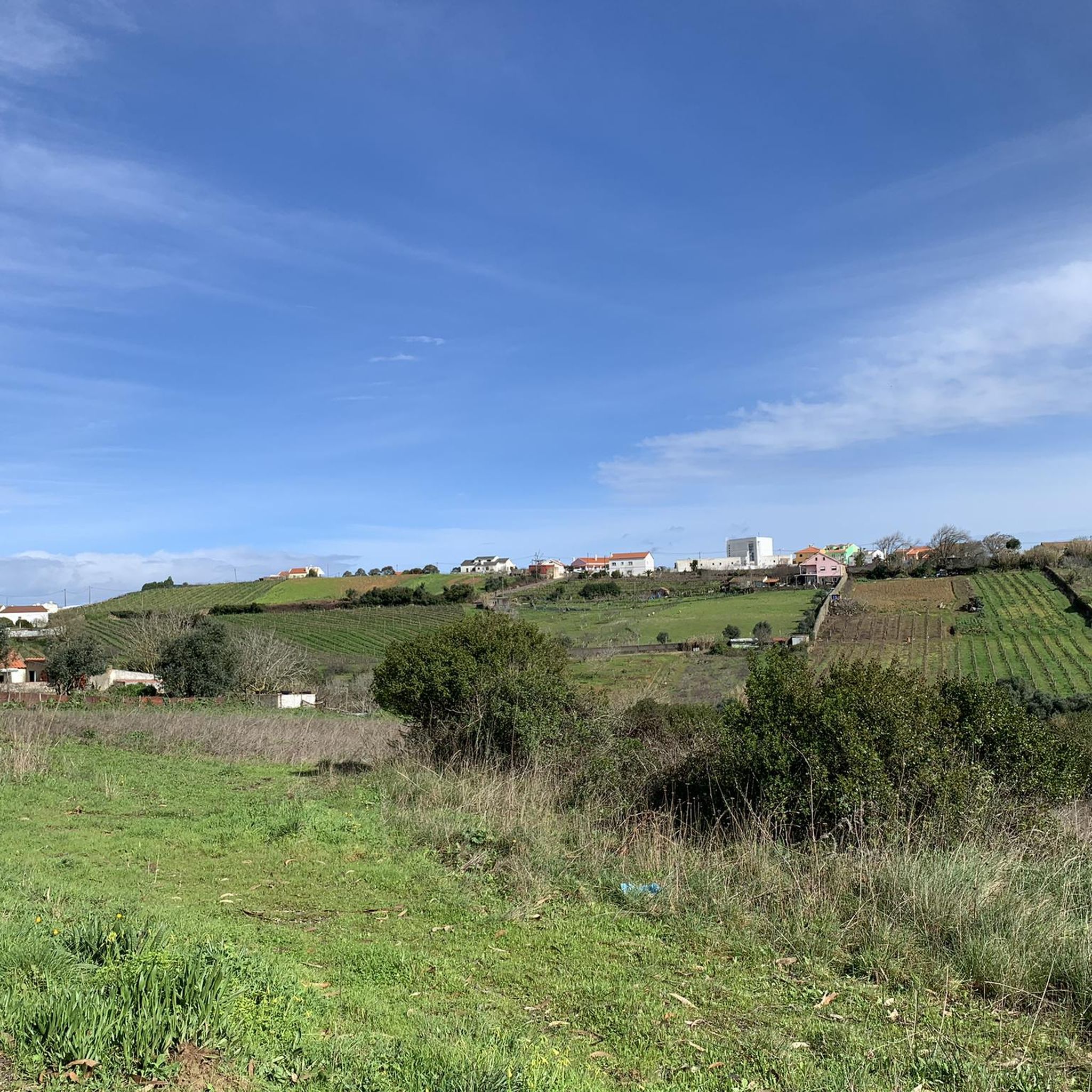
Road cycling around Carmões features a landscape characterized by rolling hills and agricultural areas, with routes often traversing through vineyards and rural villages. The region includes ascents towards viewpoints such as Serra de Montejunto, offering varied elevation profiles for road cyclists. Terrain consists primarily of paved roads suitable for road bikes, connecting different local communities. The area provides a mix of moderate and challenging routes, reflecting its undulating topography.
Best road cycling routes around Carmões
- The most popular road cycling…
Last updated: July 8, 2026
5.0
(2)
70
riders
96.7km
04:41
940m
940m
Hard road ride. Very good fitness required. Some segments of this route may be unpaved and difficult to ride.
21
riders
Moderate road ride. Good fitness required. Mostly well-paved surfaces and easy to ride.

Sign up for free
22
riders
81.1km
03:48
890m
890m
Moderate road ride. Good fitness required. Mostly well-paved surfaces and easy to ride.
15
riders
99.3km
05:05
1,640m
1,640m
Hard road ride. Very good fitness required. Mostly well-paved surfaces and easy to ride.
11
riders
71.2km
03:14
710m
710m
Moderate road ride. Good fitness required. Mostly well-paved surfaces and easy to ride.
Get access to more routes and recommendations from other explorers.
Sign up for free
Already have an account?
Our route recommendations are based on thousands of hikes, rides, and runs completed by other people on komoot.
Start today with a free account
Your next adventure awaits.
Login or Signup
Tips from the Community

The Joaquim Agostinho Cycling Museum is dedicated to the memory of the cyclist Joaquim Agostinho. Its aim is to preserve and enhance the history of cycling and the use of the bicycle. You can find more details about the museum at https://mcjoaquimagostinho.pt
2
0

Just before entering the town of Sobral do Monte Agraço
0
0

publication of the royal charter of 26 July 1811, which, in order to mitigate the devastating effects of the French invasions, prescribed, among many other measures, the distribution of seeds to farmers in order to re-establish cereal production. The Real Celeiro was active for over sixty years, between 1812 and 1873, but, quoting Guilherme Henriques, “it died, like all good institutions, annihilated by abuses”. The City Council now holds the archive of the old Celeiro, which, although not very voluminous, nevertheless allows us to reconstruct almost the entire history of this important local institution of the 19th century. Commissioned to be rebuilt by the Municipality of Alenquer in 2002, it opened its doors as the Wine Museum and headquarters of the Lisbon Wine Route in 2006. Its interior was remodeled and its museology project renewed at the end of 2018, and it reopened its doors to visitors in February 2019. (Source: www.alenquer.pt)
10
0

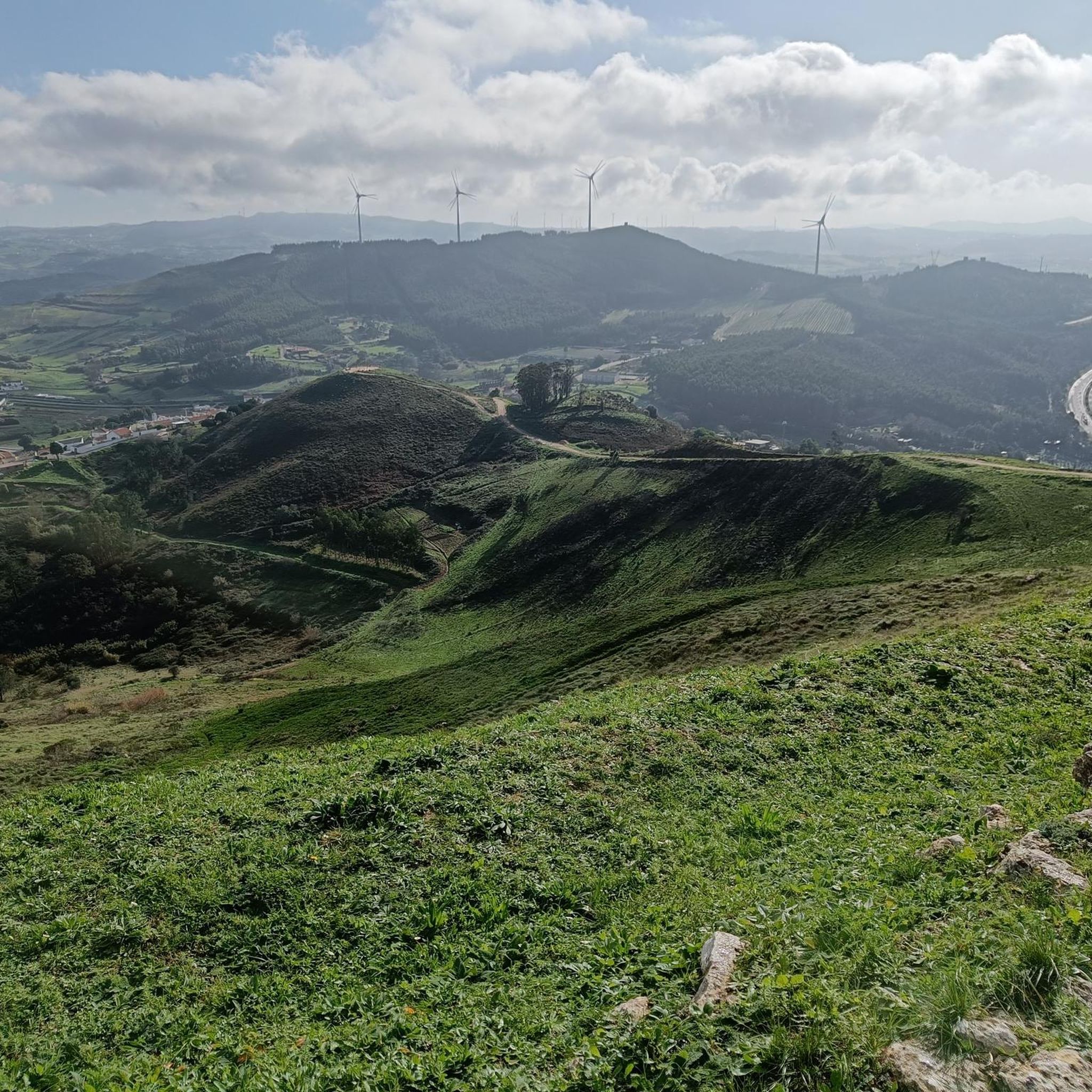
At this location at the top of the Serra de Montejunto, also known as "Torre" due to the various antennas that were installed there, is the Chapel of Our Lady of the Snows, which may have been built in the 13th century and remodelled and expanded during the 16th century and later. Inside, the altars covered with 17th century tiles and the altarpiece of the main altar, from the 18th century, stand out. Next to the Chapel of Our Lady of the Snows, are the ruins of what is considered to be the first Dominican Convent in Portugal, built in the 12th century and abandoned after the extinction of the religious orders, and is currently in ruins. Also nearby are the ruins of the Royal Ice Factory, classified as a National Monument. Here, in the 18th century, the Dominican monks took advantage of the climatic and geological conditions and opened large tanks connected by narrow passages, one part for the production of ice and the other for its preparation, storage and conservation. The ice was later transported to Lisbon, to supply the court and the café at Terreiro do Paço, later known as Martinho da Arcada (Fernando Pessoa's Café)
2
0
Road that connects the village of Abrigada to the Serra de Montejunto, crossing one of the most beautiful sections of the Serra de Montejunto. A steep route but worth the effort.
2
0
Operating since April 2006 in a 19th-century building, the Wine Museum exhibits, offers tastings and allows the purchase of the best wines from the region. Around 20 producers from the Lisbon Wine Routes Association are represented.
5
0
Building visible from very far away.
12
0
Frequently Asked Questions
How many road cycling routes are available around Carmões?
There are over 50 road cycling routes around Carmões, offering a diverse range of options for different skill levels. This includes 3 easy routes, 36 moderate routes, and 13 difficult routes, ensuring there's something for every cyclist.
What kind of terrain can I expect on road cycling routes in Carmões?
Road cycling in Carmões is characterized by rolling hills and agricultural areas, with routes often traversing through vineyards and rural villages. You'll find primarily paved roads suitable for road bikes, connecting various local communities. The region includes ascents towards viewpoints like Serra de Montejunto, providing varied elevation profiles.
Are there any easy road cycling routes suitable for beginners in Carmões?
Yes, Carmões offers several easy routes perfect for beginners or those seeking a more relaxed ride. One such option is the Alenquer Wine Museum – Alenquer Castle loop from Aldeia Galega da Merceana e Aldeia Gavinha, which is 28.4 km long with a moderate elevation gain of 237 meters.
Where can I find challenging road cycling routes with significant climbs?
For cyclists looking for a challenge, the region around Carmões features routes with significant elevation gains, particularly those heading towards Serra de Montejunto. A demanding option is the View of Serra de Montejunto – Montejunto Monument loop from Feliteira, a 99.4 km trail with over 1600 meters of ascent.
What are some scenic viewpoints or attractions along the road cycling routes?
Many routes offer beautiful views and pass by interesting attractions. You can enjoy panoramic vistas from the Surkapas Swing with a View of the Montejunto Mountains or explore historical sites like Castelo de Torres Vedras. The Windmills of Serra de Montejunto also make for a picturesque stop.
Are there any circular road cycling routes in Carmões?
Yes, many of the road cycling routes in Carmões are designed as loops, allowing you to start and finish in the same location. Examples include the popular View of Serra de Montejunto – Montejunto Monument loop from Aldeia Gavinha and the Forca Viewpoint – Pink House with Bougainvillea loop from Aldeia Gavinha.
What do other road cyclists say about the routes in Carmões?
The road cycling routes in Carmões are highly rated by the komoot community, with an average score of 4.8 stars from over 25 reviews. Cyclists often praise the varied terrain, the beautiful agricultural landscapes, and the challenging climbs towards Serra de Montejunto.
What is the best season for road cycling in Carmões?
The spring and autumn months generally offer the most pleasant conditions for road cycling in Carmões, with milder temperatures and less extreme weather. Summer can also be enjoyable, especially in the mornings or late afternoons, though it can get quite warm.
Are there any cafes or places to stop for refreshments along the routes?
While specific cafes are not listed for every route, the routes often pass through rural villages and small towns where you can typically find local establishments for refreshments. Planning your route with komoot allows you to identify potential stops along the way.
Where are good starting points for road cycling routes in Carmões?
Many routes conveniently start from villages like Aldeia Gavinha or Feliteira, which are common hubs for cyclists. These locations often provide easy access to the varied terrain and scenic loops of the Carmões region.
Can I find routes that combine cultural sights with cycling?
Absolutely. Routes like the Alenquer Wine Museum – Alenquer Castle loop from Aldeia Galega da Merceana e Aldeia Gavinha offer a blend of cycling and cultural exploration, allowing you to visit landmarks such as the Alenquer Wine Museum and Alenquer Castle.
What is the typical elevation gain for a moderate road cycling route in Carmões?
Moderate road cycling routes in Carmões typically feature significant elevation gains due to the region's rolling hills. For example, the Forca Viewpoint – Pink House with Bougainvillea loop from Aldeia Gavinha, an 81.1 km route, includes approximately 890 meters of ascent.
Most popular routes around Carmões
Most popular attractions around Carmões

Get inspired with the komoot mobile app


Explore more
Browse the best Road cycling routes in other regions.
