Attractions and Places To See around Alter Do Chão - Top 7
Attractions and places to see around Alter Do Chão, Portugal, include historical sites and religious buildings. This region in the Alentejo is known for its medieval architecture and cultural heritage. Visitors can explore castles and ancient churches that reflect centuries of history. The area offers 7 notable places to visit, providing insights into its past.
Best attractions and places to see around Alter Do Chão
- The most popular attractions is Alter do Chão Castle, a castle that was reconquered…
Last updated: July 2, 2026
Alter do Chão Castle
Highlight • Castle
It is classified as a National Monument.
Translated by Google •
Tip by

Seda Castle
Highlight • Castle
Translated by Google •
Tip by

Sign up now to discover places like this
Get recommendations on the best single tracks, peaks, & plenty of other exciting outdoor places.
Sign up for free
Sanctuary of Our Lady of Vila Velha
Highlight • Religious Site
Our Lady of Vila Velha is the patron saint of the beautiful city of Fronteira.
Translated by Google •
Tip by
Church of Our Lady of the Martyrs of Pisão
Highlight • Religious Site
Translated by Google •
Tip by

Ribeira Grande Bridge
Highlight • Bridge
It was built right next to a temporary bridge.
Translated by Google •
Tip by
Sign up for free to discover even more attractions around Alter Do Chão.
Sign up for free
Already have an account?
Start today with a free account
Your next adventure awaits.
Login or Signup

Tips from the Community

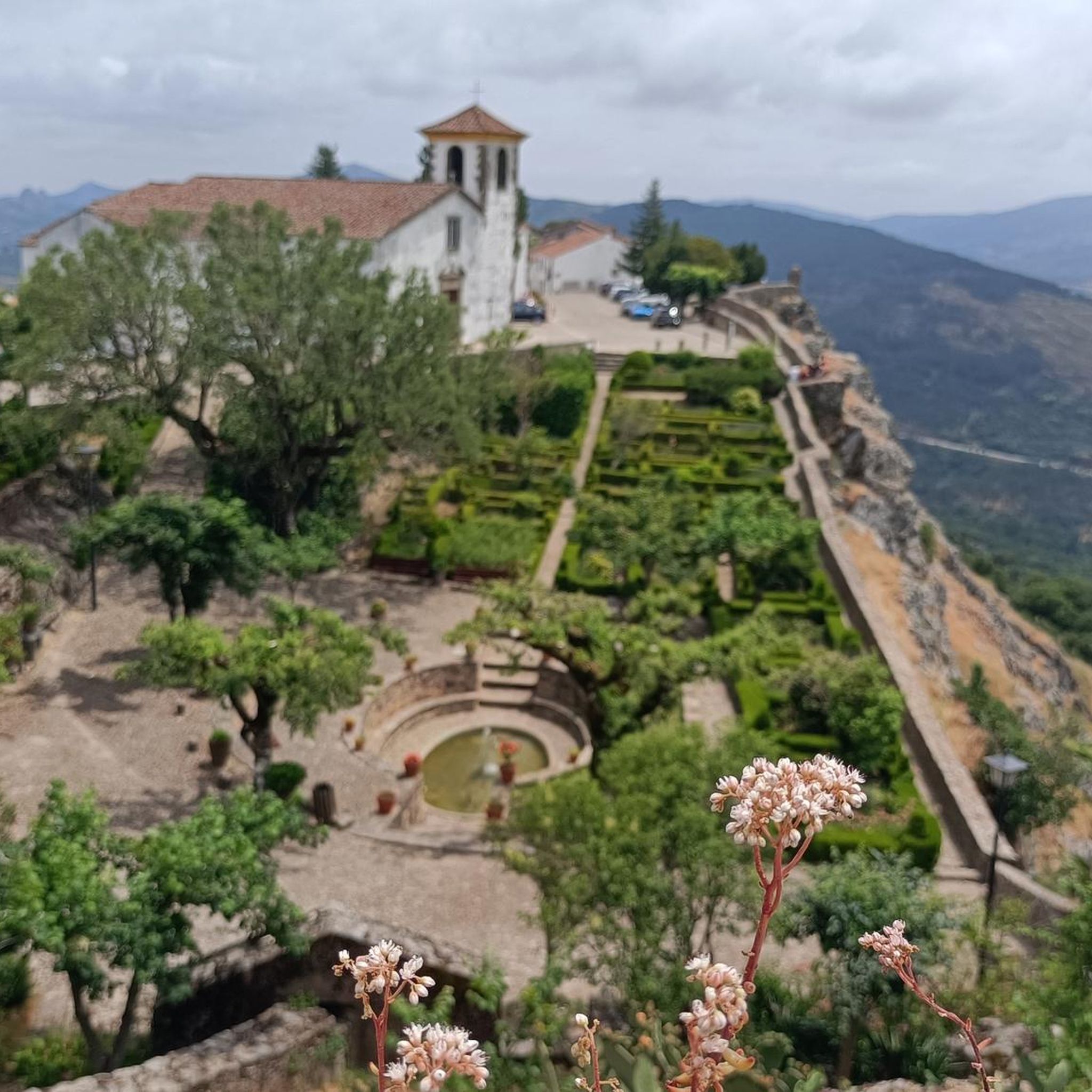
Located in the parish of Seda, in the heart of the Alentejo, the ruins of the walls that surrounded the ancient castle of Seda remain determined to preserve their ancient history. Without official evidence, some studies point to the existence of a castro of the Lusitanian tribe, occupied by Roman troops who would have erected a fortification there. The Roman presence in the region is well-known, and easily attested to by the Vila Formosa Bridge (1st and 2nd centuries), milestones, and the military road that would have connected Lisbon to Mérida. In 1160, King Afonso Henriques conquered the village, which at the time was called Arminho, from the Moors and donated the fortification to the Templars. This is the date that marked the beginning of the village's original enclosure. During the reign of King Afonso III, the village was handed over to the Order of Aviz and was later elevated to the status of a town, even serving as the municipal seat until 1836. The castle, however, gradually lost importance, and only a section of medieval wall, reinforced with turrets, has survived to this day. It has been classified as a Property of Public Interest since 1982.
1
0

The Castle of Alter do Chão, in Alentejo, is located in the parish of Alter do Chão, in the town and municipality of the same name, district of Portalegre, in Portugal. In the historic center of the town, this castle is representative of 16th century medieval architecture, when it cooperated with the neighboring Castle of Alter Pedroso in the defense of this region. Alter do Chão Castle has been classified as a National Monument since 1910.
6
0

Magnificent medieval castle which was reconquered from the Arabs during the reign of D. Afonso II. It is classified as a National Monument.
18
0
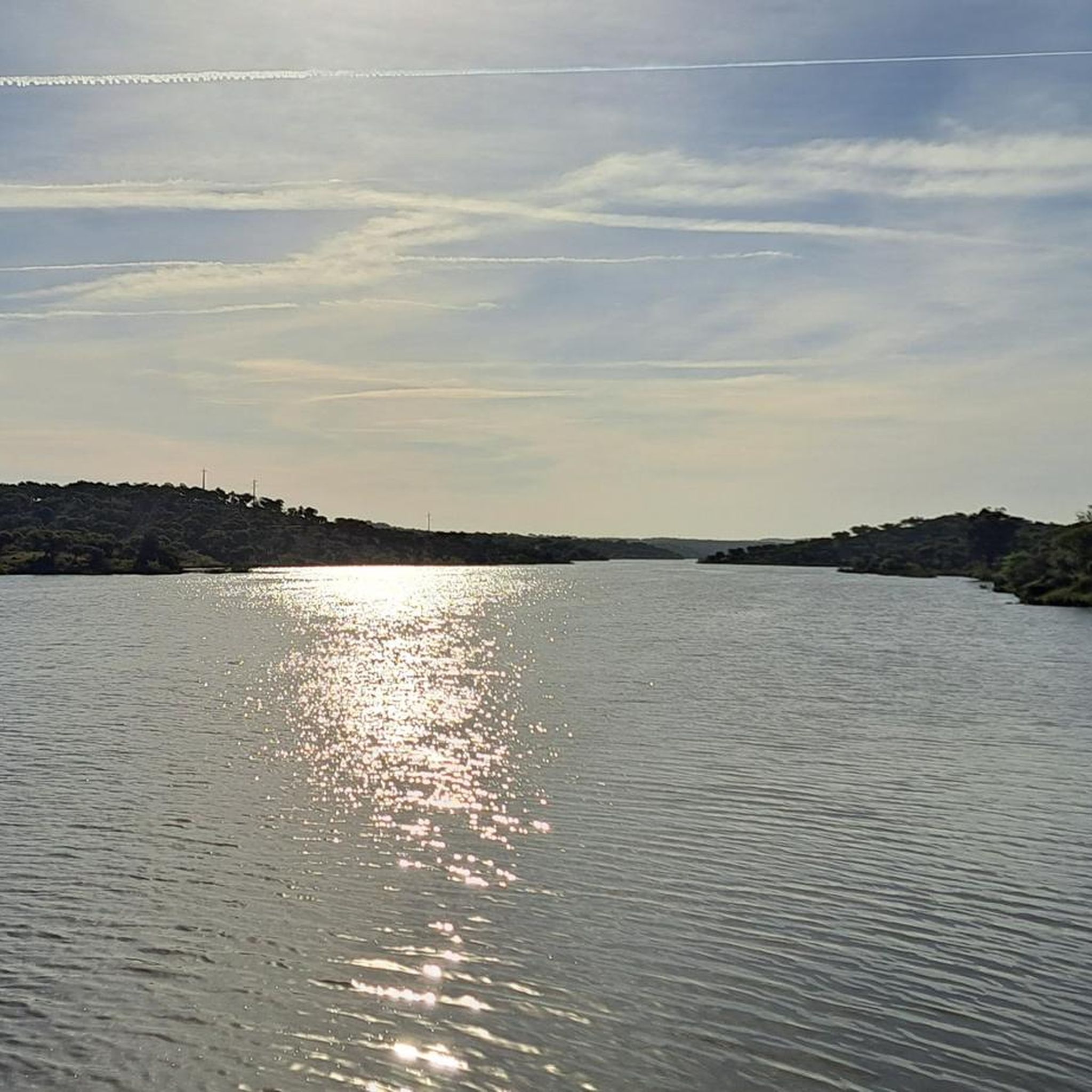
The Ribeira Grande bridge was completely submerged and partially destroyed during the floods of December 13, 2022. It was built right next to a temporary bridge.
14
0
The Sanctuary of Nossa Senhora da Vila Velha is a beautiful Sanctuary with a splendid viewpoint. Our Lady of Vila Velha is the patron saint of the beautiful city of Fronteira. The devotion to this patron saint was reinforced when in 1694, during a pilgrimage, lightning fell during a feast and no one was injured.
13
0

The Church of Nossa Senhora dos Mártires was founded at the end of the 18th century over another older temple – from the 16th century – and simpler. It forms part of a typological series of late-Baroque temples in the region and is related to the Igreja do Senhor Jesus do Outeiro de Alter do Chão, which is structurally more complex and almost certainly inspired this (“first work” of the series in question). Due to the similarity of the design with other works by José de Carvalho Negreiros (1749-1811), son of Costa Negreiros, a notorious architect who worked in the Portalegre region and died in Tolosa, north of Crato, it can be attributed to him, or to some other of the officers he worked with. Source: https://cm-crato.pt/locais/igrejas-matriz-do-crato-e-igrejas-das-freguesias/
1
0
Frequently Asked Questions
What are the most popular historical attractions around Alter do Chão?
The most popular historical attraction is the Alter do Chão Castle, a National Monument representing 16th-century medieval architecture. Another highly regarded site is the Flor da Rosa Monastery, founded in 1356, known for its unique Portuguese Gothic style that blends fortress and temple.
Are there any religious sites to visit in the Alter do Chão area?
Yes, the region features several significant religious buildings. You can visit the Flor da Rosa Monastery, a historical site with deep religious roots. Additionally, the Sanctuary of Our Lady of Vila Velha offers a beautiful religious experience with a splendid viewpoint, and the Church of Our Lady of the Martyrs of Pisão is a notable late-Baroque temple.
What kind of architecture can I expect to see at Alter do Chão Castle?
The Alter do Chão Castle is a prime example of 16th-century medieval architecture. It played a crucial role in the defense of the region and is classified as a National Monument.
Can I find any viewpoints with scenic views near Alter do Chão?
Yes, the Sanctuary of Our Lady of Vila Velha is known for its splendid viewpoint, offering picturesque vistas of the surrounding area.
What is the historical significance of Flor da Rosa Monastery?
The Flor da Rosa Monastery, founded in 1356 by D. Álvaro Pereira, is a unique example of Portuguese Gothic architecture. It stands out for its fusion of fortress and temple, serving as a living legacy of the Order of the Hospital.
Are there any other castles besides Alter do Chão Castle?
Yes, you can also explore the ruins of Seda Castle. While mostly ruins, it preserves ancient history, with some studies pointing to a Lusitanian castro occupied by Roman troops, and later donated to the Templars and the Order of Aviz.
What outdoor activities can I do near these attractions?
You can enjoy various outdoor activities. For running, explore routes like the 'Flor da Rosa Monastery loop' or 'Castelo de Alter Pedroso – Alter do Chão Castle loop'. Cyclists have options such as the 'Flor da Rosa Monastery – Alter do Chão Castle loop' for touring bicycles or more challenging road cycling routes like 'Castelo de Vide – Climb to Porto da Espada loop'. You can find more details on these activities in the Running Trails around Alter Do Chão, Road Cycling Routes around Alter Do Chão, and Cycling around Alter Do Chão guides.
Are there family-friendly attractions around Alter do Chão?
Yes, several attractions are suitable for families. The Alter do Chão Castle is classified as family-friendly, offering an engaging historical experience. The Sanctuary of Our Lady of Vila Velha, with its splendid viewpoint, is also considered family-friendly.
What do visitors enjoy most about the attractions in Alter do Chão?
Visitors appreciate the rich historical and architectural heritage of the region. The medieval castles, ancient monasteries, and religious sanctuaries offer a deep dive into the past. The Alter do Chão Castle, in particular, is admired for its magnificent structure and historical significance.
What is the difficulty level of cycling routes near Alter do Chão's attractions?
Cycling routes vary in difficulty. For touring bicycles, you can find moderate routes like the 'Alter do Chão Castle – Seda Castle loop' (57.2 km) or more difficult ones such as the 'Flor da Rosa Monastery – Alter do Chão Castle loop' (56.1 km). Road cycling offers challenging options like the 'Castelo de Vide – Climb to Porto da Espada loop' (115.6 km). More details are available in the Road Cycling Routes around Alter Do Chão and Cycling around Alter Do Chão guides.
Can I go running near the historical sites?
Yes, there are several running trails. For example, you can try the 'Flor da Rosa Monastery loop from Flor da Rosa' (6.2 km, moderate difficulty) or the 'Castelo de Alter Pedroso – Alter do Chão Castle loop from Alter do Chão' (11 km, moderate difficulty). These routes allow you to combine exercise with sightseeing. Find more options in the Running Trails around Alter Do Chão guide.
What is unique about the Flor da Rosa Monastery's architecture?
The Flor da Rosa Monastery is celebrated for being one of the most unique examples of Portuguese Gothic architecture. Its design masterfully fuses the characteristics of a fortress with those of a temple, reflecting its dual role and the historical context of its founding.
Most popular routes around Alter Do Chão

Get inspired with the komoot mobile app


Explore more
Still not found the Highlight you’re looking for? See guides of the top attractions in other regions:
