Attractions and Places To See around Esperança - Top 9
Best attractions and places to see around Esperança, a parish within the municipality of Arronches, Portugal, offer a blend of natural beauty and historical sites. Situated within the Parque Natural da Serra de São Mamede, the area features diverse landscapes and opportunities for exploration. Visitors can discover prehistoric rock art, traditional Alentejan architecture, and significant historical monuments. This region provides insights into local heritage and offers a welcoming environment for outdoor activities.
Best attractions and places to see around Esperança
…Last updated: July 1, 2026
Bridge over the Caia River
Highlight • Bridge
Translated by Google •
Tip by

Jardim do Fosso
Highlight • Rest Area
Translated by Google •
Tip by

Sign up now to discover places like this
Get recommendations on the best single tracks, peaks, & plenty of other exciting outdoor places.
Sign up for free
Cabroeira Waterfall
Highlight • Waterfall
Translated by Google •
Tip by
Alegrete Castle and Praça da Feira
Highlight • Castle
Translated by Google •
Tip by
Castelo do Alegrete
Highlight • Castle
Translated by Google •
Tip by

Sign up for free to discover even more attractions around Esperança.
Sign up for free
Already have an account?
Start today with a free account
Your next adventure awaits.
Login or Signup
Popular around Esperança

Tips from the Community

For those planning to hike in the Alegrete area, the main reference route is the PR3 PTG – Percurso de Alegrete. This circular route offers a complete immersion in the Serra de São Mamede Natural Park, combining the medieval heritage of the village with montado landscapes and water lines. The Main Route (PR3 PTG) The PR3 PTG - Percurso de Alegrete is about 11.4 km long and is classified as medium/low difficulty. The recommended starting and ending point is near Fonte Nova, although many hikers start their journey in the village of Alegrete itself to explore the historic center right away. Castle and Village: The Castle of Alegrete is the (literal) highlight of the hike. Situated at about 500 meters above sea level, it offers a panoramic view of the Alentejo border region. Don't miss the Clock Tower (Torre do Relógio). Nature and Biodiversity: The trail crosses areas of cork oak montado, pine forests, and riparian areas. It is an excellent place for bird watching (such as the robin or the titmouse) and, near the water lines, you can find rare vegetation like the royal fern. Religious Heritage: During your passage through the village, you can also visit the small Chapel of Mercy (Capela da Misericórdia), which is part of the local historical complex. Practical Hiking Tips Time of Year: Avoid the months of July and August due to the extreme temperatures in the Alentejo. Autumn and spring are ideal for the colors of the vegetation and mild temperatures. In winter, be careful with the ground, which can become quite slippery on cobblestones and rocky trails. Equipment: Use footwear with good grip (the ascents and descents to the castle and river have sections of loose stones). Bring enough water, as outside the village, refueling points are scarce. Safety and Respect: Always follow the official signage (yellow and red marks).
0
0

Castelo do Alegrete is an imposing medieval fortress located on a rocky outcrop near the village of Alegrete, Portugal. Dating back to at least the 13th century (with probably older origins), it played a key role in defending the border with Spain. It features a large quadrilateral wall with cubic towers. Although part of the castle is in ruins, it still retains elements such as parapets, gates and arrow slits. It offers spectacular views of the surrounding landscape and is an important national monument, a testimony to the defensive history of the region.
0
0
Castelo do Alegrete is an imposing medieval fortress located on a rocky outcrop near the village of Alegrete, Portugal. Dating back to at least the 13th century (with probably older origins), it played a key role in defending the border with Spain. It features a large quadrilateral wall with cubic towers. Although part of the castle is in ruins, it still retains elements such as parapets, gates and arrow slits. It offers spectacular views of the surrounding landscape and is an important national monument, a testimony to the defensive history of the region.
1
0
The Jardim do Fosso in Arronches is the beating heart of the social and cultural life of the municipality. It is a much-loved, carefully maintained public space, which has received recent improvements such as new street lighting and a fountain. The garden is a focal point for significant annual events, including the festivities of St. John and the Alto Alentejo Dog Show, making it a welcoming and dynamic place for residents and visitors.
0
0

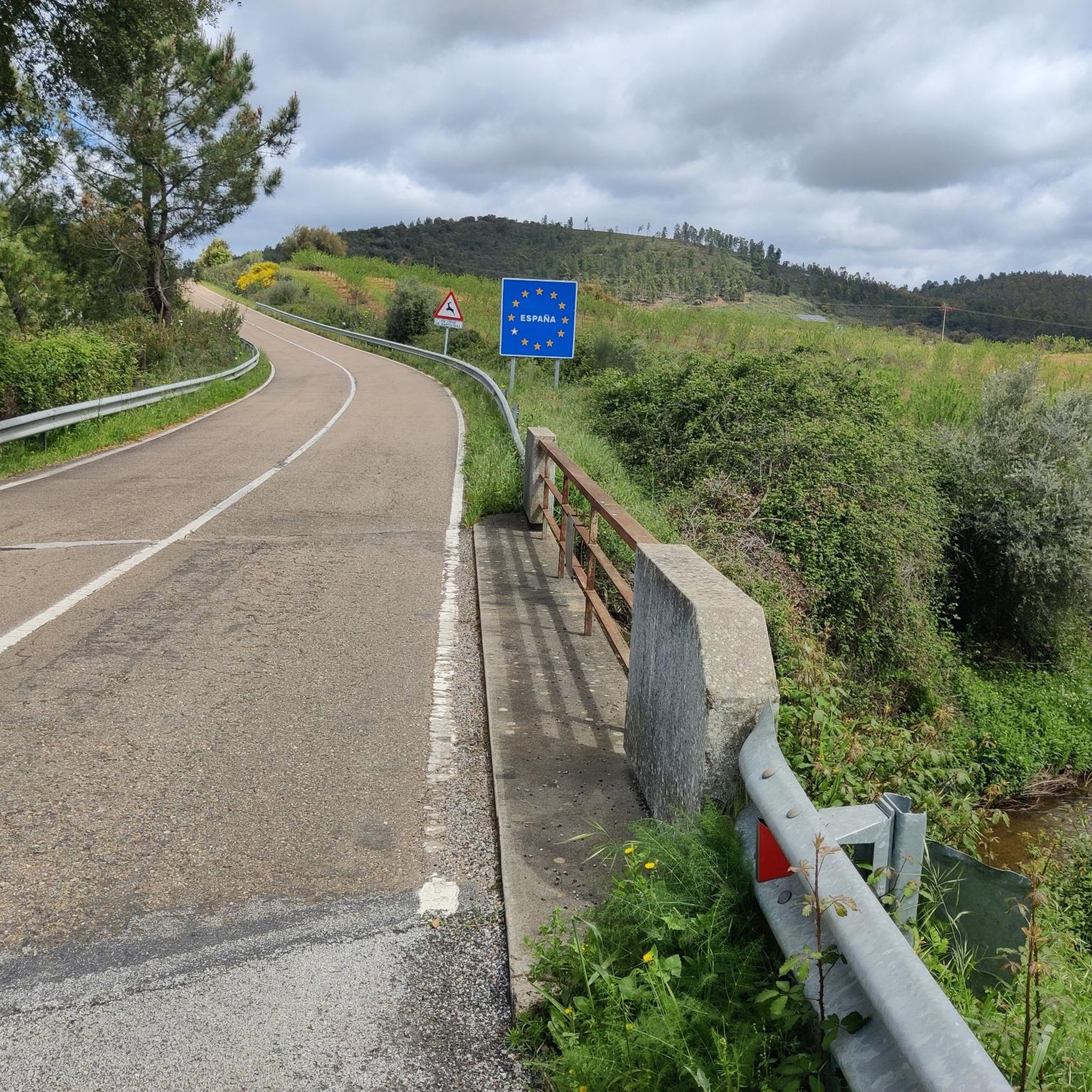
Beautiful bridge, on the side, below the road, swallows have built their nests, in the evenings they fly and hunt insects.
1
0
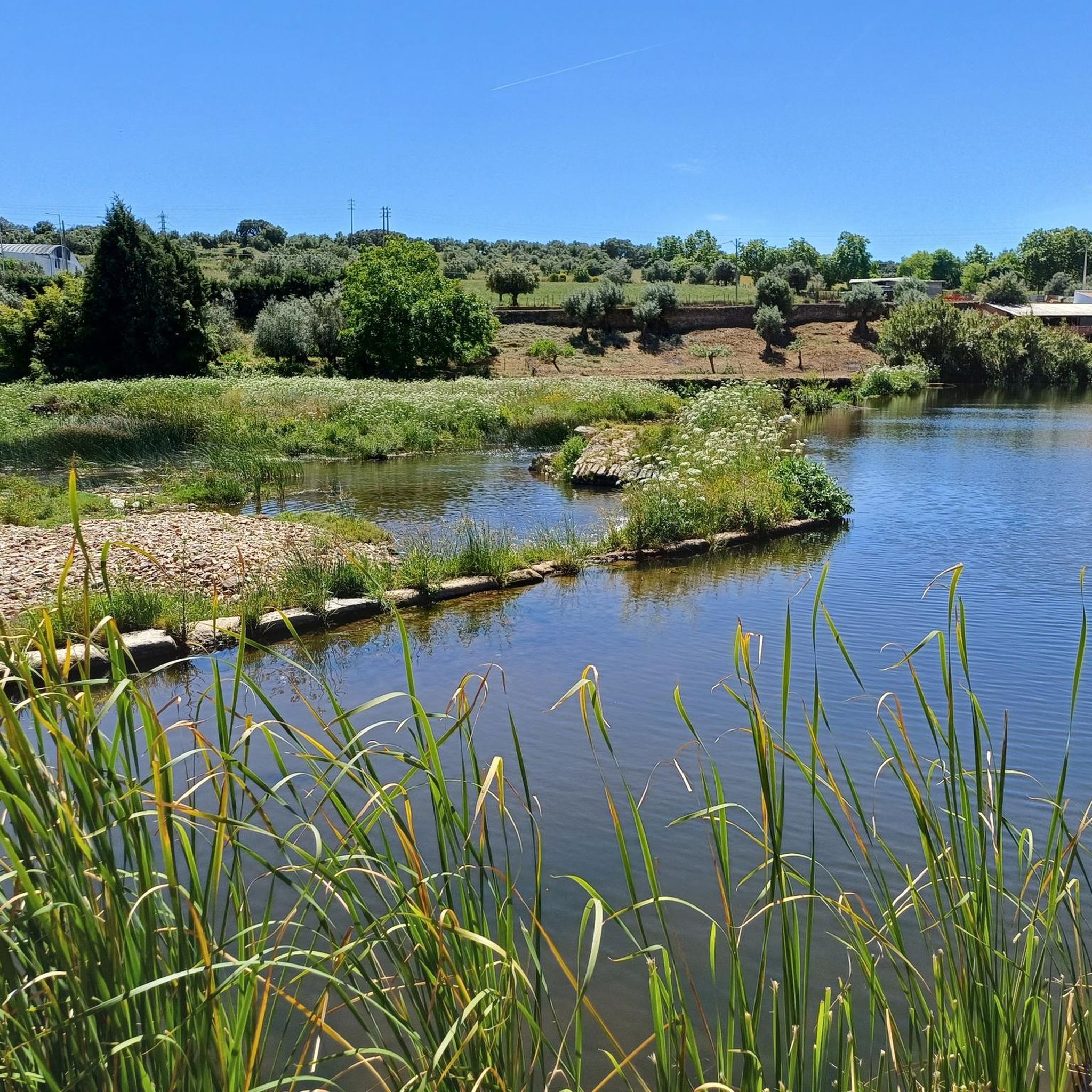
Bridge over the Caia river in Arronches.
1
0
The main waterfall in the São Mamede mountain range. Difficult access. As of April 2024, it will have a viewpoint with an exceptional view of the waterfall.
1
0

Since the Jardim do Fosso is one of the most coveted spaces for citizens and visitors to the Municipality, it is imperative that it is presented in the best conditions to receive them, so that the Municipality, in addition to the daily maintenance already carried out in the green spaces of the community, has done some work to add even more vibrancy to this place. Having already replaced the public lighting in this garden, the Arronches City Council installed a new water source that gives a new look to the space that hosts annual events such as the São João Balls or the Alto Alentejo Dog Show.
2
0
Frequently Asked Questions
What kind of historical sites can I explore around Esperança?
Esperança and its surroundings are rich in history. You can visit the impressive Alegrete Castle and Praça da Feira, a medieval fortress offering spectacular views and insights into the region's defensive past. The area is also known for its prehistoric rock art, including sites like Vale de Junco (Lapa dos Gaivões) and Pinho Monteiro, which feature rare cave paintings dating back to the Neolithic and Chalcolithic periods. Additionally, the 16th-century Igreja de Nossa Senhora da Esperança, with its Renaissance altarpiece, is a significant cultural landmark.
Are there any natural attractions or viewpoints near Esperança?
Yes, Esperança is situated within the Parque Natural da Serra de São Mamede, offering diverse natural beauty. A must-see is the Cabroeira Waterfall, the main waterfall in the São Mamede mountain range, which now features a viewpoint for exceptional views. The natural park itself provides opportunities to explore varied flora and fauna. You can also enjoy views of the Alentejo plain from the historic Alegrete Castle.
What outdoor activities can I do around Esperança?
The region around Esperança is excellent for outdoor enthusiasts. You can find numerous routes for both hiking and road cycling. For hiking, consider trails like the 'Our Lady of Lapa Trail (PR1)' or the 'Beautiful Cork Oak Forest loop'. If you prefer cycling, options include the 'Arronches, Alegrete and Esperança Loop' or the more challenging 'Cabroeira Climb – São Mamede Trail loop'. You can find more details on these and other routes in the hiking guide and road cycling guide for Esperança.
Are there family-friendly places to visit in Esperança?
Absolutely! Families can enjoy the Jardim do Fosso in Arronches, a well-maintained public garden that serves as a social and cultural hub, often hosting events. The Bridge over the Caia River is also a pleasant spot, where you can observe swallows nesting beneath its structure. Exploring the traditional Alentejan architecture in the villages can also be an engaging activity for all ages.
What is the best time of year to visit Esperança?
Esperança offers attractions year-round, but the best time depends on your interests. The natural park is beautiful in spring and autumn for hiking. If you're interested in local traditions, the annual pilgrimage to the Igreja de Nossa Senhora da Esperança takes place on the first weekend of August. Summer also brings local events to places like Jardim do Fosso. Consider the warmer temperatures if planning extensive outdoor activities during peak summer months.
What is Esperança known for culturally?
Esperança is known for its rich local heritage, traditional Alentejan architecture, and historical significance. The area boasts prehistoric rock art, including rare cave paintings, and traditional low-rise houses with distinctive white lime exteriors and painted fringes. The Centro de Interpretação da Identidade Local provides further insights into the local culture and identity.
Can I see traditional architecture in Esperança?
Yes, Esperança is a great place to observe traditional Alentejan architecture. You'll find charming low-rise houses with large chimneys, typically featuring white lime exteriors often adorned with painted fringes in colors like yellow and blue. This architectural style is characteristic of the region and adds to the area's unique charm.
Is there a place to relax or enjoy public spaces in the area?
The Jardim do Fosso in Arronches is an ideal green area for relaxation. It's a much-loved public space that has received recent improvements, including new street lighting and a fountain, making it a vibrant spot for both residents and visitors. It's also a focal point for significant annual events.
What unique geographical features can I find near Esperança?
A unique geographical feature is the village of Marco, which is split between Esperança in Portugal and the Spanish municipality of La Codosera. A pedestrian bridge connects the two parts of the village, offering an interesting cross-border experience.
What do visitors enjoy most about the attractions around Esperança?
Visitors particularly appreciate the blend of natural beauty and historical depth. The stunning views from Alegrete Castle over the Alentejo plain are often highlighted as a 'comfort for the soul'. The unique sight of swallows nesting under the Bridge over the Caia River also captures attention, and the newly accessible viewpoint at Cabroeira Waterfall is a popular draw for its exceptional natural scenery.
Are there any challenging outdoor activities available?
For those seeking a challenge, the access to the Cabroeira Waterfall is noted as difficult, making it an adventurous destination. Additionally, some road cycling routes, such as the 'Cabroeira Climb – São Mamede Trail loop', are rated as difficult, providing a strenuous workout amidst scenic landscapes.
Most popular routes around Esperança

Get inspired with the komoot mobile app


Explore more
Still not found the Highlight you’re looking for? See guides of the top attractions in other regions:
