Attractions and Places To See around São João Baptista - Top 5
Best attractions and places to see around São João Baptista are primarily located in Portugal, within the Alentejo region near the Spanish border. This area is historically significant, featuring medieval military fortresses that once formed a crucial line of defense. Visitors can explore cultural sites and unique architectural examples, reflecting centuries of history and local traditions. The landscape offers opportunities to discover historical sites and settlements.
Best attractions and places to see around São João Baptista
- The most popular attractions…
Last updated: May 21, 2026
Capela dos Ossos de Campo Maior
Highlight • Religious Site
Translated by Google •
Tip by

Castle of Campo Maior
Highlight • Castle
Translated by Google •
Tip by
Sign up now to discover places like this
Get recommendations on the best single tracks, peaks, & plenty of other exciting outdoor places.
Sign up for free
Ouguela Castle
Highlight • Castle
Tip by

Rincón de Gila
Highlight • Historical Site
Translated by Google •
Tip by

Elvas Train Station Azulejos
Highlight • Monument
Translated by Google •
Tip by

Sign up for free to discover even more attractions around São João Baptista.
Sign up for free
Already have an account?
Start today with a free account
Your next adventure awaits.
Login or Signup

Tips from the Community

The entire façade of the station is covered in azulejos (pictures made of colorfully painted and glazed ceramic tiles). The motifs range from the famous aqueduct to landscapes and views of the city to scenes from agriculture.
1
0


The Castle of Campo Maior is a medieval military fortress located in the civil parish of São João Bapista, municipality of Campo Maior, part of a first line of defense in the Portuguese Alentejo, facing Spain, associated with the military fortresses of Ouguela, Elvas, Olivença and Juromenha.
6
0
Because of its aesthetic uniqueness, the Capela dos Ossos de Campo Maior is one of the most important and original examples of Christian funerary art in Portugal. Little is known of the construction of the Bones Chapel itself, which was probably promoted around 1766 by the Confraria das Almas de Campo Maior. This chapel is closely linked to an unmissable historical episode: the explosion of the castle warehouse by a lightning strike, after which half of the village was destroyed, counting 316 dead and about 2 thousand wounded according to local records. Popular legend has it that the chapel was decorated with the bones of those who died in the explosion. Through the restoration process and the anthropological and archaeological survey, it has been established that the bones inside the chapel show no signs of violent impact, meaning that this legend will have no lasting basis. The chapel's bones are believed to have come from the graveyard of the Mother Church, which was completely redesigned when the village was rebuilt after the explosion. In fact, only many scattered bones were identified during the archaeological excavation of the cemetery to promote accessibility to the Mother Church. The absence of long bones and skulls seems to indicate that this area of the burial chamber surrounding the church was encased. ……
5
0

Recent intervention in the monument makes this border destination an excellent option for those who enjoy walking through preserved historic areas.
1
0

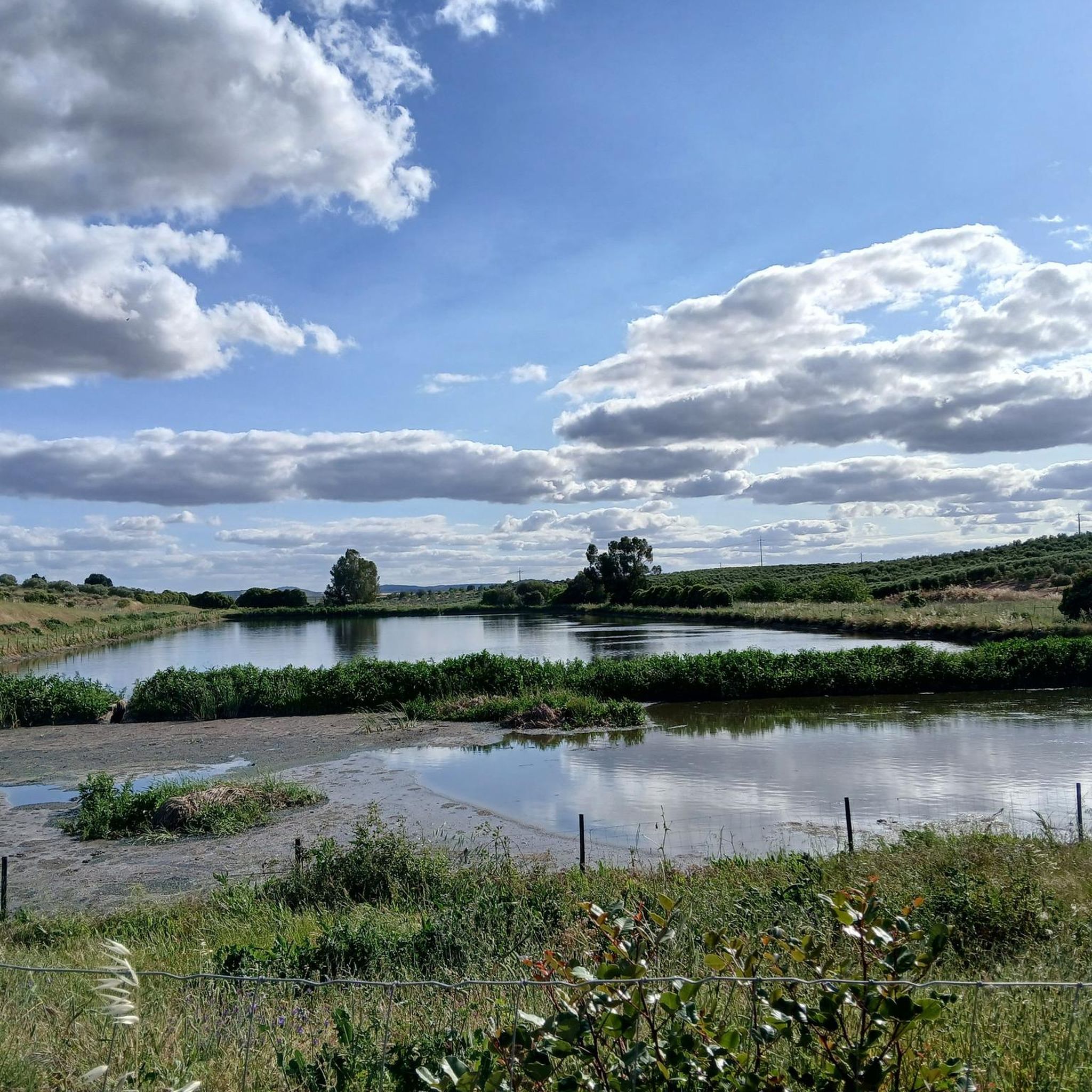
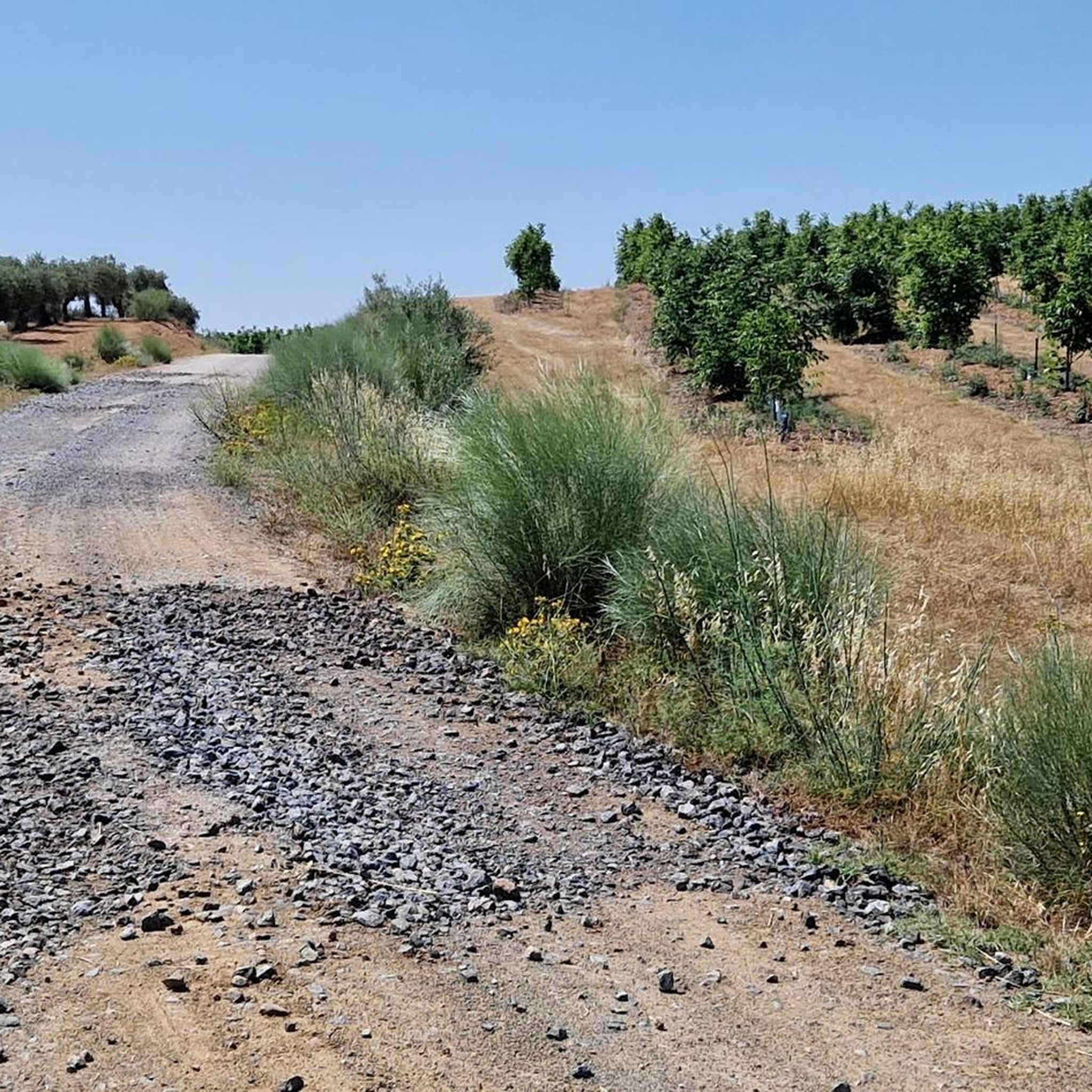
Rolling along the beautiful paths typical of Extremadura, we come across Rincón de Gila, located about 20 kilometers from the city of Badajoz. This farm supposedly hides a Roman villa to be discovered (ruins and Roman remains of considerable importance).
1
0

small castle, well conserved but really simple. There is a cafe open sometimes there
1
0
Frequently Asked Questions
Which São João Baptista region does this guide cover?
This guide focuses on attractions around São João Baptista located in Portugal, specifically within the Alentejo region near the Spanish border. This area is known for its historical significance, featuring medieval military fortresses and unique cultural sites.
What historical sites can I visit in the São João Baptista area?
The region is rich in history. You can explore the medieval military fortress of Castle of Campo Maior, which was a key part of Portugal's defense against Spain. Another significant historical site is Ouguela Castle, a small but well-preserved border destination. Additionally, Rincón de Gila, located about 20 kilometers from Badajoz, is an historical site that supposedly hides a Roman villa.
Are there any unique cultural or religious attractions?
Yes, the Capela dos Ossos de Campo Maior is a must-see. It's a religious building considered one of the most important and original examples of Christian funerary art in Portugal, uniquely decorated with bones believed to have come from the Mother Church's graveyard. Another cultural highlight is the Elvas Train Station Azulejos, where the entire façade is covered in colorful, glazed ceramic tiles depicting local scenes and history.
What outdoor activities are available near these attractions?
The area around São João Baptista offers various outdoor activities. You can find numerous routes for mountain biking, road cycling, and running. For example, there are moderate MTB trails like the 'Alcazaba of Badajoz – Cathedral of Saint John the Baptist loop' and road cycling routes such as the 'Badajoz and Campo Maior Loop'. Running enthusiasts can enjoy easy to moderate loops around Campo Maior. You can find more details on these activities in the dedicated guides for MTB Trails, Road Cycling Routes, and Running Trails.
Are there any wheelchair accessible attractions?
Yes, the Elvas Train Station Azulejos is noted as being wheelchair accessible, allowing visitors to appreciate the beautiful tile artwork covering its façade.
What do visitors enjoy most about the attractions in this region?
Visitors particularly appreciate the historical depth and unique cultural aspects of the region. The aesthetic uniqueness of the Capela dos Ossos de Campo Maior and the well-preserved historical areas around Ouguela Castle are frequently highlighted. The region's role as a former line of defense, evident in its fortresses, also captivates many.
Are there any natural features or viewpoints to enjoy?
While the primary focus is historical and cultural, Ouguela Castle offers a viewpoint from its preserved historic area. The broader Alentejo region provides scenic landscapes typical of border areas, which can be enjoyed along the various cycling and running routes.
Can I find any hidden gems or lesser-known spots?
Rincón de Gila could be considered a hidden gem. It's a historical site along the beautiful paths of Extremadura, with potential Roman ruins yet to be fully discovered. Its location off the main tourist path offers a chance for a more secluded historical exploration.
What is the best time to visit the attractions around São João Baptista?
The Alentejo region of Portugal generally experiences hot, dry summers and mild winters. Spring (April-May) and autumn (September-October) are often ideal for visiting, as the weather is pleasant for exploring historical sites and engaging in outdoor activities without extreme heat.
Are there any family-friendly activities or attractions?
Exploring the castles, such as the Castle of Campo Maior and Ouguela Castle, can be an engaging activity for families interested in history and medieval architecture. The visual appeal of the Elvas Train Station Azulejos can also be interesting for all ages.
How can I get to the attractions using public transport?
While specific public transport details for each attraction are not provided, the Elvas Train Station Azulejos is located at a train station, suggesting accessibility by rail to Elvas. For other attractions, particularly those in more rural settings like the castles, a car is generally recommended for convenience and flexibility in exploring the region.
Most popular routes around São João Baptista

Get inspired with the komoot mobile app


Explore more
Still not found the Highlight you’re looking for? See guides of the top attractions in other regions:
