The best road cycling routes around Santa Maria Da Devesa
5.0
(6)
193
riders
25
rides
Road cycling routes around Santa Maria Da Devesa traverse a varied landscape characterized by the hilly terrain of the Serra de São Mamede Natural Park. The region features significant elevation changes, offering challenging climbs and descents. Routes often connect historical villages perched on mountain tops and areas with ancient Roman ruins, providing diverse scenery for cyclists. The presence of river areas and preserved historical architecture further defines the cycling experience.
Best road cycling routes around Santa Maria Da Devesa
- The…
Last updated: May 21, 2026
25
riders
73.2km
03:32
1,030m
1,030m
Hard road ride. Very good fitness required. Mostly well-paved surfaces and easy to ride.
18
riders
58.1km
02:59
930m
930m
Hard road ride. Very good fitness required. Mostly well-paved surfaces and easy to ride.

Sign up for free
11
riders
9.43km
00:33
210m
210m
Easy road ride. Great for any fitness level. Mostly well-paved surfaces and easy to ride.
10
riders
32.3km
01:28
350m
340m
Moderate road ride. Good fitness required. Mostly well-paved surfaces and easy to ride.
13
riders
58.9km
03:14
1,110m
1,110m
Hard road ride. Very good fitness required. Mostly well-paved surfaces and easy to ride.
Get access to more routes and recommendations from other explorers.
Sign up for free
Already have an account?
Our route recommendations are based on thousands of hikes, rides, and runs completed by other people on komoot.
Start today with a free account
Your next adventure awaits.
Login or Signup

Tips from the Community

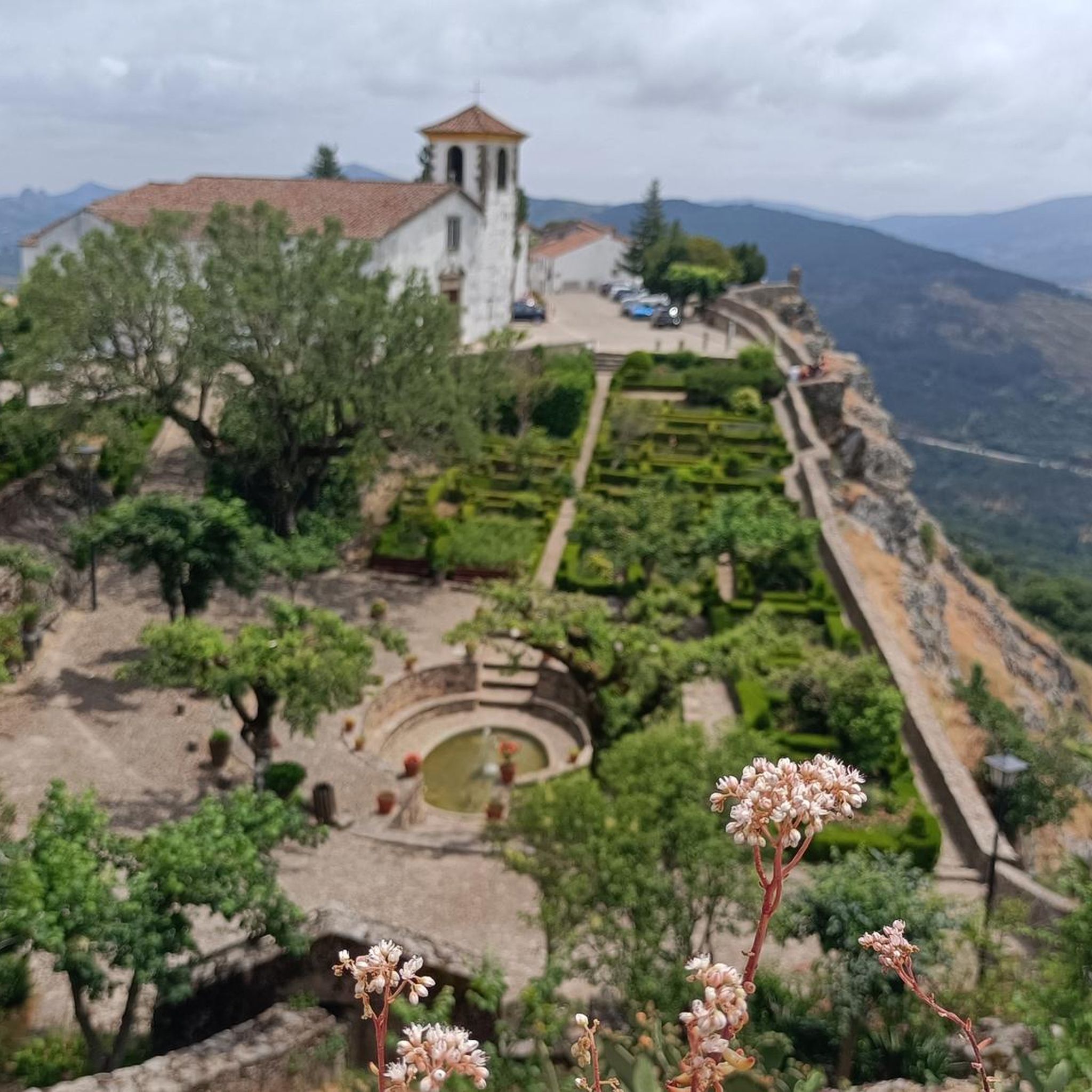
Far in the northeast of Alentejo lies Castelo de Vide, just a few kilometers from the border with Spain. The town is often called Cidade branca (white city), which is primarily due to the pretty whitewashed houses of the town. The highlight of the town (besides its great location in the Parque Natural da Serra de São Mamede) is the 14th-century Castelo de São Roque. From the castle, you have a fantastic view of the old town. Other sights in Castelo de Vide include the old Jewish quarter with the oldest synagogue in Portugal and the numerous churches and chapels of the town.
1
0


The castle was founded by King D. Dinis in 1290, with the aim of defending the Alentejo border. Originally, it had an imposing structure with a double ring of walls, twelve towers and eight gates. Over the centuries, it lost part of its structure to the growth of the city, but it remains a National Monument. The Keep is the best-preserved part of the original complex. Inside, there is a museum that you can visit.
1
0
Imposing building in which the Centro de Dia senior center is located
2
0

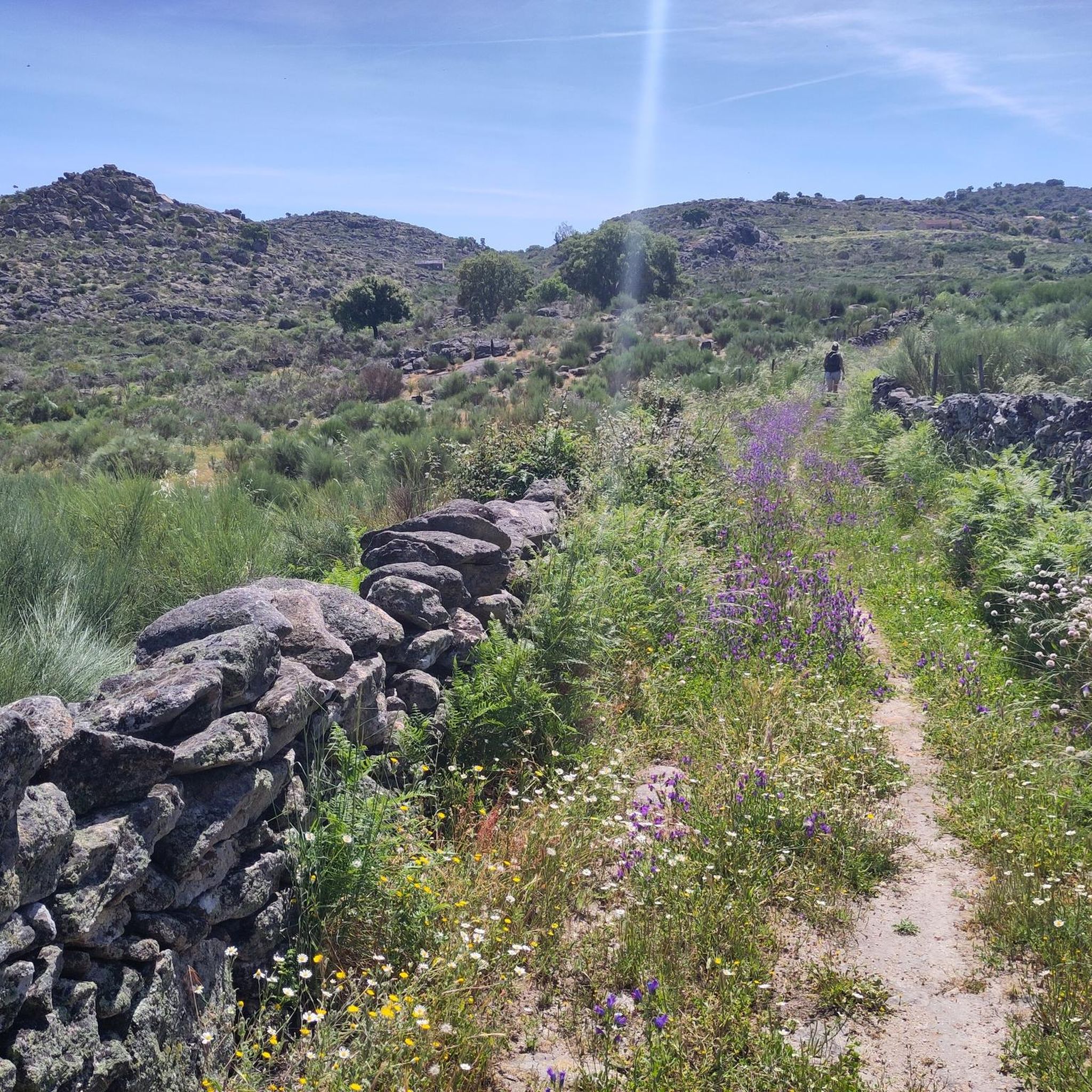
The chafurdão is a traditional dry-stone shelter with a false dome, typical of the region’s vernacular heritage. Though most surviving examples are recent (the oldest dated to 1733), they follow ancient construction techniques. Oriented toward sunrise, these structures include ventilation and lighting through wall openings. Built for temporary use by farmers and shepherds, they often have walled pens and a compact earth-covered roof stabilized by stone capping.
0
0
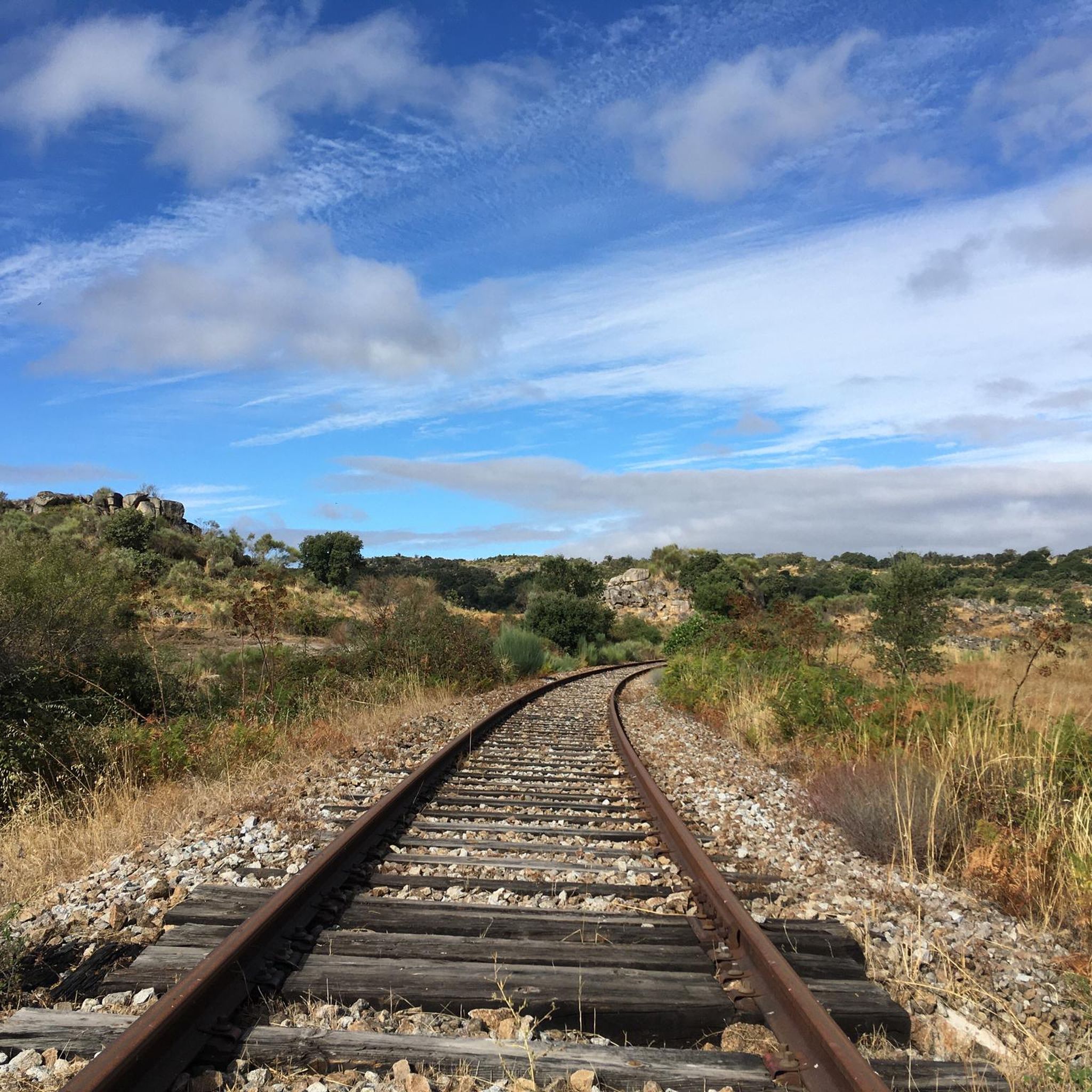
You can cycle on the dam and watch the reservoir from this viewpoint.
0
0
The chafurdão is a traditional dry-stone shelter with a false dome, typical of the region’s vernacular heritage. Though most surviving examples are recent (the oldest dated to 1733), they follow ancient construction techniques. Oriented toward sunrise, these structures include ventilation and lighting through wall openings. Built for temporary use by farmers and shepherds, they often have walled pens and a compact earth-covered roof stabilized by stone capping.
0
0
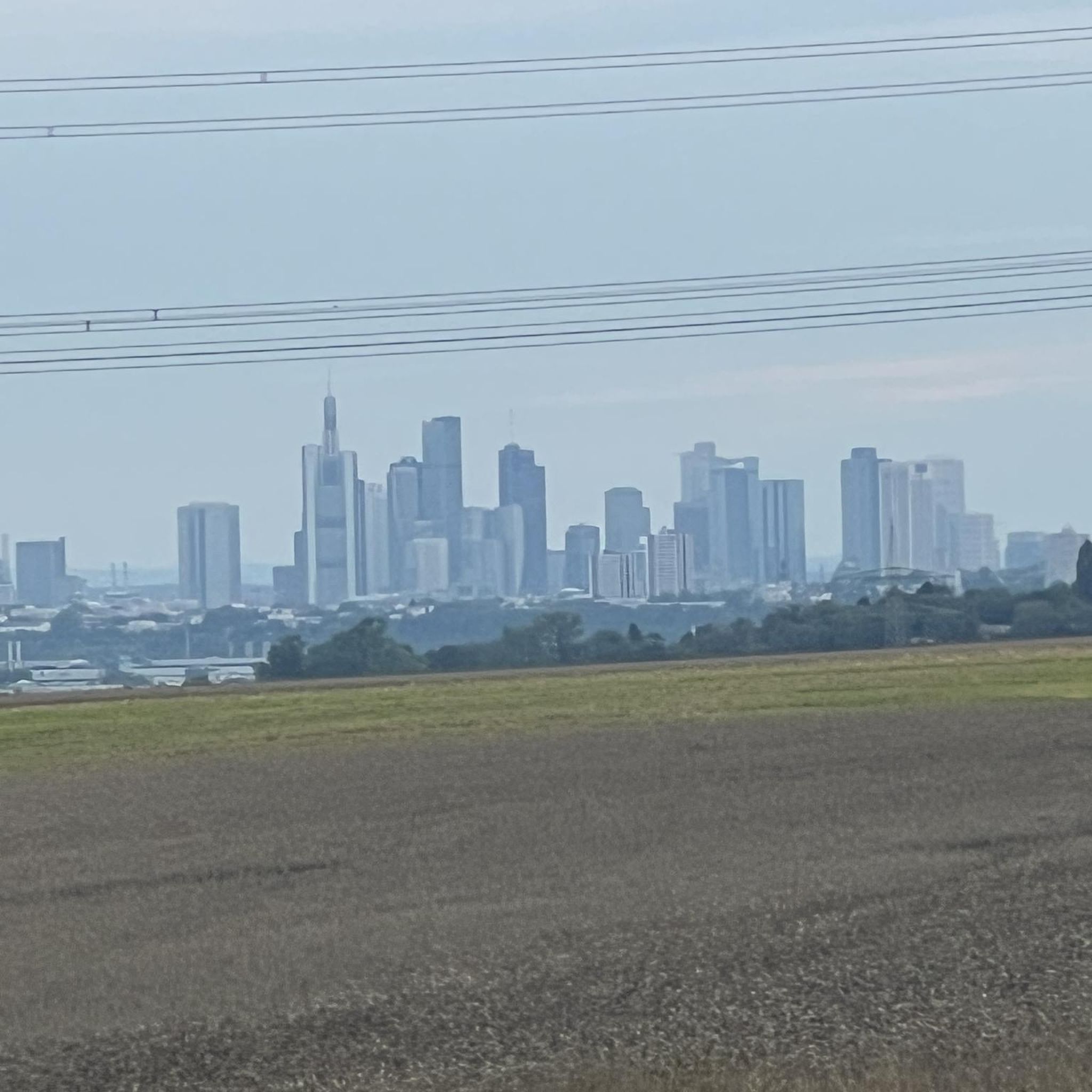
Portalegre is a historic town in the Serra de São Mamede near the Spanish border, known for its medieval strategic role and rich religious and architectural heritage. It became a city in the 16th century under King João III. Today, it blends baroque charm with cultural landmarks like the Tapestry Museum and José Régio’s House-Museum.
0
0
Frequently Asked Questions
How many road cycling routes are available around Santa Maria Da Devesa?
There are over 25 road cycling routes around Santa Maria Da Devesa, offering a diverse range of experiences from moderate to difficult. This includes 2 easy, 14 moderate, and 9 difficult routes, catering to various fitness levels.
What is the best time of year for road cycling in Santa Maria Da Devesa?
The region offers appealing conditions for road cycling for much of the year. While specific best times aren't detailed, the diverse landscapes and historical sites are enjoyable in milder weather. Consider avoiding the peak heat of summer if you prefer cooler rides.
Are there road cycling routes suitable for beginners in Santa Maria Da Devesa?
Yes, there are a few routes suitable for beginners. For example, the View of Castelo de Vide – Castelo de Vide loop from Castelo de Vide is an easy 9.4 km route with moderate elevation gain, perfect for those new to road cycling in the area.
Are there challenging road cycling routes with significant climbs?
Absolutely. The area around Santa Maria Da Devesa, particularly near Castelo de Vide and the Serra de São Mamede Natural Park, is known for its hilly terrain and considerable elevation changes. Routes like the difficult Marvão Walled Town and Castle – Castelo de Vide loop from Castelo de Vide feature over 1100 meters of elevation gain, providing a significant challenge.
Can I find circular road cycling routes in the area?
Many of the road cycling routes around Santa Maria Da Devesa are designed as loops, allowing you to start and finish in the same location. Examples include the Miradouro – Cidade romana de Ammaia loop from Castelo de Vide and the Castelo de Vide – Chafurdão of Vale de Cales loop from Castelo de Vide.
What historical sites or landmarks can I see along road cycling routes?
Road cycling routes often pass by significant historical sites. You can explore the Historic Village of Marvão with its stunning castle, the ancient Roman city ruins of Ammaia, or the well-preserved 16th century bridge of Portagem. The routes also offer glimpses of the charming town of Castelo de Vide.
Are there scenic viewpoints on the road cycling routes around Santa Maria Da Devesa?
Yes, the hilly terrain and natural park setting provide numerous scenic viewpoints. Routes often traverse the Serra de São Mamede Natural Park, offering picturesque natural scenery. The Historic Village of Marvão, perched on a mountain top, offers stunning panoramic views of the surrounding countryside, and routes like the Miradouro – Cidade romana de Ammaia loop include specific viewpoints.
Are there options for parking at road bike trailheads?
While specific trailhead parking information isn't detailed, many routes start from towns like Castelo de Vide. It's generally advisable to look for public parking areas within these towns, which serve as convenient starting points for your rides.
Is public transport accessible for reaching road cycling routes?
Information on specific public transport access directly to trailheads is limited. However, major towns in the region, such as Castelo de Vide, are typically served by regional public transport, which could provide access points to the cycling network.
Are there cafes or places to stop for refreshments along the routes?
Many road cycling routes pass through or near historical villages and towns like Castelo de Vide and Marvão. These settlements are likely to offer cafes, restaurants, and other amenities where you can stop for refreshments and breaks during your ride.
What do other road cyclists enjoy about the routes in Santa Maria Da Devesa?
The road cycling routes in Santa Maria Da Devesa are highly rated by the komoot community, with an average score of 5.0 stars. Cyclists often praise the varied terrain, which combines challenging climbs with scenic descents, and the opportunity to explore historical villages and natural park landscapes.
Are there long-distance road cycling routes available?
Yes, the region offers several longer-distance road cycling routes. For instance, the Castelo de Vide – Ruins loop from Castelo de Vide covers 65.4 km, and the Marvão Walled Town and Castle – Castelo de Vide loop is 58.9 km, providing ample distance for longer rides.
Most popular routes around Santa Maria Da Devesa
Most popular attractions around Santa Maria Da Devesa

Get inspired with the komoot mobile app


Explore more
Browse the best Road cycling routes in other regions.
