The best walks and hikes around Santiago Maior
4.6
(210)
701
hikers
37
hikes
Hiking trails around Santiago Maior traverse a landscape characterized by rolling hills and historical pathways. The region features a mix of natural trails, including those through the Serra de São Paulo, and routes connecting historical towns like Castelo de Vide. Elevation changes are generally moderate, making the area accessible for various hiking abilities.
Best hiking trails around Santiago Maior
- The most popular hiking route is Serra de São Paulo Trail (PR1), a 6.6 miles (10.6 km) trail that takes…
Last updated: July 8, 2026
4.8
(28)
82
hikers
10.6km
03:06
290m
290m
Moderate hike. Good fitness required. Easily-accessible paths. Suitable for all skill levels.
4.0
(1)
13
hikers
8.82km
02:33
220m
220m
Moderate hike. Good fitness required. Easily-accessible paths. Suitable for all skill levels.

Sign up for free
4.3
(3)
16
hikers
11.8km
03:19
240m
240m
Moderate hike. Good fitness required. Easily-accessible paths. Suitable for all skill levels.
4.5
(2)
10
hikers
Moderate hike. Good fitness required. Easily-accessible paths. Suitable for all skill levels.
5.0
(3)
15
hikers
10.5km
03:03
280m
280m
Moderate hike. Good fitness required. Easily-accessible paths. Suitable for all skill levels.
Get access to more routes and recommendations from other explorers.
Sign up for free
Already have an account?
Our route recommendations are based on thousands of hikes, rides, and runs completed by other people on komoot.
Start today with a free account
Your next adventure awaits.
Login or Signup
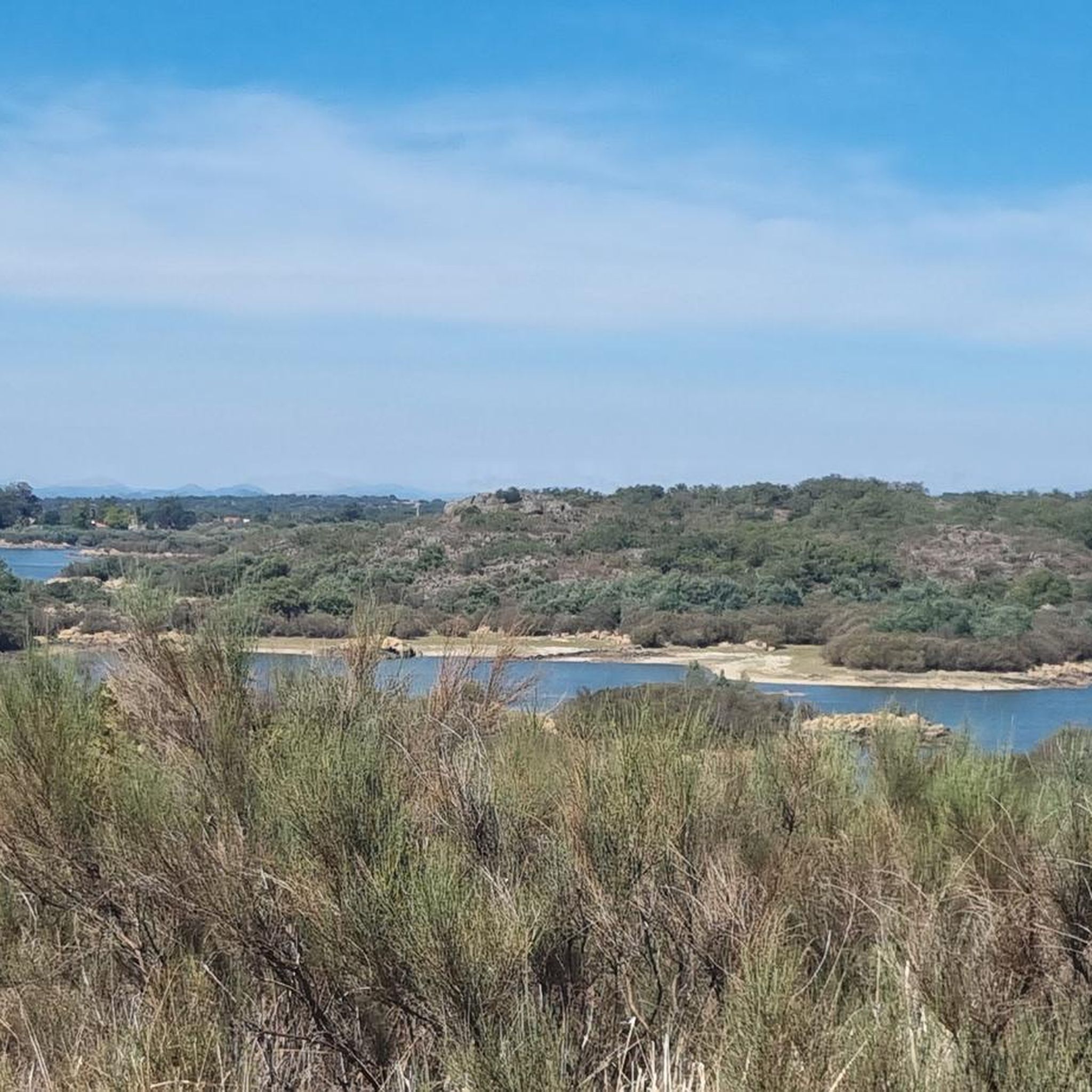
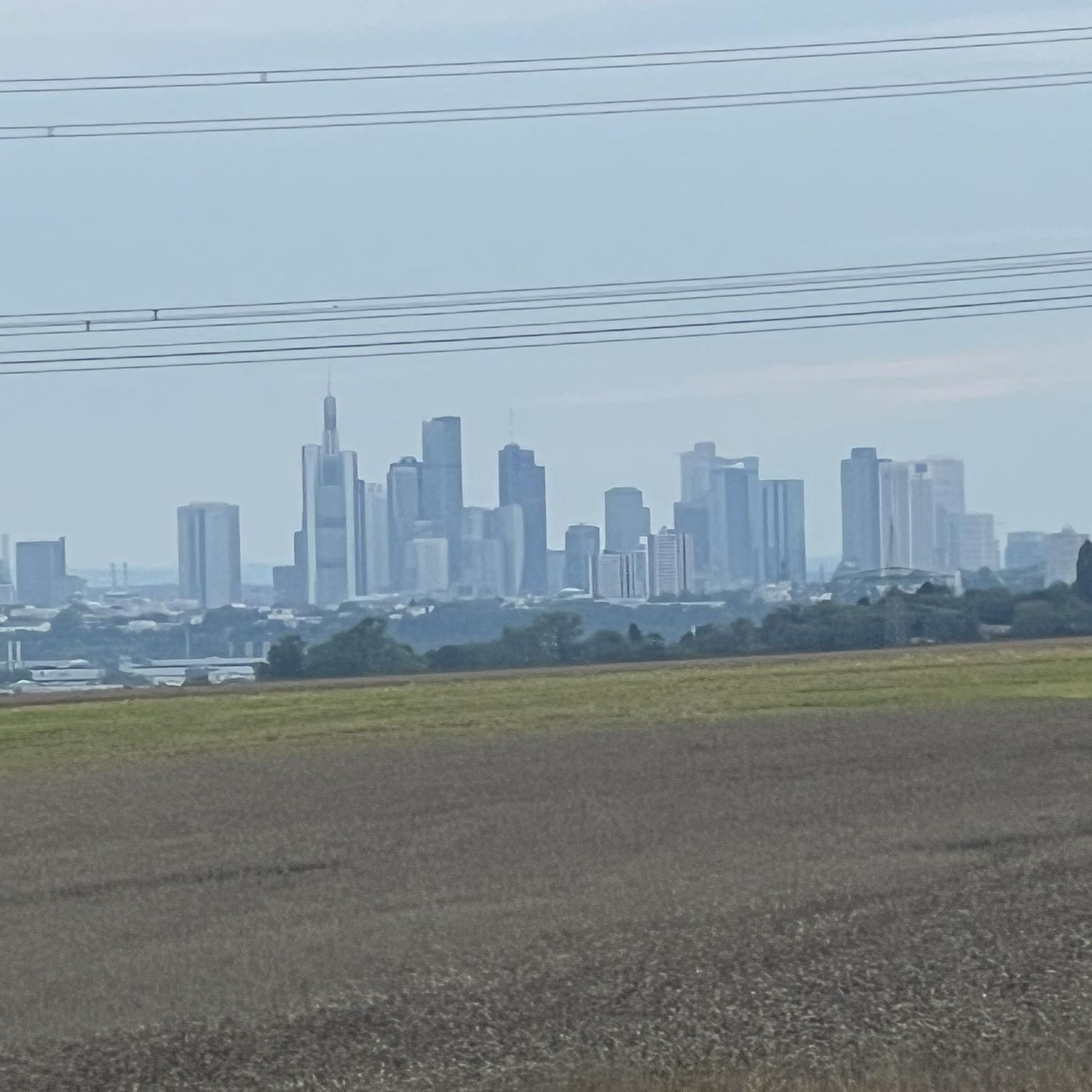
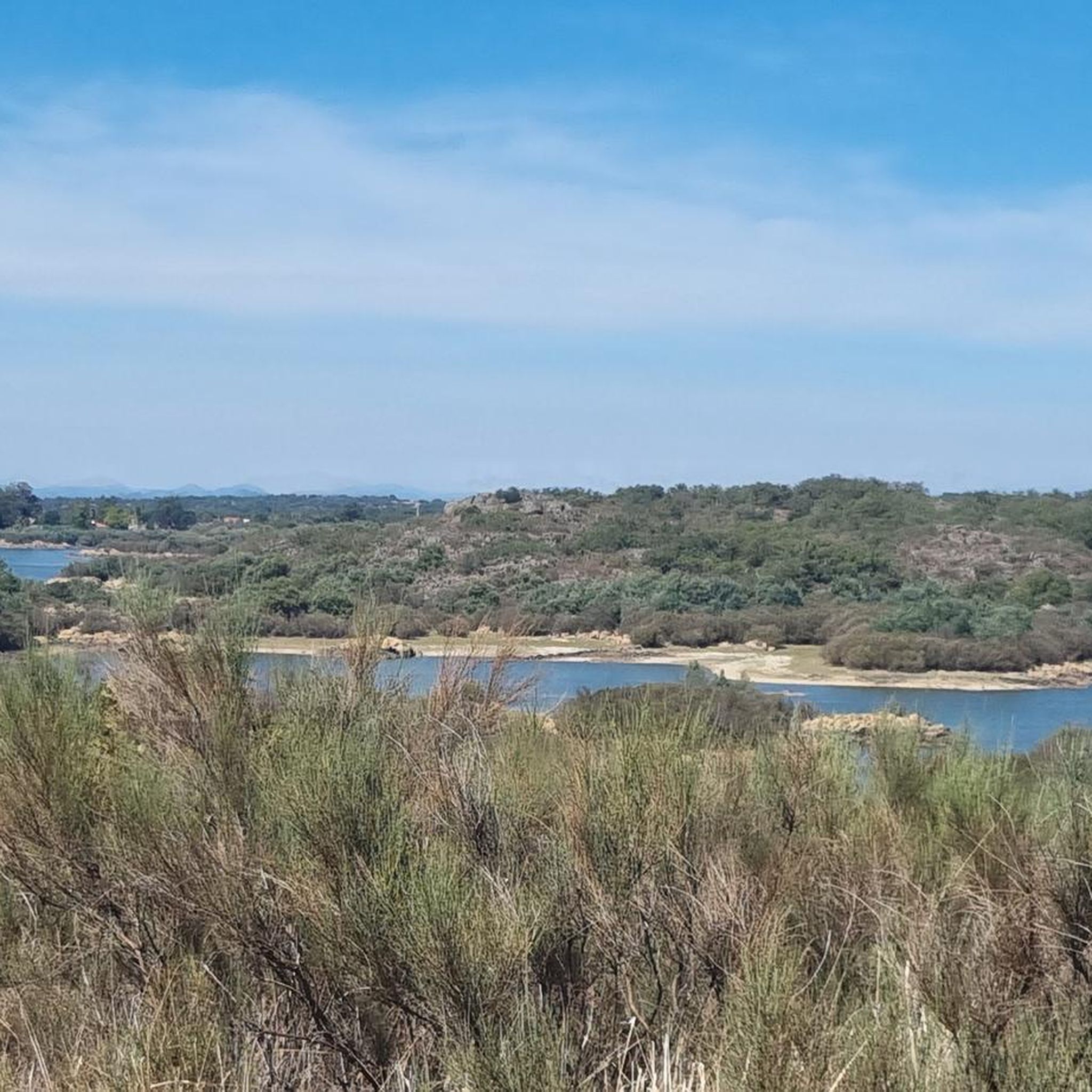
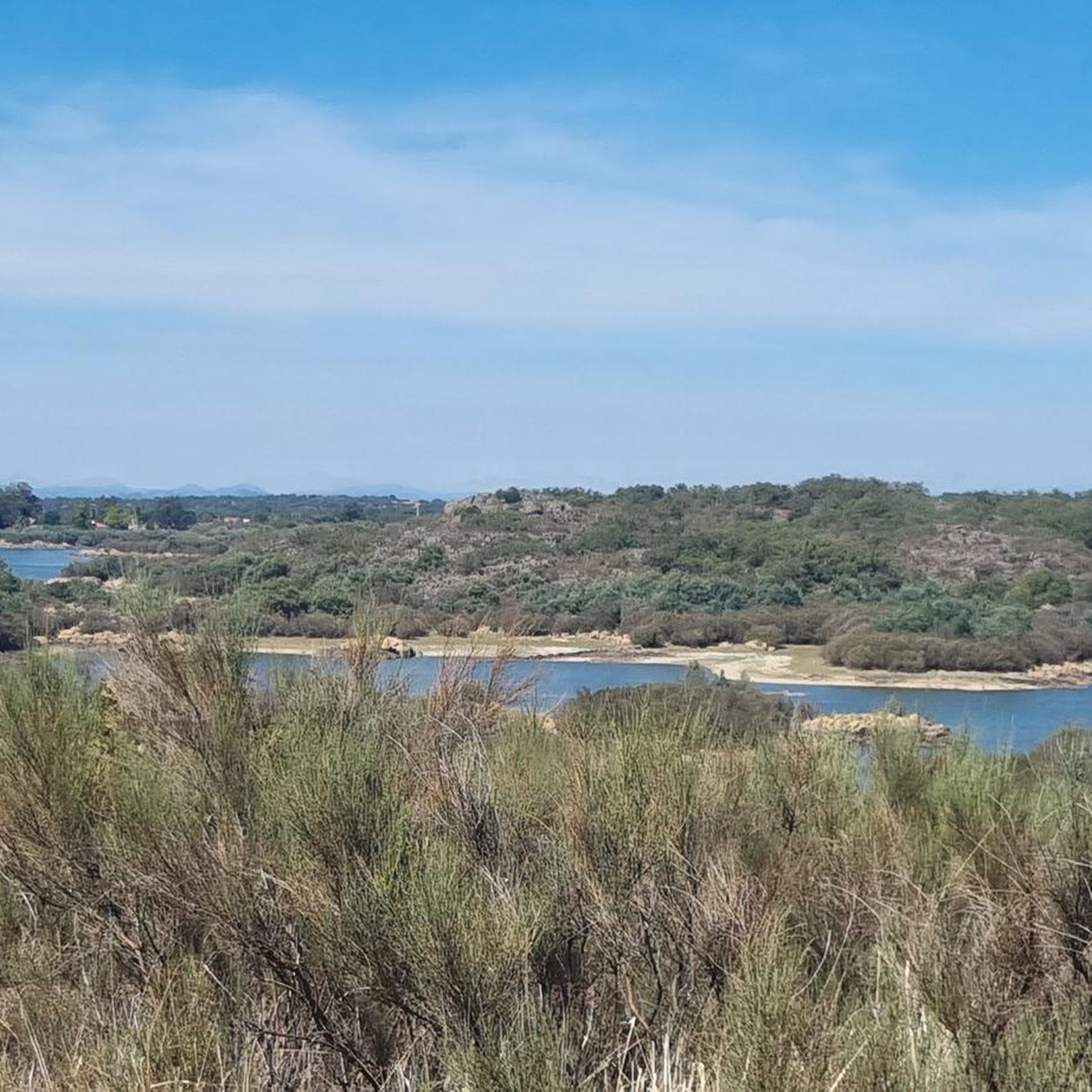

Tips from the Community

Far in the northeast of Alentejo lies Castelo de Vide, just a few kilometers from the border with Spain. The town is often called Cidade branca (white city), which is primarily due to the pretty whitewashed houses of the town. The highlight of the town (besides its great location in the Parque Natural da Serra de São Mamede) is the 14th-century Castelo de São Roque. From the castle, you have a fantastic view of the old town. Other sights in Castelo de Vide include the old Jewish quarter with the oldest synagogue in Portugal and the numerous churches and chapels of the town.
1
0
Castelo de Vide Castle, locally known as Castelo de Vide Castle, is located in the town of the same name in the Alto Alentejo region of Portugal. When the settlement and castle of Castelo de Vide were founded is unknown, but they were first mentioned in 1232, when it was in Portuguese hands. Afonso III of Portugal donated the town and castle, along with the towns and castles of Arronches, Marvo, and Portalegre, to one of his young sons, also called Afonso, around 1272. ... ...The destruction caused during the last two Spanish wars led to the abandonment of Castelo de Vide's fortifications in 1823, after which it fell into disuse... https://www.castles.nl/castelo-vide-castle Due to the small, insignificant castle and access restrictions, we decided not to visit the actual castle.
1
0
Construction of the Church of Santa Maria da Devesa began in 1789 on the site of a small chapel of the same name, founded in 1311 by Loureno Pires and his wife. It was completed around 1873. It is a large temple, perhaps the largest in the Alto Alentejo. The invocation to Santa Maria da Devesa is unique in our country, and it may be related not only to its location, which... https://castelodevide.pt/2000/igreja-de-santa-maria-da-devesa
2
0
On October 7, 1861, King Pedro V visited Castelo de Vide and called the town the "Sintra of the Alentejo." It was the monarch's last visit, as he died a month later. In honor of this visit, the residents erected a statue of the king, which was placed in the center of the square. He was the last king to visit Castelo de Vide.
1
0
A fountain dating from 1889, according to the inscription on the marble. It takes its name from the former residence of a goldsmith. It consists of four semicircular basins supported by a central column with four sides. In the center of each basin is a gargoyle with a copper spout.
1
0
Built in the 14th century, it is one of the oldest churches in Castelo de Vide. It belonged to the Order of Malta and was a commandery of nuns from Estremoz, who presumably founded the church. After several renovations over the centuries, it features Gothic and Baroque architecture. It consists of a single nave and a rectangular choir with a bell tower and sacristy. The main altarpiece is Baroque.
2
0
Imposing building in which the Centro de Dia senior center is located
2
0
It is the seat of the city administration of Castelo de Vide in the Alto Alentejo region.
1
0
Frequently Asked Questions
How many hiking trails are available around Santiago Maior?
There are over 35 hiking trails around Santiago Maior, offering a diverse range of experiences. These include 7 easy routes, 28 moderate routes, and 3 more challenging options, catering to various fitness levels and preferences.
Are there any easy or beginner-friendly hikes in Santiago Maior?
Yes, Santiago Maior offers 7 easy hiking routes perfect for beginners or those seeking a relaxed walk. These trails typically feature gentle terrain and shorter distances, making them accessible for a wide range of abilities.
What kind of terrain can I expect on hikes around Santiago Maior?
The hiking trails around Santiago Maior are characterized by rolling hills and historical pathways. You'll find a mix of natural trails, including those traversing the Serra de São Paulo, and routes connecting historical towns like Castelo de Vide. Elevation changes are generally moderate.
Are there any circular walks available in the area?
Yes, many routes around Santiago Maior are circular, allowing you to start and end at the same point. For example, the Medieval Cobbled Road loop from Castelo de Vide and the Castelo de Vide – Church of Saint John loop from Castelo de Vide are popular circular options.
What are some interesting historical sites or landmarks I can see while hiking?
The region is rich in history. Many trails pass through or near historical towns and sites. You can explore places like the historic village of Marvão, its impressive castle, or the charming town of Castelo de Vide. The Medieval Cobbled Road loop from Castelo de Vide specifically explores historical routes.
What do other hikers say about the trails in Santiago Maior?
The hiking trails in Santiago Maior are highly regarded by the komoot community, with an average rating of 4.6 stars from over 180 reviews. Hikers often praise the well-maintained historical pathways, the scenic rolling hills, and the cultural landmarks encountered along the routes.
Are there any family-friendly hiking options?
Many of the easy and moderate trails around Santiago Maior are suitable for families. Routes with moderate elevation changes and shorter distances, such as some of the 7 easy trails available, provide enjoyable experiences for all ages. Consider trails that pass through towns like Castelo de Vide for amenities.
What is the typical length and duration of hikes in Santiago Maior?
Hikes in Santiago Maior vary in length and duration. For instance, the Serra de São Paulo Trail (PR1) is about 6.6 miles (10.6 km) and takes around 3 hours. Shorter options are available, as are longer routes like the Camping Entrance – Cabeço do Nabo loop from Quinta do Pomarinho, which is nearly 8.6 miles (13.8 km).
Is it possible to hike in Santiago Maior during winter?
While the region generally has mild winters, it's always advisable to check local weather forecasts before heading out. The rolling hills and historical pathways are accessible year-round, but some trails might be muddy after rain. Dress in layers and wear appropriate footwear for winter conditions.
Are there any trails that offer good viewpoints?
Many trails in Santiago Maior, particularly those in the Serra de São Paulo or around elevated historical sites like Marvão, offer scenic viewpoints over the surrounding landscape of rolling hills and valleys. The specific views will depend on the chosen route.
Are dogs allowed on the hiking trails?
Generally, dogs are welcome on many hiking trails in Santiago Maior, especially in natural areas. However, it's always best to keep them on a leash, particularly near livestock or in protected areas. Check specific trail regulations if you plan to visit a nature reserve.
Where can I find parking for the trailheads?
Many trailheads in and around Santiago Maior, especially those starting from towns like Castelo de Vide or near popular attractions, typically offer designated parking areas. For more remote trails, roadside parking might be available, but it's always recommended to plan your starting point and check for parking options beforehand.
Most popular attractions around Santiago Maior

Get inspired with the komoot mobile app


Explore more
Browse the best Hikes in other regions.
