Attractions and Places To See around Caia E São Pedro - Top 20
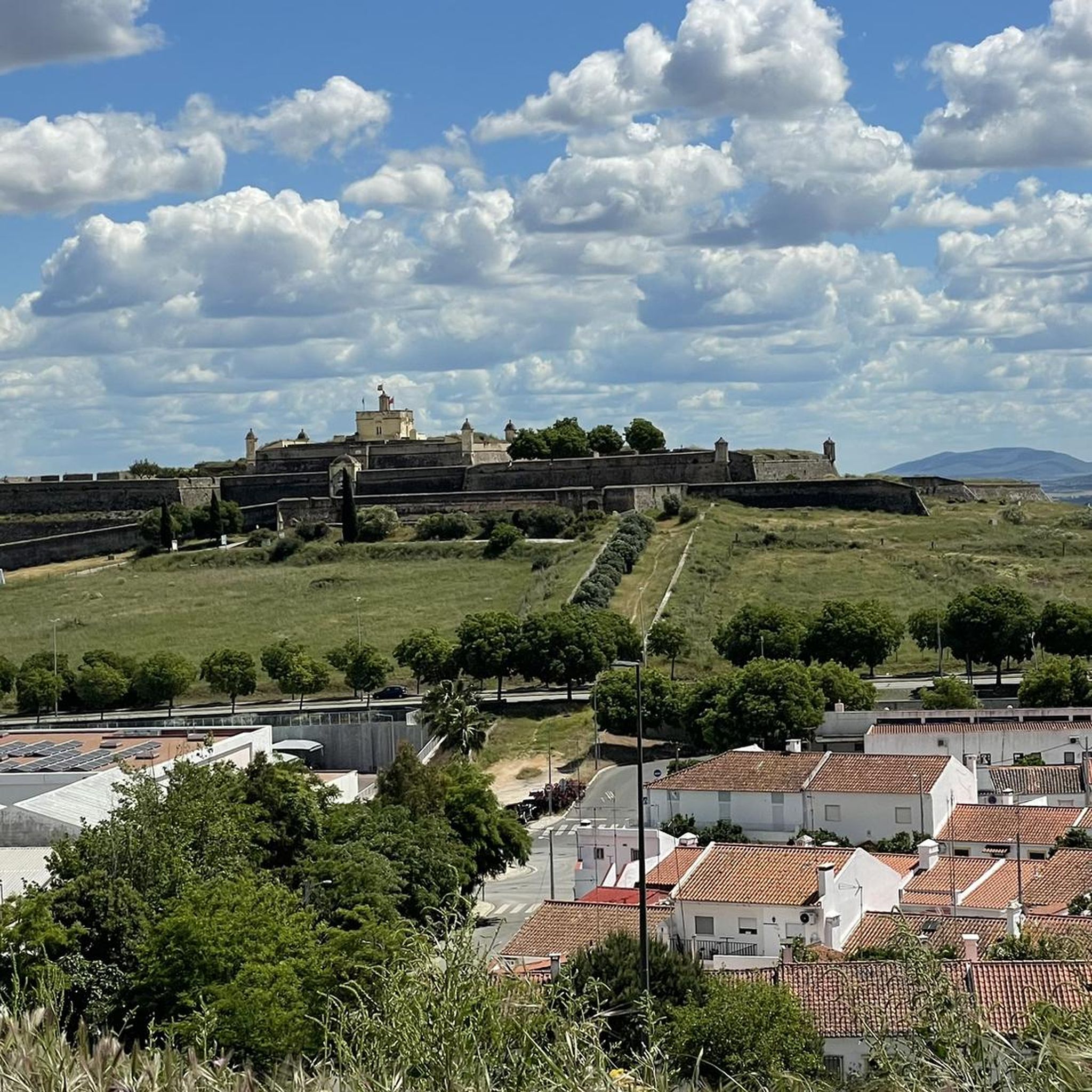
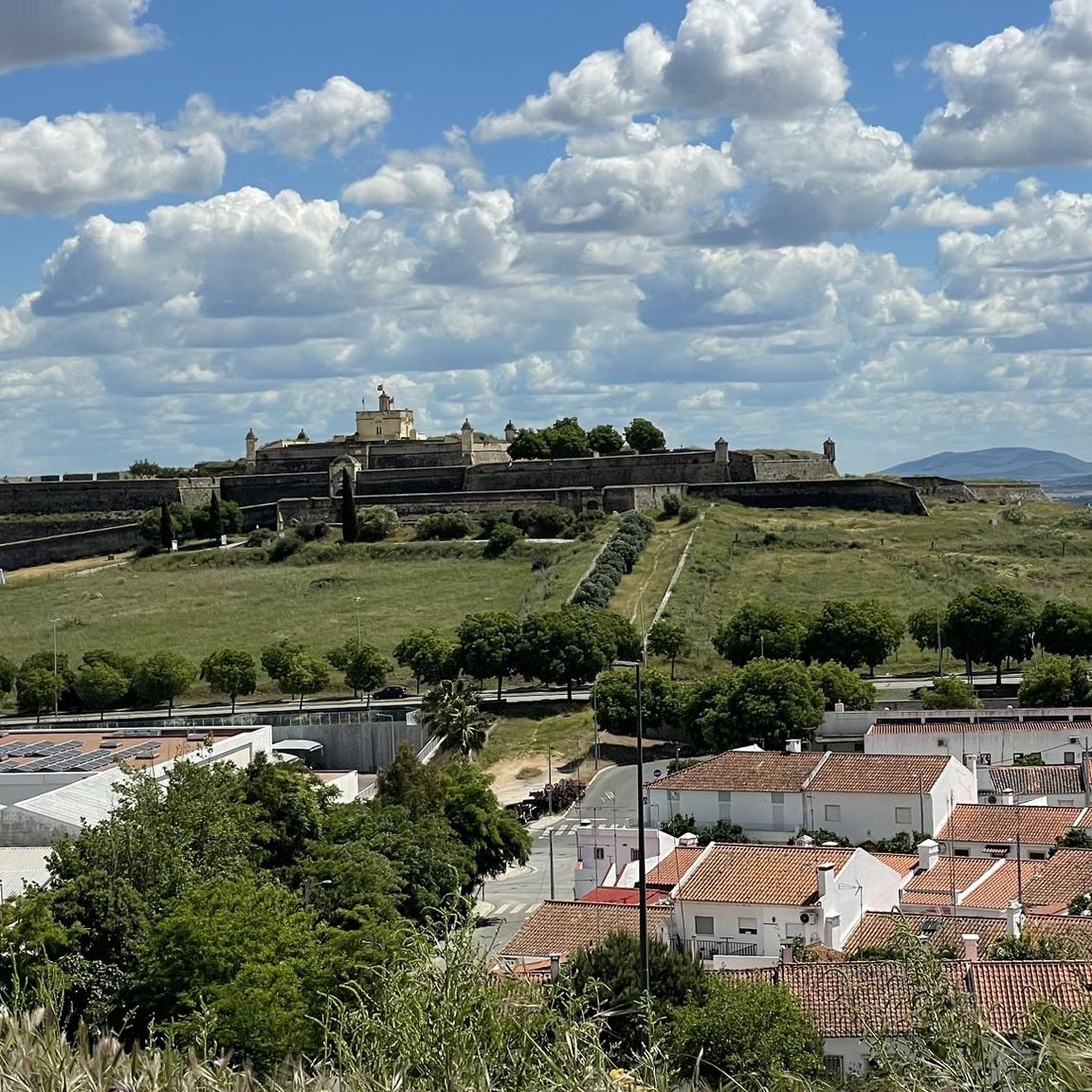
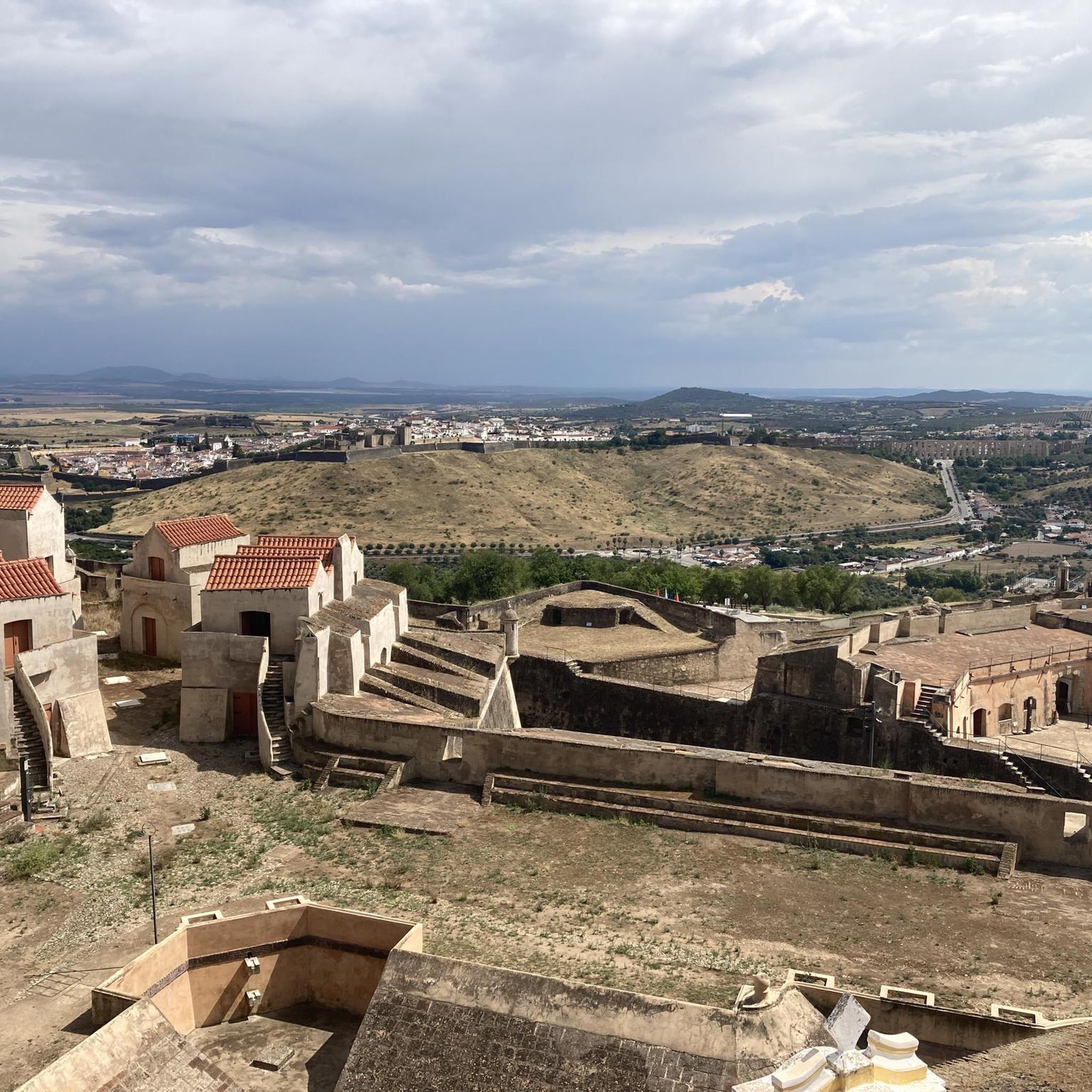
Best attractions and places to see around Caia E São Pedro include a rich blend of historical landmarks, cultural sites, and natural features. This area, now part of the larger civil parish of Caia, São Pedro e Alcáçova in the municipality of Elvas, Portugal, is integral to the UNESCO World Heritage Garrison Border Town of Elvas and its Fortifications. Visitors can explore centuries of history and captivating landscapes near the Spanish border. The region offers a deep dive into military…
Last updated: May 21, 2026
Amoreira Aqueduct
Highlight • Monument
Translated by Google •
Tip by

Puente de Palmas
Highlight • Bridge
Translated by Google •
Tip by

Sign up now to discover places like this
Get recommendations on the best single tracks, peaks, & plenty of other exciting outdoor places.
Sign up for free
Plaza Alta
Highlight • Historical Site
Translated by Google •
Tip by
Capela dos Ossos de Campo Maior
Highlight • Religious Site
Translated by Google •
Tip by

Alcazaba of Badajoz
Highlight • Castle
Translated by Google •
Tip by
Sign up for free to discover even more attractions around Caia E São Pedro.
Sign up for free
Already have an account?
Start today with a free account
Your next adventure awaits.
Login or Signup


Tips from the Community


If you pass through Badajoz, you shouldn't miss visiting at least its Puerta de Palmas, its Alcazaba, and its cathedral.
1
0

It connects the town of Amoreira to the city of Elvas. With a length of 8.5 kilometres, 843 arches with more than five arcades and towers that rise to 31 metres in height, it is considered the largest aqueduct in the Iberian Peninsula. It has been classified as a National Monument since 1910 and is part of the site called the Border and Garrison Town of Elvas and its Fortifications, classified by UNESCO as a World Heritage Site since 2012. (Source: Wikipedia)
14
1

The Palmas Bridge is the oldest bridge in Badajoz, situated over the Guadiana River. It was built in 1596 during the reign of Philip II, although it was built on a previous bridge dating from 1460. This Herrerian-style bridge is 585 metres long and has 32 arches. Over the centuries, the bridge has undergone several repairs due to flooding of the river. At one end of the bridge is the Puerta de Palmas, one of the main entrances to the city in times past, and at the other end, a hornwork built in the 17th century to protect the bridgehead.
6
0

Segovia is not the only city on the peninsula to have a Roman aqueduct. The Amoreia aqueduct is located in the parish of São Brás e São Lourenço, within the municipality of Elvas, district of Portalegre, in Portugal. It was declared a World Heritage Site in 2012. The Amoreira aqueduct is part of the "Border garrison and fortifications of the city of Elvas" complex.
10
1

In the town of Elvas stands the fascinating "Aqueduto da Amoreira". The structure is from the 16th century and supplied the city with water.
1
0
The Plaza Alta in the city of Badajoz was its nerve center for a long time, especially when the area of the Alcazaba began to become too small. This square also stands out, in addition to its history, for its excellent architecture, and among all its elements, its arches stand out, which served as shelter for lots of stalls during the markets that were held since the Middle Ages.
10
1

Because of its aesthetic uniqueness, the Capela dos Ossos de Campo Maior is one of the most important and original examples of Christian funerary art in Portugal. Little is known of the construction of the Bones Chapel itself, which was probably promoted around 1766 by the Confraria das Almas de Campo Maior. This chapel is closely linked to an unmissable historical episode: the explosion of the castle warehouse by a lightning strike, after which half of the village was destroyed, counting 316 dead and about 2 thousand wounded according to local records. Popular legend has it that the chapel was decorated with the bones of those who died in the explosion. Through the restoration process and the anthropological and archaeological survey, it has been established that the bones inside the chapel show no signs of violent impact, meaning that this legend will have no lasting basis. The chapel's bones are believed to have come from the graveyard of the Mother Church, which was completely redesigned when the village was rebuilt after the explosion. In fact, only many scattered bones were identified during the archaeological excavation of the cemetery to promote accessibility to the Mother Church. The absence of long bones and skulls seems to indicate that this area of the burial chamber surrounding the church was encased. ……
5
0
Frequently Asked Questions
What historical sites can I explore in Caia E São Pedro and the surrounding Elvas region?
The area is rich in history, being integral to the UNESCO World Heritage Garrison Border Town of Elvas. You can visit the impressive Alcazaba of Badajoz, a historic Muslim fortification, or explore the Elvas Castle. Other significant sites include Forte de Nossa Senhora da Graça and Forte de Santa Luzia, both key examples of military architecture from the Portuguese Restoration War.
Are there any impressive architectural marvels to see in the area?
Absolutely. The Amoreira Aqueduct is a remarkable 16th-century feat of engineering, spanning approximately 8.5 kilometers with 843 arches, some reaching 31 meters high. It's considered the largest aqueduct in the Iberian Peninsula and is a UNESCO World Heritage Site. Also, the Puente de Palmas, the oldest bridge in Badajoz, is an Herrerian-style bridge from 1596 with 32 arches.
What natural features define the landscape around Caia E São Pedro?
The Rio Caia forms a significant natural boundary and is a defining geographical feature. The Sítio do Caia, a Natura 2000 site, is characterized by the Caia River basin with cork oak and holm oak forests, olive groves, and a frequently flooded estuary that supports diverse herbaceous species, otters, and various fish.
Can I find family-friendly attractions in the area?
Many of the historical sites are suitable for families. The Puente de Palmas, Amoreira Aqueduct, and Plaza Alta are all categorized as family-friendly. Exploring the fortifications and the main squares offers an engaging experience for all ages.
What outdoor activities, like cycling or running, are available near these attractions?
The region offers various outdoor activities. For cycling, you can explore routes like the 'Guadiana Natural Trail' or the 'Amoreira Aqueduct – Forte da Graça loop'. Running enthusiasts can try routes such as the 'Amoreira Aqueduct – Forte da Graça loop from Elvas'. You can find more details on these and other routes in the Cycling around Caia E São Pedro and Running Trails around Caia E São Pedro guides.
Are there options for easy walks or more challenging hikes?
Yes, there are routes catering to different difficulty levels. For example, the 'Guadiana Natural Trail' is an easy cycling route that can also be enjoyed for walking. More challenging routes, such as the 'Amoreira Aqueduct – Forte da Graça loop from Elvas' for running, offer a more strenuous experience. Check the specific route guides for detailed difficulty grades.
Where can I find scenic viewpoints around Caia E São Pedro?
The Alcazaba of Badajoz, situated on the highest part of Badajoz, offers excellent viewpoints over the city and surrounding areas. The impressive scale of the Amoreira Aqueduct also provides scenic vistas, especially from its higher arches.
What is the cultural significance of Praça da República in Elvas?
The Praça da República is Elvas's main square and a central point of its historic center. It features unique basalt, marble, and sandstone patterns and is home to important buildings like the 16th-century Manueline Church of Our Lady of the Assumption, reflecting the city's rich religious and civic heritage.
What kind of wildlife or natural habitats can I observe?
The Sítio do Caia, a Natura 2000 site along the Caia River, is an excellent place for nature observation. Its unique ecosystem supports various herbaceous species, otters, and certain fish. The broader municipality of Elvas, including areas around Caia, São Pedro e Alcáçova, is also recognized as a privileged zone for birdwatching, particularly for steppe birds.
Are there any specific religious sites worth visiting?
Yes, the area has several notable religious sites. Within the former parish of Caia e São Pedro, you can find the Igreja de São Pedro (Church of Saint Peter) and the Igreja da Ordem Terceira de São Francisco (Church of the Third Order of Saint Francis). In Elvas, the Igreja de Nossa Senhora da Assunção (Church of Our Lady of the Assumption) located in Praça da República is also a significant religious landmark.
What do visitors particularly enjoy about the historical sites here?
Visitors often praise the excellent architecture and historical depth of sites like Plaza Alta in Badajoz, with its beautiful Moorish arches. The sheer scale and engineering marvel of the Amoreira Aqueduct also leaves a lasting impression, as does the strategic significance and commanding views from the Alcazaba of Badajoz.
Is there a good time of year to visit Caia E São Pedro?
The region generally offers pleasant weather for exploring its historical sites and natural beauty. Spring and autumn often provide milder temperatures, ideal for outdoor activities like cycling and walking. Summers can be hot, but the historical sites and fortified towns offer plenty of shade and indoor attractions.
Most popular attractions around Caia E São Pedro

Get inspired with the komoot mobile app


Explore more
Still not found the Highlight you’re looking for? See guides of the top attractions in other regions:
