Attractions and Places To See around Alagoa - Top 20
Attractions and places to see around Alagoa, Portugal, are primarily found within the Portalegre district, offering a blend of historical sites and natural landscapes. This region is characterized by its mountainous terrain, including the Serra de São Mamede Natural Park, and proximity to the River Sever. Visitors can explore ancient settlements, Roman ruins, and enjoy scenic viewpoints. The area provides opportunities to engage with Portuguese history and experience the natural environment.
Best attractions and places to see around Alagoa
- The…
Last updated: July 1, 2026
Castelo de Vide
Highlight • Settlement
Translated by Google •
Tip by

Dom Pedro V Square (Castelo de Vide)
Highlight • Settlement
"Urban centre and municipal headquarters. Town situated on a hill on the border of Alentejo. Medieval town under the jurisdiction of a religious-military order …
Translated by Google •
Tip by

Sign up now to discover places like this
Get recommendations on the best single tracks, peaks, & plenty of other exciting outdoor places.
Sign up for free
Roman City of Ammaia
Highlight • Historical Site
Translated by Google •
Tip by

View of Castelo de Vide from Senhora da Penha
Highlight • Viewpoint
Translated by Google •
Tip by

Chapel of Saint Anne
Highlight • Religious Site
Translated by Google •
Tip by
Sign up for free to discover even more attractions around Alagoa.
Sign up for free
Already have an account?
Start today with a free account
Your next adventure awaits.
Login or Signup
Tips from the Community

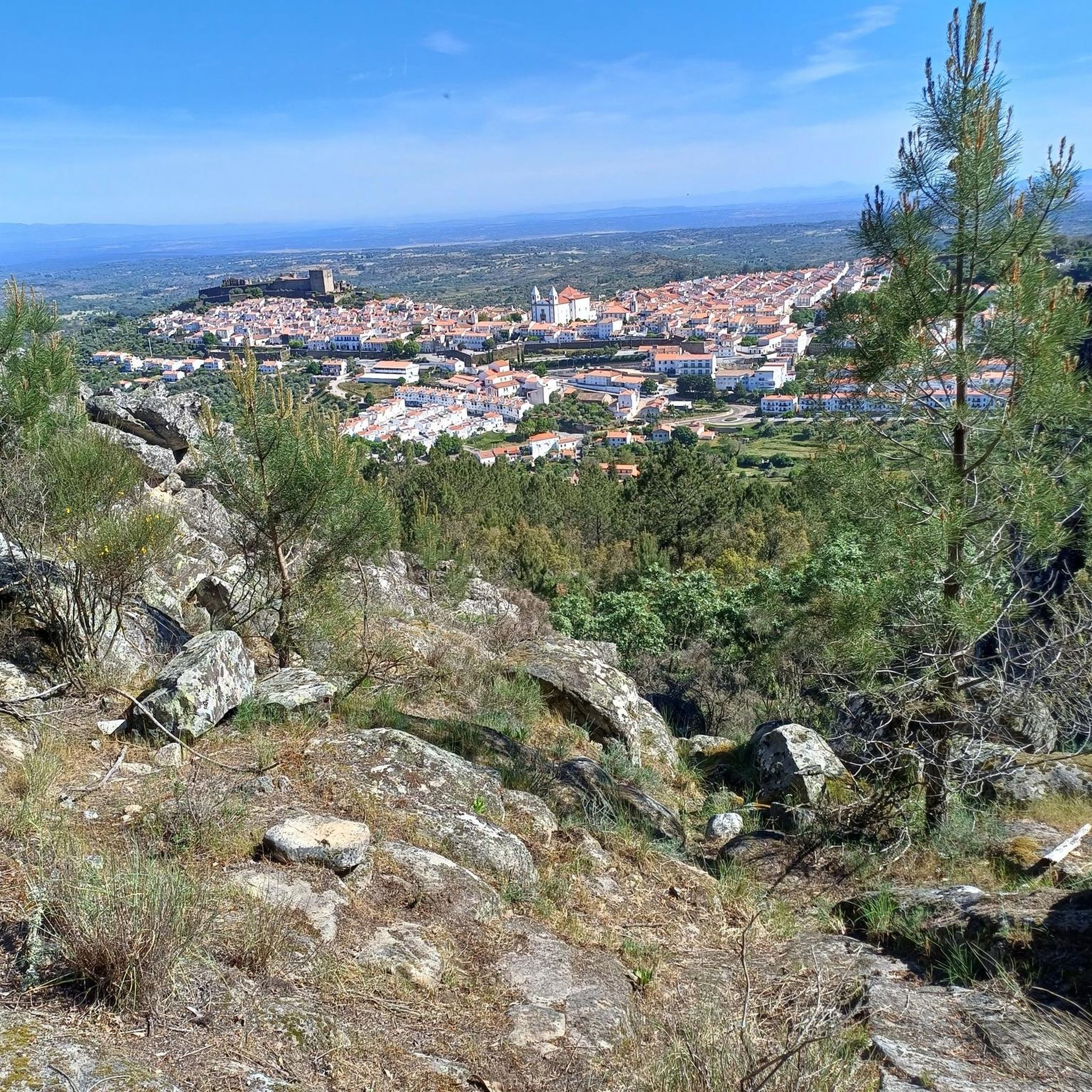
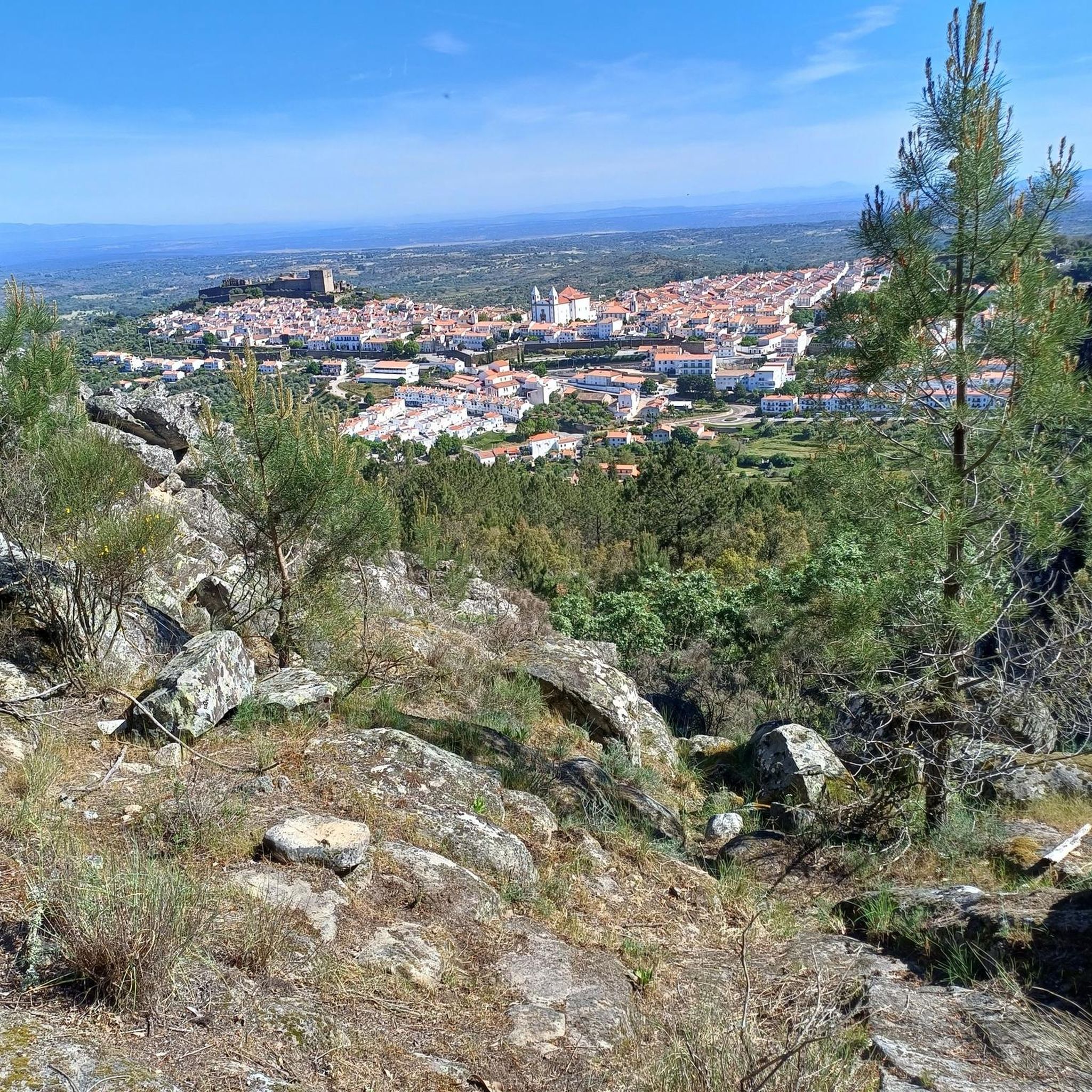
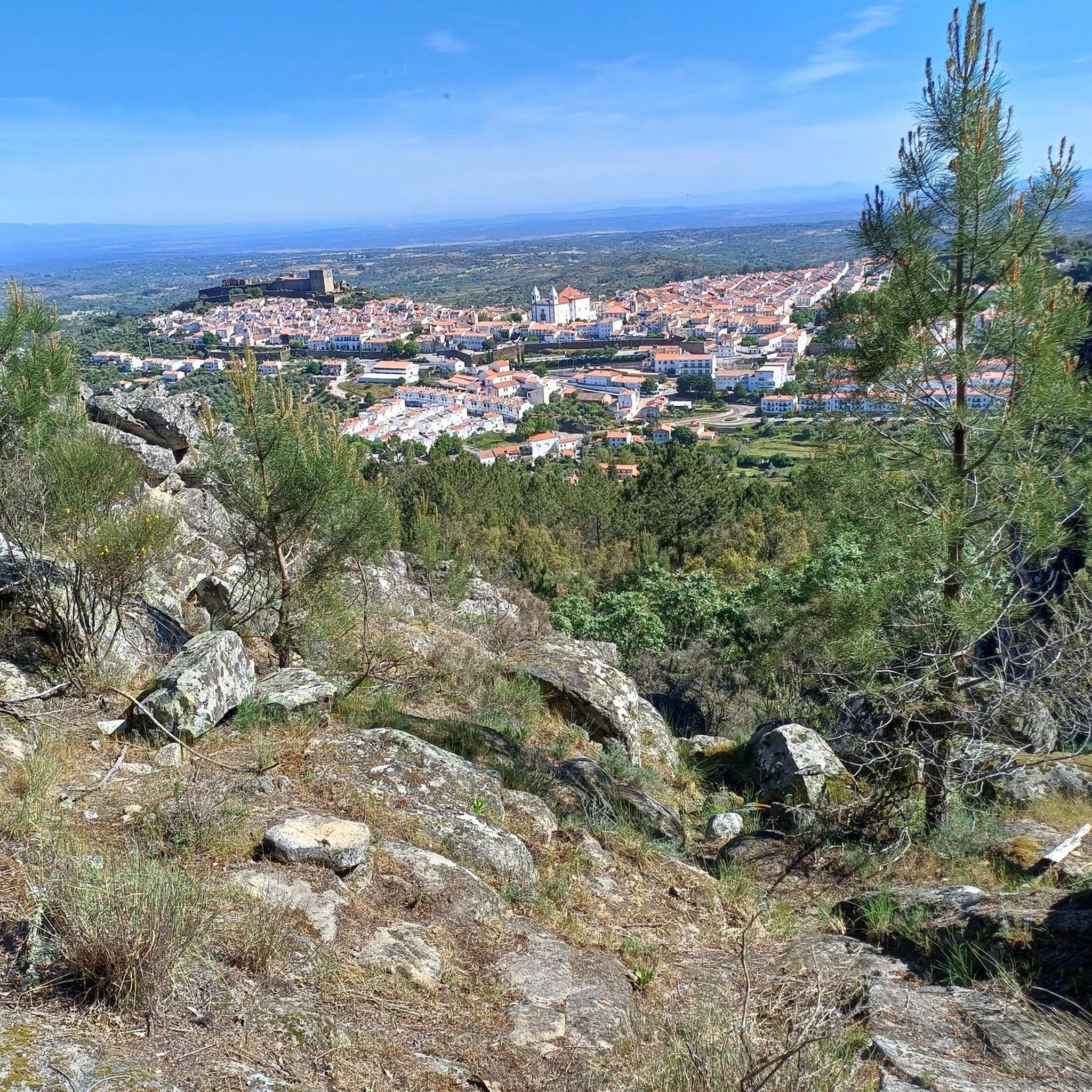
Far in the northeast of Alentejo lies Castelo de Vide, just a few kilometers from the border with Spain. The town is often called Cidade branca (white city), which is primarily due to the pretty whitewashed houses of the town. The highlight of the town (besides its great location in the Parque Natural da Serra de São Mamede) is the 14th-century Castelo de São Roque. From the castle, you have a fantastic view of the old town. Other sights in Castelo de Vide include the old Jewish quarter with the oldest synagogue in Portugal and the numerous churches and chapels of the town.
1
0
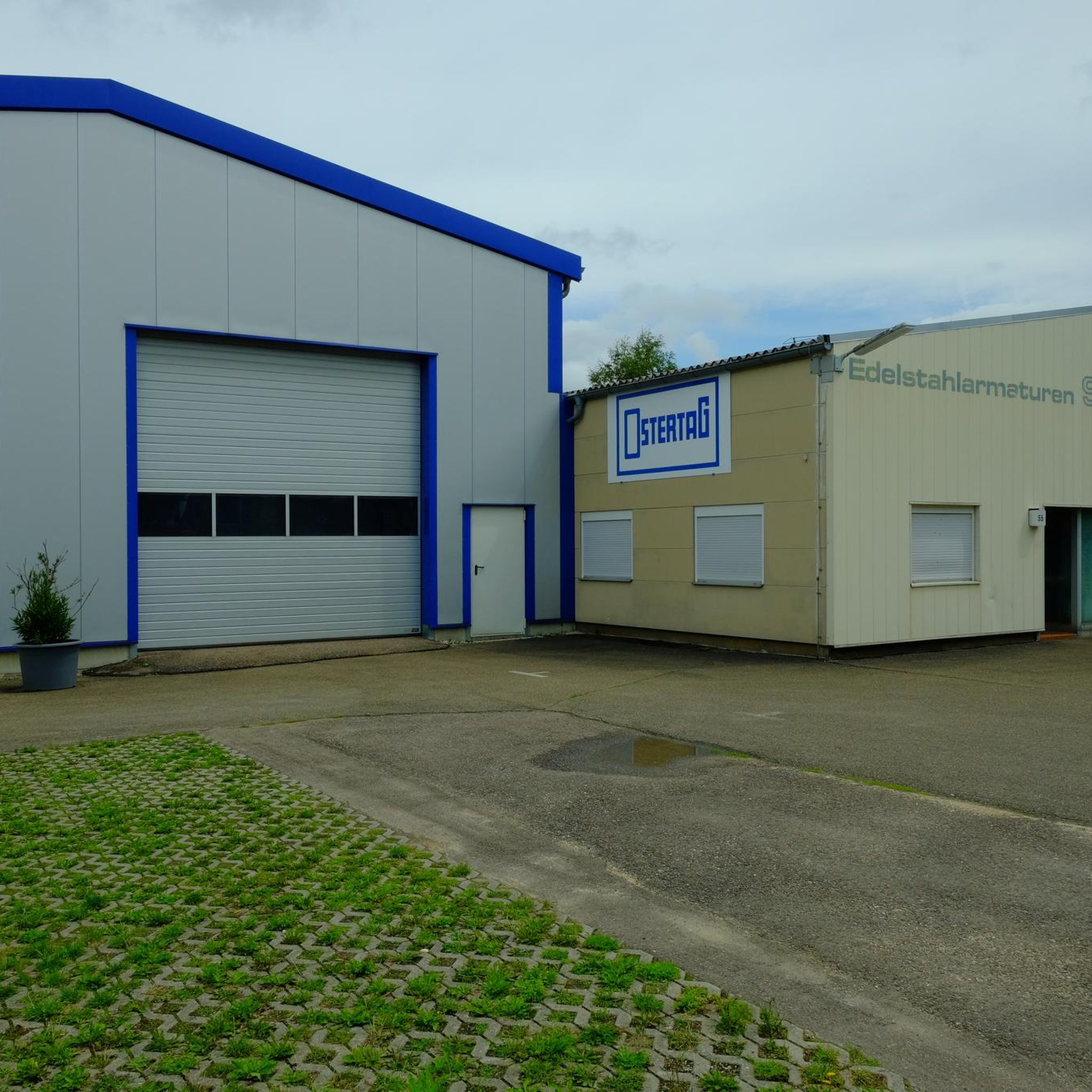
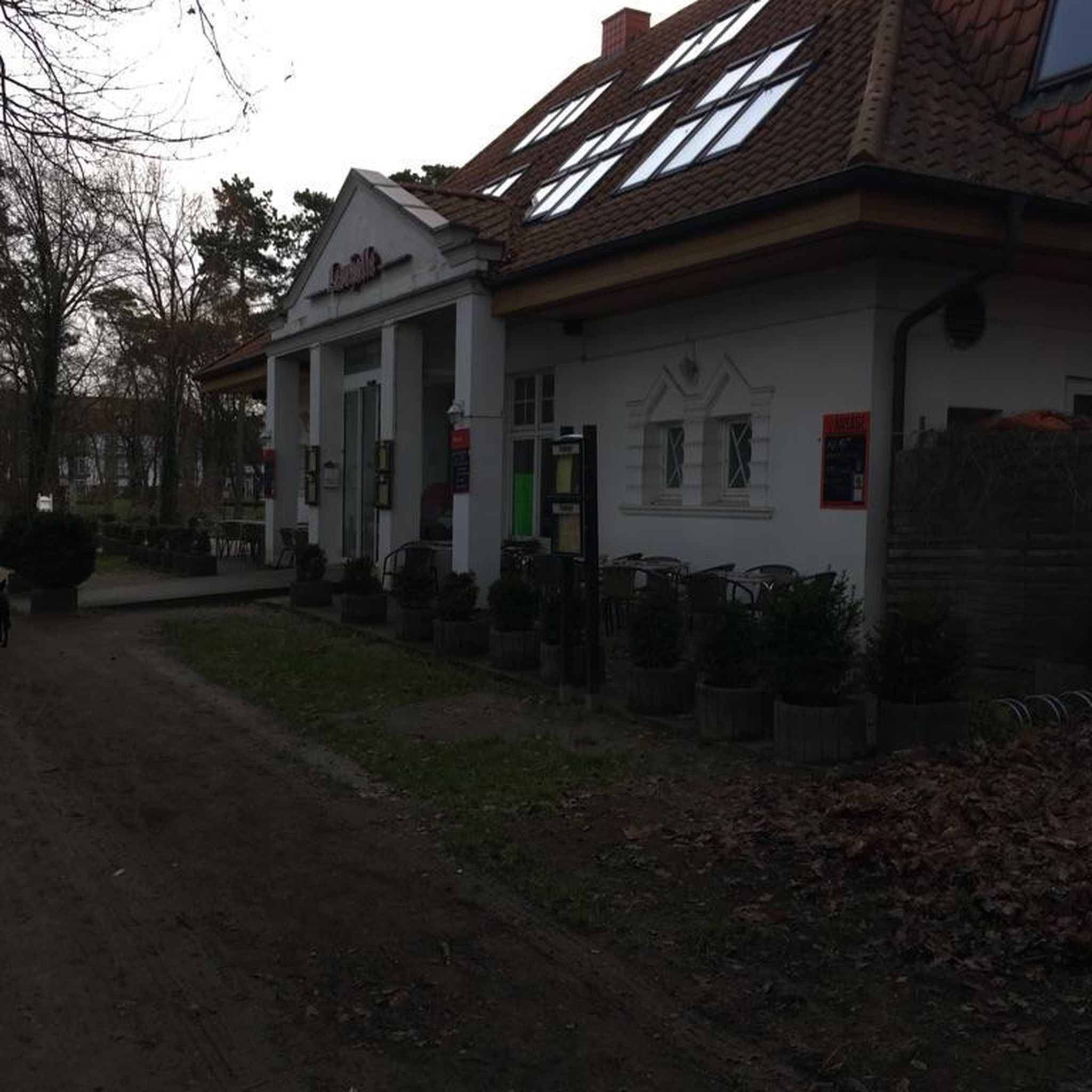
Imposing building in which the Centro de Dia senior center is located
2
0

Fabulous view over the village of Castelo de Vide. Several trails, paths and roads for access.
1
0

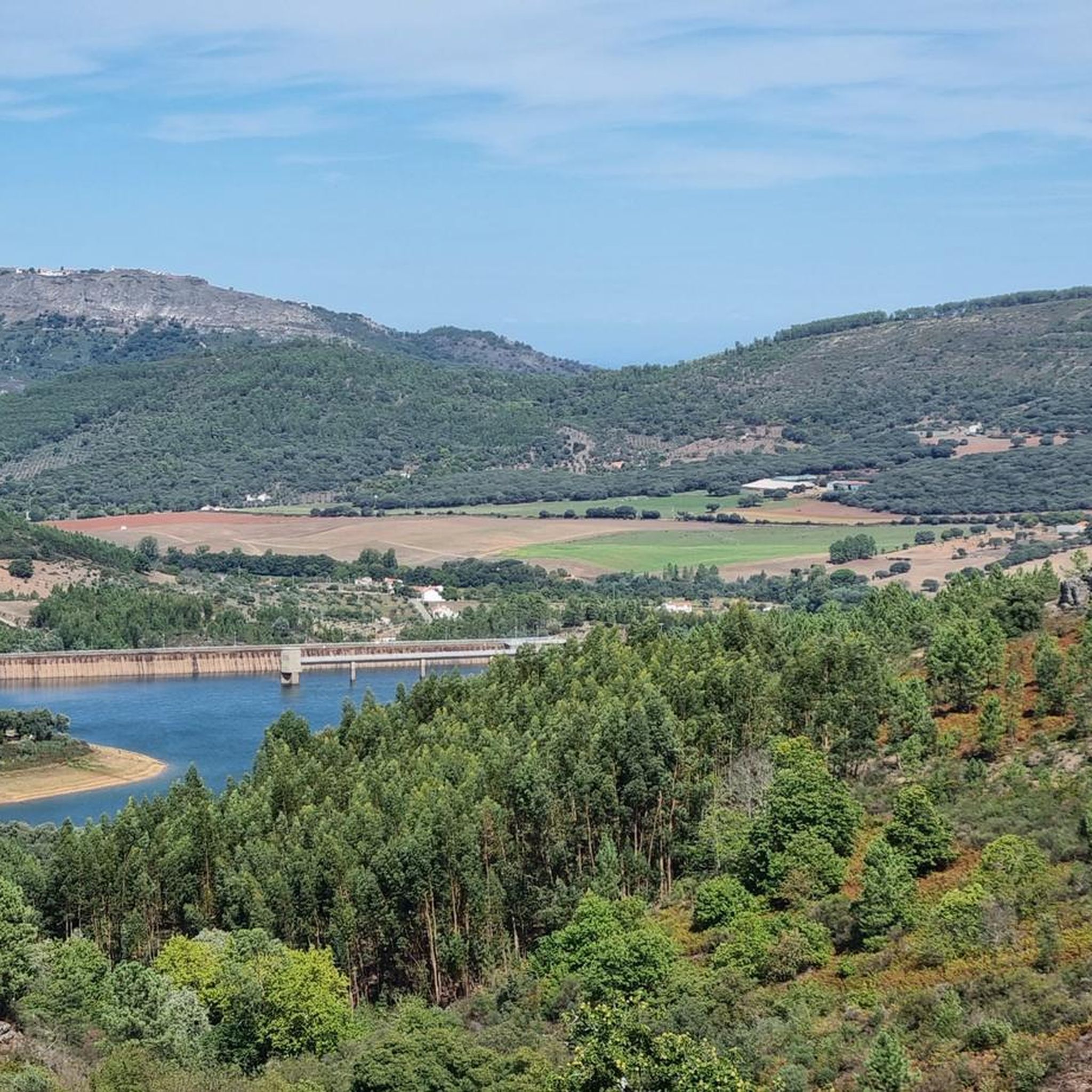
Built before 1570, at the height of the Portuguese Renaissance, the chapel of Nossa Senhora da Penha stands tall at the top of the Serra de São Paulo, at an altitude of 710 metres. To get there, you have to climb a steep staircase, an effort rewarded by the serenity of the place and the breathtaking views. Although the original image of Senhora da Penha was stolen, a replica now occupies its place on the altar. From the top, the view is breathtaking: the town stretches out below, with its watchful castle, white houses and rolling fields; to the east, the imposing quartzite ridge of Marvão stands out; in the background, the River Sever marks the border, and to the north the horizon is bordered by the Açor, Gardunha and Estrela mountains.
2
0

The City of Ammaia is the most important Roman ruin in the Northern Alentejo region. Set in the Natural Park of Serra de São Mamede, in São Salvador de Aramenha, near the town of Marvão, the ruins cover almost 25 metric acres. The Roman City of Ammaia was only rediscovered in the last century. It has since been excavated and investigated by scientists from around the world. It is now a museum site. For years the Roman remains were thought to be a villa, but only at the beginning of the last century did one begin to realize that what was buried in the Valley of Aramanha was an actual lost Roman city. Built from scratch in the first century AD, it was a city with a forum, baths and temples over the next three hundred years. The city suffered after the collapse of Rome on the Peninsula in the 3rd century. By the time of the Moorish invasion the 9th century, the remaining residents fled to high hills of Marvão - easy to defend in a time of chaos. Ammaia's stones served to build other places, walls and monuments. The bridge would stand until the 1980s. Pillaged, looted for stone, and buried until at the beginning of the twentieth century the existence of a large city in that area was forgotten. In the 1950s the first excavations were carried out and in recent decades the scope was also intensified, which also was helped by new technologies.
2
0
Located very close to the pretty town of Marvão, in the heart of the Alentejo, in the heart of the Serra de S. Mamede Natural Park, the ruins of the Roman city of Ammaia are located in an area of great beauty, attesting to its great heritage. In 1995, archaeological excavations began on the site, uncovering around 3,000 m2, although it is believed that the original area of the city was around twenty hectares. The curious thing about these ruins is that in the 5th and 9th centuries they suffered the effects of a cataclysm that buried the lower part of the urban area, thus belonging to one of the few cities of the empire that, probably due to natural effects, remained preserved and on which no other urban developments were developed throughout history. It is thus possible to study the entire urban fabric of a Roman city, highlighting important structures such as the “podium” of a temple probably from the 1st century, and the existence of public baths, as well as other domestic structures. There is a “site museum” on site, the Ammaia City Monographic Museum, which shows the daily life of the population that lived here, as well as the various objects found and inventoried here, including one of the most important collections of Roman glass in the Iberian Peninsula. A large part of the area occupied by the ruins is located on land owned by the Ammaia City Foundation, whose primary objective is to study, restore and preserve this important National Monument.
3
0
Main square of Castelo de Vide. http://www.monumentos.gov.pt/Site/APP_PagesUser/SIPA.aspx?id=10463
2
2
Main square of Castelo de Vide. "Urban centre and municipal headquarters. Town situated on a hill on the border of Alentejo. Medieval town under the jurisdiction of a religious-military order (Order of Christ) with castle and urban enclosure. 17th-century war square integrated into the defence line of the Alentejo border." in http://www.monumentos.gov.pt/Site/APP_PagesUser/SIPA.aspx?id=10463
2
0
Frequently Asked Questions
What historical sites can I visit around Alagoa?
The region is rich in history. You can explore the ancient settlement of Castelo de Vide, known for its 18th-century pillory and medieval charm. Another significant historical site is the Roman City of Ammaia, where you can discover well-preserved Roman ruins and a site museum. Additionally, the Chapel of Saint Anne in Portalegre offers a glimpse into 18th-century religious architecture.
Are there any family-friendly attractions in the area?
Yes, Castelo de Vide is considered family-friendly, offering an engaging historical experience for all ages. Exploring its medieval streets and castle can be an enjoyable outing for families.
Where can I find panoramic views of the landscape around Alagoa?
For breathtaking panoramic views, head to the View of Castelo de Vide from Senhora da Penha. Located at an altitude of 710 meters, this viewpoint offers stunning vistas over Castelo de Vide, its castle, white houses, and the surrounding fields, with the imposing quartzite ridge of Marvão in the distance.
What outdoor activities are available near Alagoa?
The area around Alagoa, particularly within the Serra de São Mamede Natural Park, is excellent for outdoor activities. You can find numerous routes for gravel biking, mountain biking, and road cycling. For detailed routes, check out the guides for Gravel biking around Alagoa, MTB Trails around Alagoa, and Road Cycling Routes around Alagoa.
Are there any wheelchair-accessible attractions?
Yes, Dom Pedro V Square (Castelo de Vide) is noted as wheelchair-accessible. This main square in Castelo de Vide provides an opportunity to experience the town's central hub.
What natural features can I explore in the region?
The region is characterized by its mountainous terrain, including the Parque Natural da Serra de São Mamede. You can also visit the River Beach Portagem for natural beauty and outdoor enjoyment. The area offers lush greenery and scenic landscapes.
What is there to see in Castelo de Vide?
In Castelo de Vide, you can explore the historical settlement itself, including its 18th-century pillory. Don't miss Dom Pedro V Square, the main square, which is a central point within the medieval town. For a broader perspective, the View of Castelo de Vide from Senhora da Penha offers stunning views over the entire village.
Where can I learn about Roman history near Alagoa?
The Roman City of Ammaia is the primary site for exploring Roman history. Located near Marvão within the Serra de São Mamede Natural Park, it features extensive ruins of a Roman city, including a temple podium and public baths, along with a monographic museum showcasing artifacts.
Are there any notable cultural sites in the vicinity?
Beyond the historical sites, the region offers cultural experiences. The Roman City of Ammaia includes a museum with a significant collection of Roman glass. In Portalegre, you can also find the Museu da Tapecaria (Tapestry Museum), offering insights into local artistry and heritage.
What kind of cycling routes are available around Alagoa?
The area provides a variety of cycling experiences. You can find challenging gravel biking routes, technical MTB trails, and scenic road cycling routes. Many of these routes traverse the beautiful Serra de São Mamede Natural Park. For specific options, refer to the Gravel biking, MTB Trails, and Road Cycling Routes guides for the area.
What do visitors enjoy most about the attractions around Alagoa?
Visitors particularly appreciate the blend of historical significance and natural beauty. The medieval charm of Castelo de Vide and the impressive panoramic views from Senhora da Penha are frequently highlighted. The well-preserved Roman City of Ammaia also draws considerable interest for its historical depth.
Most popular attractions around Alagoa

Get inspired with the komoot mobile app


Explore more
Still not found the Highlight you’re looking for? See guides of the top attractions in other regions:
