Attractions and Places To See around Sousel - Top 20
Best attractions and places to see around Sousel are found in the heart of Portugal's Alentejo region, characterized by its historical landmarks and picturesque natural features. The area features white-washed houses, narrow streets, and a heritage dating back to the Middle Ages. Visitors can explore a landscape dominated by the Alentejo plains, with golden wheat fields and cork oak forests. Sousel offers a blend of cultural sites, religious architecture, and scenic viewpoints.
Best attractions and places to see around Sousel
- The most popular attractions is Gadanha Fountain, Estremoz, a man-made monument located in a square dominated by Lake Gadanha. It features a statue of "Gadanha" which originally represented the god Saturn, a symbol of abundance.
- Another must-see spot is Estremoz Castle, a pentagonal castle with a walled enclosure. This historical site features a 27-meter high Torre de Menagem Keep made of white marble, known as the Tower of the Three Crowns.
- Visitors also love Statue of Queen Saint Isabel, a man-made monument with historical significance. Queen Saint Isabel died in Estremoz Castle in 1336, and this statue commemorates her.
- Sousel is known for its historical sites, religious architecture, and natural viewpoints. The region offers a variety of attractions to see and explore, from ancient castles to serene landscapes.
- The attractions around Sousel are appreciated by the komoot community, with more than 10 upvotes and 10 photos shared by visitors.
Last updated: August 26, 2026
Gadanha Fountain, Estremoz
Highlight • Monument
The epithet of “white city” is due, in addition to the color of the houses, to the deposits of white marble, the famous “Estremoz Marble”, which made the city internationally famous. The extraction of this raw material in the Alentejo makes Portugal the second largest exporter in the world, with Estremoz contributing around 90% of the total marble. Consider visiting one of these deposits on a trip to the country.
Translated by Google •
Tip by

Estremoz Castle
Highlight • Castle
Translated by Google •
Tip by

Sign up now to discover places like this
Get recommendations on the best single tracks, peaks, & plenty of other exciting outdoor places.
Sign up for free
Statue of Queen Saint Isabel
Highlight • Monument
Translated by Google •
Tip by
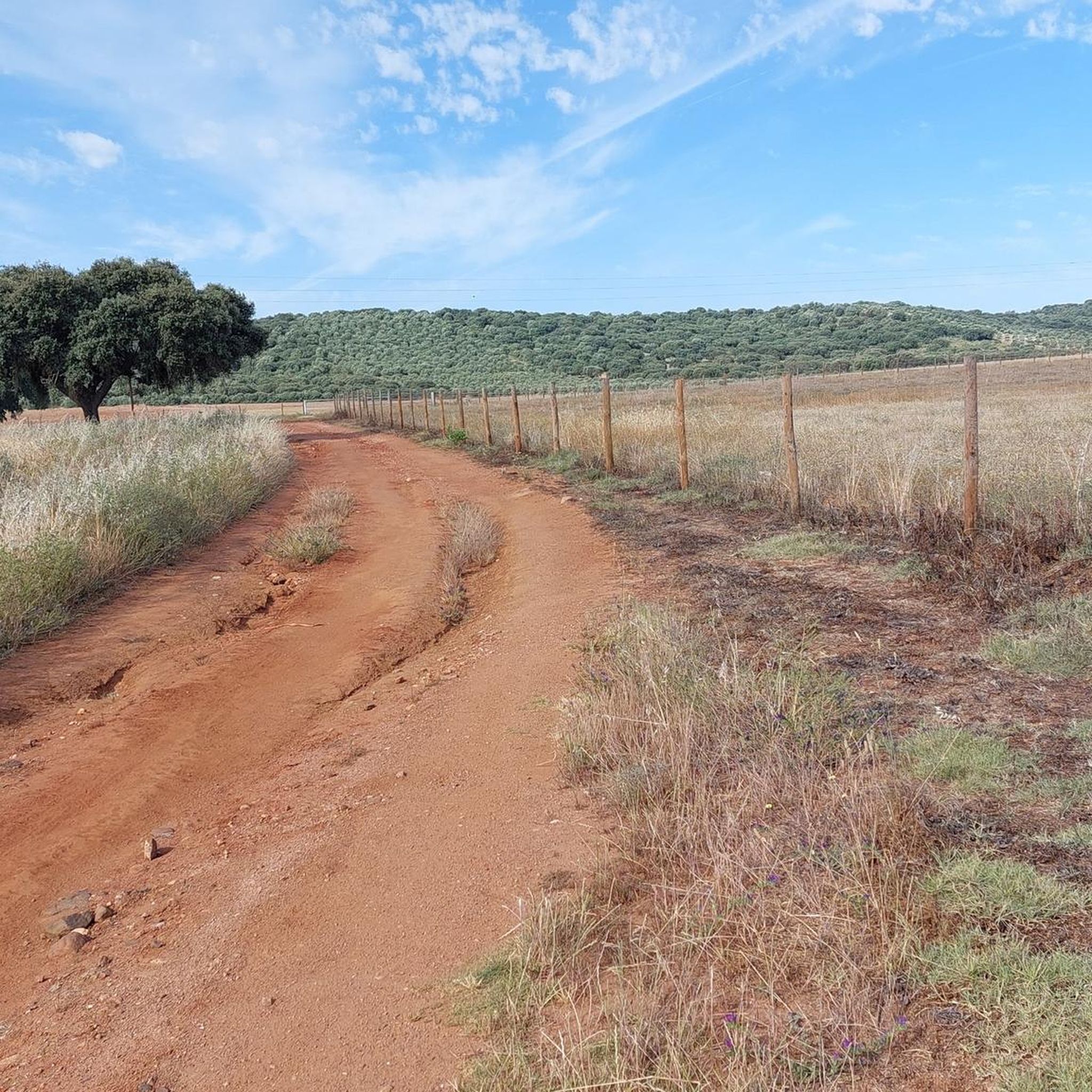
Alentejo Dirt Road
Highlight • Trail
Tip by

Convent and Church of Saint Francis of Estremoz
Highlight • Religious Site
Translated by Google •
Tip by
Sign up for free to discover even more attractions around Sousel.
Sign up for free
Already have an account?
Start today with a free account
Your next adventure awaits.
Login or Signup
Tips from the Community

The dirt roads and trails of Alentejo, Portugal, offer extraordinary natural routes. The best-known sections are along the Rota Vicentina (the Fishermen's Trail and the Historical Way) and on the dirt tracks of the rural hinterland between Évora and the Atlantic coast.
0
0

The pousada is a castle built by King Dionysius for Queen Elizabeth of Portugal in the 13th century. It is located in the heart of the old town and is considered one of the most beautiful pousadas in Portugal.
3
0
The view of the castle from the west is particularly impressive. There you can clearly see the fortress character with its protruding walls.
5
0
Unfortunately, access to the viewing platform and the statue will be closed in May 2025.
5
1
Fonte da Gadanha Square is dominated by Lake Gadanha. Next to it is the 13th-century Convento São Francisco, dating from the reign of King Afonso III, which served as a barracks after secularization. From here, you have a magnificent view up to the castle and the castle. The square is surrounded by other interesting monuments and fountains.
4
1
It was built on the site where, during the reign of King Afonso III (1248-1279), a chapel dedicated to Saint Bento stood. His coat of arms can be seen at the end of the arch of the main chapel. The building is classified as a National Monument. Inside are the Chapel of the Third Franciscan and the Chapel of Saint Francis of Portugal (also a National Monument).
5
0
The famous statue of "Gadanha," located in the lake, originates from the Congregados Monastery and was only moved to the center of the lake in the mid-19th century. It originally represented the god Saturn, a symbol of abundance. The inscription on the base reads: "Time passes quickly."
3
0

Queen Saint Isabel of Aragon (1270-1336), wife of King D. Diniz (1261-1325), died in the Castle of Estremoz, at the age of 66, on July 4, 1336, from a sudden illness that occurred while she was heading to the border on a mission to bring peace between her son, D. Afonso IV (1291-1357), and her grandson, Alfonso XI of Castile (1311-1350). Against everyone's advice, D. Afonso wanted to fulfill his mother's purpose of being buried in the Monastery of Santa Clara. The long journey took place under the blazing July sun and, to everyone's amazement, despite the intense heat, the coffin gave off such a pleasant perfume that "no one had ever seen such a noble odour", as can be read in her first anonymous biography, known as “Legend or Relation”, written immediately after her death by someone who had been close to her, probably her confessor, Friar Salvado Martins, Bishop of Lamego, or one of the owners of Santa Clara who looked after her during her widowhood. The virtues of the Queen, later considered a Saint, were the reason for her beatification by Leo X (1475-1521) in 1516, with authorisation for her worship to be restricted to the Diocese of Coimbra. In 1556, Pope Paul IV (1476-1559) extended the Elizabethan devotion to the entire Kingdom of Portugal. It would be Pope Urban VIII (1568-1664), given the incorruption of the body and the report of miracles, who would proclaim in 1625, the canonization of Isabella of Aragon as a Holy Queen.
4
1
Frequently Asked Questions
What historical landmarks can I explore around Sousel?
Sousel and its surroundings are rich in history. You can visit the impressive Estremoz Castle, a pentagonal fortress with a 27-meter high Torre de Menagem Keep made of white marble. Other significant historical sites include the Igreja do Convento de Sousel, the Igreja Matriz de Sousel, and the Câmara Municipal de Sousel e Pelourinho, which represent the town's civic and historical center.
Are there any unique cultural sites in Sousel?
Yes, Sousel offers unique cultural experiences. The Convent and Church of Saint Francis of Estremoz is a classified National Monument. Additionally, the Museu dos Cristos (Museum of Christs) houses over 900 pieces dedicated to the figure of Christ, offering a spiritual and artistic journey. The Biblioteca Municipal and Auditório Municipal also host various cultural activities.
Where can I find the best panoramic views in the Sousel area?
For breathtaking panoramic views, head to the Baloiço da Serra de São Miguel (Swing of Serra de São Miguel). Located at the highest point of the municipality, it offers expansive views over the Alentejo plains, especially beautiful at sunset. Serra de São Miguel itself provides a 360º view and features an old chapel.
What natural features characterize the landscape around Sousel?
The Sousel region is defined by its tranquil Alentejo setting. You'll find vast golden wheat fields, cork oak forests, and endless olive groves. The landscape is dominated by three main elevations: Serra de São Miguel, Serra de São Bartolomeu, and Serra do Caixeiro, which offer scenic beauty.
Are there opportunities for outdoor activities like cycling near Sousel?
Yes, the Sousel area is great for cycling. You can find various road cycling routes, such as the 'Redondo Castle – Gadanha Lake Fountain loop' or the 'Montalvo Suspension Bridge loop'. For mountain biking enthusiasts, there are MTB trails like the 'Estremoz – Alto de São Gens loop'. You can explore more options on the Road Cycling Routes around Sousel and MTB Trails around Sousel guide pages.
What kind of running trails are available near Sousel?
For runners, there are several trails around Sousel, including moderate loops from Estremoz and longer, more challenging routes like the 'Forte de São José loop'. These trails allow you to experience the Alentejo landscape while staying active. Find more details on the Running Trails around Sousel guide page.
What is the significance of the <a href="https://www.komoot.com/highlight/4612934" target="_blank" rel="noopener">Gadanha Fountain, Estremoz</a>?
The Gadanha Fountain in Estremoz is a notable man-made monument located in a square dominated by Lake Gadanha. Its famous statue, originally representing the god Saturn, symbolizes abundance. The inscription on its base, 'Time passes quickly,' adds to its historical charm.
Is there a specific monument dedicated to Queen Saint Isabel in the area?
Yes, you can find the Statue of Queen Saint Isabel. Queen Saint Isabel of Aragon, wife of King D. Diniz, died in Estremoz Castle in 1336. This statue commemorates her and her historical significance in the region.
What is the best time of year to visit Sousel?
Sousel, with its sunny squares and golden wheat fields, is particularly pleasant during spring and autumn when the weather is mild, making it ideal for exploring historical sites and enjoying outdoor activities. Summers can be very hot, while winters are generally mild.
Are there any unique architectural features to look out for?
Beyond the castles and churches, look for the Gothic Door of the Castle Governor's House, an architectural remnant showcasing historical building styles. The Montalvo Suspension Bridge is also an interesting modern architectural feat, predating the famous '25 de Abril' bridge in Lisbon.
What is the local cuisine like in Sousel?
Sousel offers a rich gastronomic experience, reflecting the traditional Alentejo cuisine. Expect dishes featuring aromatic herbs, traditional bread, and festive sweets. The region is also known for its production of local cheeses made from sheep's milk, which are a must-try.
What is the significance of Estremoz marble in the region?
Estremoz is known as the 'white city' due to its abundant deposits of white marble, which has made the city internationally famous. Portugal is the second-largest exporter of marble globally, with Estremoz contributing around 90% of the total. You can see this beautiful marble used in many local buildings and monuments, including the Torre de Menagem Keep of Estremoz Castle.
Most popular routes around Sousel

Get inspired with the komoot mobile app


Explore more
Still not found the Highlight you’re looking for? See guides of the top attractions in other regions:
