The 14 Most Amazing Peaks around Hüllhorst
Best mountain peaks around Hüllhorst are found within the Wiehengebirge mountains, characterized by hills and forests rather than towering alpine peaks. The region offers several elevated points and summits that provide natural beauty, historical significance, and recreational opportunities. These Hüllhorst geographical features make the area a destination for outdoor activities and scenic exploration. Visitors can experience diverse landscapes and notable landmarks across the area.
Best mountain peaks around Hüllhorst
- The most popular mountain peaks is Nonnenstein and the Bismarck Column…
Last updated: September 26, 2026
Nonnenstein and the Bismarck Column
Highlight • Monument
Translated by Google •
Tip by

Spatzenberg Summit Cross
Highlight (Segment) • Summit
Translated by Google •
Tip by

Sign up now to discover places like this
Get recommendations on the best single tracks, peaks, & plenty of other exciting outdoor places.
Limberg Castle Keep
Highlight • Castle
Translated by Google •
Tip by

Heidbrink Summit (Highest Point in the Wiehen Hills)
Highlight • Summit
Translated by Google •
Tip by

Reineberg Castle Ruins
Highlight • Castle
Translated by Google •
Tip by

Sign up for free to discover even more peaks around Hüllhorst.
Already have an account?
Start today with a free account
Your next adventure awaits.
Popular around Hüllhorst
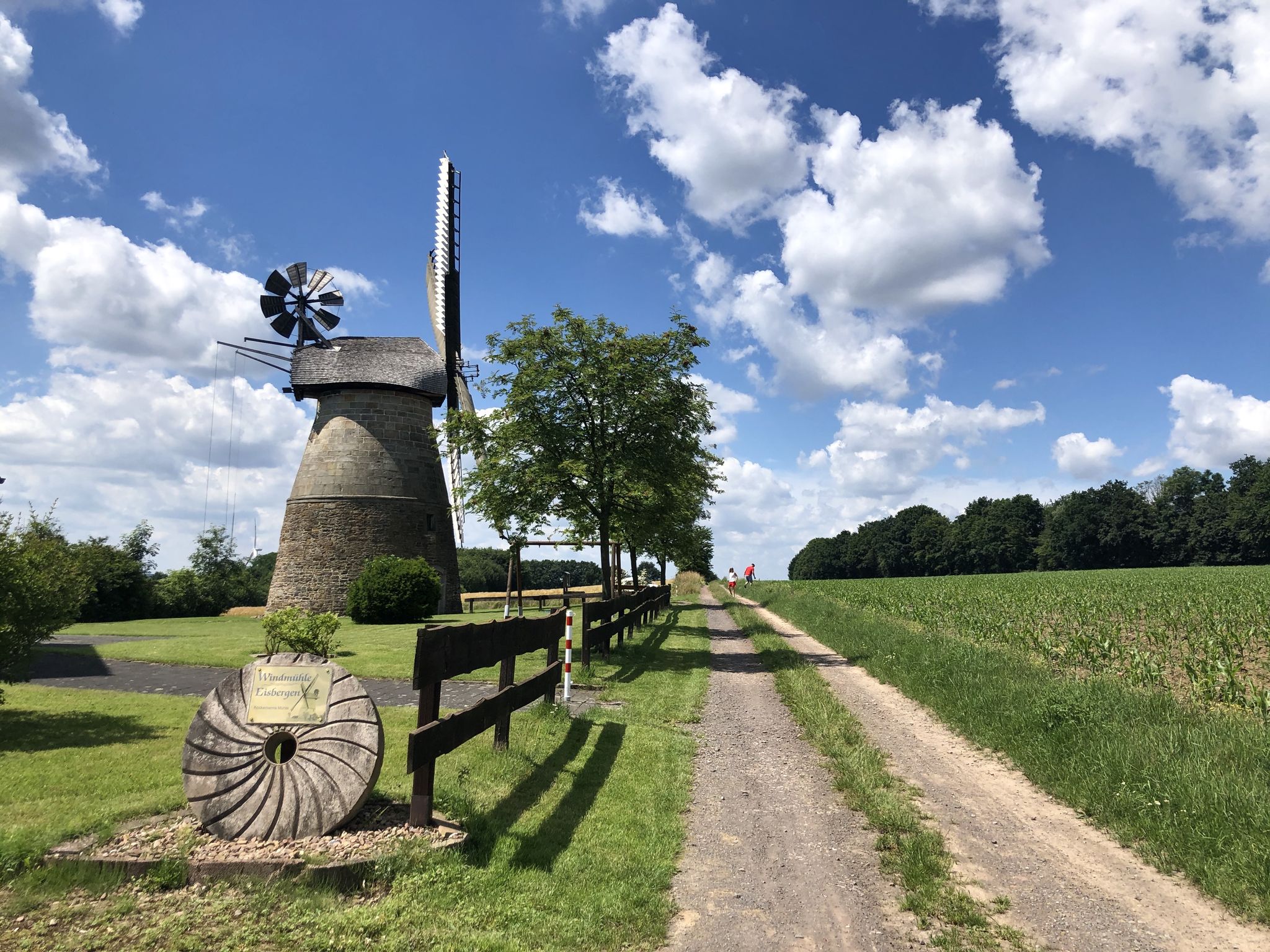
Hike to ancient mills in northwest Germany – Mühlensteig
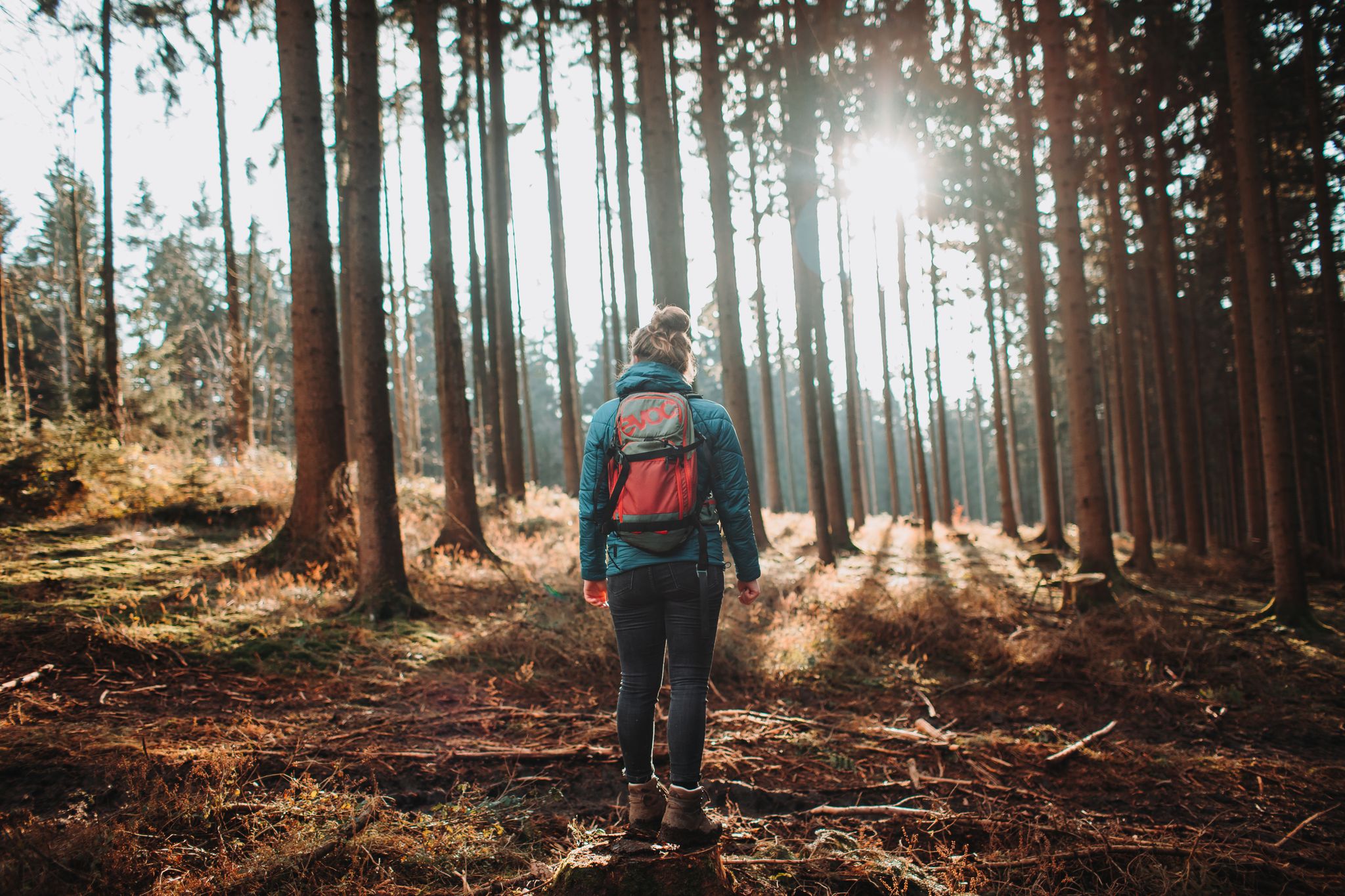
Follow in Saxon leader Widukind's footsteps – 6 days on the Wittekind Trail
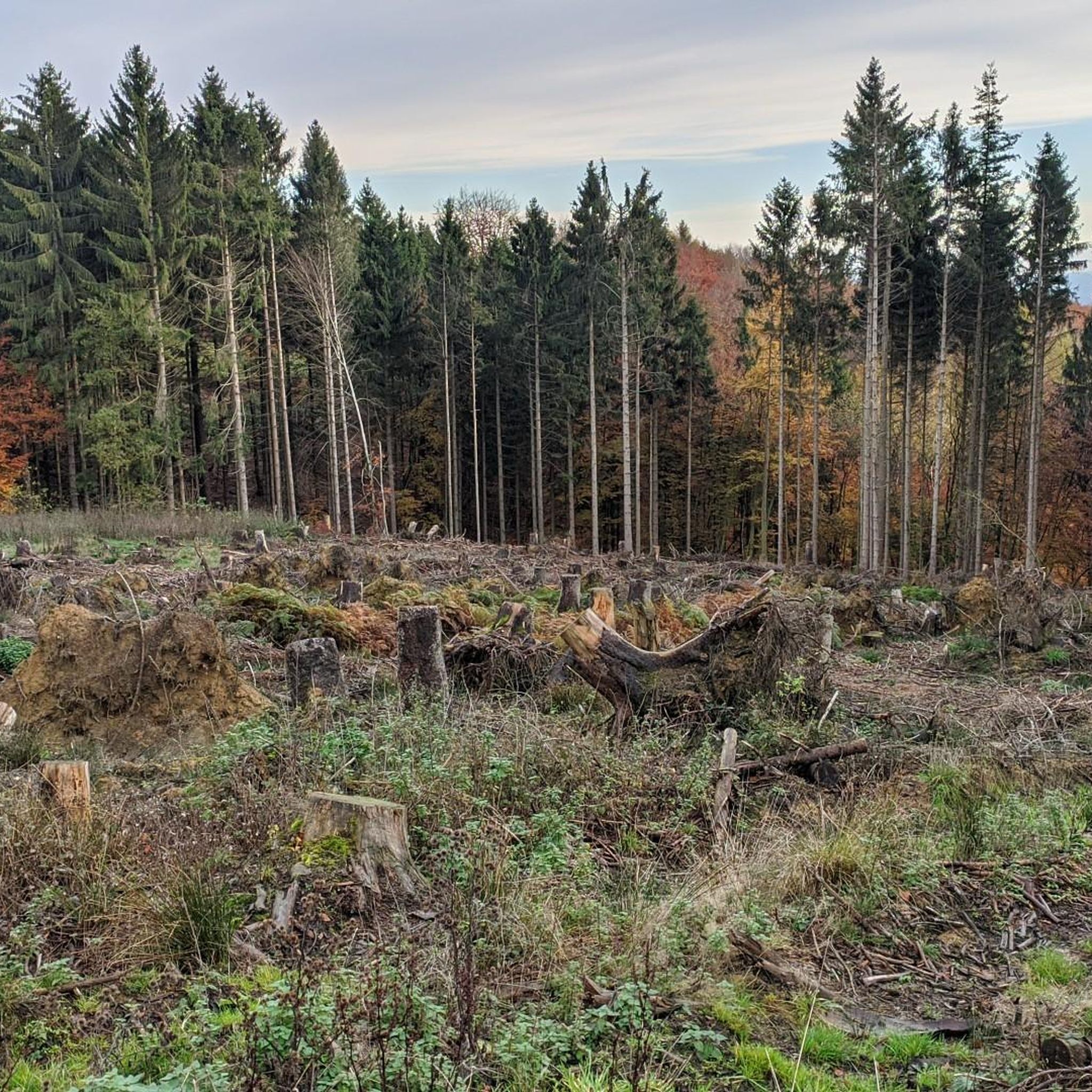
Hiking around Hüllhorst
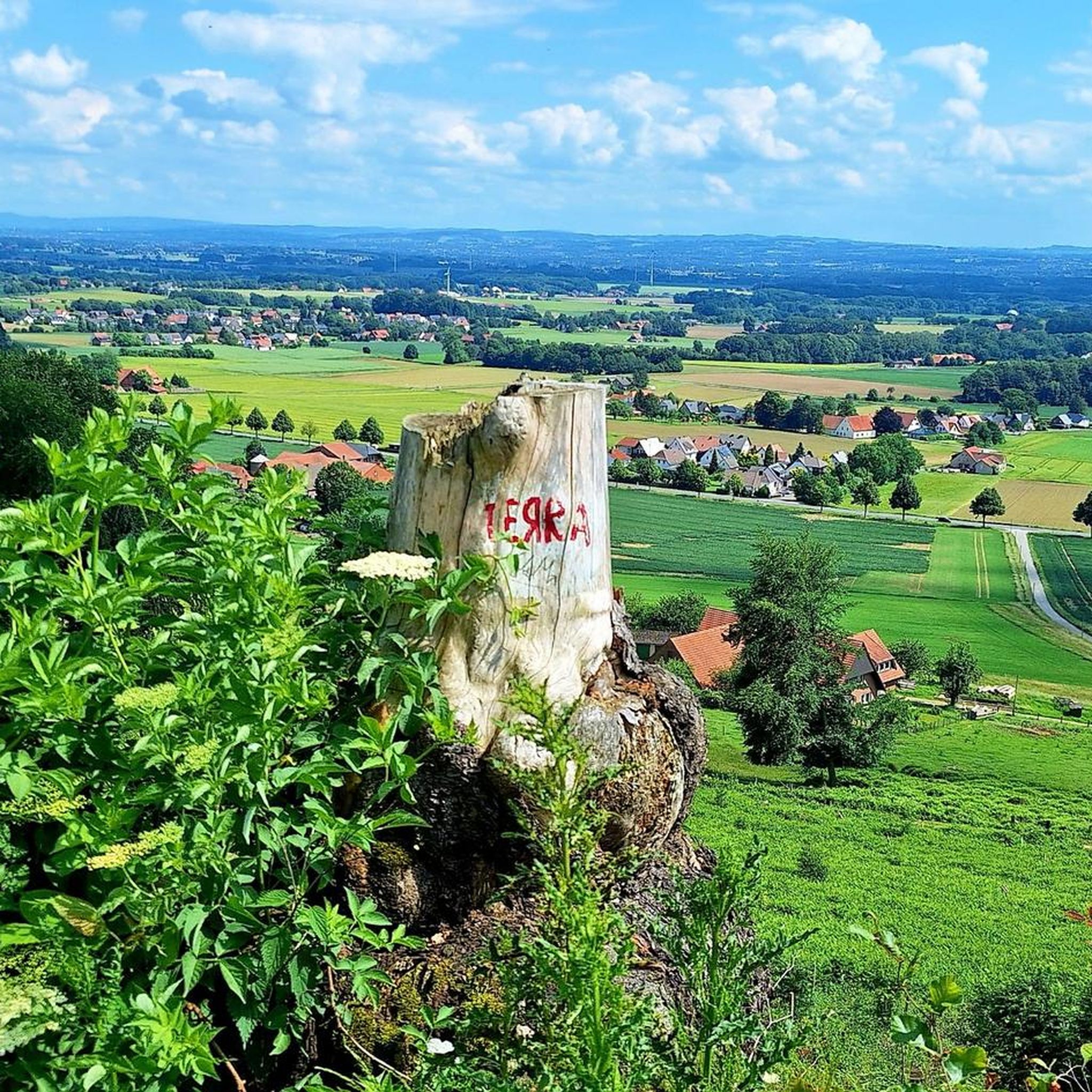
Cycling around Hüllhorst
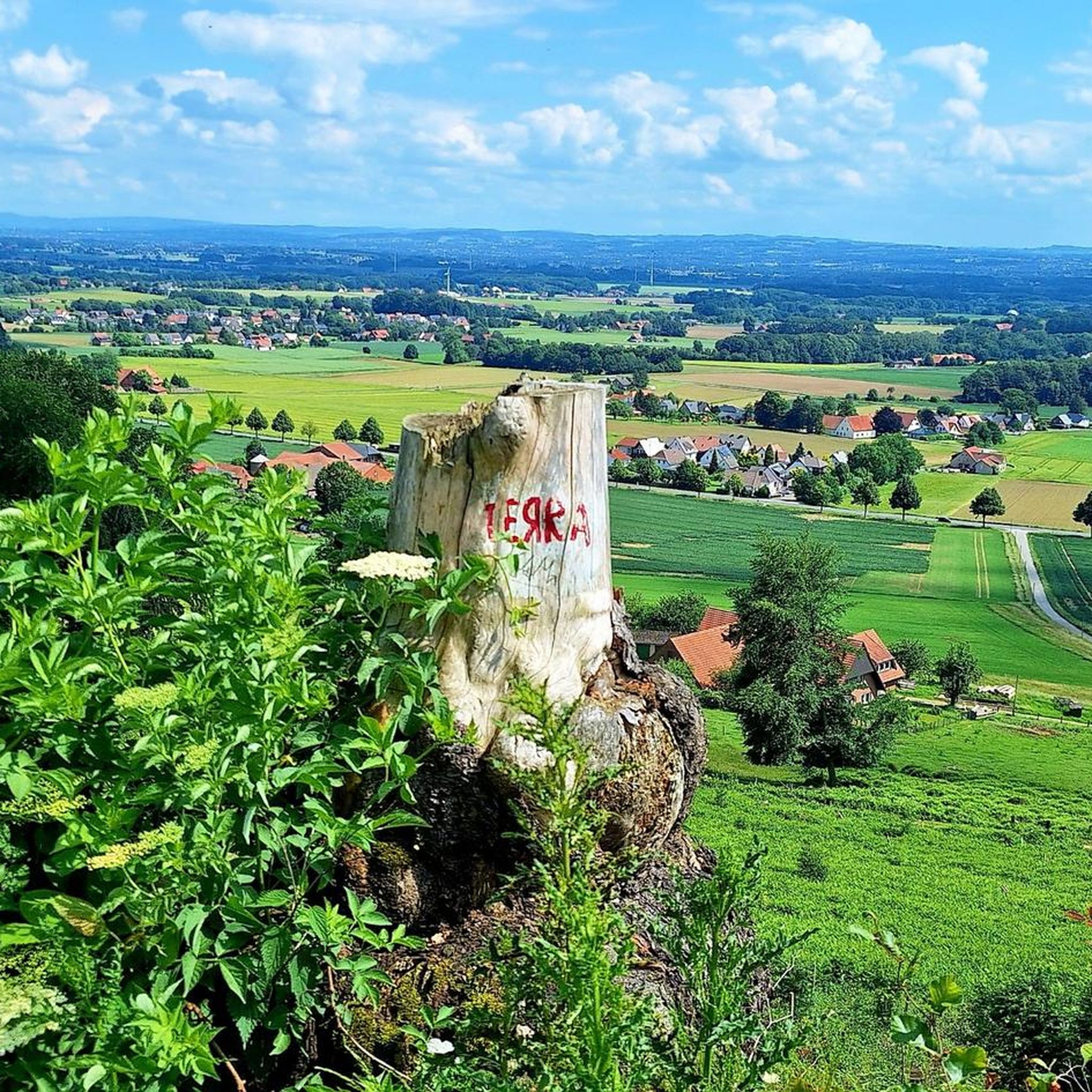
Running Trails around Hüllhorst
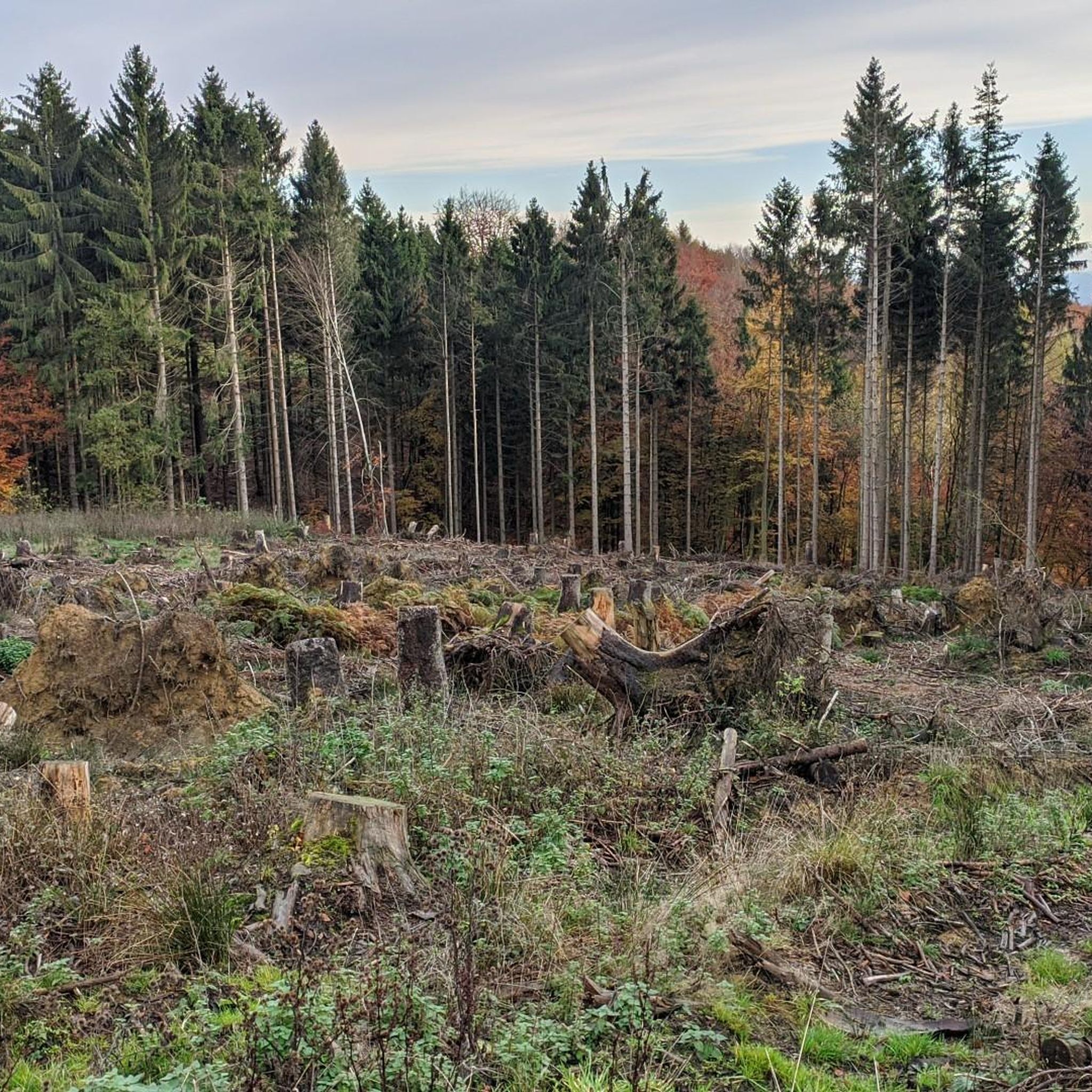
MTB Trails around Hüllhorst
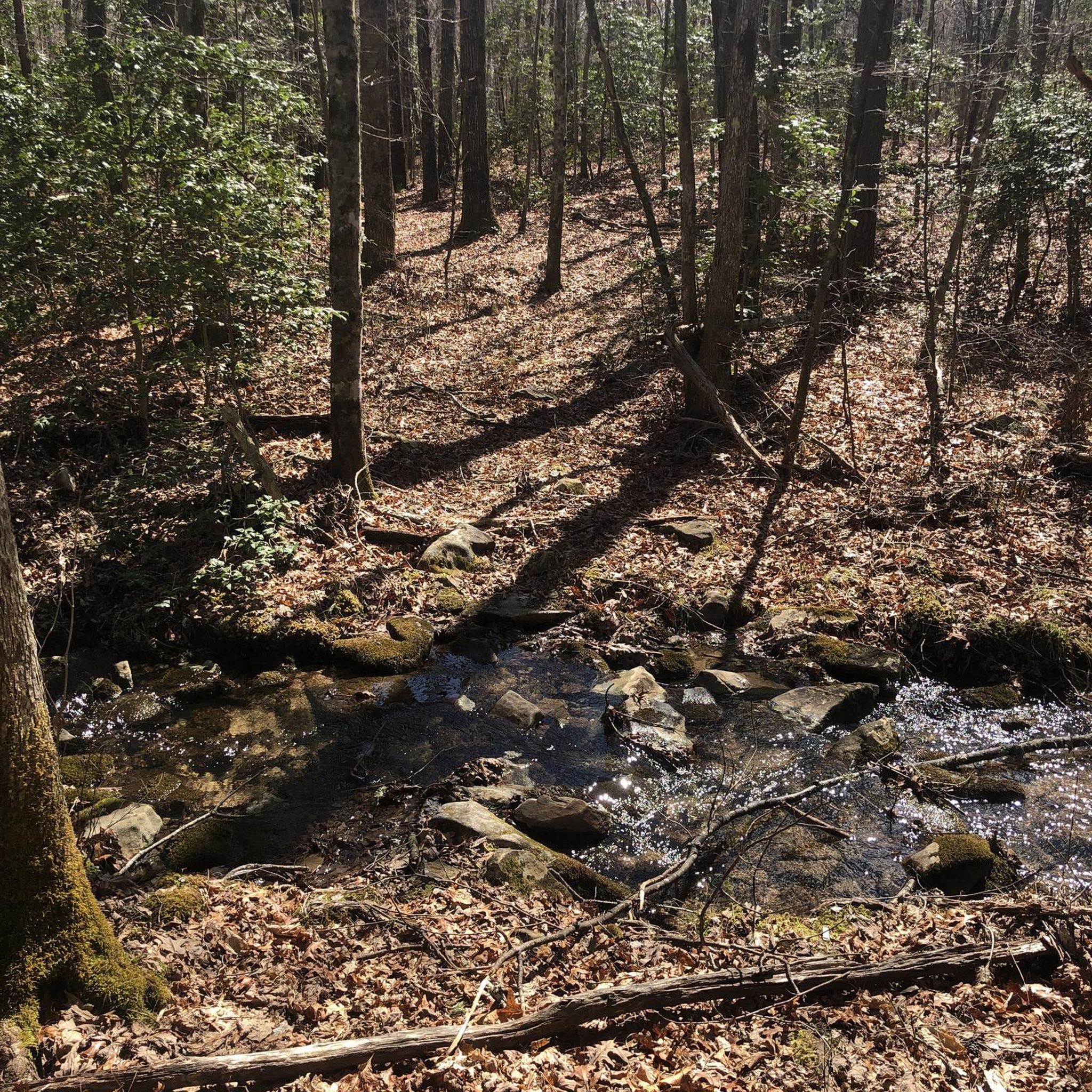
Gravel biking around Hüllhorst
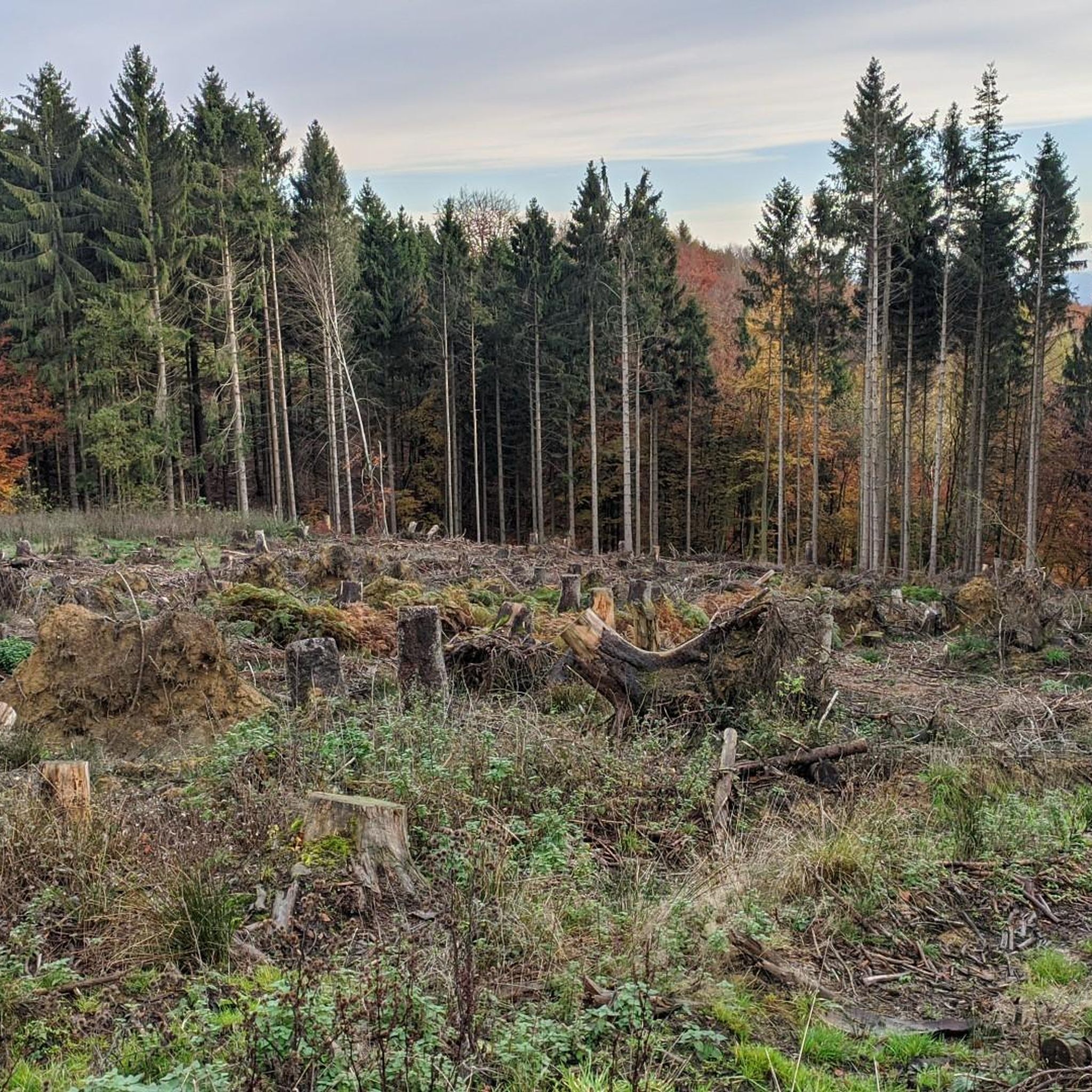
Road Cycling Routes around Hüllhorst

Tips from the Community

The supposed summit cross at the highest point of the Spatzenberg, also called Löhner Berg (96 m, according to Komoot/Open Street Map 101 m above sea level) is actually a memorial. At the foot of the cross, the short inscription reads: "Remembrance Cross. We warn." It was erected in 1954 by the "Association of Returnees" and commemorates the fate of the prisoners of war of World War II. Some historical background: In 1954/55, the last surviving German prisoners of war returned from the former Soviet Union. In 2006, the memorial cross was completely replaced. Those who venture up the steep and somewhat adventurous trail (preferably on foot) will find a wonderful place of silence and contemplation up there.
2
0

Reineberg Castle, also called Reineburg, is a former hilltop castle on the 275.9 meter high Reineberg in the Wiehengebirge in the southern urban area of Lübbecke, in the so-called Reineberger Hagen. The beginnings of the Reineberg state castle are lost in legend. According to the bishop's chronicles of the city of Minden, the castle was founded by Bishop Konrad I of Rüdenberg (1209–1237). Osnabrück sources, however, report that the Osnabrück bishop Adolf von Tecklenburg (1216–1224) was a co-builder. Reinberg Castle was first mentioned in a document in 1221. In 1951 an official survey of the still visible castle remains took place. The local historian Friedrich Langewiesche from Bünde discovered that there were once five outer castles in front of the Reineburg. Source: https://de.wikipedia.org/wiki/Burg_Reineberg
2
0

Limberg Castle looks back on a long and eventful history. It was probably founded in Widukind's time and was owned by the Bishop of Minden 1000 years ago. Limberg Castle has only been officially documented since 1319 and was owned by the Counts of Ravensberg and was one of the four border castles in the Ravensberg region, of which the Sparrenburg in Bielefeld is probably the most famous. The count's house died out in 1346, but the county of Ravensberg remained for a long time under the heirs of the House of Jülich-Berg. The castle changed hands several times, and their names are often found in the region (von dem Bussche, Schloen, Gesmold or Ledebur). Of course, there were also some border disputes. The castle, which has since fallen into disrepair, was approved for demolition in 1695, so that the foundations can still be seen today. Only the keep was preserved and was actually used as a prison for some time. Today, it is the keep that is the most striking feature of the ruins of Limberg Castle. If you like, you can borrow a key from the tourist information office. Despite the fact that most of the castle has disappeared, they really make every effort to present the castle ruins in the best possible way. The grounds are not only extremely well maintained, but are also well signposted. The castle's eventful history alone is described on 4 information boards. There is also further information on the various parts of the building. 2 very interesting audio contributions can also be accessed via QR code! And all of this in a comfortable rest area! There are many castle ruins in this region, but for me, Limberg Castle is always one of the most beautiful due to its state of preservation and atmosphere! Just relax and take in the long history of the castle. PS: In the guest house you can see a model of the castle complex, showing how it is supposed to have looked in its full size.
5
0
According to legend, the name is based on a sad story that is related to Limburg opposite. According to this, there was also a castle here on the Nonnenstein belonging to the Count of Rieneck. His daughter, Hildburga, was in love with the impoverished Prince of Limburg, but her father was looking for a better groom. He organized a tournament in which the Prince of Limburg also took part in disguise. When he won, the Count was so angry that he challenged him to a duel. The two rode at each other and collided with their lances so badly that both died. In her grief, Hildburga founded a monastery on the Nonnenstein and became the first abbess. But when she died, the nuns became more and more greedy. The Rödinghausen people joined forces and stormed the monastery and tore it down. They left the tower standing as a warning. Well, at least the last part of the legend can be refuted, because the Nonnenstein was only built in 1897. It was modernized and slightly raised, but unfortunately that is hardly enough to let your gaze wander into the distance. The Nonnenstein is still worth a visit, even if only for the lovely rest areas here and the audio contribution via QR code. In the neighborhood of the Nonnenstein there is also the Bismarck fire column, which offers a dry shelter.
3
0

From the meeting point we ride in the direction of Löhne through the Werretal, past the Spatzenberg, from Löhne through the Werreauen, on the Else-Werre cycle path to Kirchlengern and from there back to Herford. The tour leads through a charming meadow landscape worthy of protection with beautiful views across the country. With a bit of luck we can listen to the singing of the nightingale on the Spatzenberg. A stop in Kirchlengern is planned.
1
0

The summit cross on the small mountain 🏔️ is a great destination
1
0
There is even a summit cross on the Spatzenberg
1
0

The ruins are part of a formerly very large castle complex, the origins of which date back to the 13th century. Today there is a well-kept rest area and some information boards here. You can get married in the tower at a civil ceremony, but you can also enter it with the key from the tourist information office.
1
0
Frequently Asked Questions
What are the most notable elevated points to visit in the Hüllhorst area?
The Hüllhorst area, part of the Wiehengebirge mountains, features several significant elevated points. Among them are the Heidbrink Summit, which is the highest point in the Wiehen Hills at 320 meters, and the historical site of Nonnenstein and the Bismarck Column. Another interesting spot is the Spatzenberg Summit Cross, known for its memorial and forest ascent.
Are there any historical sites or ruins on the mountain peaks around Hüllhorst?
Yes, the region is rich in history. You can explore the Limberg Castle Keep, a well-preserved castle ruin with origins dating back to the 13th century, offering information boards and a glimpse into its past. Additionally, the Reineberg Castle Ruins, situated on the 275.9-meter-high Reineberg, holds legends and remnants of a former hilltop castle first documented in 1221.
What kind of natural features can I expect to see on the elevated points in Hüllhorst?
The elevated points around Hüllhorst are characterized by charming landscapes of hills and forests. You'll find natural beech forests, particularly around the Spatzenberg Summit Cross, and enjoy great views, especially from the south side of the Wiehen Mountains. The area provides a largely unspoiled natural environment, ideal for relaxation in fresh air.
What outdoor activities can I do near the mountain peaks in Hüllhorst?
The Hüllhorst area offers diverse outdoor activities. You can enjoy hiking on various trails, including easy to moderate routes. For example, consider the 'View of Hüllhorst – Hut on the Heidbrink loop from Heidbrink' for an easy hike, or the 'Café Waldkristall loop from Heidbrink' for a moderate option. Cyclists can also find routes like the 'View of the River Weser – Else-Werre cycle path loop from Hüllhorst'. Find more options in the Hiking around Hüllhorst and Cycling around Hüllhorst guides.
Are there family-friendly hiking options around Hüllhorst's elevated points?
Yes, Hüllhorst offers several family-friendly hiking options. Many trails are suitable for a leisurely walk through the forests and hills. The 'View of Hüllhorst – Hut on the Heidbrink loop from Heidbrink' is an easy route that could be suitable for families. For more easy options, refer to the Easy hikes around Hüllhorst guide.
What is the highest point in the Wiehen Hills near Hüllhorst?
The highest point in the Wiehen Hills is the Heidbrink Summit, standing at 320 meters (1,050 feet). It holds the distinction of being the northernmost 'three-hundred-meter peak' on the European mainland, offering a sense of accomplishment for hikers who reach its top.
Can I find good viewpoints from the elevated points in Hüllhorst?
Yes, many of the elevated points in Hüllhorst offer rewarding views. From the south side of the Wiehen Mountains, you can often enjoy expansive vistas of the surrounding landscape. Specific highlights like Nonnenstein and the Bismarck Column are also known for their great views.
What is the significance of the Bismarck Column on Nonnenstein?
The Bismarck Column on Nonnenstein is a six-meter-high fire column constructed in 1911. It's part of a monument honoring Otto von Bismarck and was designed to be lit on his memorial days. This site is appreciated for its historical context and the surrounding natural beauty.
Are there any memorial sites on the elevated points in Hüllhorst?
Yes, the Spatzenberg Summit Cross is a notable memorial site. Erected in 1954 by the 'Association of Returnees,' it commemorates World War II prisoners of war. The ascent through a sizable forest provides a reflective and worthwhile detour.
What is the best time to visit the mountain peaks around Hüllhorst?
The Hüllhorst area can be enjoyed throughout the year, but spring and autumn often offer pleasant temperatures and beautiful scenery for hiking. Be aware that paths, especially around the Spatzenberg Summit Cross, can become slippery after rain or when leaves fall in autumn.
What do visitors enjoy most about the elevated points in Hüllhorst?
Visitors appreciate the sense of accomplishment from reaching summits like Heidbrink Summit, the historical insights offered by sites like Limberg Castle Keep, and the natural beauty of the forests. Many find the area to be a 'piece of idyll' and a great place for relaxation in fresh, clean air.
Are there any specific tips for exploring the Limberg Castle Keep?
When visiting Limberg Castle Keep, you can pick up a key from the tourist information office at Burgstrasse 8 to enter the tower. The grounds are well-maintained, and there are information boards and even audio contributions accessible via QR code to learn about the castle's long history.
Most popular routes around Hüllhorst
Most popular attractions around Hüllhorst

Get inspired with the komoot mobile app


Explore more
See even more amazing summits around Hüllhorst with these guides:
