The best road cycling routes around Terroso
4.6
(36)
2,121
riders
54
rides
Road cycling routes around Terroso are situated in a region characterized by rolling terrain and moderate elevation changes, offering varied cycling experiences. The area features a network of roads suitable for road bikes, connecting smaller villages and rural landscapes. While specific natural landmarks within Terroso are not extensively documented, the surrounding areas provide routes with consistent climbs and descents. The cycling environment is defined by its accessible road infrastructure and the presence of numerous loop routes.
Best road cycling routes…
Last updated: August 27, 2026
4.5
(11)
290
riders
Moderate road ride. Good fitness required. Mostly well-paved surfaces and easy to ride.
139
riders
66.8km
02:57
510m
510m
Moderate road ride. Good fitness required. Some segments of this route may be unpaved and difficult to ride.

Sign up for free
60
riders
63.3km
02:43
480m
480m
Moderate road ride. Good fitness required. Mostly well-paved surfaces and easy to ride.
34
riders
81.2km
04:08
1,130m
1,130m
Hard road ride. Very good fitness required. Mostly well-paved surfaces and easy to ride.
5.0
(1)
45
riders
73.4km
03:18
650m
650m
Moderate road ride. Good fitness required. Some segments of this route may be unpaved and difficult to ride.
Get access to more routes and recommendations from other explorers.
Sign up for free
Already have an account?
Our route recommendations are based on thousands of hikes, rides, and runs completed by other people on komoot.
Start today with a free account
Your next adventure awaits.
Login or Signup
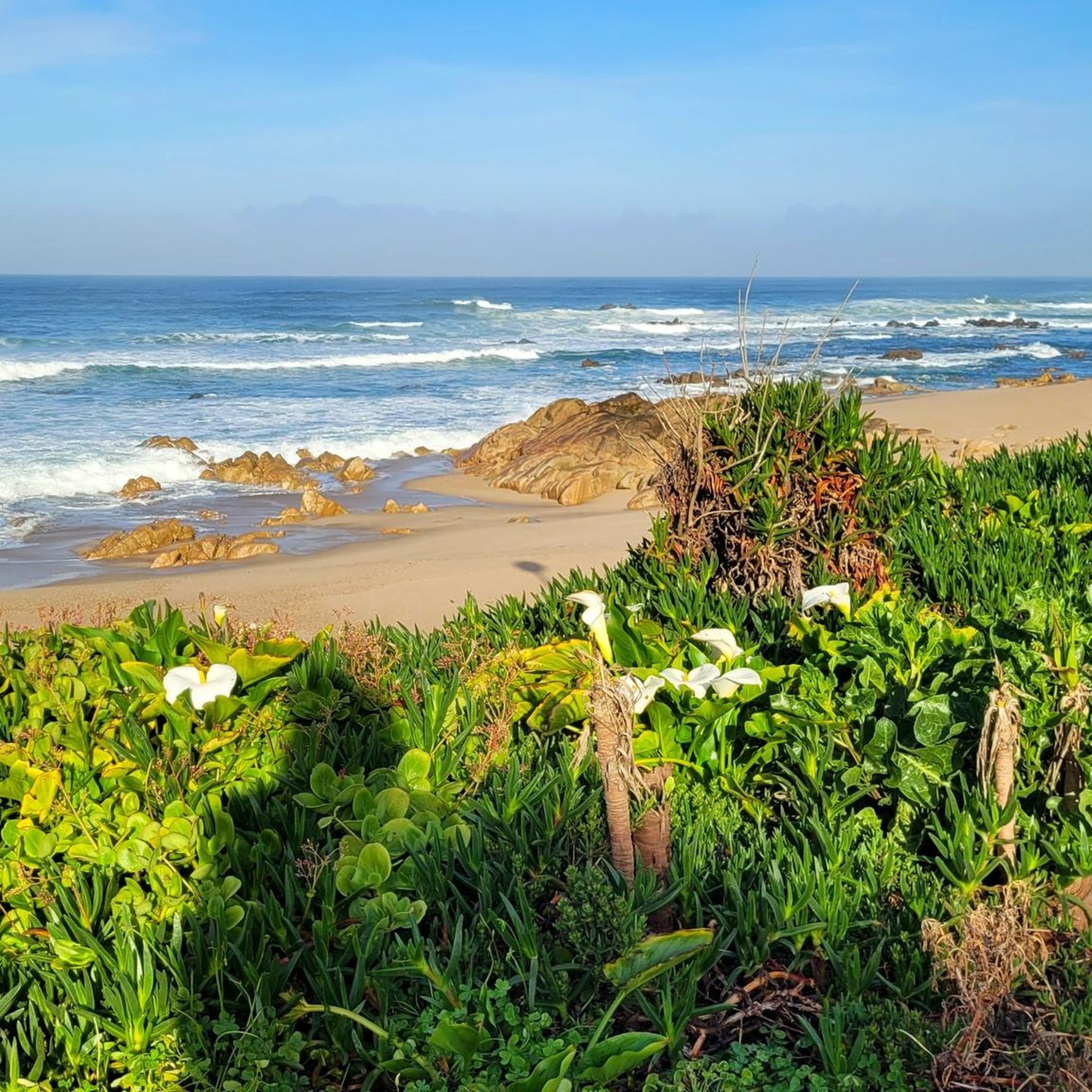
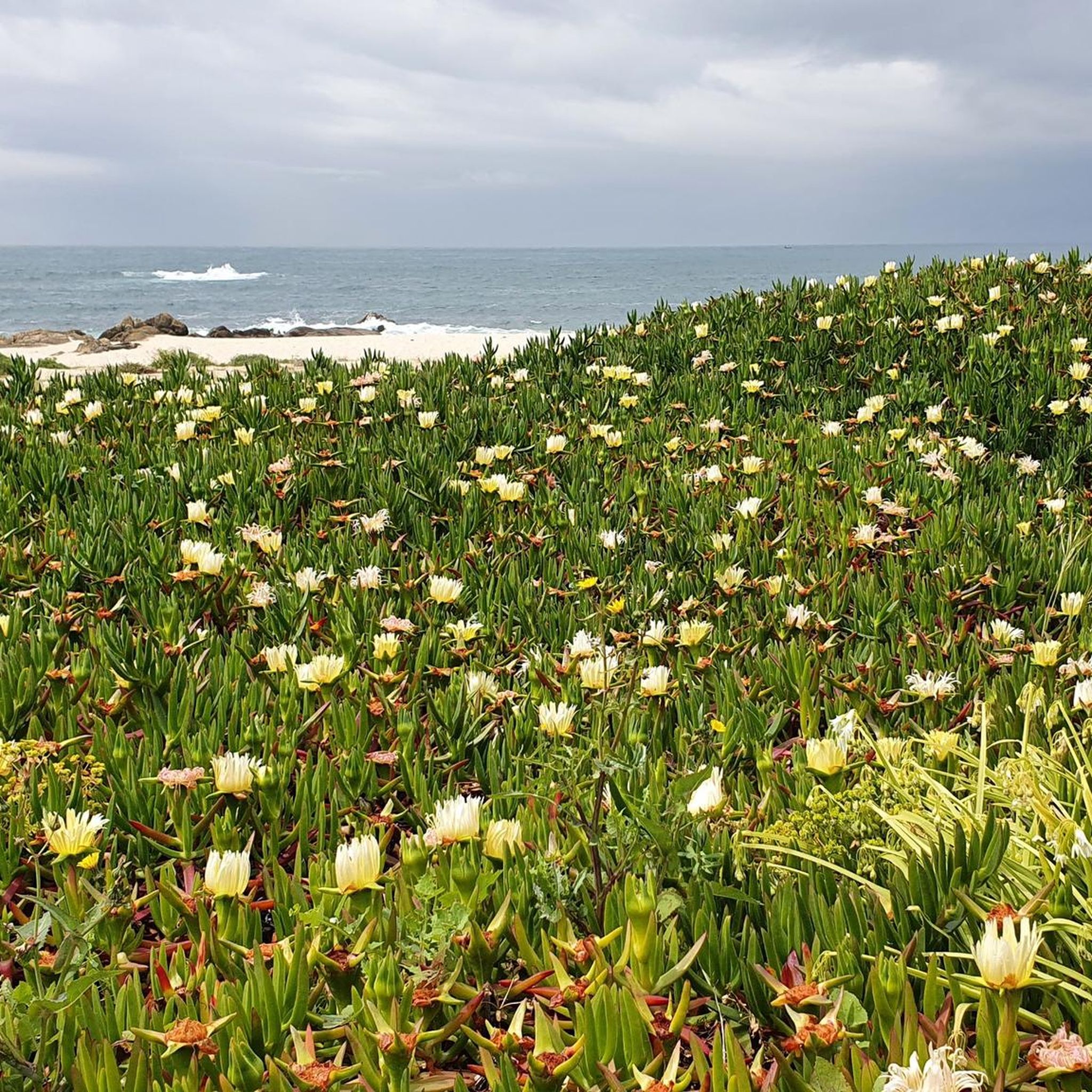
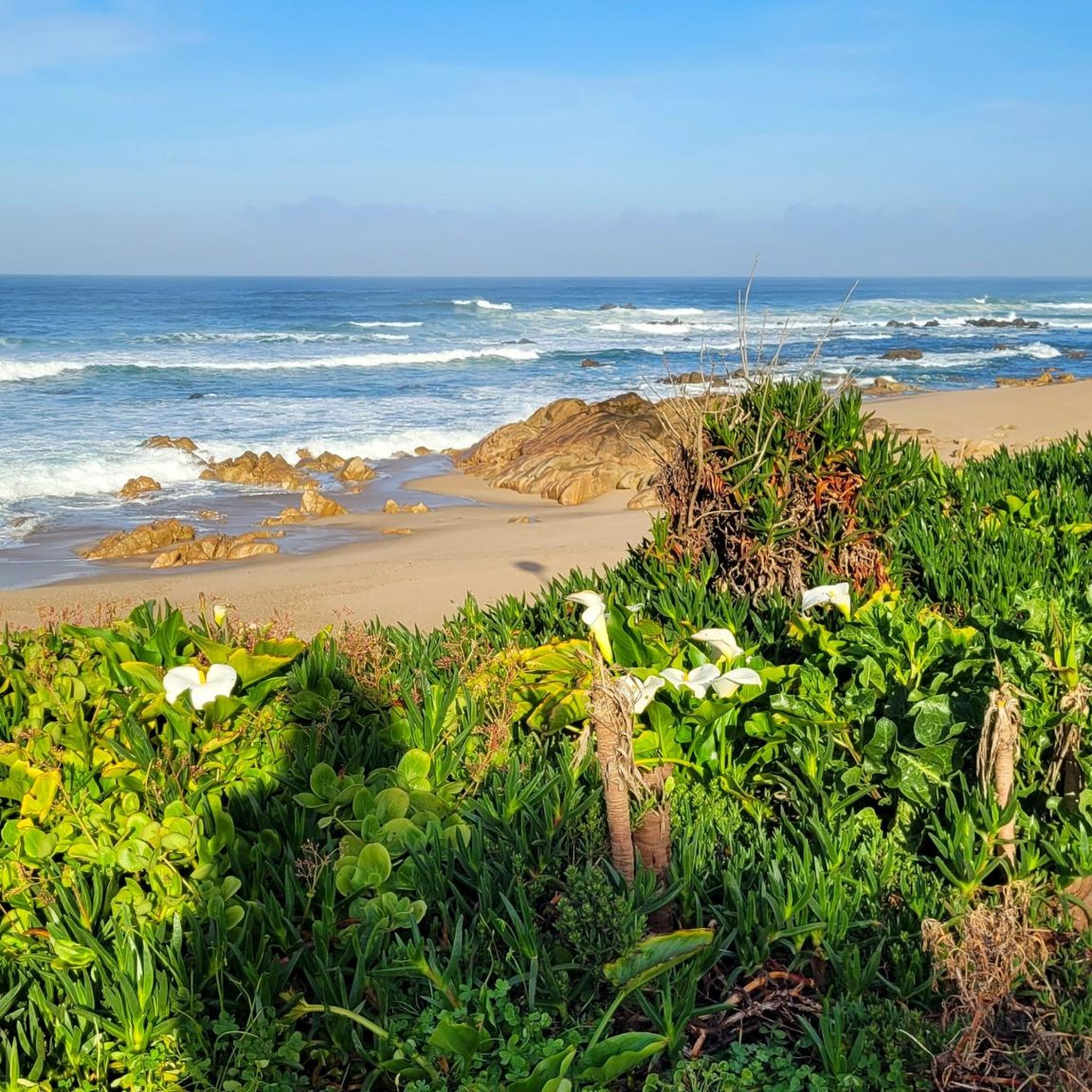
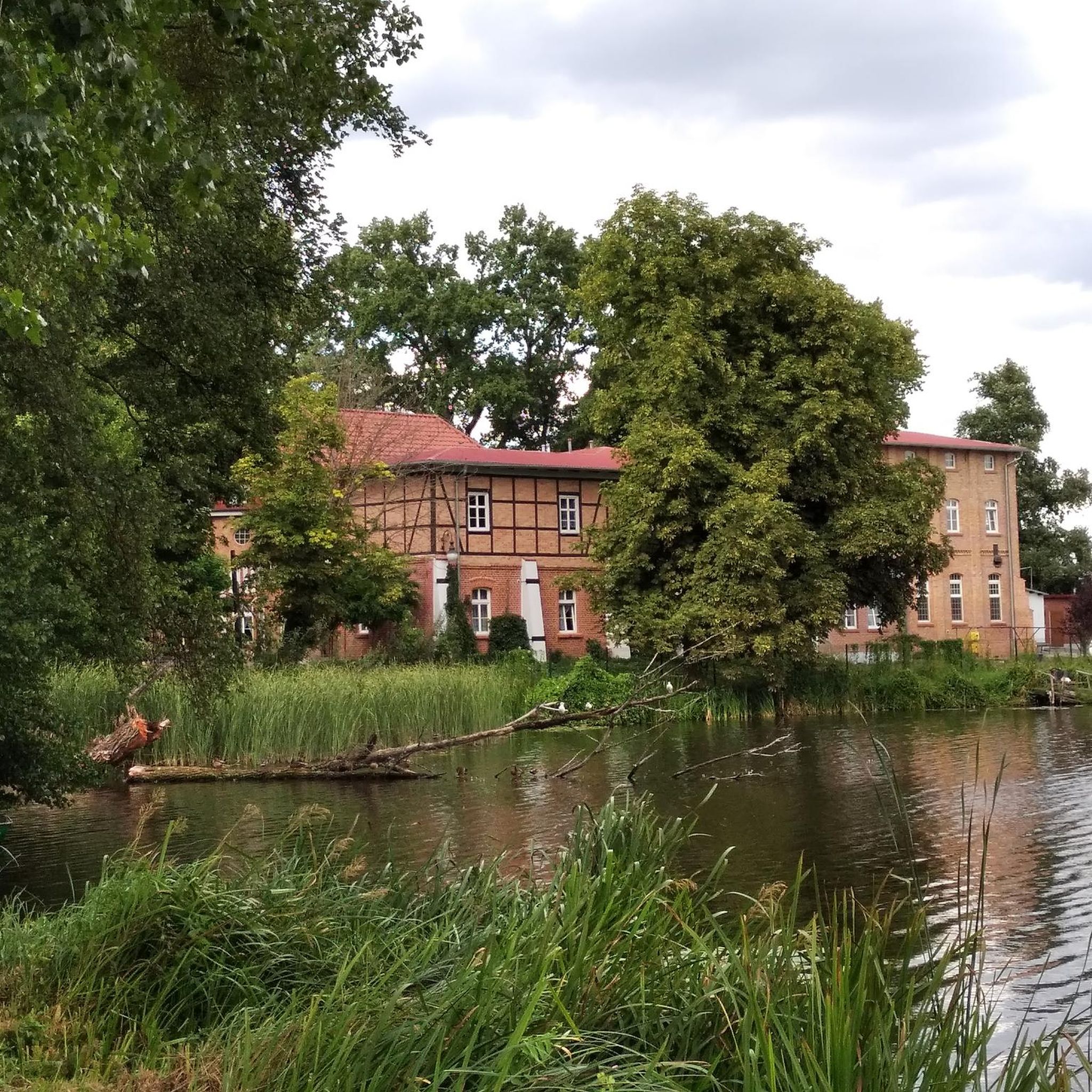
Tips from the Community

The Metal Bridge of Fão (Esposende) Location: It crosses the Cávado River, on National Road 13 (EN13), in the parish of Fão, in Esposende. Alternative Name: It is frequently referred to as the D. Luís Filipe Bridge. History: It is a significant example of iron architecture in Portugal, inaugurated on August 7, 1892. Characteristics: The bridge, which is a Property of Public Interest, has an extensive metal structure and has recently been rehabilitated.
2
0
In Esposende, the main historical bridge that crosses the Cávado River is the Ponte Metálica de Fão, also known locally as Ponte D. Luís Filipe.
2
0
The church is an active place of worship, with regular opening hours for visitors and worshippers. Location: Rua da Igreja, 4480-754 Vila do Conde, Portugal. Opening Hours: Daily (Monday to Sunday): 9:30 AM to 12:00 PM and 3:00 PM to 7:30 PM. Masses: For accurate information on Mass times, it is recommended to visit the parish's official website or call directly, as times may vary. Accessibility: The church has wheelchair accessible entrance and parking.
1
0
Architecture and History Construction of the church began in the last years of the 15th century, by order of King Manuel I. The architectural design combines elements of Gothic and Renaissance architecture, in addition to the predominant Manueline style, especially evident in its magnificently sculpted main portal. The interior has beautiful stained glass windows and altars with gilded carvings, which are worth a detailed visit. The church is located on top of a hill where the original Monastery of Santa Clara and the old parish church were situated.
1
0
The Church of St. John the Baptist of Vila do Conde, also known as the Parish Church of Vila do Conde, is one of the city's most important monuments and one of the most significant examples of the Manueline style (late Portuguese Gothic) in the country. It was classified as a National Monument in 1910.
1
0
Highlights and Route Landscape: The route crosses rural areas, small population centers, agricultural fields, and forest areas, offering a calm and pleasant environment. Localities: The ecotrail passes through several localities, including Amorim, Terroso, Laundos, Rates, Balazar, Gondifelos, Louro, and Brufe. Intermodality: A great advantage is the direct connection to the Vila Nova de Famalicão train station and the Porto Metro station in Póvoa de Varzim, facilitating access to the beginning and end of the route. Interconnection: The cycle path connects to the Formiga Ecotrail, allowing the ride to be extended.
1
0
Route Characteristics Length: The route is approximately 28 to 30 kilometers in total, connecting the rural interior (Famalicão) to the Atlantic coast (Póvoa de Varzim). Difficulty: It is a flat route, without major slopes or sharp curves, making it an easy and accessible route for everyone, including families with children. Surface: The surface is a mixture of macadam and, in some sections, asphalt, suitable for walking, running and cycling. Accessibility: The ecotrail is wheelchair accessible and has approximately 12 rest areas along the route.
1
0
The Famalicão–Póvoa de Varzim cycle path is, in fact, the Famalicão branch line cycle path. This route was built using the canal of the old railway branch line that connected Vila Nova de Famalicão and Póvoa de Varzim, and which ceased train service in 1995.
1
0
Frequently Asked Questions
How many road cycling routes are available around Terroso?
The Terroso region offers a diverse selection of over 50 road cycling routes. These routes cater to various skill levels, including 12 easy, 33 moderate, and 10 difficult options, ensuring there's a suitable ride for every cyclist.
What kind of terrain can I expect on road cycling routes around Terroso?
Road cycling routes around Terroso are characterized by rolling terrain with moderate elevation changes. You'll find a network of accessible roads connecting smaller villages and rural landscapes, offering consistent climbs and descents. The region is known for its varied cycling experiences.
Are there challenging road cycling routes with significant climbs near Terroso?
Yes, for cyclists seeking a challenge, the Terroso area includes routes with significant elevation gains. For example, the Quincentennial Carrack – Church of São Pedro de Rates loop from Póvoa de Varzim features an elevation gain of approximately 540 meters over its 63.9 km distance, offering a demanding ride.
Are there easier road cycling options for beginners or casual riders?
Absolutely. The Terroso region provides 12 easy road cycling routes, perfect for beginners or those looking for a more relaxed ride. These routes typically feature less challenging terrain and shorter distances, allowing for an enjoyable experience without excessive effort.
Can I find circular road cycling routes around Terroso?
Yes, the road cycling experience around Terroso is largely defined by its network of loop routes. Many popular options, such as the Famalicão Cycle Path – Church of São Pedro de Rates loop from Póvoa de Varzim, are designed as circular paths, allowing you to start and end your ride in the same location.
What points of interest or scenic viewpoints can I discover along road cycling routes near Terroso?
While Terroso itself is not extensively documented for specific natural landmarks, the surrounding areas offer several points of interest. You might encounter the Quincentennial Carrack, the Aguçadoura Beach Mill, or the Apúlia Church. Some routes also pass near the Wooden Boardwalk Along the Atlantic Coast, offering coastal views.
Where can I park my car when starting a road cycling route near Terroso?
Many road cycling routes in the Terroso area, particularly those starting from larger towns like Póvoa de Varzim, offer accessible parking options. While specific parking lots aren't detailed, general parking facilities are usually available in the starting points of popular routes. It's advisable to check local parking regulations upon arrival.
Is it possible to use public transport with my bike to access routes around Terroso?
Accessing road cycling routes around Terroso via public transport with a bike can vary. While some regional transport services might accommodate bicycles, it's recommended to verify specific policies and availability with local bus or train operators in areas like Póvoa de Varzim, which serves as a common starting point for many routes.
Are there cafes or places to stop for refreshments along the road cycling routes?
Given that many routes connect smaller villages and pass through rural landscapes, you will likely find opportunities for refreshments. Towns like Póvoa de Varzim, which is a common starting point, offer various cafes and eateries. Along the routes, smaller villages may also have local establishments where you can refuel.
What do other road cyclists enjoy the most about road cycling in Terroso?
The Terroso region is highly rated by the komoot community, with an average score of 4.5 stars from over 25 reviews. Cyclists often praise the varied terrain, the network of accessible loop routes, and the overall enjoyable cycling experience. Over 2,000 road cyclists have used komoot to explore the area's diverse offerings.
What is the best time of year for road cycling in the Terroso region?
While specific seasonal details for Terroso are not extensively documented, regions with rolling terrain and moderate elevation changes, like Terroso, generally offer pleasant road cycling conditions during spring and autumn. These seasons typically provide milder temperatures and less extreme weather, making for more comfortable rides.
Are there any long-distance road cycling routes near Terroso?
Yes, several routes in the Terroso area offer significant distances. For instance, the View of Esposende – Paço dos Condes de Barcelos loop from Póvoa de Varzim covers approximately 66.7 km, providing a substantial ride for those looking for longer excursions.
Are the road cycling routes around Terroso suitable for families?
While the guide highlights moderate and difficult routes, the presence of 12 easy routes suggests there are options suitable for families or less experienced riders. These easier paths would likely feature gentler gradients and shorter distances, providing a more family-friendly cycling experience.
Most popular routes around Terroso
Most popular attractions around Terroso

Get inspired with the komoot mobile app


Explore more
Browse the best Road cycling routes in other regions.
