The best road cycling routes around Burgães
4.6
(30)
2,233
riders
136
rides
Road cycling routes around Burgães traverse a landscape shaped by the Caima river, flowing through an embedded valley towards the Vouga. The region features a rural setting with natural areas like Praia Fluvial Burgães, offering a serene environment for cycling. The terrain includes riverine paths and ascents into the foothills of the Arestal mountain, providing varied gradients for road cyclists. This area, with its clear waters originating from the Freita plateau, presents a mix of flat sections and rolling hills.
…Last updated: July 1, 2026
5.0
(2)
112
riders
72.6km
03:32
700m
700m
Moderate road ride. Good fitness required. Mostly well-paved surfaces and easy to ride.
41
riders
Moderate road ride. Good fitness required. Some segments of this route may be unpaved and difficult to ride.

Sign up for free
41
riders
85.5km
04:01
830m
830m
Moderate road ride. Good fitness required. Mostly well-paved surfaces and easy to ride.
5.0
(1)
36
riders
38.5km
02:10
680m
680m
Moderate road ride. Good fitness required. Mostly well-paved surfaces and easy to ride.
5.0
(1)
32
riders
Moderate road ride. Good fitness required. Mostly well-paved surfaces and easy to ride.
Get access to more routes and recommendations from other explorers.
Sign up for free
Already have an account?
Our route recommendations are based on thousands of hikes, rides, and runs completed by other people on komoot.
Start today with a free account
Your next adventure awaits.
Login or Signup

Tips from the Community

The church is an active place of worship, with regular opening hours for visitors and worshippers. Location: Rua da Igreja, 4480-754 Vila do Conde, Portugal. Opening Hours: Daily (Monday to Sunday): 9:30 AM to 12:00 PM and 3:00 PM to 7:30 PM. Masses: For accurate information on Mass times, it is recommended to visit the parish's official website or call directly, as times may vary. Accessibility: The church has wheelchair accessible entrance and parking.
1
0
Architecture and History Construction of the church began in the last years of the 15th century, by order of King Manuel I. The architectural design combines elements of Gothic and Renaissance architecture, in addition to the predominant Manueline style, especially evident in its magnificently sculpted main portal. The interior has beautiful stained glass windows and altars with gilded carvings, which are worth a detailed visit. The church is located on top of a hill where the original Monastery of Santa Clara and the old parish church were situated.
1
0
The Church of St. John the Baptist of Vila do Conde, also known as the Parish Church of Vila do Conde, is one of the city's most important monuments and one of the most significant examples of the Manueline style (late Portuguese Gothic) in the country. It was classified as a National Monument in 1910.
1
0
Nearby Tourist Attractions Ave Riverbank Promenade: A riverside walkway, ideal for relaxing strolls. Monte Padrão Hillfort: Ancient ruins for those interested in history and archaeology.
1
0
Highlights and Architecture Main Church: Built between 1659 and 1679, the monastery church is an imposing example of local religious architecture. Cloisters: The monastery has serene cloisters, one of which still displays a Gothic sculpture of the Virgin and Child in one of the corners. Cloister Fountain: In the center of the cloister stands a slender granite fountain with a polylobed basin, dating from 1649. Style: Over the centuries, the monastery has been rebuilt, combining Baroque and Neoclassical elements.
1
0
Opening Hours and Visits The monastery is open for visits, but guided tours of the cloisters and other areas (besides the church) generally require prior booking by telephone with the Santo Tirso City Hall office. General Hours (Church): Daily (Monday to Sunday): 08:00–12:00 and 15:00–19:00. Accessibility: The entrance and parking are wheelchair accessible.
1
0
The Monastery of São Bento, also known as the Monastery of Santo Tirso, is located on the left bank of the Ave River, in the city of Santo Tirso, Portugal. Founded in 978, it belonged to the Benedictine Order and was one of the most powerful monasteries in Portugal. Currently, it is classified as a National Monument.
1
0

Excellent trail, very good for cycling, quite long. In the heat, there are several shady spots for resting.
0
0
Frequently Asked Questions
How many road cycling routes are available around Burgães?
There are over 140 road cycling routes around Burgães documented on komoot, offering a wide range of options for different skill levels and preferences. These routes have been explored by more than 2,000 road cyclists.
What are the typical difficulty levels for road cycling routes in Burgães?
The routes around Burgães cater to various abilities. You'll find approximately 10 easy routes, nearly 100 moderate routes, and around 36 difficult routes, ensuring options for beginners to experienced cyclists.
What natural features can I expect to see while road cycling around Burgães?
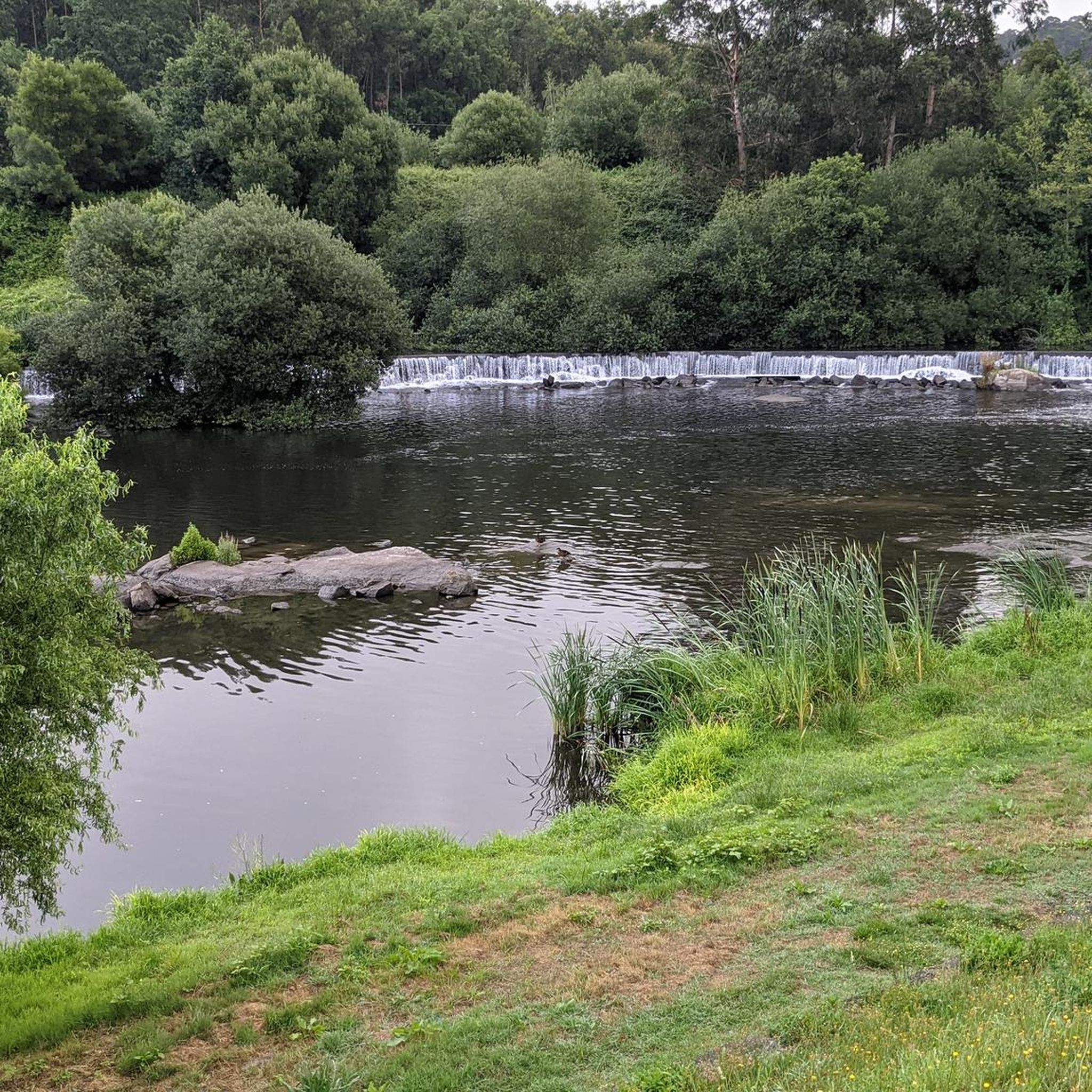
Road cycling around Burgães offers scenic views of the Caima river, which flows through an embedded valley. You can experience the natural beauty of areas like Praia Fluvial Burgães, with its clear waters originating from the Freita plateau, and enjoy the rural landscape with gentle ascents into the foothills of the Arestal mountain.
Are there any historical sites or landmarks along the road cycling routes near Burgães?
Yes, the region features historical elements such as an old flour grinding mill and the Santa Cruz fountain, which highlight the local heritage. For a more significant historical landmark, consider visiting the Monastery of Saint Benedict in Santo Tirso or the ancient Castro do Monte Padrão, both accessible from some routes.
Are there any waterfalls accessible from the road cycling routes?
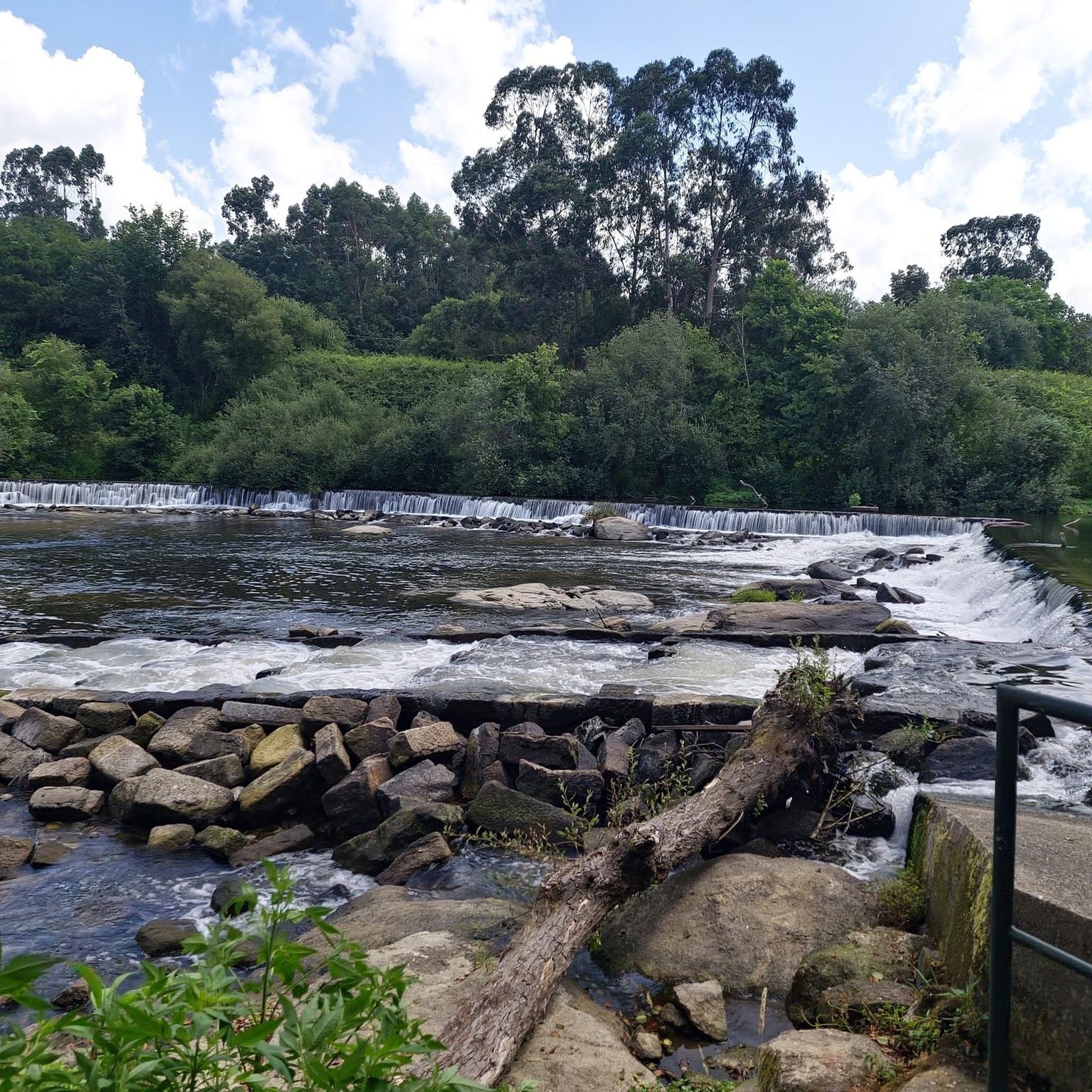
Yes, some routes may lead you near natural attractions. For example, the Leça River Waterfalls are a notable natural highlight in the broader area that could be incorporated into a longer ride or visited as a side trip.
Are there any dedicated cycle paths or particularly smooth routes for road cycling?
Yes, some routes incorporate dedicated cycle paths. For instance, the Famalicão Cycle Path – Quincentennial Carrack loop from Antiga Estação de Santo Tirso is a popular moderate route that follows a dedicated cycle path, offering a smooth ride. Another option is the Póvoa de Varzim–Vila Nova de Famalicão Cycle Path, which provides a good surface for road bikes.
What do other road cyclists enjoy the most about road cycling in Burgães?
The area is highly rated by the komoot community, with an average score of 4.6 stars from over 30 reviews. Road cyclists often praise the varied terrain, which includes river valleys, rural roads, and gentle ascents, providing a mix of challenges and scenic beauty. The serene environment and natural landscapes are frequently highlighted.
Are there any longer, more challenging road cycling routes for experienced riders?
For experienced riders seeking a challenge, routes like the Chapel of Senhor da Pedra (Chapel of the Lord of the Rock) – Dom Luís I Bridge loop from Santo Tirso offer a significant distance of nearly 100 km with considerable elevation gain, connecting notable landmarks and providing scenic views.
Are there any shorter road cycling routes suitable for a quicker ride?
Yes, for a quicker ride, you can consider routes like the Rest Area on N207 – Pedestrian Bridge over the Ave River loop from Santo Tirso. This route is about 39.6 km long and can typically be completed in around 2 hours 14 minutes, leading through pleasant riverine landscapes.
What is the best time of year for road cycling in Burgães?
The region's natural features, particularly the Caima river, offer a picturesque contrast between its summer charm and the impressive power of the river during winter. For road cycling, spring and autumn generally provide the most comfortable temperatures and pleasant conditions, avoiding the peak heat of summer or the potentially stronger river flows and cooler temperatures of winter.
Are there any routes that feature bridges or interesting river crossings?
Yes, some routes incorporate interesting river crossings. The Pedestrian Bridge over the Ave River is a notable feature that is part of routes such as the Tribute to the Blood Donor – Pedestrian Bridge over the Ave River loop from Santo Tirso, offering unique views of the river landscape.
Are there family-friendly road cycling options in Burgães?
While specific family-friendly dedicated routes are not detailed, the presence of dedicated cycle paths, such as sections of the Póvoa de Varzim–Vila Nova de Famalicão Cycle Path, can offer smoother, safer environments suitable for families. Look for routes described as 'easy' or those that follow dedicated paths away from heavy traffic.
Most popular routes around Burgães
Most popular attractions around Burgães

Get inspired with the komoot mobile app


Explore more
Browse the best Road cycling routes in other regions.
