Attractions and Places To See around Santo Tirso - Top 7
Best attractions and places to see around Santo Tirso, a city in the Porto District of Portugal, offers a blend of historical landmarks and natural beauty. Situated along the Ave River, the region provides a variety of attractions for visitors. The landscape features urban parks, river valleys, and the highest point in the municipality, Alto de S. Jorge. Santo Tirso is known for its cultural sites and outdoor activities.
Best attractions and places to see around Santo Tirso
- The most…
Last updated: August 25, 2026
Famalicão–Póvoa de Varzim Cycle Path
Highlight (Segment) • Cycleway
Translated by Google •
Tip by

Monastery of Saint Benedict, Santo Tirso
Highlight • Religious Site
Translated by Google •
Tip by

Sign up now to discover places like this
Get recommendations on the best single tracks, peaks, & plenty of other exciting outdoor places.
Sign up for free
Póvoa de Varzim–Vila Nova de Famalicão Cycle Path
Highlight (Segment) • Cycleway
Tip by

Leça River Waterfalls
Highlight • Waterfall
Translated by Google •
Tip by

Alvarelhos Hillfort
Highlight • Historical Site
Tip by

Sign up for free to discover even more attractions around Santo Tirso.
Sign up for free
Already have an account?
Start today with a free account
Your next adventure awaits.
Login or Signup

Tips from the Community

Nearby Tourist Attractions Ave Riverbank Promenade: A riverside walkway, ideal for relaxing strolls. Monte Padrão Hillfort: Ancient ruins for those interested in history and archaeology.
1
0
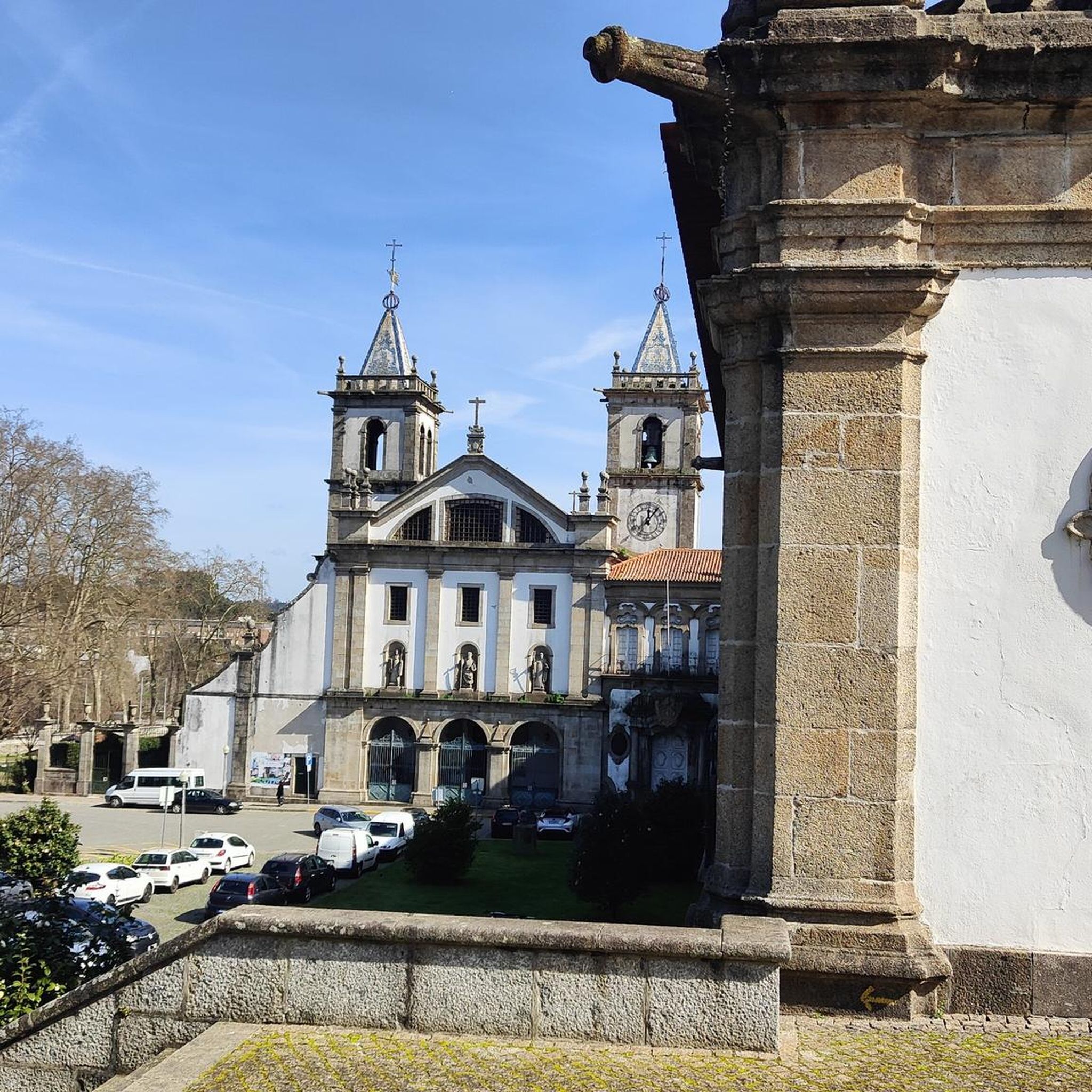
Highlights and Architecture Main Church: Built between 1659 and 1679, the monastery church is an imposing example of local religious architecture. Cloisters: The monastery has serene cloisters, one of which still displays a Gothic sculpture of the Virgin and Child in one of the corners. Cloister Fountain: In the center of the cloister stands a slender granite fountain with a polylobed basin, dating from 1649. Style: Over the centuries, the monastery has been rebuilt, combining Baroque and Neoclassical elements.
1
0
Opening Hours and Visits The monastery is open for visits, but guided tours of the cloisters and other areas (besides the church) generally require prior booking by telephone with the Santo Tirso City Hall office. General Hours (Church): Daily (Monday to Sunday): 08:00–12:00 and 15:00–19:00. Accessibility: The entrance and parking are wheelchair accessible.
1
0
The Monastery of São Bento, also known as the Monastery of Santo Tirso, is located on the left bank of the Ave River, in the city of Santo Tirso, Portugal. Founded in 978, it belonged to the Benedictine Order and was one of the most powerful monasteries in Portugal. Currently, it is classified as a National Monument.
1
0
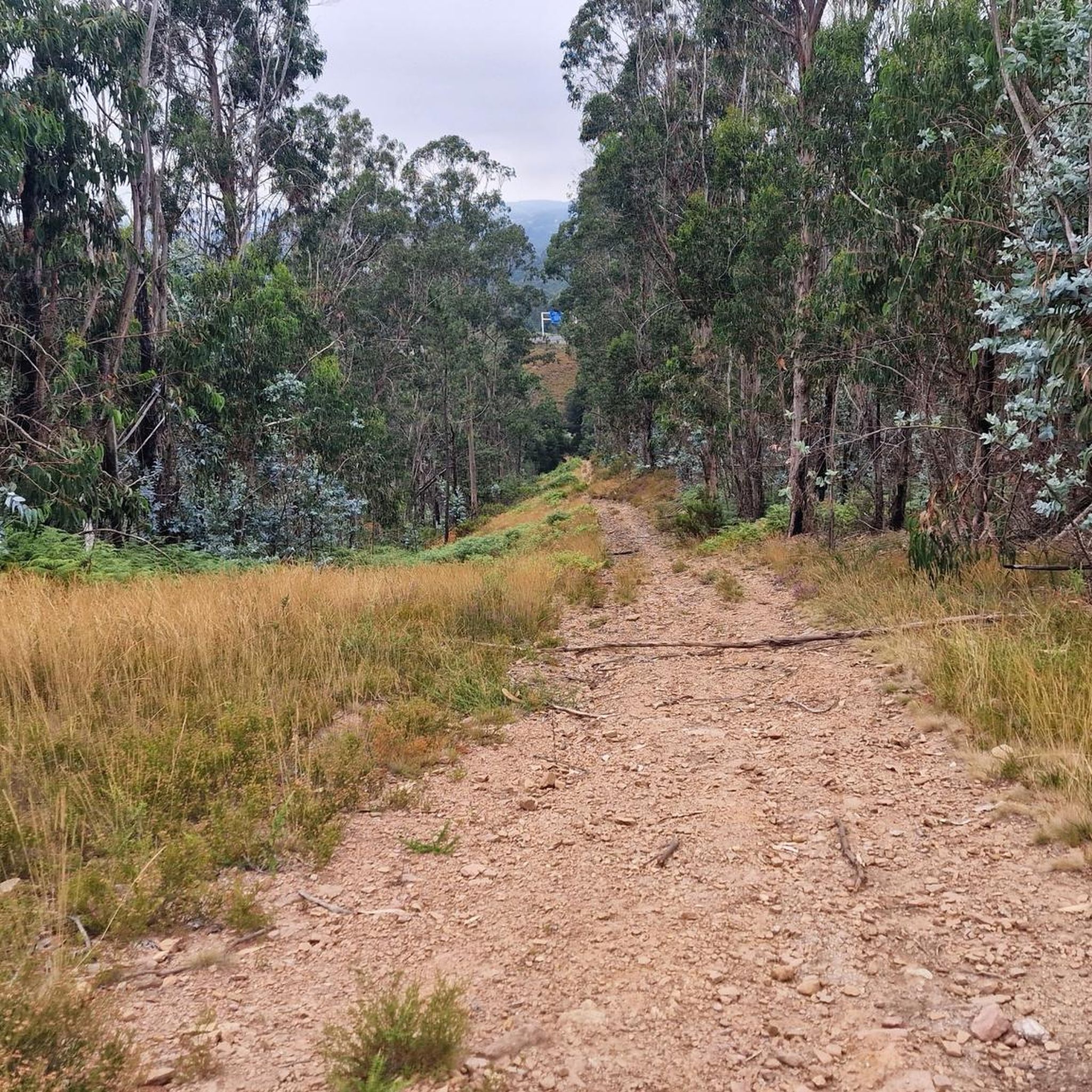
Highlights and Route Landscape: The route crosses rural areas, small population centers, agricultural fields, and forest areas, offering a calm and pleasant environment. Localities: The ecotrail passes through several localities, including Amorim, Terroso, Laundos, Rates, Balazar, Gondifelos, Louro, and Brufe. Intermodality: A great advantage is the direct connection to the Vila Nova de Famalicão train station and the Porto Metro station in Póvoa de Varzim, facilitating access to the beginning and end of the route. Interconnection: The cycle path connects to the Formiga Ecotrail, allowing the ride to be extended.
1
0
Route Characteristics Length: The route is approximately 28 to 30 kilometers in total, connecting the rural interior (Famalicão) to the Atlantic coast (Póvoa de Varzim). Difficulty: It is a flat route, without major slopes or sharp curves, making it an easy and accessible route for everyone, including families with children. Surface: The surface is a mixture of macadam and, in some sections, asphalt, suitable for walking, running and cycling. Accessibility: The ecotrail is wheelchair accessible and has approximately 12 rest areas along the route.
1
0
The Famalicão–Póvoa de Varzim cycle path is, in fact, the Famalicão branch line cycle path. This route was built using the canal of the old railway branch line that connected Vila Nova de Famalicão and Póvoa de Varzim, and which ceased train service in 1995.
1
0

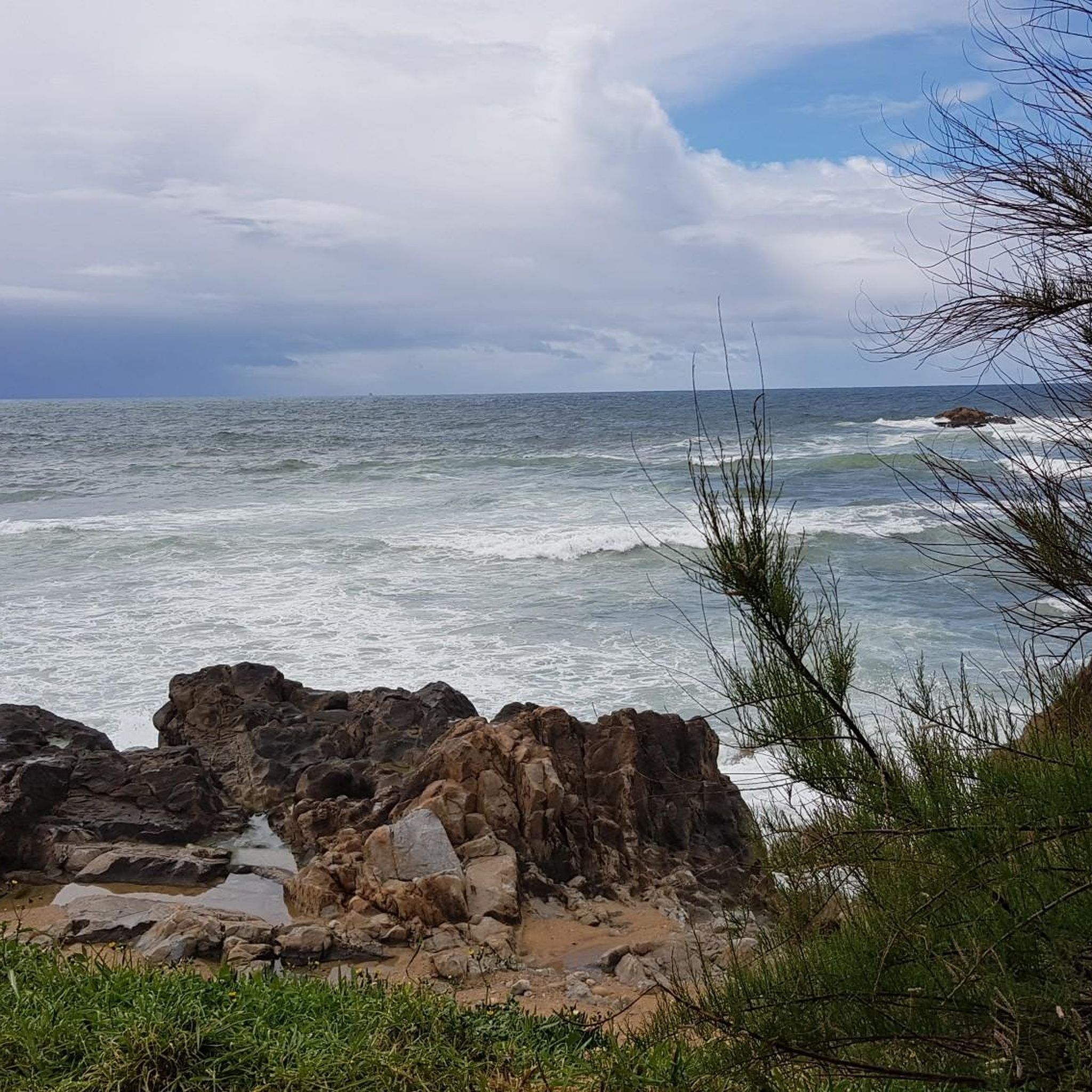
The Leça River waterfalls in Refojos de Riba de Ave are a popular destination for nature lovers and hikers. The Leça Valley Trail (Percurso Vale do Leça) runs through the parishes bordering the valley, enjoying the Leça River from Quedas de Fervença to Água Longa.
5
0
Frequently Asked Questions
What historical sites can I visit in Santo Tirso?
Santo Tirso is rich in history. You can explore the ancient ruins of Alvarelhos Hillfort, a Bronze Age citadel-village with remnants from the 9th century BC. Another significant site is the Monastery of Saint Benedict, Santo Tirso, founded in 978 and classified as a National Monument. The Castro do Monte Padrão also offers insights into the region's ancient past, with an interpretation center on-site.
Are there any natural attractions or viewpoints to explore in Santo Tirso?
Yes, Santo Tirso offers several natural attractions. The Leça River Waterfalls are a popular destination for nature lovers. You can also visit the Santuário de Nossa Senhora da Assunção at Monte Córdova, which provides panoramic views of the city and the Ave Valley. For the highest point in the municipality, Alto de S. Jorge offers impressive vistas.
What outdoor activities, like hiking or cycling, are available near Santo Tirso?
The region around Santo Tirso is great for outdoor activities. For cycling, consider the Famalicão–Póvoa de Varzim Cycle Path, a flat route connecting the interior to the Atlantic coast. You can find many more cycling routes, including challenging road cycling tours and mountain biking trails, by exploring the cycling guides around Santo Tirso. For hiking, the Leça Valley Trail runs through the parishes bordering the Leça River, and there are numerous running and hiking trails, including those around Monte Padrão and Fervença Waterfalls.
Are there family-friendly attractions or activities in Santo Tirso?
Absolutely! The Famalicão–Póvoa de Varzim Cycle Path is an excellent family-friendly option, being a flat and accessible route suitable for all ages. Urban parks like Parque Urbano da Rabada, Parque D. Maria II, and Parque do Ribeiro do Matadouro also offer green spaces for relaxation and recreation for families.
Where can I experience contemporary art in Santo Tirso?
Santo Tirso has a strong connection to contemporary art. The city hosts an open-air museum, the Museu Internacional de Escultura Contemporânea, featuring over 50 works by international artists scattered throughout its parks and squares. You can find pieces by renowned artists like Vladimir Veličković and Wang Keping integrated into the urban landscape, including in Parque Urbano da Rabada.
What is the best time of year to visit Santo Tirso for outdoor activities?
For outdoor activities like hiking and cycling, spring (April to June) and early autumn (September to October) generally offer the most pleasant weather in Santo Tirso, with milder temperatures and less rainfall. Summers can be warm, while winters are typically mild but wetter.
Are there any accessible attractions for visitors with mobility needs?
Yes, some attractions in Santo Tirso are designed with accessibility in mind. The Monastery of Saint Benedict, Santo Tirso, offers wheelchair-accessible entrance and parking. Additionally, sections of the Famalicão–Póvoa de Varzim Cycle Path are wheelchair accessible, with approximately 12 rest areas along the route.
Can I find waterfalls near Santo Tirso?
Yes, the Leça River Waterfalls in Refojos de Riba de Ave are a notable natural feature. These waterfalls are a popular spot for nature lovers and hikers, and the Leça Valley Trail runs alongside the river, offering scenic views.
What kind of cycling routes are available around Santo Tirso?
Santo Tirso offers a variety of cycling routes. The Famalicão–Póvoa de Varzim Cycle Path is a popular, flat route suitable for families, connecting the rural interior to the Atlantic coast. For more challenging rides, you can find moderate to difficult road cycling routes and mountain biking trails that explore the surrounding hills and countryside. Explore the dedicated road cycling and general cycling guides for detailed options.
Where can I find panoramic views of the region around Santo Tirso?
For breathtaking panoramic views, head to the Santuário de Nossa Senhora da Assunção at Monte Córdova. From here, you can see across the city, the Ave Valley, and even the Atlantic Ocean on clear days. The Alto de S. Jorge, the highest point in the municipality at 527 meters, also offers impressive vistas of the surrounding landscape.
Are there any notable religious sites in Santo Tirso?
The most prominent religious site is the Monastery of Saint Benedict, Santo Tirso, a Benedictine monastery founded in 978. Its church, built between 1659 and 1679, is an imposing example of local religious architecture. Another significant site is the Santuário de Nossa Senhora da Assunção at Monte Córdova, built in 1901 with a Romanesque Revival design.
What is the significance of the ancient ruins in the region?
The ancient ruins in the Santo Tirso region, such as the Alvarelhos Hillfort and Castro do Monte Padrão, are significant archaeological sites. They represent Bronze Age citadel-villages with evidence of occupation spanning from the 9th century BC through the Iron Age and into the medieval period. These sites offer a unique glimpse into the early history and settlement patterns of the region.

Get inspired with the komoot mobile app


Explore more
Still not found the Highlight you’re looking for? See guides of the top attractions in other regions:
